
How to Grow Chia at Home from Store-Bought Seeds


Chia, scientifically known as Salvia hispanica, is a plant that has gained popularity due to its numerous health benefits.
These seeds are an excellent source of fiber, protein, and omega-3 fatty acids. Rich in antioxidants and essential nutrients, chia seeds can be a valuable addition to your diet.
A common question among gardening enthusiasts is whether it is possible to grow chia from store-bought seeds. The answer is yes, and in this article, we will explain how to do it effectively.
With the right preparation and care, you can enjoy a thriving chia plant in your garden or home.
Selecting the Right Seeds
First, it is important to ensure that the chia seeds you buy from the store are not treated with chemicals or processed in a way that prevents germination. Generally, seeds labeled as "organic" or "untreated" are the best options.
You can find these seeds in health food stores or in the natural products section of your local supermarket.
Preparing the Soil
Chia grows best in well-drained soils with good sun exposure. Before planting the seeds, prepare the soil by loosening it and removing any weeds.
If the soil is very compact, consider mixing in some sand or compost to improve texture and fertility. Chia does not require extremely fertile soil, but good drainage is crucial to avoid waterlogging issues.
Planting the Seeds
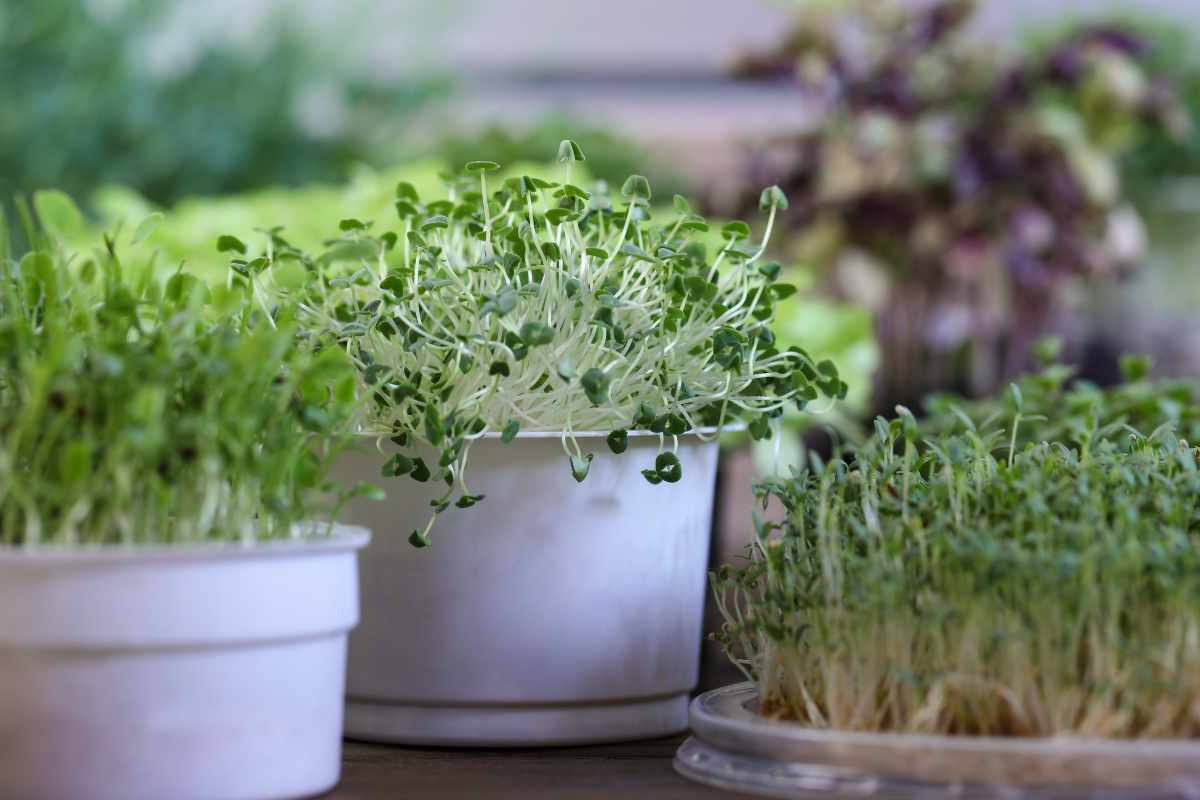
Chia seeds are very small, so it is recommended to scatter them evenly on the soil surface and then lightly cover them with a thin layer of soil, approximately 1/4 inch (0.6 cm).
Another technique is to mix the seeds with sand to facilitate more even distribution. After planting, gently water the area to settle the seeds into the soil.
Caring for Chia Plants
Once planted, chia seeds need specific care to ensure successful germination and healthy growth:
Watering
During the germination period, keep the soil moist but not waterlogged. Once the seedlings emerge, reduce the frequency of watering, allowing the soil to dry out slightly between waterings.
Chia is relatively drought-tolerant, but regular watering will promote more robust growth.
Sunlight
Chia thrives in locations with full sun. Ensure that the plants receive at least 6-8 hours of direct sunlight daily.
If you live in a region with very hot summers, providing some shade during the hottest hours of the day can be beneficial.
Spacing
When the chia plants have grown enough, thinning will be necessary to avoid overcrowding.
Maintain a distance of approximately 12-18 inches (30-45 cm) between each plant to allow for adequate growth and sufficient air circulation.
Pest and Disease Control
Chia is quite resistant to pests and diseases, but like any plant, it is important to regularly monitor the leaves and stems for signs of problems.
Use organic control methods such as introducing beneficial insects or using insecticidal soap solutions if necessary.
Harvesting Chia Seeds
Chia grows fast, is typically ready to harvest 90 to 120 days after planting. The flowers of the chia plant are small and purple or white.
Once the flowers wilt and seeds begin to form, wait until the seed heads are completely dry before harvesting.
Cut the seed heads and place them in a dry, well-ventilated area. Then, you can rub the seed heads to release the chia seeds.
Benefits of Growing Your Own Chia
Growing chia at home not only provides you with a continuous supply of fresh and organic seeds but also offers a great way to connect with nature and enjoy the gardening process.
Additionally, knowing that the seeds you consume are free from pesticides and other chemicals adds extra value to your healthy diet.
Growing chia from store-bought seeds is a rewarding and relatively simple gardening project. With proper care, you can enjoy a bountiful harvest of these nutritious seeds.
Be sure to follow the steps mentioned, and soon you will have your own supply of fresh and healthy chia seeds, ready to add to your meals and beverages. Happy gardening!
Did you find this post Useful or Inspiring? Save THIS PIN to your GARDENING Board on Pinterest!

Once again, thank you for visiting our website!
We hope you've enjoyed exploring the content we've created for you.
Give yourself the chance to learn, get inspired, and have even more fun, keep browsing...
More Gardening Tips 👇🏼👇🏼