
How to Grow Dog Roses (Rosa Canina)


Hello, how are you today? Welcome to our blog About Gardening. We hope you are very well and looking forward to a new post or Gardening Tutorial.
Today we want to share with you a special post:
Dog Roses: Grow Your Own and Enjoy Their Benefits
The dog rose (Rosa canina) is one of the many species of wild roses native to Europe. It is a deciduous shrub.
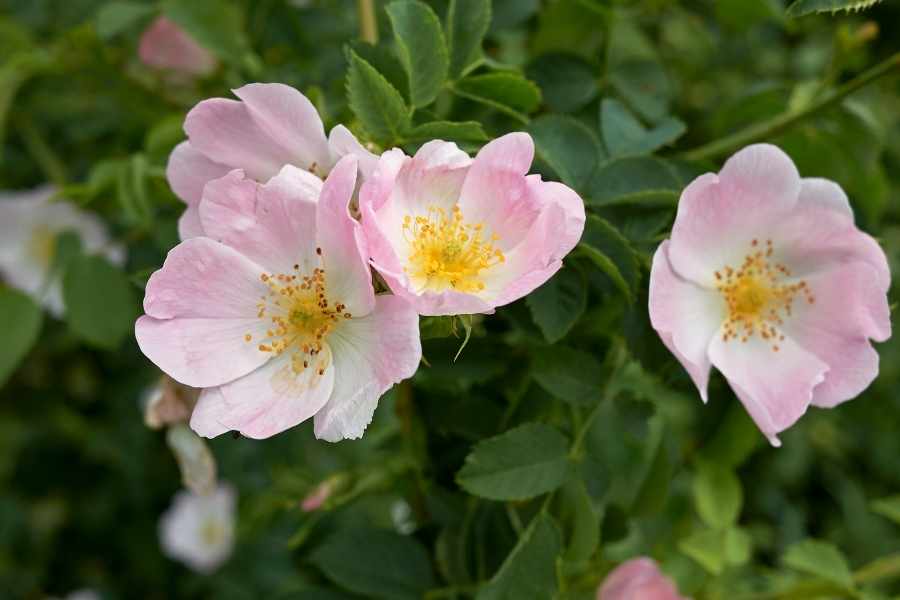
Plant leaves are divided into two or three pairs of smaller toothed leaflets. The large flowers range from light pink to white.
Each flower has five petals and many stamens. Offering a mild and sweet fragrance, they appear once a year, from spring to summer. The flowers have pollen, but no nectar. Pollination occurs by self-pollination and by all insects except butterflies.
Pinkish red to orange, the oval sides ripen in small clusters in October and November. Inside each hip are many hairy seeds.
From winter to early spring, these hips remain in the bush and provide winter food for birds (they can also be used to make tea). With proper support, this spiny climber can grow three to five meters tall and wide.
Establish a free-growing hedge to create a privacy screen or to protect birds. Rose hips can also be grown as a solitary specimen to fill an unattractive corner with lush foliage and bright flowers.
In general, rose hips are quite versatile. This wild beauty grows quickly and is easy to care for.
Welcome this historic rose into your garden and generations will find that an intact specimen can live up to 300 years.
| Botanical Name | Rosa canina |
| Common Name | Dog rose, dogberry, witches’ briar |
| Plant Type | Deciduous shrub |
| Mature Size | 3 to 16 ft. tall |
| Sun Exposure | Part shade to full sun |
| Soil Type | Slightly dry and well-drained potting mix, or soil mixed with equal parts sand or compost |
| Soil pH | Neutral (5.5 to 6.5) |
| Bloom Time | Spring through summer |
| Flower Color | Light pink to white |
| Hardiness Zones | 4-10, USDA |
| Native Area | Europe |
| Toxicity | Non-toxic |
Dog Rose Care
Plant rose hips in the fall or spring. Loosen the soil to prepare the deep roots and mix in some compost. Place each bush at least six to 15 feet apart.
This type of wild rose is probably the easiest to care for of all. It can survive hot and dry periods and even winds and frosts.
Considered particularly invasive in some parts of the United States, it works quite uncontrollably in USDA zones 4 through 9.
You should check carefully whether it is appropriate to grow in your region before planting.
Light
Rosa canina prefers sunny locations rather than semi-shady areas, the species generally grow more in the shade than in the full sun.
In natural conditions, it roams freely on roads, in light forests, in pastures, and on embankments.
Soil
Give this shrub fertile soil. Rosa canina generally adapts to many types of soils, from humus to clay to sandy. Avoid damp floors. The ideal soil for the garden is cool or slightly dry.
If growing in containers, provide a well-draining potting mix or mix the soil with equal parts sand or compost. Although this plant can tolerate small fluctuations in pH, be careful to maintain a neutral soil pH between 5.5 and 6.5.
Water
Water deeply, approximately twice a week. Feel the top five inches of the soil and, if it feels dry, the water. The best is constantly moist soil, not soggy.
Avoid wetting the leaves. If the growing dog rose has grown in a container, water more often.
Fertilizer
Fertilize Rosa canina with half a glass of 10-10-10 granular slow-release fertilizer every March. Distribute evenly around the base of the plant which is approximately 18 inches in diameter.
Full of water. Cover with two to three inches of mulch to conserve moisture and prevent weed control.

Is Dog Rose Toxic?
Rosehip is generally non-toxic. With such a rich history, this plant has been used medicinally since the time of Hippocrates. Many years ago, it was known that the root could cure a wild dog bite (hence the common name, "rose hips").
During World War II, when Britain was unable to import citrus fruits, the government welcomed people to eat rose hips to cure vitamin C deficiency.
Before wearing down your hips, remove surface hair, which can aggravate your throat and digestive tract. When eaten mindfully, the petals and hips can treat digestive upset and offer flavor in many ways.
The gathered hips can be turned into teas, syrups, and jams.
Symptoms of Rare Poisoning
The whole plant is rich in tannins, which can cause stomach problems, vomiting, and constipation. However, it generally must be consumed in large quantities for this to happen.
Pruning
During the growing season, pruning flowers wear out. In late fall or early spring, the plant will be dormant. Only then should you prune dead, damaged, or overgrown stems.
Use sharp pruning shears and make clean cuts 1/4 inch above the first bud. Cut at a 45-degree angle. The lowest point of the cutout should be on the opposite side of the button to encourage water away from it. Remove diseased branches.
The compost consumed dead flowers or small stems. Any diseased parts of the plant should be disposed of in the trash to prevent the spread of the disease.
The flowers and fruit form on last year's shoots, so you should keep them when you cut them.
Propagating Dog Rose
Rose hips can be propagated by cuttings. More naturally, these plants reproduce by seeds. When birds and other wild animals consume your hips, they plant seeds.
Sometimes the seeds require stratification or can take up to two years to germinate.
Common Pests/Diseases
Gall wasps love rose plants. Although bile is not harmful in and of itself, it serves as a birth chamber for small wasps. Watch out for the garden beetle and the bright golden rose beetle.
For fungal diseases, such as powdery mildew, apply a fungicidal spray.
Fortunately, rose fruits tend to be resistant to common rose diseases.
Enjoy This Video Tutorial AboutDog Rose: Why Every Garden Should Have One
Source: Wild Your Garden with Joel Ashton
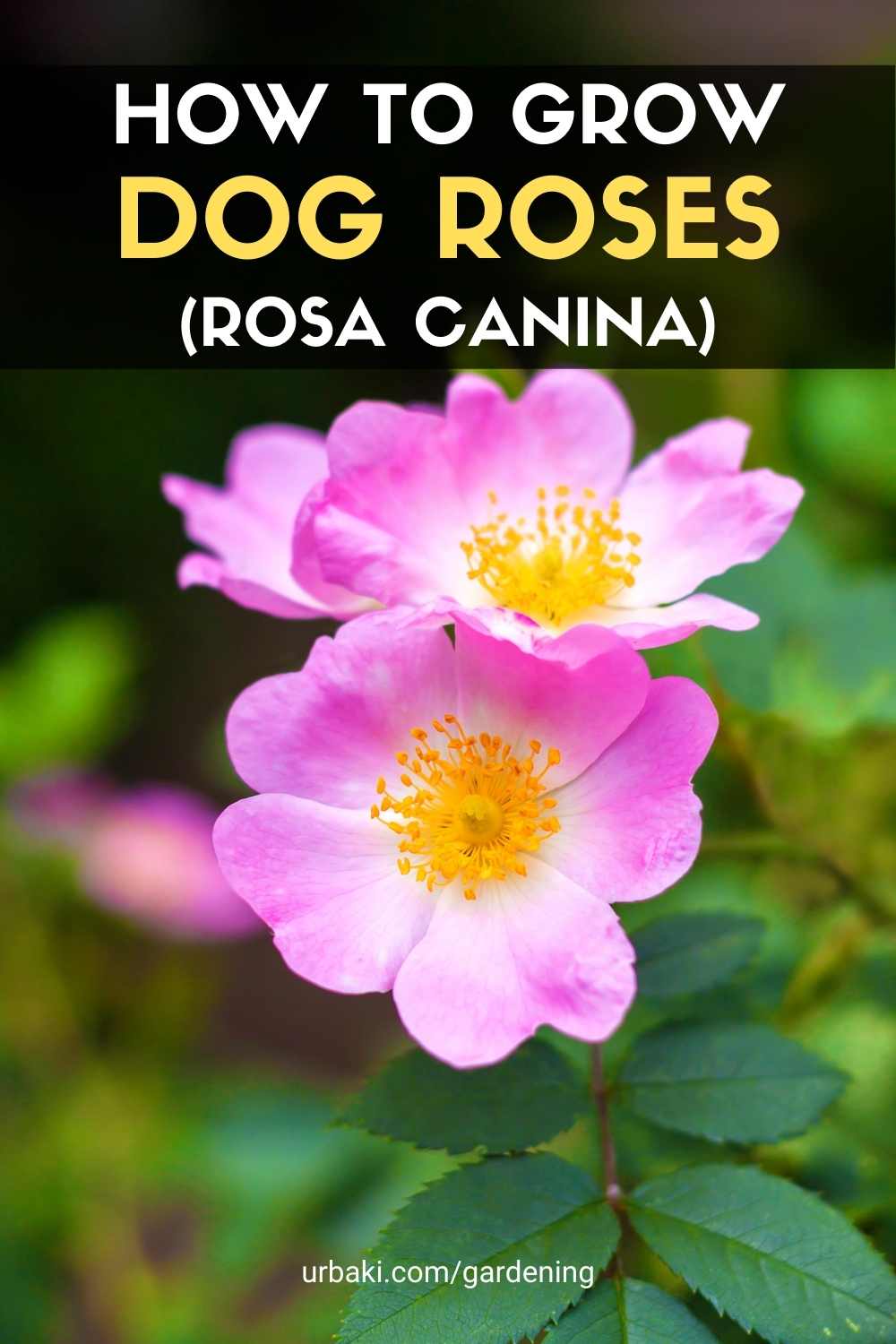
Did you find this post Useful or Inspiring? Save THIS PIN to your GARDENING Board on Pinterest! 😊
Once again, thank you for visiting our website!
We hope you've enjoyed exploring the content we've created for you.
Give yourself the chance to learn, get inspired, and have even more fun, keep browsing...
More Gardening Tips 👇🏼👇🏼