
How to Grow Nemesia: Fragrant Blooms for Every Season

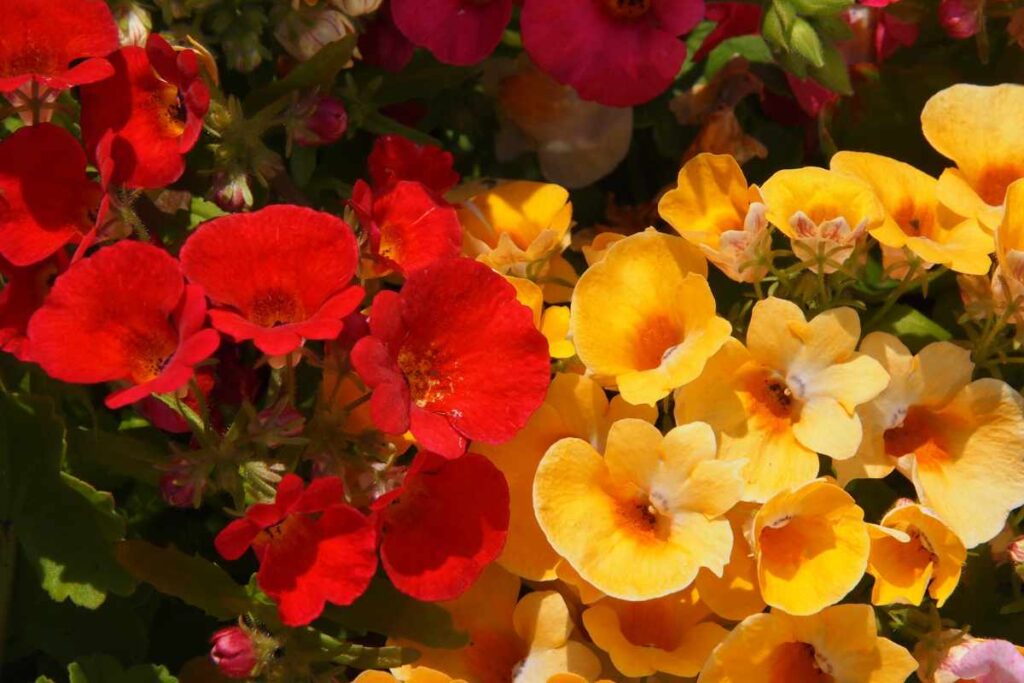
Nemesia is a charming flowering plant known for its vibrant colors, delicate petals, and sweet fragrance.
Often seen spilling over containers, edging garden beds, or brightening up hanging baskets, it’s a versatile plant that can add personality to almost any outdoor space.
With the right care, Nemesia can reward you with blooms that last from spring through fall—and sometimes even longer, depending on your climate.
Growing it successfully comes down to understanding its needs and giving it the right environment to thrive.
Getting to Know Nemesia
Native to South Africa, Nemesia thrives in sunny, mild conditions but can adapt well to different environments.
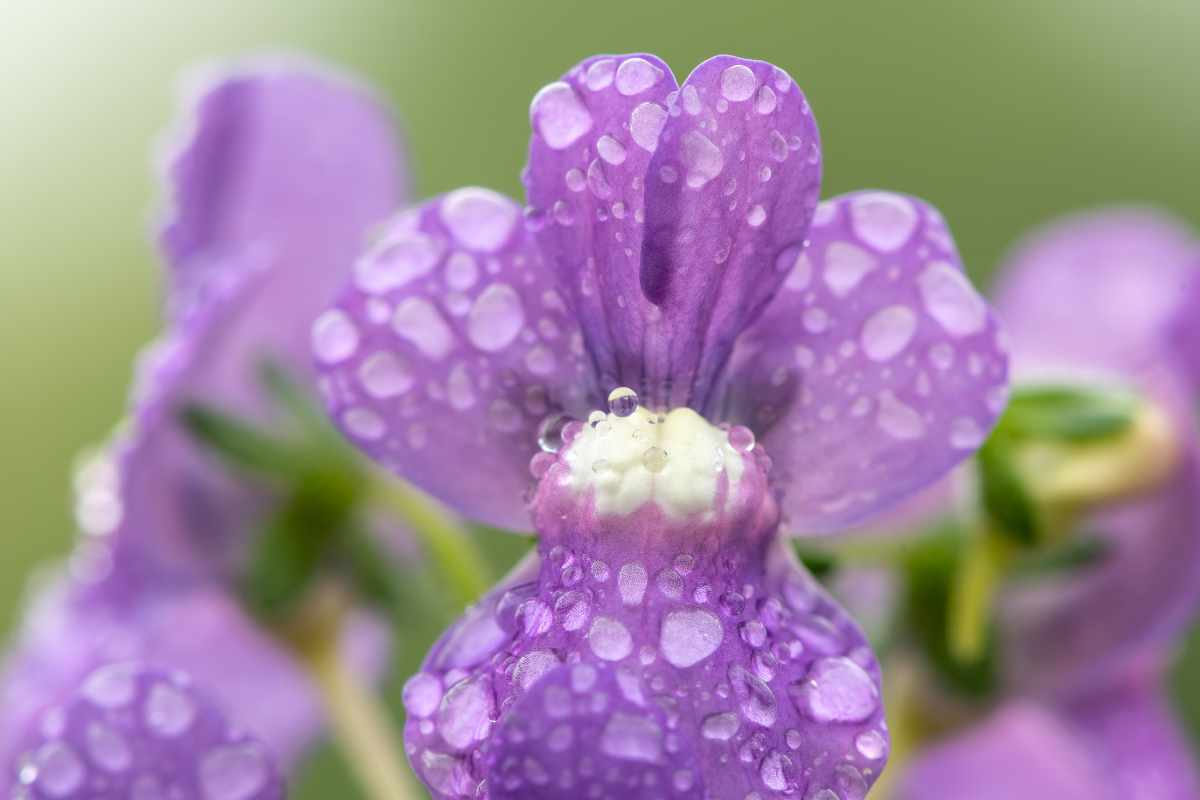
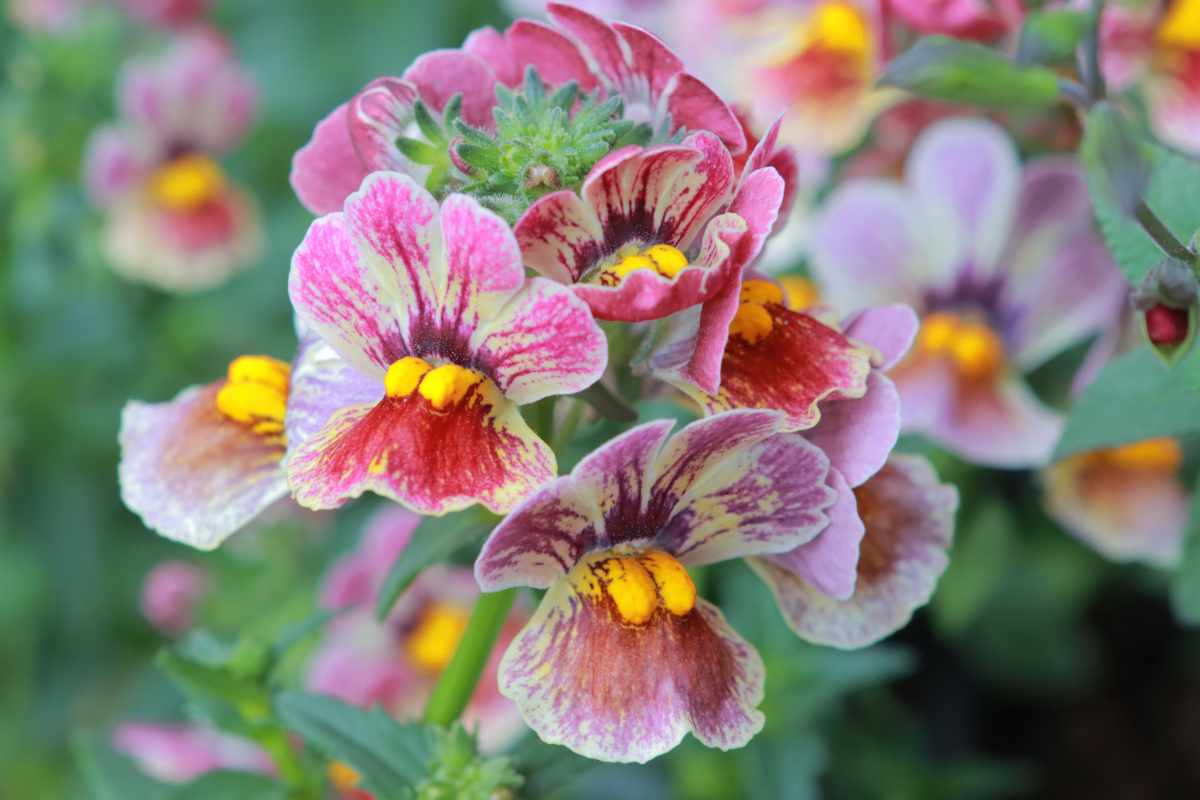
Its flowers come in a dazzling array of colors—purples, pinks, yellows, whites, and even bi-color varieties.
Some types have a subtle scent, while others are delightfully fragrant, making them a favorite for patios and garden seating areas.
The plants themselves are relatively compact, usually growing between 12 and 18 inches tall, which makes them easy to fit into small spaces or mix into layered flower beds.
Choosing the Right Variety
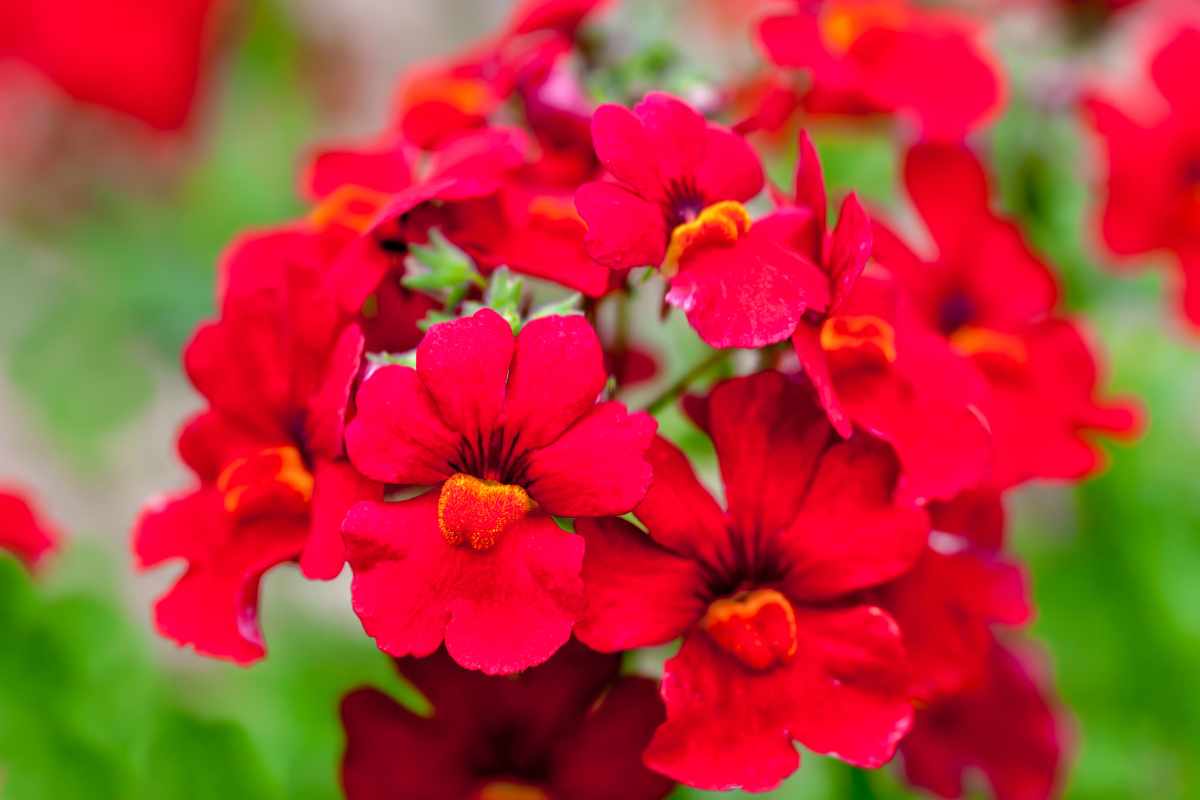
There are many Nemesia cultivars to choose from, each offering unique colors, growth habits, and bloom times.
Annual varieties are ideal for creating a burst of seasonal color, while perennial types provide reliable flowers year after year in milder regions. If fragrance is important, look for scented hybrids specifically bred for their aroma.
For cooler climates, early-blooming types can give you color in spring, while heat-tolerant varieties will extend your display into summer.
Ideal Growing Conditions
Nemesia thrives in well-draining soil enriched with organic matter. While it loves full sun, in particularly hot climates, some afternoon shade can help protect the flowers from fading.
The plant enjoys moderate temperatures—generally between 55°F and 75°F—which is why it performs best in spring and fall in warmer regions.
In cooler areas, it can bloom through summer without issue. Providing the right balance of sun, soil, and moisture sets the stage for healthy growth and abundant flowers.
Planting for Success
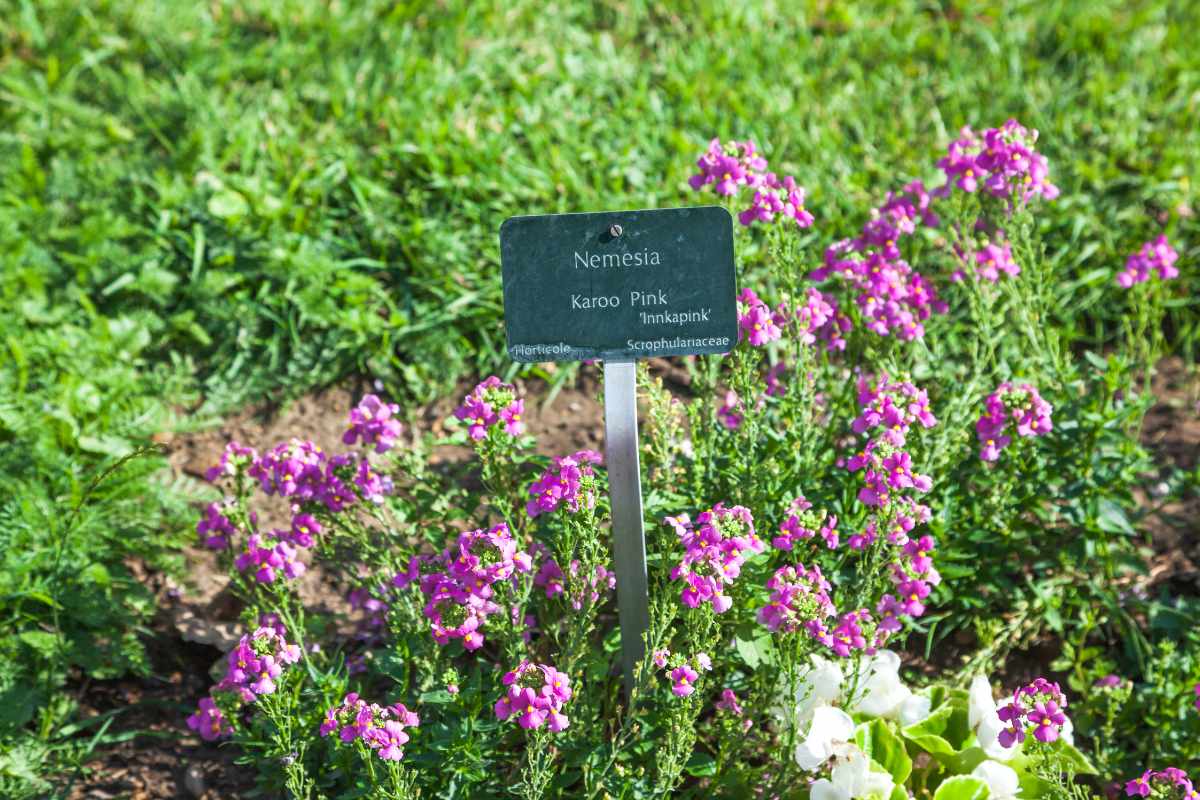
You can start Nemesia from seeds or purchase young plants from a nursery.
If growing from seed, sow them indoors 6–8 weeks before the last frost date, lightly pressing the seeds into the soil without covering them, as they need light to germinate.
Keep the soil moist but not soggy until seedlings appear. Transplant young plants outdoors once all danger of frost has passed, spacing them 6–8 inches apart to allow good airflow.
This spacing helps prevent fungal issues and ensures each plant has room to flourish.
Watering and Feeding
Consistent moisture is important for Nemesia, especially during hot weather, but the soil should never stay waterlogged.
Water deeply when the top inch of soil feels dry, aiming for the roots rather than overhead to reduce the risk of disease.
A balanced, slow-release fertilizer applied at planting time will support strong growth, and a monthly liquid feed during the blooming season can encourage continuous flowering.
Over-fertilizing with nitrogen, however, can lead to excessive foliage at the expense of blooms.
Encouraging Continuous Blooms
One of the keys to keeping Nemesia looking its best is regular deadheading.
Removing spent flowers not only keeps the plant tidy but also encourages it to produce more blooms.
If your plants start to look tired in midsummer, a light trim can rejuvenate them, promoting fresh growth and new flowers. In cooler climates, this mid-season cutback can give you a second flush of blooms before autumn.
Growing Nemesia in Containers
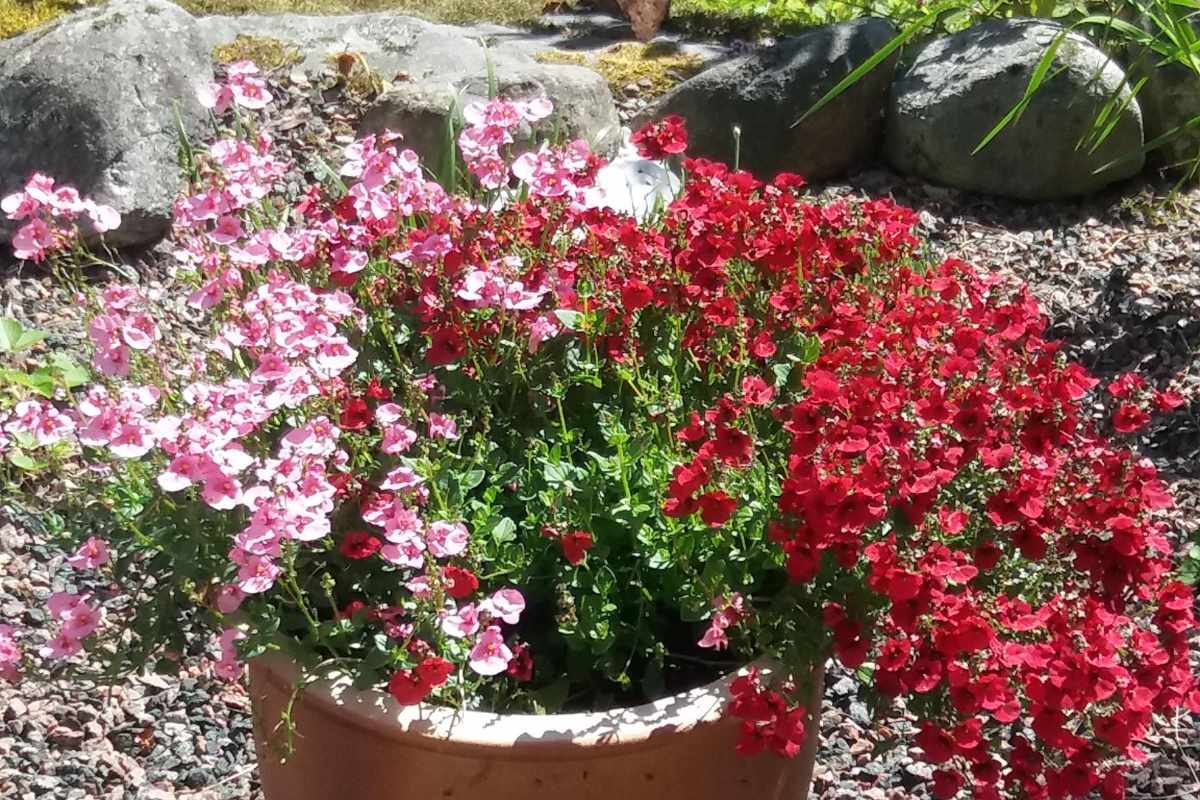
Nemesia’s compact size makes it ideal for containers, window boxes, and hanging baskets. Use a high-quality potting mix with good drainage, and choose a container with holes at the bottom to prevent water buildup.
Container-grown plants may need more frequent watering, especially in warm weather, as pots dry out faster than garden soil.
Grouping Nemesia with other sun-loving plants like lobelia or petunias can create beautiful mixed arrangements that bloom together throughout the season.
Overwintering and Extending the Season
In mild climates, some Nemesia varieties can overwinter outdoors, especially if given a layer of mulch for protection.
In colder areas, you can try bringing potted Nemesia indoors before the first frost, placing them in a sunny window or under grow lights.
While they may not bloom as heavily indoors, they can survive until conditions are right to move them back outside.
For an extended display, stagger your plantings or choose a mix of early- and late-blooming varieties.
Using Nemesia in Garden Design
Nemesia’s versatility makes it easy to incorporate into many garden styles.
It works beautifully as a border plant, spilling over pathways, or softening the edges of raised beds. Its trailing habit suits cottage gardens, while its compact growth also works well in more formal settings.
In mixed plantings, its cheerful blooms provide a splash of color that pairs nicely with both bold statement flowers and subtle foliage plants.
The fragrant varieties add another sensory dimension, making them perfect for seating areas and outdoor dining spaces.
A Low-Maintenance Beauty
Once established, Nemesia requires little fuss beyond regular watering, feeding, and occasional trimming. Its resilience and adaptability make it a good choice for gardeners of all experience levels.
Whether you grow it in a container on your balcony or weave it through a flower border, Nemesia offers months of color and charm with minimal effort.
Its delightful fragrance is a bonus, bringing a touch of freshness to your outdoor spaces throughout much of the year.
Did you find this post useful or inspiring? Save THIS PIN to your GARDENING Board on Pinterest!
More Gardening Tips 👇🏼👇🏼