
How to Grow Rain Lillies in Pots

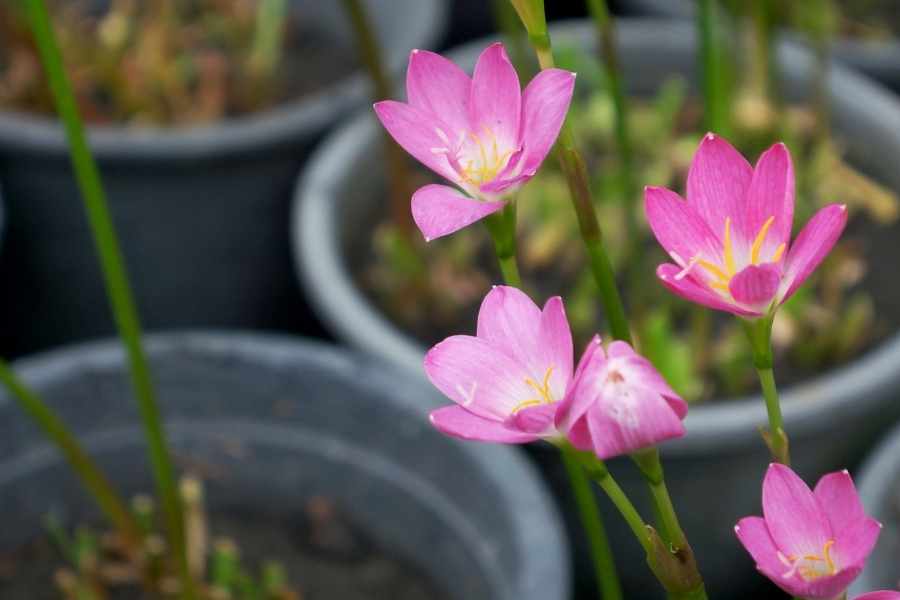
Many new homeowners are left scratching their heads when a cluster of crocus-like blooms suddenly appears in midsummer.
These unexpected flowers are often mistaken for crocuses due to their similar size and shape, but they are actually rain lilies—an underutilized and charming perennial that deserves a place in any garden.
Rain lilies, also known as zephyr lilies, fairy lilies, or rain flowers, are part of the Zephyranthes genus. They are easy to grow, low-maintenance, and have a unique flowering habit that brings delicate beauty to pots and garden beds alike.
Why Choose Rain Lilies?
There are many reasons to consider rain lilies for your garden:
- Easy to Grow: Rain lilies require little care and are highly adaptable.
- Long-Lasting Blooms: While each flower lasts just a few days, rain lilies continue to bloom sporadically throughout the season, especially after heavy rains.
- Unique Aesthetic Appeal: With their bright green, herbaceous foliage and dainty blooms, rain lilies add a whimsical touch to garden pots and beds.
This hardy perennial bulb is a great choice for gardeners looking for a plant that will spread naturally and add vibrant color with minimal effort.
Identifying Rain Lilies
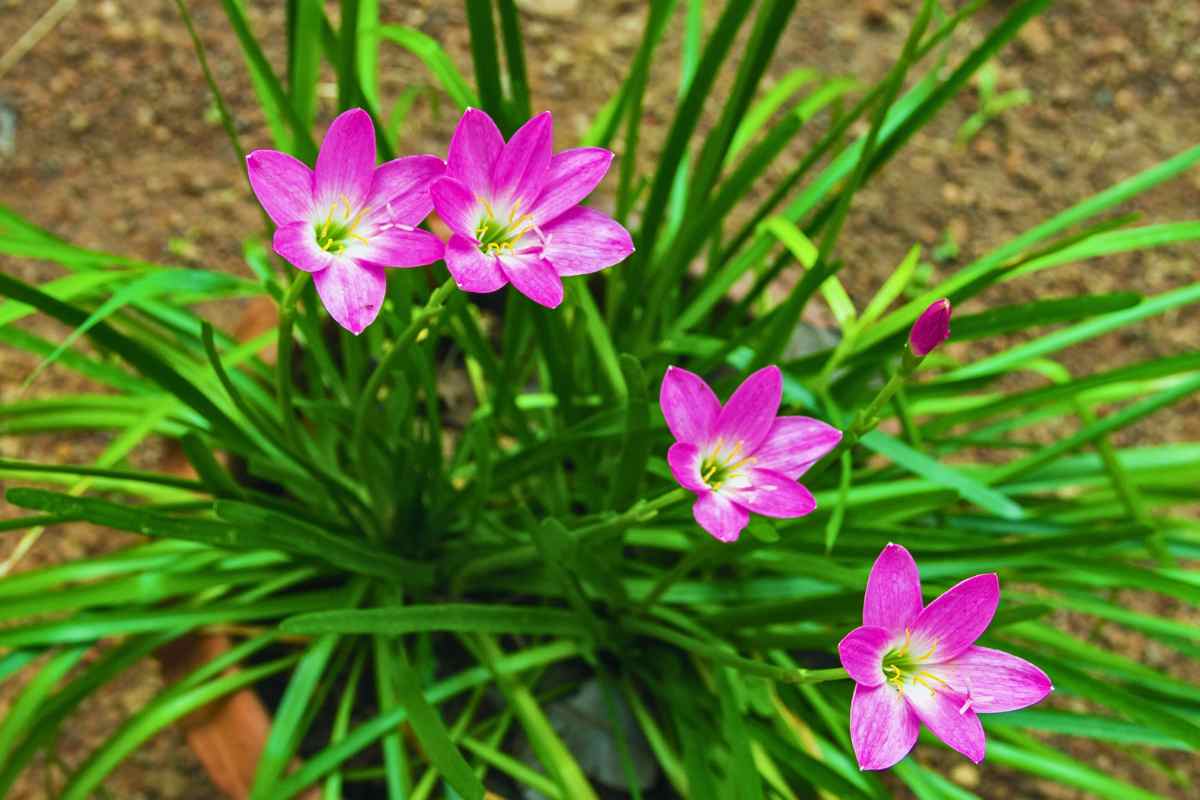
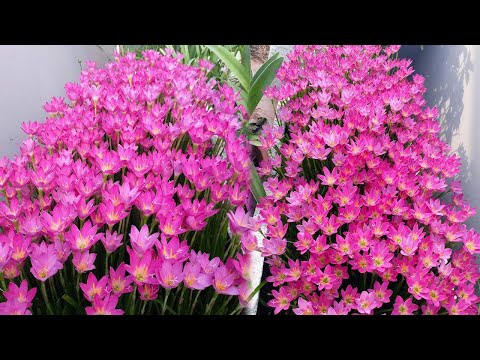
Rain lilies are recognized by their three upright petals and three identical sepals. These can range from narrow to wide, and they come in colors like white, pink, and yellow.
Their narrow, prostrate foliage is bright green and resembles the foliage of grape hyacinths. Rain lilies bloom in response to rainfall, with each individual flower lasting just a few days, making their sporadic blooming patterns an exciting event in the garden.
Growing Rain Lilies in Pots
Growing rain lilies in pots is an excellent option, as it gives you control over their environment and allows for easy movement and arrangement. Here are some key points to ensure your potted rain lilies thrive.
Choosing the Right Pot and Soil
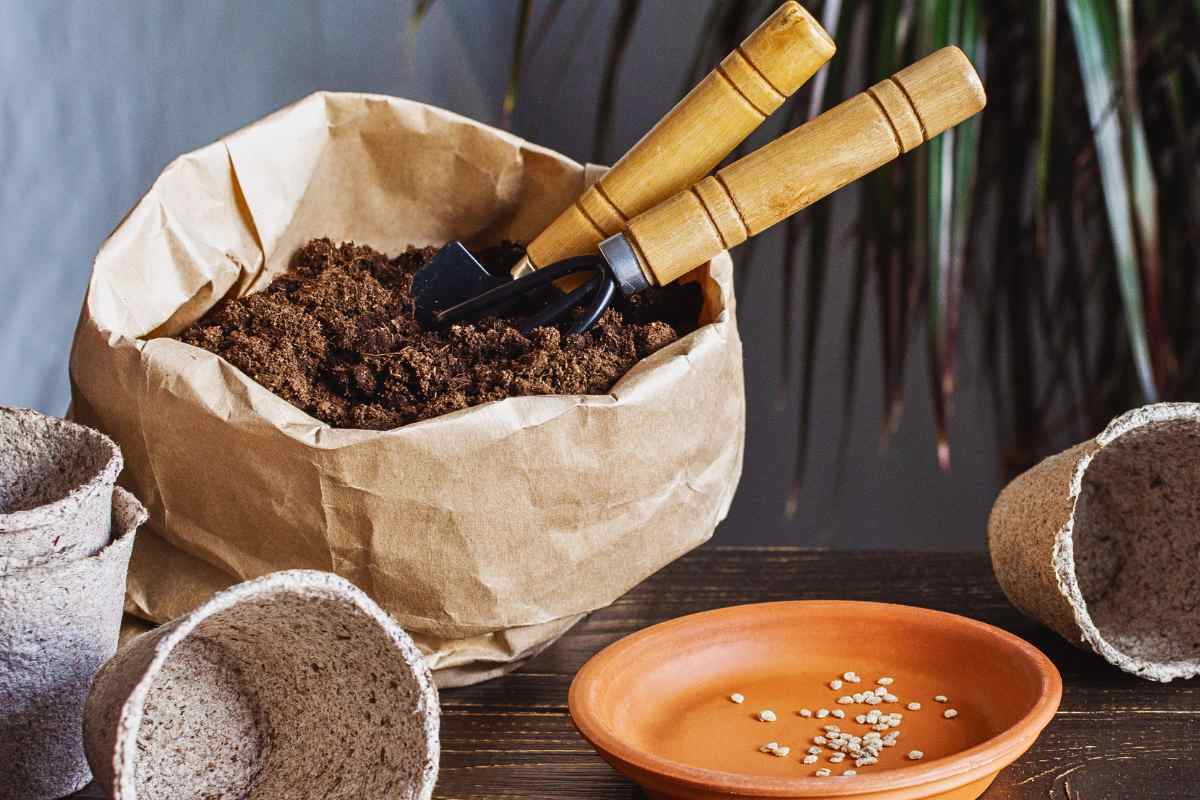
Select a pot with drainage holes to prevent water from sitting at the bottom, which could rot the bulbs. A well-draining soil mix is crucial, ideally one that contains sand or perlite to enhance drainage.
Rain lilies do well in slightly acidic to neutral soil, so avoid soils that are too alkaline.
Planting the Bulbs
Plant the bulbs just below the soil surface, about one inch deep. Space them out by a few inches if you’re planting multiple bulbs in a single pot.
Rain lilies grow well in groups, so feel free to cluster them for a fuller, more abundant look. The bulbs are relatively small, allowing you to fit several in a medium-sized pot for a dense, vibrant display.
Watering and Sunlight
While rain lilies are drought-tolerant, they respond well to regular watering, especially during their growing season. However, avoid overwatering, as they prefer the soil to dry out a bit between waterings.
Place the pot in full sun or partial shade; rain lilies appreciate bright light but can tolerate some shade, making them flexible for various garden layouts.
Caring for Your Potted Rain Lilies
One of the best aspects of rain lilies is their low-maintenance nature. Here are some tips to keep your potted rain lilies healthy:
Fertilizing
Rain lilies don’t require heavy feeding. A balanced, slow-release fertilizer applied at the beginning of the growing season will provide enough nutrients. Avoid over-fertilizing, as this can cause the plant to produce more foliage than flowers.
Pruning and Deadheading
As the flowers fade, you can remove spent blooms to keep the plant looking tidy. The foliage remains attractive and bright green, so there's no need to prune it unless it becomes unruly.
Allow the leaves to naturally wither at the end of the season, as this process helps the bulbs store energy for the next blooming cycle.
Encouraging Additional Blooms
Rain lilies are known for their tendency to bloom after heavy rain. If you notice fewer blooms, try increasing the watering frequency to mimic rainfall conditions. This can sometimes trigger an additional flowering cycle, bringing more color to your pots.
What to Expect from Rain Lilies
Rain lilies have a unique flowering cycle. An individual bloom may only last a few days, but the plants often produce multiple blooms throughout the season.
The largest bloom usually occurs after the first rain of the growing season, followed by sporadic blooming after subsequent rains. This characteristic makes them especially suited for climates with periodic rainfall.
Enjoying the Seasonal Charm of Rain Lilies
Rain lilies add a touch of magic to any garden with their delicate, fairy-like blooms that appear suddenly after rain. They’re a delightful surprise for new homeowners and seasoned gardeners alike, bringing both beauty and ease of care to any garden space.
By growing them in pots, you can control their environment, move them to highlight other plants, or simply enjoy them on a patio or balcony.
Start cultivating your own rain lilies by following these tips, and enjoy the rewarding display of golden-yellow, pink, or white blooms that brighten your space after each rain shower.
With minimal care and attention, rain lilies will flourish and bring you joy year after year, making them a wonderful addition to any plant collection.
We Hope You Enjoy this Video
Did you find this post Useful or Inspiring? Save THIS PIN to your GARDENING Board on Pinterest! 
More Gardening Tips 👇🏼👇🏼