
How to Identify a Plant - Simple Tips


Whether you’re wandering through a forest trail, tending to your backyard garden, or discovering something unexpected in a sidewalk crack, being able to identify a plant can make your experience much richer.
Learning to recognize plants connects you more deeply with nature, helps you care for your garden more effectively, and builds a useful skill you’ll carry with you everywhere. Fortunately, plant identification isn’t just for botanists.
With the right approach and tools, anyone can learn to observe and name the greenery in their life.
Observing Shape, Structure, and Size
The first step in identifying a plant is to observe it closely. Take a few minutes to examine its overall shape. Is it a small herbaceous plant, a vine, a shrub, or a tree? The size and structure of the plant offer early clues about the kind of species it might be.
For example, low-growing plants with soft stems are often annuals or perennials, while woody structures indicate a tree or shrub.
Beyond general form, the arrangement of branches or stems, and whether the plant stands upright or trails along the ground, can be helpful. These characteristics narrow down possibilities and give you a foundation for comparing the plant to others.
Focusing on Leaves and Their Patterns
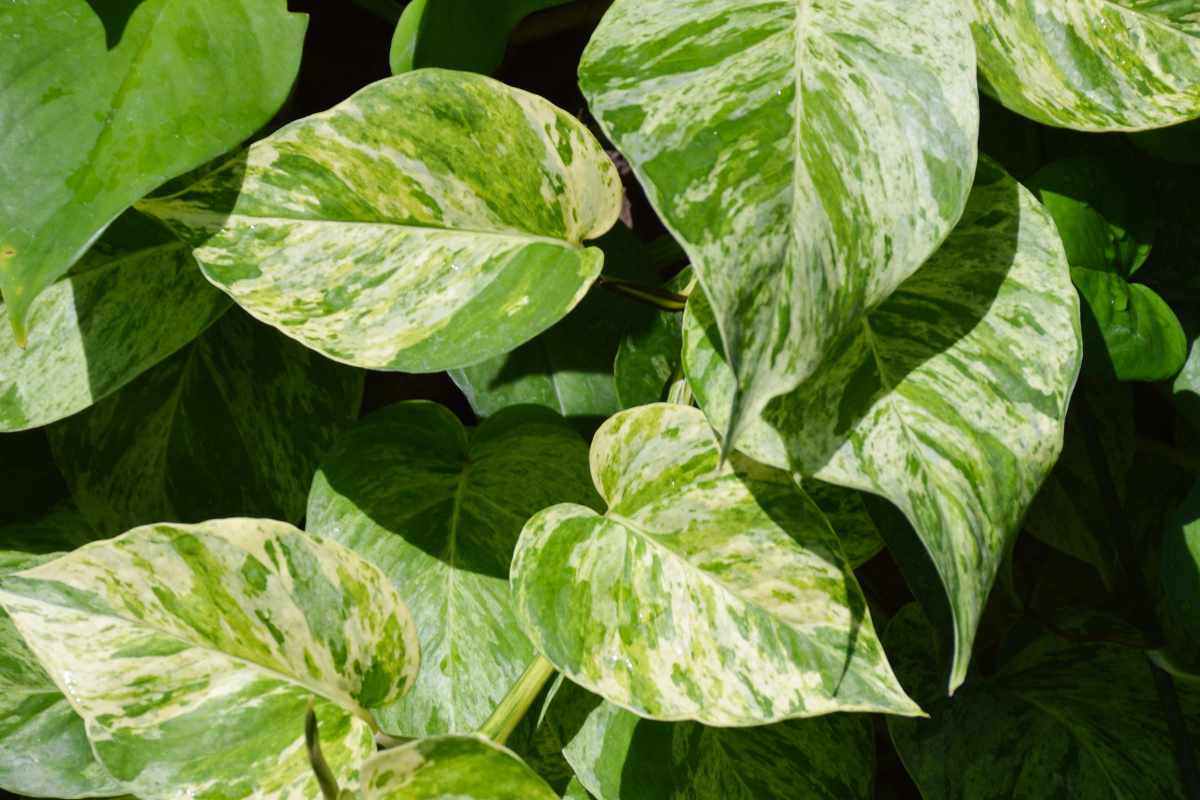
Leaves are often the most telling feature when it comes to identification. Pay attention to their shape, size, edge pattern, and texture. Are they narrow or wide? Do they have smooth edges, jagged teeth, or deep lobes? Are they arranged opposite each other on the stem, or do they alternate?
Also, look at the leaf veins. Some have a net-like pattern, while others are parallel. These small details may seem minor, but they’re incredibly valuable when narrowing down the species.
Take note of whether the leaves are glossy, matte, fuzzy, or stiff. Every bit of texture gives more information to help pinpoint the plant.
Examining Flowers and Fruit
If the plant is flowering, you’re in luck. Blooms are key identifiers, often offering distinct colors, shapes, and arrangements that make the process much easier. Look at how many petals the flowers have, how they’re clustered, and what colors are present.
Fruits and seed pods are just as useful.
Whether you see berries, nuts, pods, or cones, each one gives further insight into what you’re looking at. Some plants have seed structures so unique that they can almost confirm the identification instantly.
Even in seasons when flowers aren’t visible, remnants of fruit or seed capsules can still be present. These often offer enough clues to continue the process even without the plant being in full bloom.

Considering the Environment and Location
Plants don’t grow just anywhere—they have preferences. Identifying the type of environment where a plant is thriving can lead you closer to an answer.
For instance, a species growing in dry, rocky soil is unlikely to be the same as one flourishing near a pond or in rich forest loam.
Elevation, climate, and sunlight exposure all matter too. Is the area shaded most of the day, or does it get full sun? Are you in a wetland, woodland, grassland, or desert? Knowing where the plant grows naturally gives important context for making an accurate identification.
Using Helpful Tools and Resources
Even with careful observation, it’s normal to need some help. Fortunately, there are many plant ID tools available. Mobile apps like iNaturalist or PlantNet let you upload a photo and compare it to a database of images.
These tools use pattern recognition to suggest possible matches and often include detailed descriptions to guide you further.
For those who enjoy a more hands-on approach, field guides are still incredibly useful. Books organized by leaf shape, flower color, or region allow for in-depth comparison at your own pace.
You can also join local gardening groups or online forums where experienced plant lovers can help with trickier cases.
Sharing a clear photo and a short description often leads to quick and helpful answers.
Paying Attention Over Time
Some plants change dramatically through the seasons. A small green sprout in spring might become a flowering herb by summer or a dormant clump in winter.
By watching the same area over several weeks or months, you get a more complete picture of the plant’s growth cycle.
This kind of seasonal observation also improves your skill at identifying species by stages, making you more familiar with how they look in different conditions.
It’s especially rewarding in your garden, where watching plants grow and change deepens your connection with them.
Building Confidence with Practice
Like any new skill, plant identification takes time to feel natural. At first, you might guess wrong or feel uncertain, but with each attempt, you’ll get more confident.
Even just recognizing a few local species makes your daily walks and garden work more engaging. The more you practice, the more details you’ll naturally begin to notice, and soon it will become second nature.
Instead of rushing to find the name, let yourself enjoy the process. Appreciate the shape of the leaves, the way the flowers open, and how a plant fits into its surroundings. Identification becomes not just a task, but a deeper experience of interacting with the living world.
Did you find this post useful or inspiring? Save THIS PIN to your GARDEN Board on Pinterest!

More Gardening Tips 👇🏼👇🏼