
How to Make a Bonsai Step-by-Step Animation


Bonsai cultivation is an ancient art that has fascinated and captivated people for centuries. It may seem like a complicated craft reserved for experts, but with the right guidance, anyone can learn how to grow and nurture a Bonsai tree.
Whether you’re a beginner or an experienced gardener, creating a Bonsai can be both rewarding and relaxing, helping you uniquely connect with nature.
In this guide, we’ll walk you through a step-by-step process—using an animation tutorial—that simplifies the world of Bonsai. You’ll discover the basic techniques you need to start growing your own Bonsai, along with some essential tips on selecting the right tree species and caring for your miniature tree.
Choosing the Right Tree Species
The first and most crucial step in creating a Bonsai is choosing a tree species that is suitable for your climate and environment. Bonsai trees can be grown both indoors and outdoors, but the species you select will determine how well it adapts to the conditions in your area. Some popular beginner-friendly options include:
- Ficus: Known for its durability and ability to thrive indoors, ficus is a great choice for Bonsai beginners.
- Chinese Elm: A resilient species that adapts well to various climates, making it ideal for outdoor Bonsai.
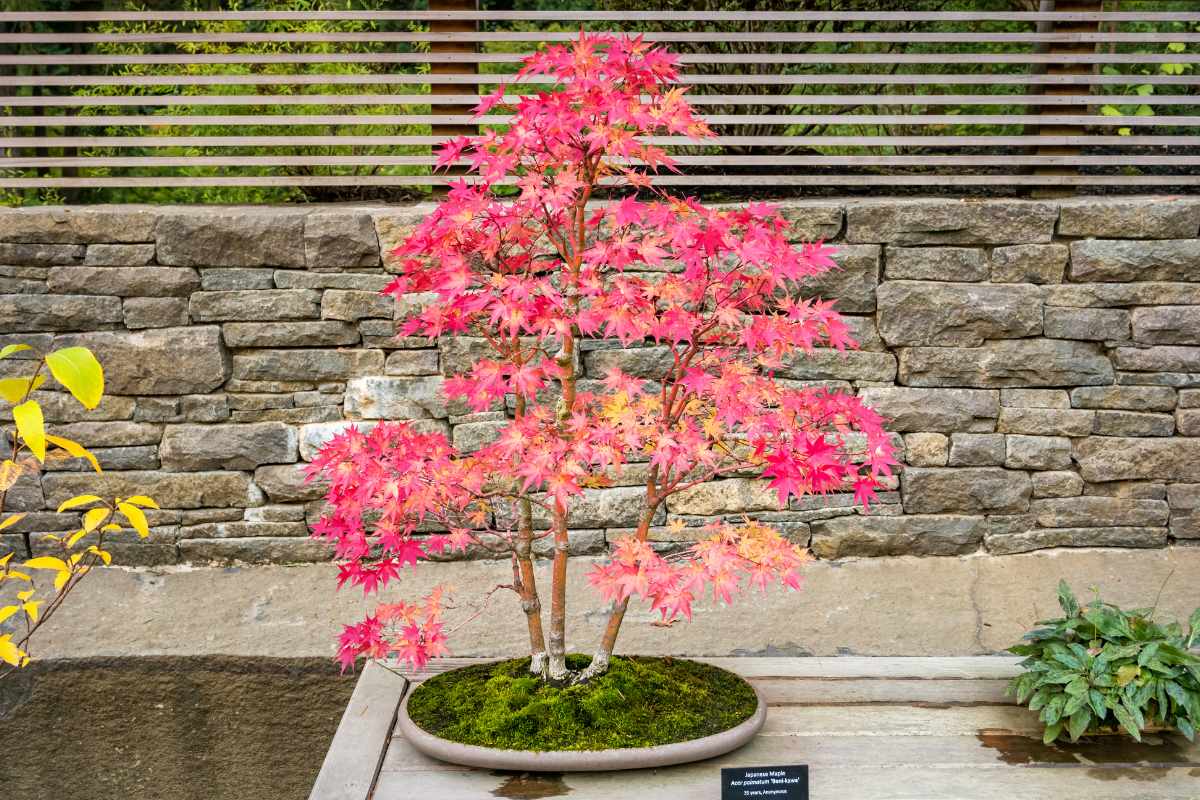
- Japanese Maple: With its stunning leaves, the Japanese maple adds a touch of elegance to any Bonsai collection.
While many tree species can be transformed into Bonsai, it’s important to note that some, such as juniper and pine, may not respond well to the simplified method shown in the animation. These species require more advanced techniques and care, so it’s best to start with a more forgiving species if you’re new to Bonsai.
Step-by-Step Animation Overview
In the video tutorial, you'll follow an easy-to-understand animation that walks you through the Bonsai creation process from start to finish. Here’s a quick breakdown of the steps covered:
- Select Your Sapling: The animation begins by showing how to pick a young tree or sapling that is suitable for Bonsai cultivation. Look for one with a strong trunk and healthy roots.
- Pruning and Shaping: Pruning is one of the most essential techniques in Bonsai cultivation. The tutorial demonstrates how to carefully trim branches to shape your tree and promote healthy growth. The focus here is on developing the basic structure and form of your Bonsai, encouraging the trunk to grow in a specific direction.
- Wiring Techniques: Wiring is a method used to guide the branches of the Bonsai into the desired shape. In the animation, you’ll learn how to wrap the branches with wire, giving you control over their growth pattern while being gentle enough to avoid damage.
- Potting and Repotting: Bonsai trees require specific pots that not only add aesthetic value but also support the root system. The tutorial covers how to transfer your Bonsai into a suitable pot, ensuring proper drainage and root space. Repotting is also crucial for long-term care, and you’ll learn when and how to repot as your tree grows.
- Watering and Care: The animation wraps up by providing tips on how to water and maintain your Bonsai. Proper hydration is key, but overwatering can be detrimental. You’ll see a demonstration of how to check soil moisture and ensure your Bonsai gets the right amount of water.
Key Techniques for Beginners
In addition to the steps outlined in the animation, here are a few essential techniques that every Bonsai enthusiast should know:
- Pruning: Regular pruning is necessary to maintain the shape and health of your Bonsai. It involves trimming excess leaves and branches to balance growth and maintain the desired form.
- Wiring: As mentioned earlier, wiring is used to guide the growth of the tree’s branches. It’s a skill that takes time to master, but it’s an important aspect of shaping your Bonsai.
- Root Trimming: Over time, your Bonsai roots will outgrow its pot. Trimming the roots encourages new growth and ensures your tree remains healthy in its container.
Extra Tips
- Patience is Key: Bonsai trees grow slowly, so don’t expect instant results. Cultivating a beautiful Bonsai requires patience and care, but the end result is worth the effort.
- Adapt to Your Environment: Different Bonsai species have different needs. Pay attention to how your tree responds to its environment, and adjust your care routine accordingly.
- Enjoy the Process: Growing Bonsai is as much about the journey as the final result. Take time to appreciate the artistry of shaping and nurturing your tree.

Conclusion
Bonsai cultivation may seem complex at first, but with the right tools and guidance, it’s an art that anyone can master. By following the step-by-step animation tutorial, you’ll gain the skills you need to grow your own Bonsai tree, from selecting the right species to shaping and maintaining it over time.
Remember, while some species like juniper and pine may require advanced techniques, there are plenty of beginner-friendly trees that respond beautifully to this simplified method. So, grab your tools, choose your tree, and start your journey into this world today!
We hope you enjoy this video

Source: Bonsai Asian
Did you find this post Useful or Inspiring? Save THIS PIN to your GARDENING Board on Pinterest! 

Once again, thank you for visiting our website!
We hope you've enjoyed exploring the content we've created for you.
Give yourself the chance to learn, get inspired, and have even more fun, keep browsing...
More Gardening Tips 👇🏼👇🏼