
How to Make a Butterfly Garden


If you’ve been wondering how to make a butterfly garden, you’re in the right place. With the right plants, layout, and maintenance, Butterfly Gardens become pollinator oases that look gorgeous and support local ecosystems.
Below you’ll find practical steps, plant picks, and design moves you can use this weekend.
How To Make A Butterfly Garden: Essentials

Butterflies need three things: nectar, host plants for caterpillars, and safe, sunny microclimates. Add clean water sources and avoid pesticides, and the results can be dramatic in a single season.
Choose the sunniest part of your yard (6–8 hours of direct light). Butterflies are solar powered—warmth helps them fly, feed, and court. If shade is unavoidable, concentrate bloom-rich plants at the brightest edge and use reflective hardscape (stone, pale gravel) to bounce light.
Right Plant, Right Place
Cluster nectar plants in groups of 3–5 so butterflies can tank up without wasting energy. Include bloom shapes for a range of species—flat-topped (yarrow), tubular (salvia), and composite heads (coneflower). Stagger heights to create wind shelters and sunny basking walls.
Soil should be well-drained. Amend heavy clay with compost and coarse material; mulch lightly to retain moisture while keeping stems ventilated. A simple drip line or soaker hose reduces leaf wetting and disease.
Host Plants: The Game Changer
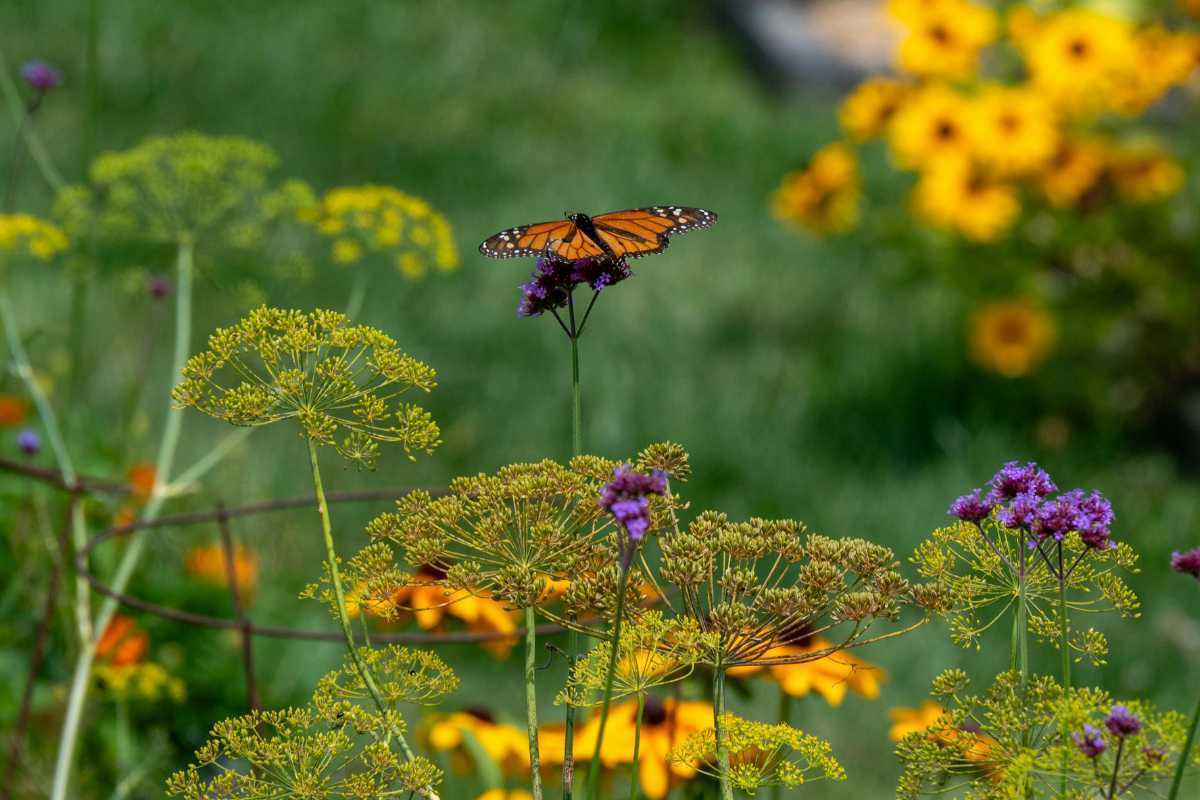
Adults sip nectar, but caterpillars need specific leaves. Parsley, dill, and fennel host swallowtails; milkweeds host monarchs; violets help fritillaries; willows and poplars support multiple species. Plant host patches near nectar beds so emerging adults can refuel immediately.
Expect some chewing—this is success, not failure. Space plants to handle browsing, and interplant extra host species so your display stays full while caterpillars feed.
Nectar Calendar For Season-Long Color
Build a bloom relay: early (ajuga, dianthus), mid (lavender, coneflower, bee balm), late (asters, goldenrod). This continuous buffet keeps visitors returning and supports multiple generations through the year.
In containers, refresh tired annuals mid-summer and top-dress with compost to keep flowers coming. Deadhead regularly for repeat blooms.
Water, Warmth & Shelter

Provide a “puddling” station: a shallow saucer filled with damp sand and a pinch of sea salt or wood ash. Butterflies sip minerals for reproduction and flight.
Flat sun-warmed stones give basking spots on cool mornings. Low hedges or shrub backdrops break wind and create calm feeding corridors throughout your garden.
Pesticide-Free Practices
Pesticides—especially systemic types—harm larvae and adults. Hand-pick pests, blast aphids with water, and attract beneficial insects with umbels (dill, yarrow, alyssum). Healthy soil and good airflow reduce disease naturally.
Mow less, leave a small brush pile in a discreet corner, and keep a few leaf piles over winter to shelter chrysalises. These simple habits multiply spring sightings.
Butterfly Garden Ideas (Design That Works)

Color blocks help butterflies find targets fast: plant purple salvia with orange zinnias for high contrast. Curve beds around patios so visitors can watch close-up flights without stepping into plantings—smart, photo-friendly Butterfly Garden Ideas.
Small space? Use layered containers: tall thriller (salvia), mid filler (lantana), trailing spiller (verbena). This approach lets you Attract Butterflies To Garden balconies or tiny courtyards.
How To Attract Butterflies (And Keep Them)
Fragrance and color draw adults; warmth and calm make them stay. Place nectar clusters at elbow height, add a few stepping-stone perches, and keep puddling stations topped up.
If you’re searching for “How To Attract Butterflies To Garden” ideas, start by increasing sunny edges, adding host patches, and grouping blooms by species. Consistency—not perfection—wins.
Plant List Starter (Adapt To Your Region)
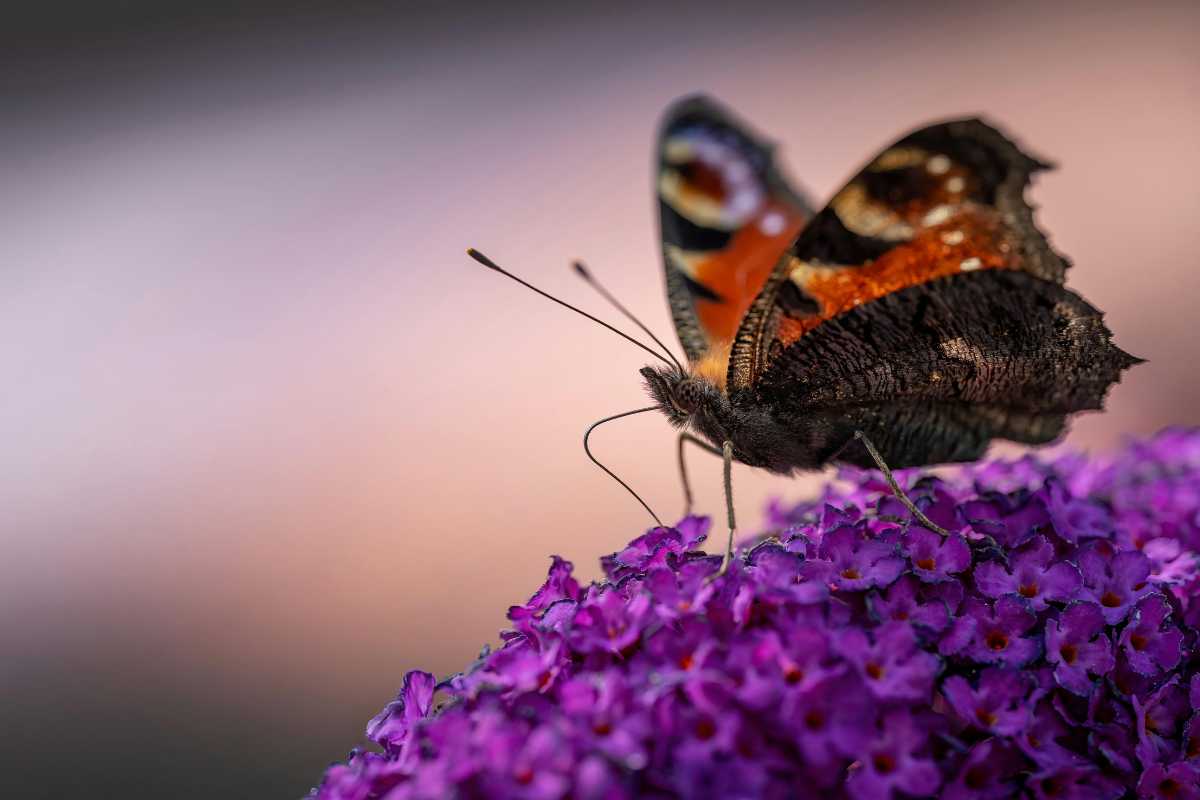
Sunny nectar stars: coneflower, black-eyed Susan, lantana, verbena, salvia, zinnia, cosmos. Mix annuals for nonstop color with perennials for long-term structure.
Host anchors: milkweeds (monarchs), parsley/dill/fennel (swallowtails), violets (fritillaries), passionflower (gulf fritillary), spicebush (spicebush swallowtail). Choose natives whenever possible for the most reliable results.
Spring Garden With Butterflies
In early spring, sunlight is slanted and nights are cool. Warm stones and south-facing walls kick off activity. Add early nectar (dianthus, alyssum) and keep puddling trays clean to set the tone for a vibrant Spring Garden With Butterflies.
Resist the urge to over-tidy: leave some hollow stems and leaf litter until consistent warmth returns—hidden chrysalises may still be developing.
Maintenance That Matters

Deadhead weekly, refresh annuals midseason, and top-dress beds with compost in spring. Water deeply but less often to encourage resilient roots in both nectar and host plants.
Track what visits: a simple notebook or phone notes help you learn which combinations perform best, guiding future plant swaps and bed expansions.
Common Pitfalls (And Fixes)
No butterflies yet? Increase sun exposure, expand bloom clusters, and add more host plants. Many species are seasonal—patience plus nectar continuity pays off.
Plants chewed? That’s the life cycle at work. Plant extras or rotate host patches so ornamental impact remains while larvae feed.
Bring It All Together

Build layers of nectar, add host plants, provide water and warmth, and skip pesticides. That’s the core of how to make a butterfly garden that truly buzzes with life.
Want more pollinator-friendly layouts, plant lists, and seasonal checklists? Explore our guides and start crafting Butterfly Gardens that are beautiful, resilient, and alive with color.
More Gardening Tips 👇🏼👇🏼