
How to Make Your Garden Attract Hummingbirds


Few sights are as magical as a hummingbird hovering gracefully among your flowers.
These tiny, fast-moving birds are not only beautiful but also valuable pollinators that can bring life and motion to any outdoor space.
If you’ve ever wondered how to make your garden attract hummingbirds, the secret lies in combining the right plants, food sources, and environment.
Choose the Right Flowers for Hummingbirds

The best way to draw hummingbirds is by offering the blooms they love most.
These birds are naturally attracted to bright, tubular flowers that make it easy for them to reach the nectar inside.
Red, orange, and pink shades are especially appealing to them.
Try planting salvia, trumpet vine, bee balm, coral honeysuckle, and fuchsia—all rich in nectar and perfect for a hummingbird-friendly garden.
Group similar flowers together in patches to make it easier for them to find and feed from multiple blossoms at once.
Provide Clean, Fresh Nectar Feeders

In addition to flowers, you can place hummingbird feeders around your garden to supplement their food supply.
Use a simple mixture of one part sugar to four parts water, and avoid any artificial coloring.
Position feeders near bright flowers or shady spots where hummingbirds naturally visit.
Most importantly, clean feeders every few days, especially during hot weather, to prevent mold and bacteria that can harm the birds.
Create a Resting and Hiding Spot

Even the fastest birds need to rest. Adding a few small perches, shrubs, or thin tree branches provides safe spaces for hummingbirds to pause between feedings.
Native plants and low-maintenance bushes not only give them a place to perch but also attract the insects they occasionally eat for protein.
If possible, include a few taller plants or trees nearby so they can observe the garden while feeling protected.
Offer a Water Source

Hummingbirds enjoy more than just nectar—they love to bathe and play in moving water.
A shallow birdbath with a gentle mister or fountain is ideal. They prefer fine sprays or dripping water rather than deep pools.
Keeping the water fresh will also invite other pollinators and birds, making your garden feel even more alive.
Avoid Harmful Chemicals
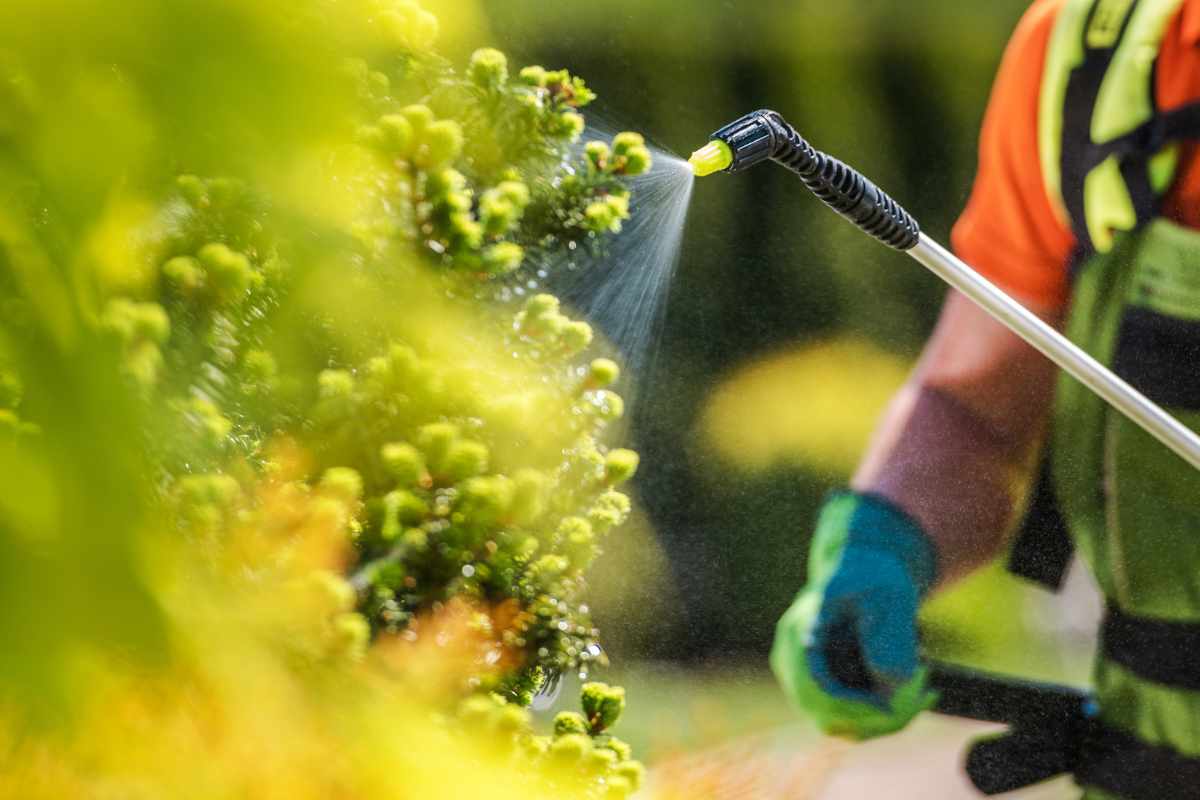
To maintain a haven for hummingbirds, skip the use of pesticides or herbicides.
These chemicals can harm not only the birds but also the beneficial insects that support your garden’s health.
Opt for natural pest control methods and encourage biodiversity instead.
Plan for Every Season

If you live in a region where hummingbirds migrate, plant a variety of flowers that bloom at different times of the year.
Early-blooming plants provide energy during spring migration, while late-season flowers help sustain them before they head south.
Keeping your feeders stocked during migration periods ensures that your garden remains a reliable stop along their journey.
Make Your Garden Irresistible to Hummingbirds
By combining colorful blooms, clean nectar feeders, water features, and safe resting areas, you’ll create a space that hummingbirds can’t resist.
The more welcoming your garden feels, the more likely these little visitors will return year after year.
With a bit of care and creativity, your outdoor space can become a vibrant haven buzzing with life, movement, and the gentle hum of tiny wings.
Enjoy This Video Tutorial

Source: Volunteer Gardener
Don’t forget to Subscribe to our Newsletter to receive amazing tips and tricks about Gardening and the FREE Ebook Green Living Strategies!
Did you find this post Useful or Inspiring? Save THIS PIN to your GARDENING Board on Pinterest! 😊

Once again, thank you for visiting our website!
We hope you've enjoyed exploring the content we've created for you.
Give yourself the chance to learn, get inspired, and have even more fun, keep browsing...
More Gardening Tips 👇🏼👇🏼