
How to Overwintering Plants? - for BEGINNERS

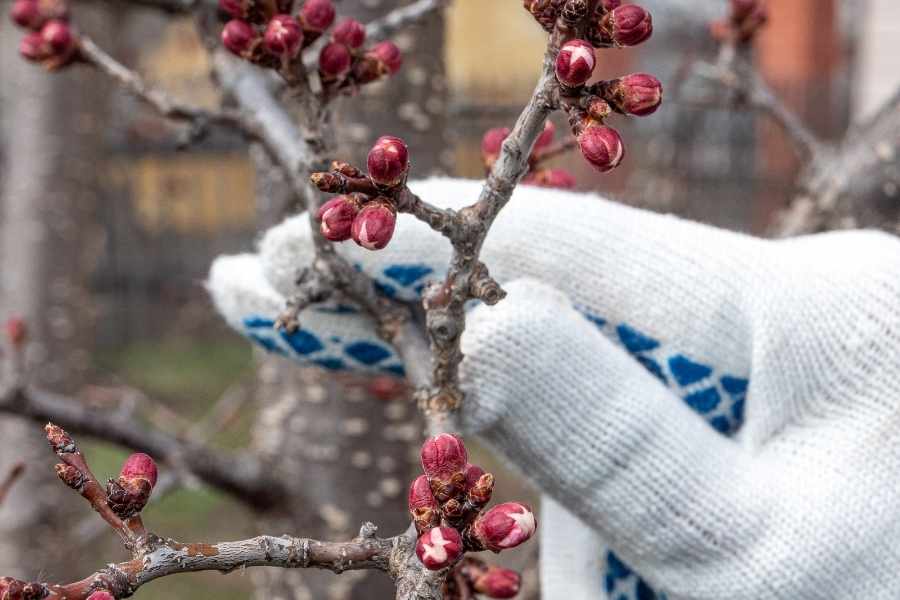
Overwintering plants is the practice of safeguarding your beloved greenery through the harsh winter months, ensuring that your garden remains a source of beauty and tranquility year-round.
It's a process that varies depending on the type of plant and the climate you call home, and it's a crucial skill for gardeners seeking to nurture their botanical companions through the colder, more challenging season.
Here, we'll delve into the different methods to help your plants not only survive but flourish during the cold season.
Overwintering Plants Outdoors
Some plants are resilient enough to weather the winter outdoors, even in colder regions. These hardy plants undergo dormancy during the winter, with leaves turning brown and falling off.
To ensure their survival, consider these steps:
- Mulching: Surround your plants with a generous layer of straw, leaves, or organic matter. This acts as a natural insulator, protecting the roots from the cold.
- Wrapping: Young trees and shrubs benefit from being wrapped in burlap or similar protective materials. This prevents bark from cracking and splitting in the cold.
- Deep Watering: Water your plants deeply before the first hard frost. This helps the roots store water, crucial for their winter survival.

Overwintering Plants Indoors
For some plants, especially those in frigid climates, indoor overwintering is a must. Follow these steps to keep them healthy:
- Choose the Right Spot: Select a cool and bright location indoors, away from direct sunlight and drafts. Avoid placing plants near heating vents.
- Proper Watering: Water your indoor plants regularly, but don't overdo it. Keep the soil moist but not soggy.
- Balanced Fertilization: Every few weeks, fertilize your indoor plants with a balanced fertilizer to sustain their nutrient needs.
- Pest Patrol: Regularly inspect your indoor plants for pests and diseases, as a controlled indoor environment can attract unwelcome guests.

Overwintering Tender Plants
Tender plants are particularly vulnerable to cold weather. They often require the shelter of a greenhouse or a similarly controlled environment. Here's how to care for them:
- Ideal Setting: Choose a warm and well-lit location that mirrors their usual growing conditions.
- Water Management: Keep the soil consistently moist but not waterlogged, and provide periodic fertilization to support growth.
- Temperature and Humidity: Vigilantly monitor the environment's temperature and humidity. Make adjustments as necessary to mimic their preferred conditions.
Overwintering Bulbs, Corms, and Tubers
Bulbs, corms, and tubers, like tulips and dahlias, can be overwintered in storage. Here's a guide for preserving them:
- Harvest Carefully: Once the foliage has withered, dig up the bulbs, corms, or tubers.
- Prepare for Storage: Remove dead foliage and gently clean the bulbs. Store them in a paper bag or mesh basket.
- Storage Space: Find a cool, dry place to keep them until the next planting season. Regularly check for signs of rot or pests.

General Tips for Overwintering Plants
- Begin the overwintering process before the first hard frost arrives.
- Opt for a cool, well-lit indoor location, avoiding direct sunlight.
- Keep a consistent but not excessive watering routine.
- Fertilize with a balanced formula every few weeks.
- Maintain a watchful eye for pests and diseases.
- If storing bulbs, corms, or tubers, store them in a cool, dry place.
With these nurturing practices, your plants can weather the winter and return to thrive in the spring, keeping your green oasis flourishing year-round.
We hope you enjoy this video about How to Overwinter Plants
Source: Gardenanswer
Did you find this post Useful or Inspiring? Save THIS PIN to your GARDENING Board on Pinterest!

Once again, thank you for visiting our website!
We hope you've enjoyed exploring the content we've created for you.
Give yourself the chance to learn, get inspired, and have even more fun, keep browsing...
More Gardening Tips 👇🏼👇🏼