
How to Plant Beautiful Peonies in Your Garden


Few flowers can match the timeless charm of peonies.
With their lush petals and sweet fragrance, these perennials can turn any garden into a romantic scene.
Learning how to plant peonies the right way ensures they’ll reward you with stunning blooms for decades—sometimes even a century!
Choosing the Right Peony Variety

Before you start planting, decide which type of peony suits your garden best.
There are three main groups: herbaceous, tree, and intersectional (Itoh) peonies.
Herbaceous peonies die back in winter and return each spring, making them ideal for most climates.
Tree peonies grow woody stems and offer large, early blooms.
Itoh peonies combine the best of both—long-lasting flowers with sturdy stems that don’t need staking.
Choose based on your region, available sunlight, and the overall look you want to achieve.
When and Where to Plant Peonies
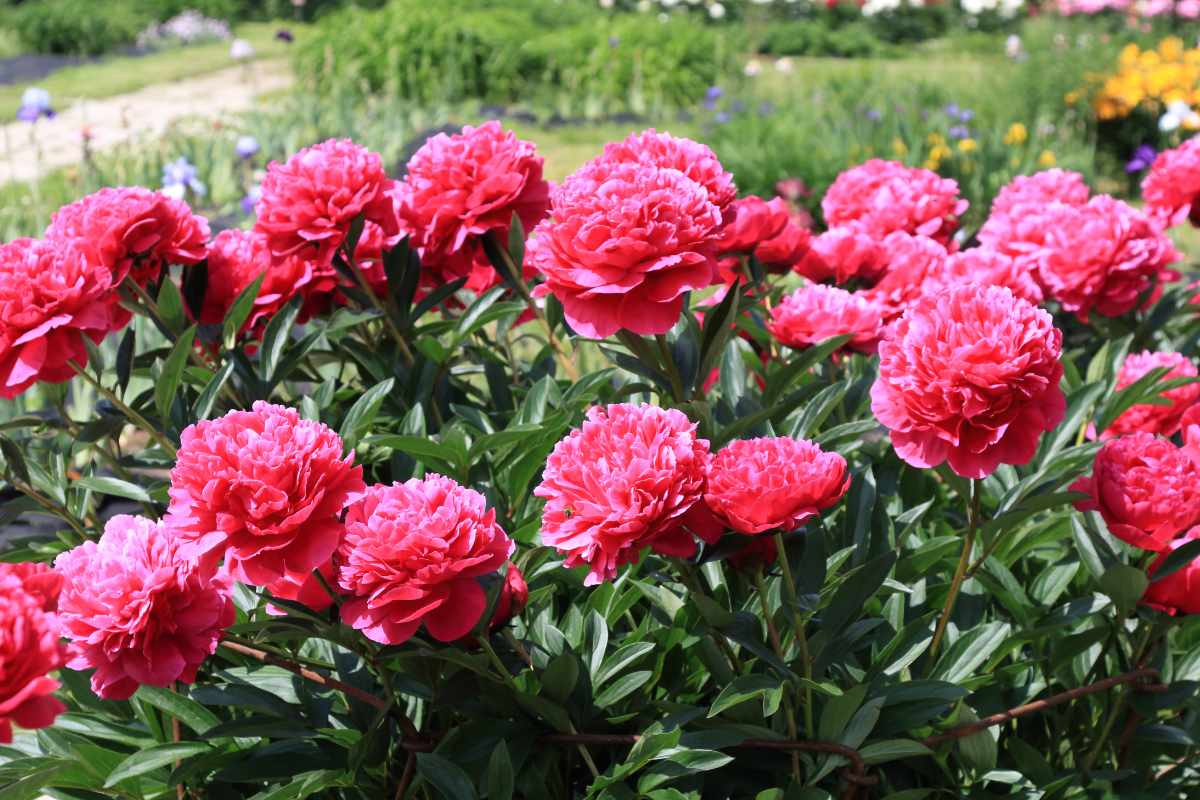
Timing and location are key to success. Fall is the best time to plant peonies, giving them enough time to establish roots before winter.
Pick a sunny spot where your peonies can receive at least 6 hours of direct light daily. Although they tolerate light shade, full sun encourages stronger stems and more abundant blooms.
Ensure the area has well-drained soil, as peonies dislike soggy roots. Slightly acidic to neutral soil (pH 6.5–7) is ideal.
Preparing the Soil
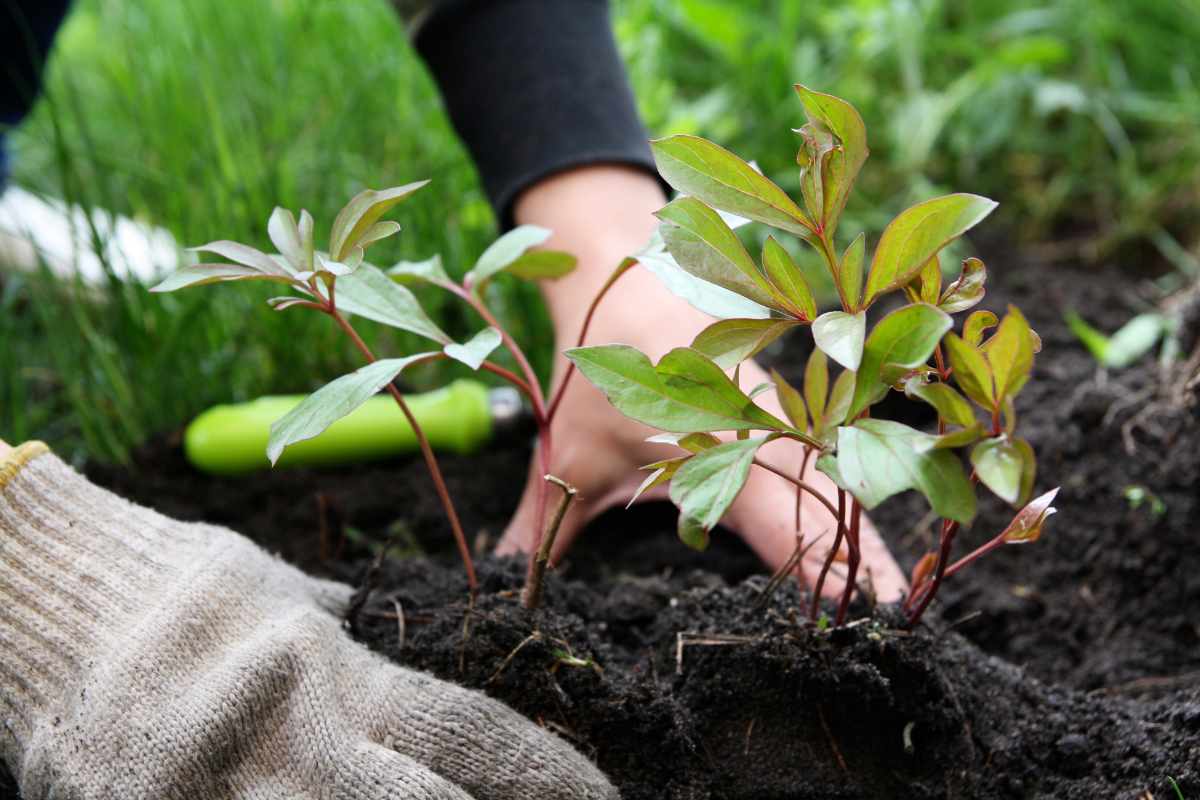
Good preparation sets the foundation for years of healthy growth. Loosen the soil to about 12–18 inches deep and mix in organic matter such as compost or aged manure.
This improves both fertility and drainage.
If your soil is heavy clay, amend it with coarse sand or peat moss to help roots breathe. A bit of bone meal or a balanced slow-release fertilizer can also give your peonies a strong start.
How to Plant Peonies Correctly

When planting bare-root peonies, position the eyes (buds) no more than 2 inches below the soil surface. Planting too deeply is one of the most common reasons peonies don’t bloom.
Space each plant about 3 feet apart to allow proper air circulation.
After planting, water thoroughly to settle the soil around the roots. Once the ground freezes, you can add a light layer of mulch to protect them through winter.
Caring for Peonies Through the Seasons
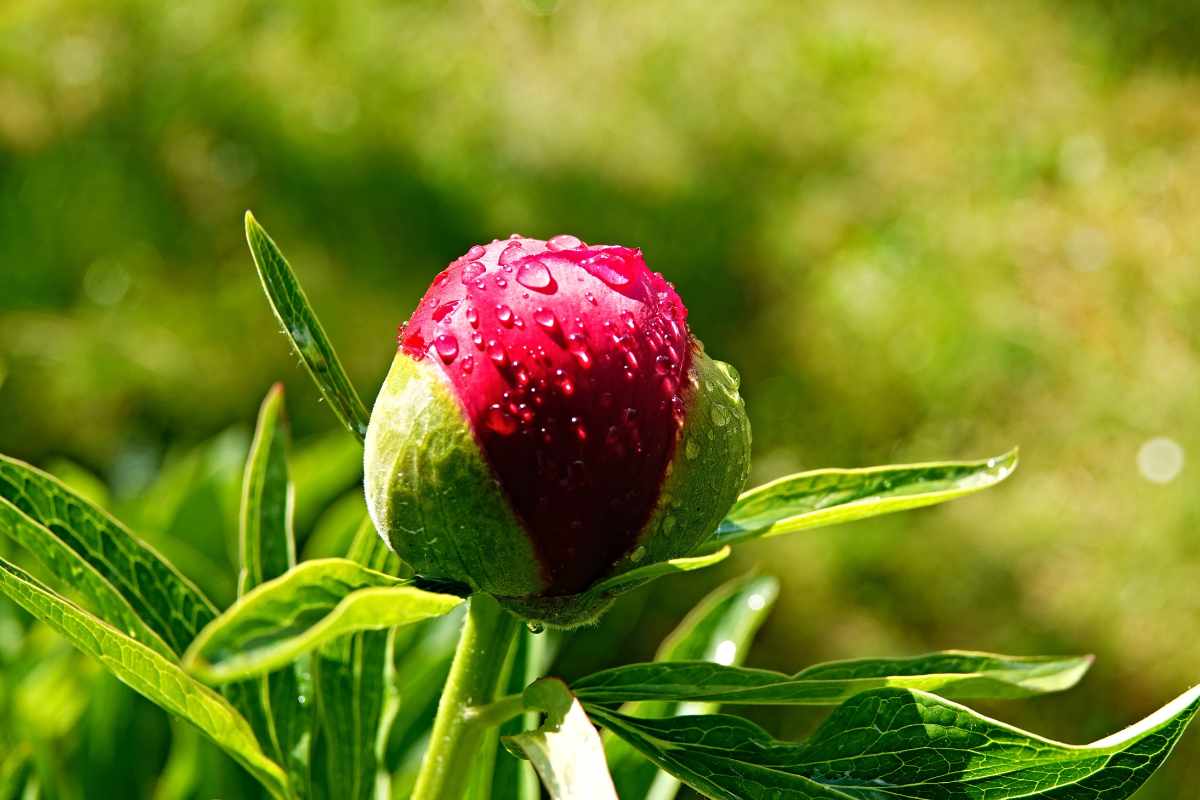
Once established, peonies are low-maintenance. In spring, remove mulch and let the new shoots emerge.
During the growing season, water deeply but infrequently—once a week is enough unless the weather is very hot.
Support taller varieties with stakes or cages to keep heavy blooms upright.
After flowering, deadhead spent blossoms but leave the foliage intact so the plant can store energy for next year.
In the fall, cut back the stems of herbaceous types to ground level to prevent disease. Tree peonies should only have dead wood trimmed.
Common Problems and How to Prevent Them
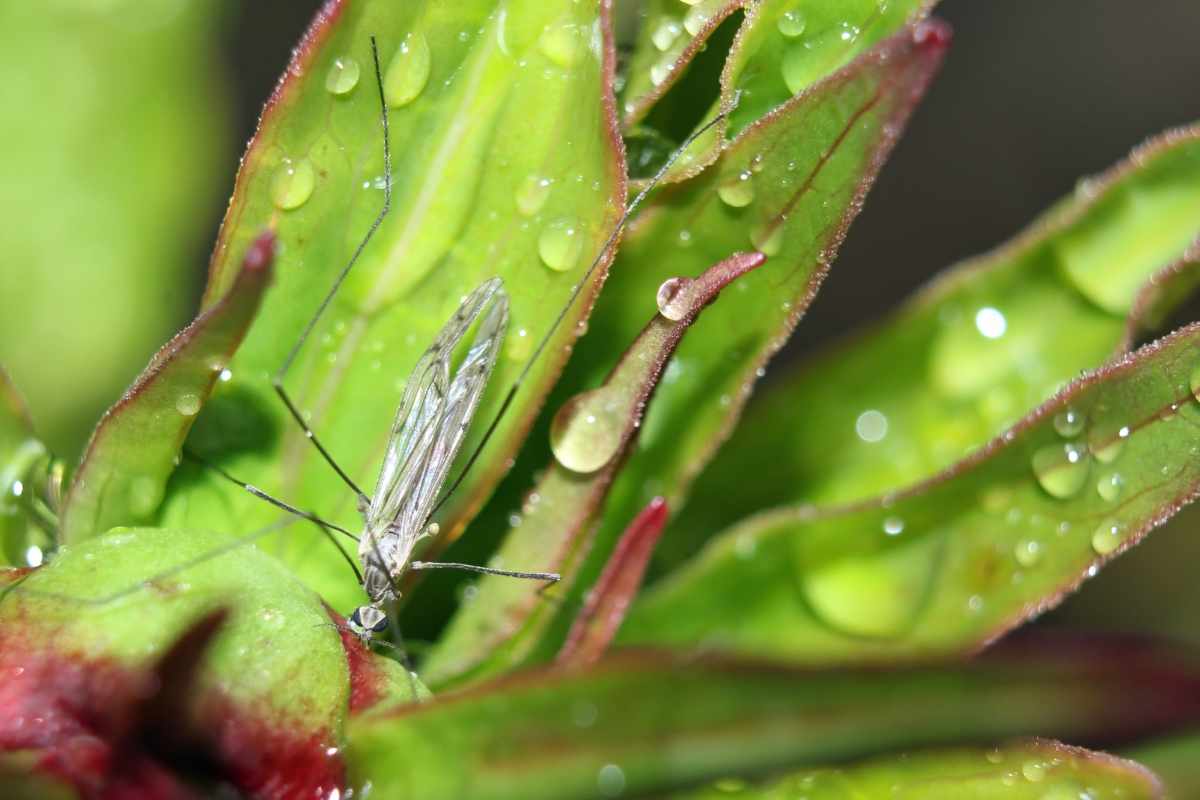
Peonies are hardy, but a few issues can appear:
Botrytis blight causes blackened buds or stems. Remove affected parts immediately and improve air flow.
Powdery mildew can show up in humid weather—treat with neem oil or a mild fungicide.
Avoid overwatering, as excessive moisture encourages root rot.
Keep the area around the plants clean and free of debris to reduce risks.
Design Tips for Using Peonies in the Garden
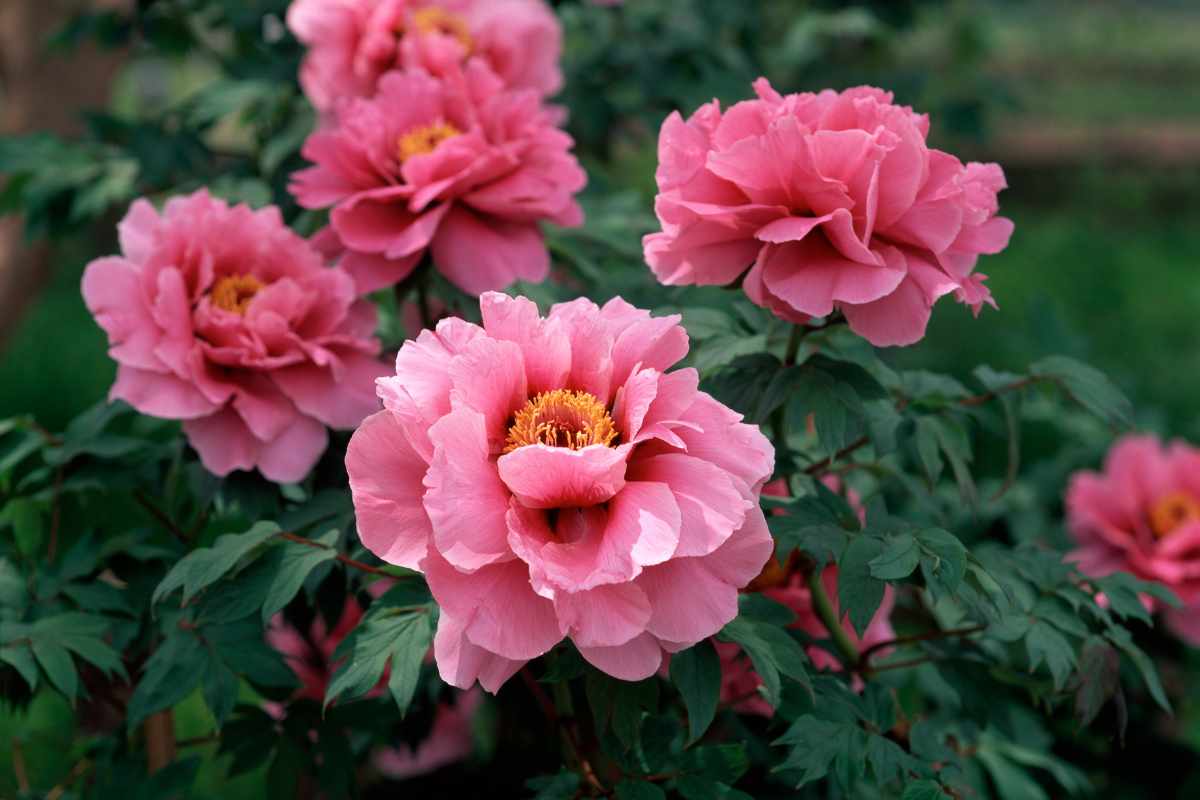
Peonies look spectacular in both borders and mixed flower beds. Pair them with irises, salvia, or catmint for contrasting textures.
Their large blooms also make them excellent companions for roses.
If you enjoy cut flowers, peonies are a favorite for bouquets—harvest them when the buds are just starting to open for longer vase life.
Long-Term Rewards of Growing Peonies
Once you plant peonies, patience is key. They may take up to three years to reach full bloom, but the wait is worth it.
These plants can thrive for generations with minimal care, rewarding you every spring with breathtaking flowers and a sense of continuity in your garden.
Enjoy This Video Tutorial

Source: Garden Answer
Don’t forget to Subscribe to our Newsletter to receive amazing tips and tricks about Gardening and the FREE Ebook Green Living Strategies!
Did you find this post Useful or Inspiring? Save THIS PIN to your GARDENING Board on Pinterest! 😊

Once again, thank you for visiting our website!
We hope you've enjoyed exploring the content we've created for you.
Give yourself the chance to learn, get inspired, and have even more fun, keep browsing...
More Gardening Tips 👇🏼👇🏼