
How to Rid Your Garden of Earwigs


Earwigs (Forficula auricularia) are nocturnal insects attracted to dark, damp environments.
While they can be beneficial by feeding on pests like aphids and mites, large populations can damage young plants, flowers, and fruits.
If you notice your garden being affected, it’s time to take action.
How to Identify Earwigs
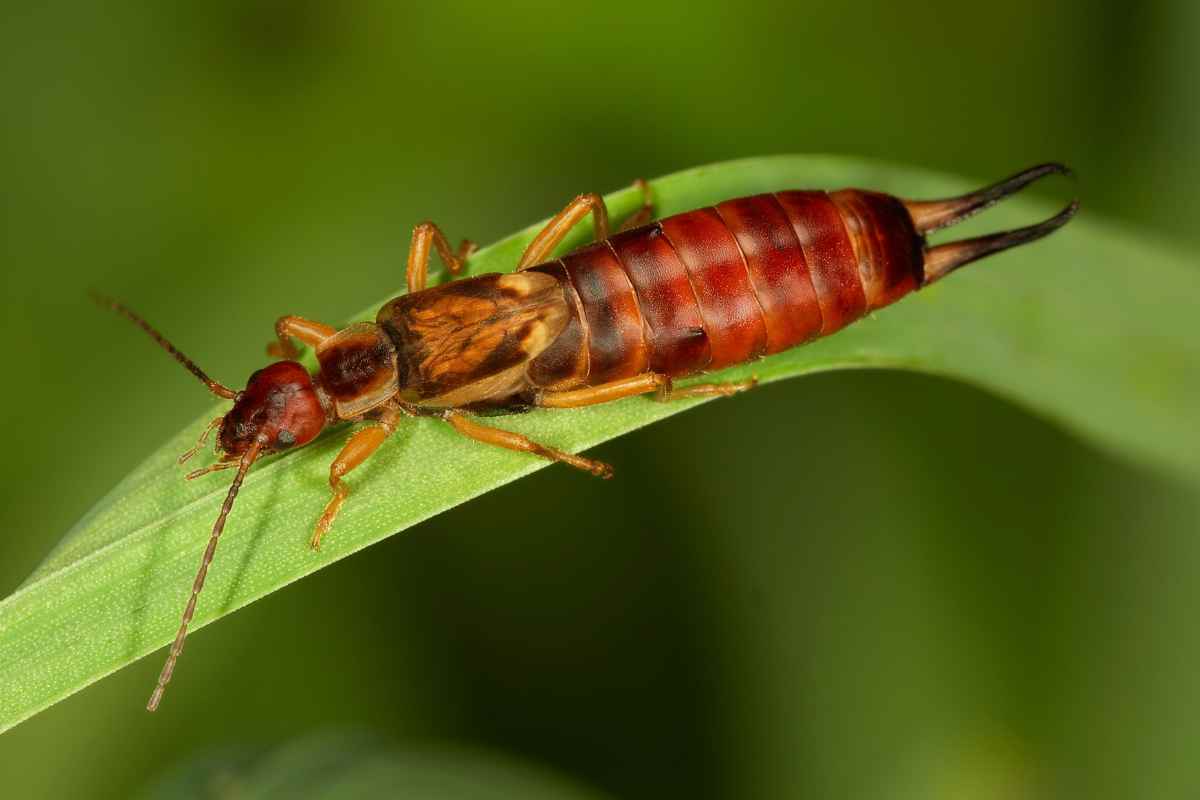
Earwigs have elongated, reddish-brown bodies with pincers at the end of their abdomen.
They range in length from 1.5 to 2.5 cm and are most active at night.
During the day, they hide under rocks, fallen leaves, or inside flower pots.
Effective Methods for Controlling Earwigs
1. Homemade Traps
Damp Newspaper Trap: Roll up a wet newspaper and place it on the soil overnight. By morning, earwigs will have taken shelter inside, and you can dispose of them easily.
Oil and Soy Sauce Trap: Fill a small can with vegetable oil and add a few drops of soy sauce. Place it near affected plants. Earwigs are attracted to the scent and will get trapped in the oil.
2. Physical Barriers

Diatomaceous Earth: Apply a thin layer around your plants. This fine powder damages the exoskeleton of earwigs, dehydrating and eliminating them. Reapply after rain or watering.
Petroleum Jelly: Apply a thin layer around plant stems. Earwigs cannot cross this sticky barrier, protecting your crops.
3. Chemical Control (Use as a Last Resort)
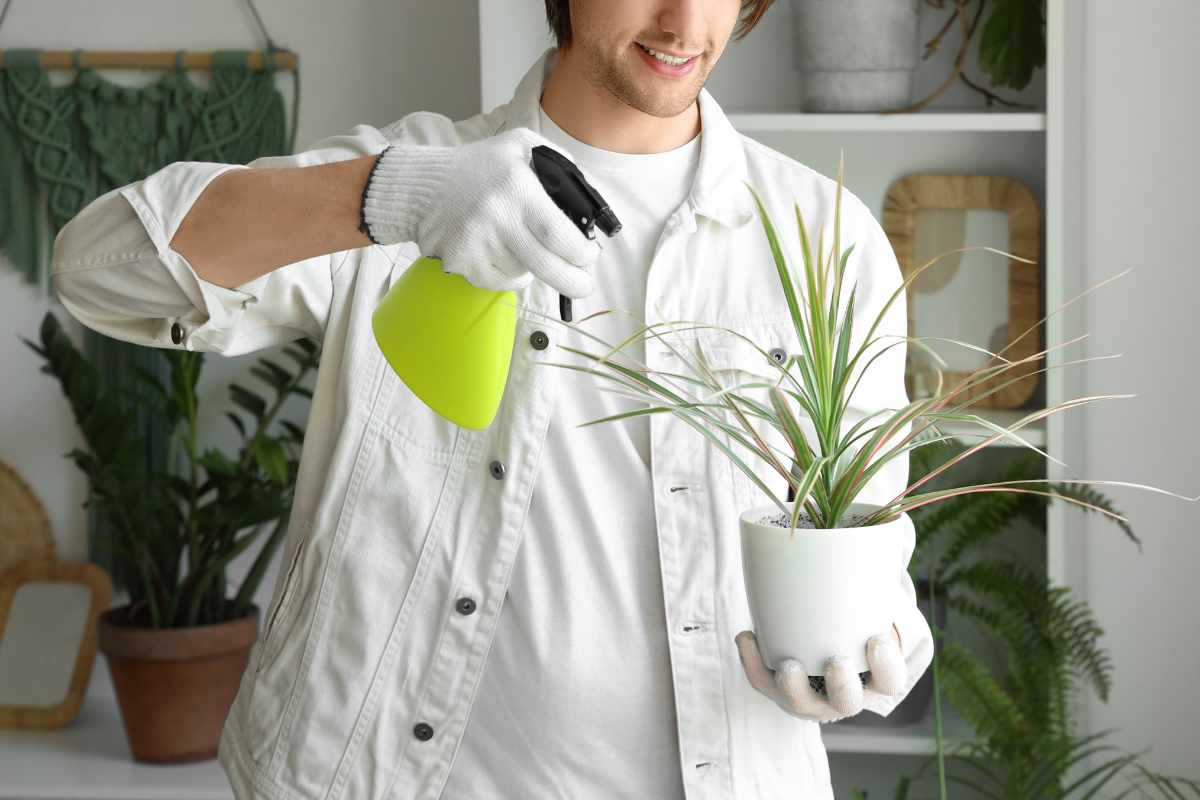
Isopropyl Alcohol (70%): Mix equal parts alcohol and water. Spray directly on earwigs to kill them instantly. Test on a small area of the plant first to avoid damage.
Insecticidal Soap: A solution of water and mild liquid soap can eliminate earwigs on contact. Use a gentle soap to avoid harming plants.
Prevention and Garden Maintenance
Remove Hiding Places: Clear fallen leaves, dead branches, and garden debris where earwigs can shelter. This reduces their breeding areas.
Proper Watering: Avoid overwatering, which creates damp zones where earwigs thrive. Water in the morning so the soil dries during the day.
Weed Control: Keep the garden free of weeds that provide shelter. Regular pruning also helps reduce shaded, damp areas.
Conclusion
Earwigs can be both allies and pests in your garden.
While they help control other insects, large populations can be harmful.
By applying the strategies outlined above, you can maintain a balanced garden ecosystem and protect your plants naturally.
Don’t forget to Subscribe to our Newsletter to receive amazing tips and tricks about Gardening and the FREE Ebook Green Living Strategies!
Did you find this post Useful or Inspiring? Save THIS PIN to your GARDENING Board on Pinterest! 😊
Once again, thank you for visiting our website!
We hope you've enjoyed exploring the content we've created for you.
Give yourself the chance to learn, get inspired, and have even more fun, keep browsing...
More Gardening Tips 👇🏼👇🏼