
How to Use Mycorrhizal Fungi to Boost Your Plant’s Health

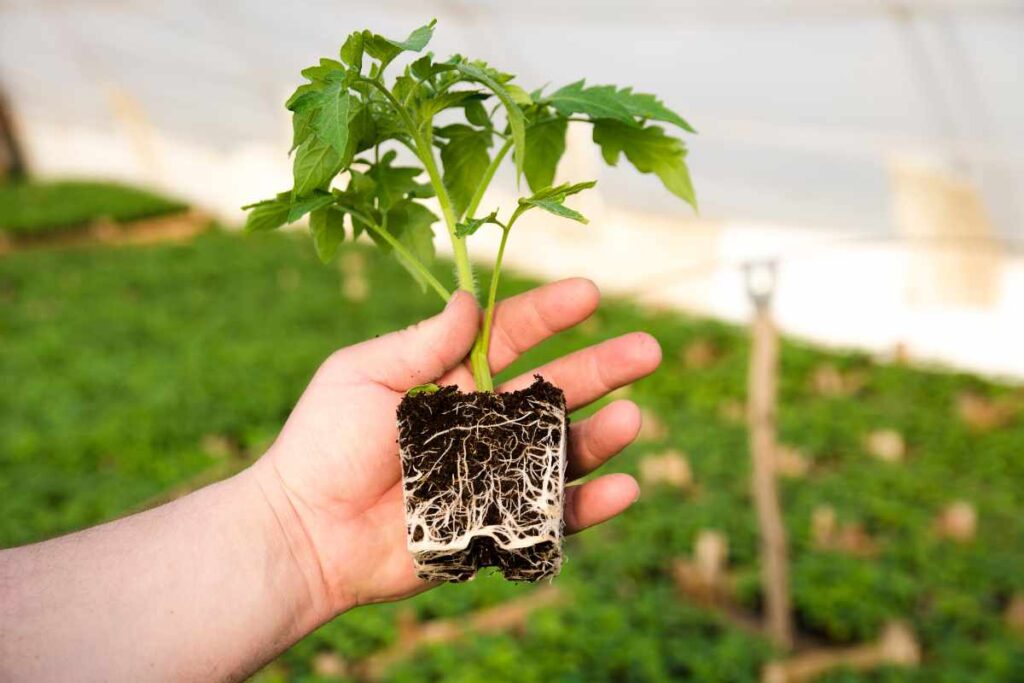
Healthy soil is the foundation of every thriving garden, and one of nature’s most powerful tools for achieving it is mycorrhizal fungi.
These microscopic organisms form a symbiotic relationship with plant roots, helping them absorb nutrients and water more efficiently.
Whether you’re growing vegetables, flowers, or trees, learning how to use them can transform the way your garden grows.
Understanding the Role of Mycorrhizal Fungi
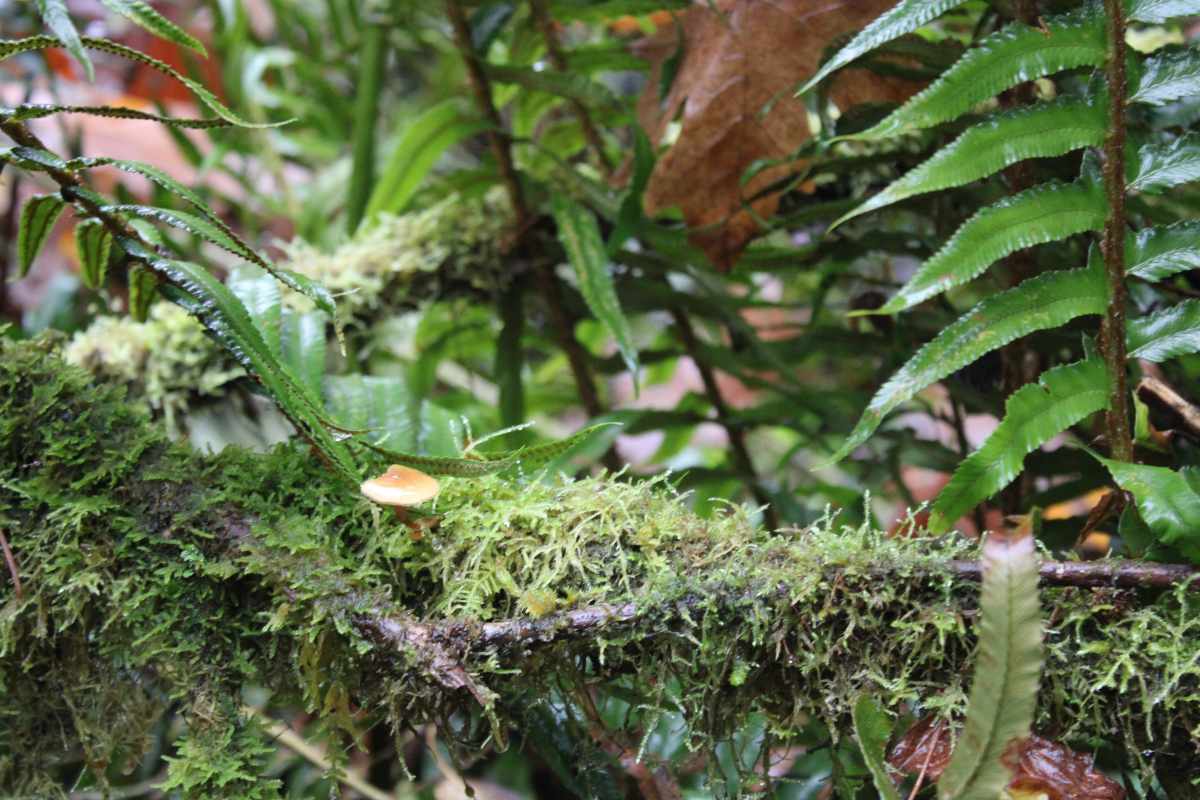
Mycorrhizal fungi attach to plant roots, extending their reach deep into the soil through a network of tiny filaments called hyphae.
This connection acts as an extension of the root system, allowing plants to draw in phosphorus, nitrogen, and trace minerals that would otherwise remain out of reach.
In return, the fungi receive carbohydrates from the plant — a perfect exchange that strengthens both partners.
When these fungi are present, plants become more resilient to drought, disease, and environmental stress.
You’ll often notice faster growth, richer blooms, and improved yields, even with less fertilizer or watering.
Applying Mycorrhizal Fungi Correctly
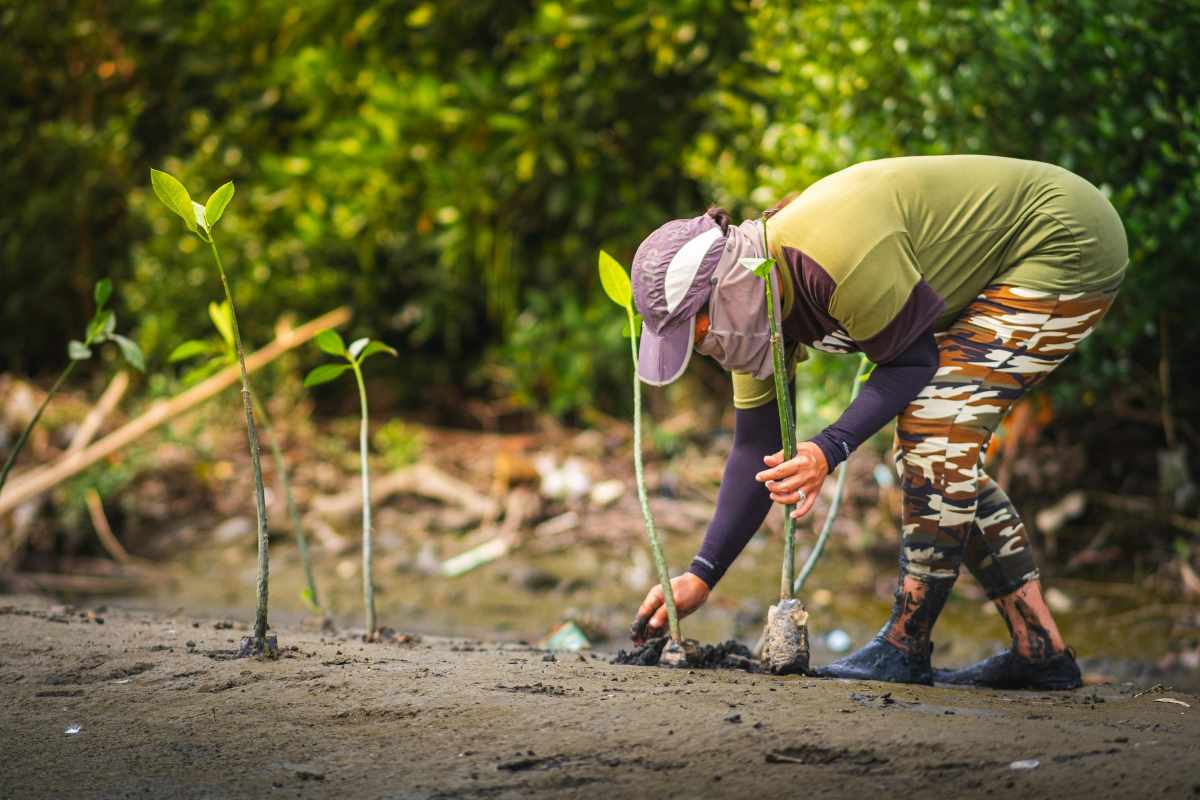
To get the best results, make sure the fungi come into direct contact with plant roots.
Follow these simple steps:
Apply at the root level: Place the fungi directly on the roots of seedlings or mix them into the soil where new plants will grow.
Use powdered or granular forms: Sprinkle the product on roots before planting or work it gently into the soil around established plants.
Treat larger areas easily: For lawns or garden beds, blend it into the top few inches of soil or dissolve it in water for a simple, even application.
Limit chemical fertilizers: Avoid excessive use of synthetic fertilizers after inoculation, as they can interfere with fungal development.
Choose organic options: Use compost or natural soil amendments to support the fungi and maintain a healthy soil ecosystem.
When and Where to Use Them
1. During Planting or Transplanting
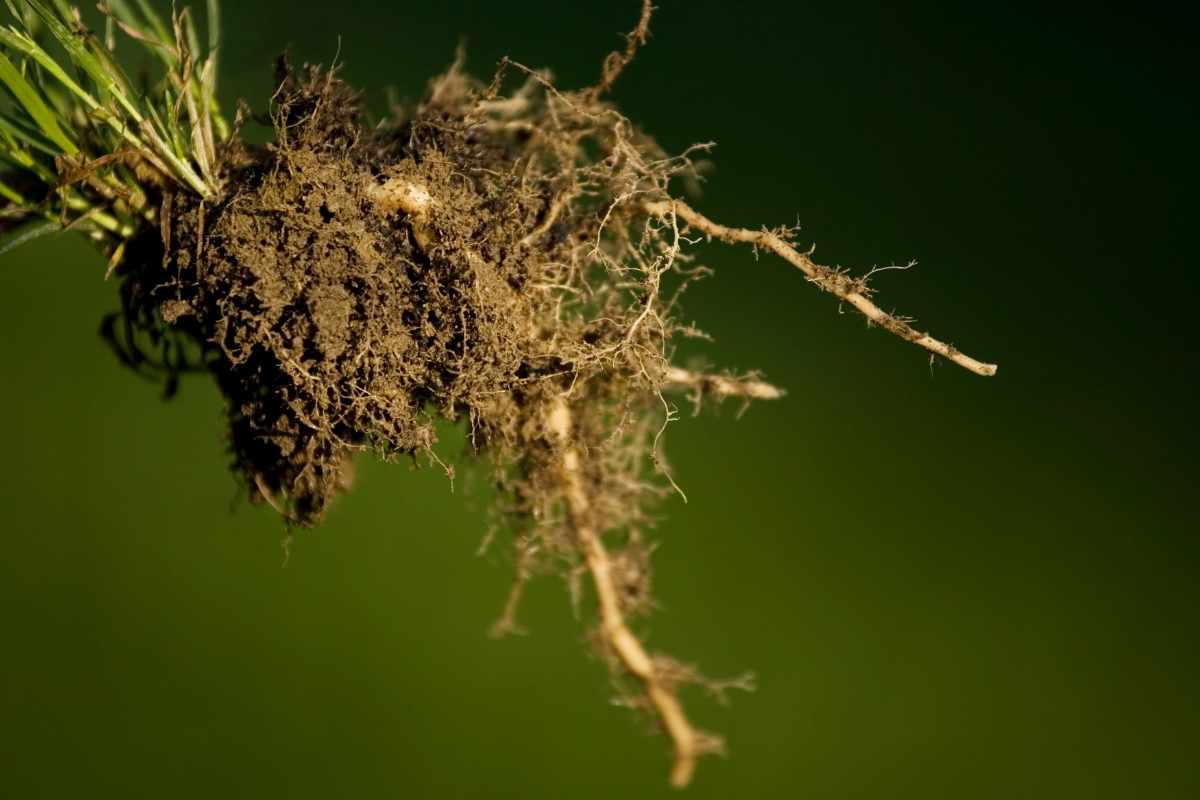
Mycorrhizal fungi work best when introduced at the root level during planting or transplanting.
This ensures the fungi can immediately connect with the plant roots and begin forming their beneficial network.
2. In Different Garden Types
You can use them in vegetable gardens, flower beds, trees, and even indoor plants.
Each will benefit from stronger root systems and improved nutrient absorption, making them more resilient over time.
3. In Poor or Sandy Soils
These fungi are especially valuable in light or nutrient-deficient soils.
They help retain moisture, stabilize nutrients, and improve overall soil structure — all key factors for healthier plant growth.
Plants That Benefit the Most
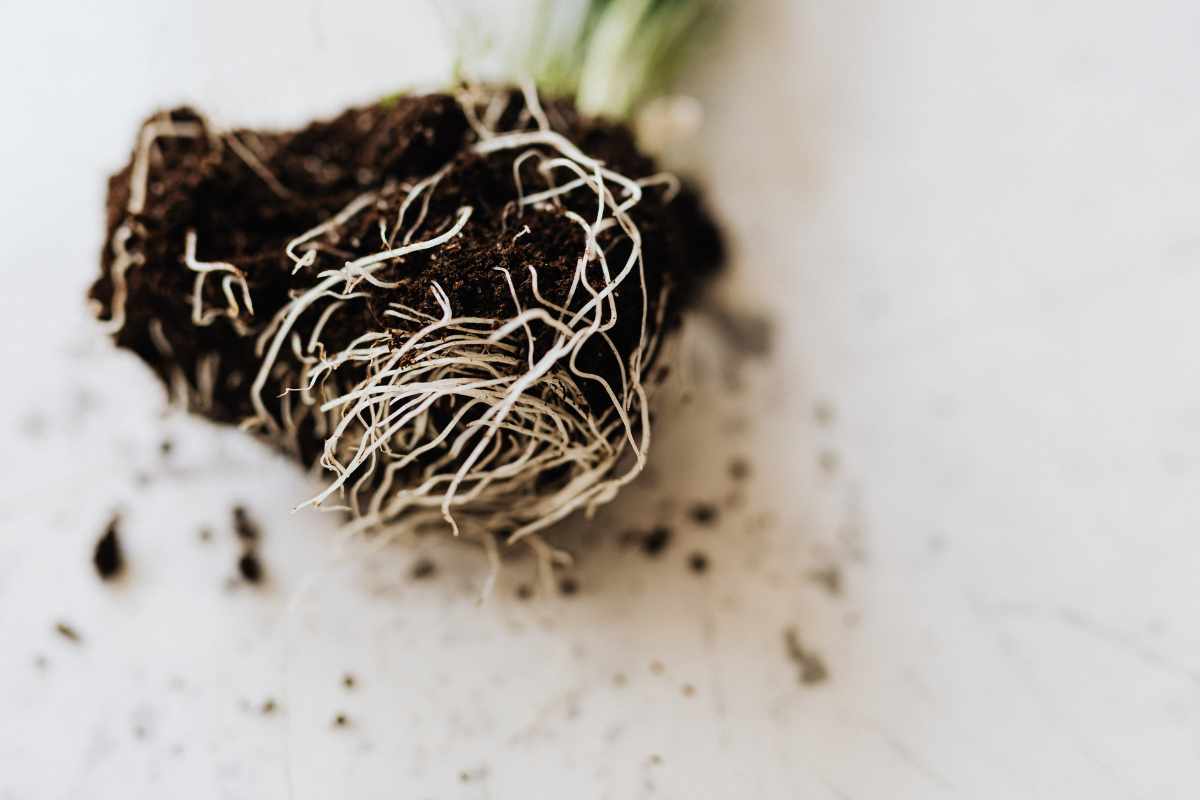
Most flowering and edible species form a strong partnership with mycorrhizal fungi, creating a healthier and more productive root environment.
These include vegetables like tomatoes, peppers, onions, and carrots, as well as ornamentals such as roses and lavender.
Trees and shrubs also respond well, developing stronger root systems and better drought resistance.
Exceptions to the Rule
Not all plants form this beneficial relationship. Brassicas — including cabbage, broccoli, cauliflower, and mustard — typically don’t associate with mycorrhizal fungi.
Knowing this helps avoid wasting product on plants that won’t benefit from it.
A Sustainable Path to Stronger Growth
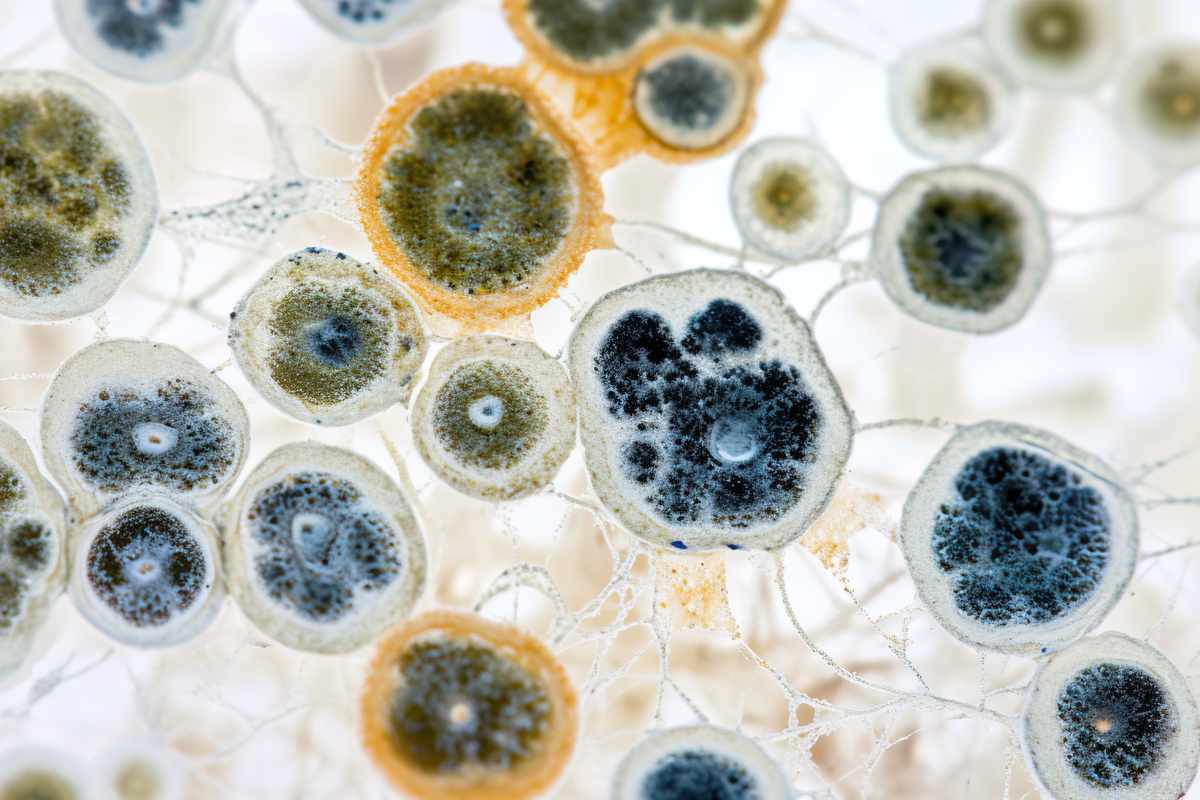
Using mycorrhizal fungi is a simple yet powerful step toward more sustainable gardening.
They reduce the need for synthetic fertilizers, improve soil health, and promote long-term productivity.
Once established, the fungal network continues to support your plants for years, quietly maintaining balance beneath the surface.
Gardening with mycorrhizae isn’t just about bigger harvests or prettier flowers — it’s about working with nature, not against it.
By nurturing the life in your soil, you create a garden that thrives naturally, season after season.
Did you find this post useful or inspiring? Save THIS PIN to your GARDEN Board on Pinterest!
More Gardening Tips 👇🏼👇🏼