
7 Mistakes to Avoid When Growing Mushrooms at Home

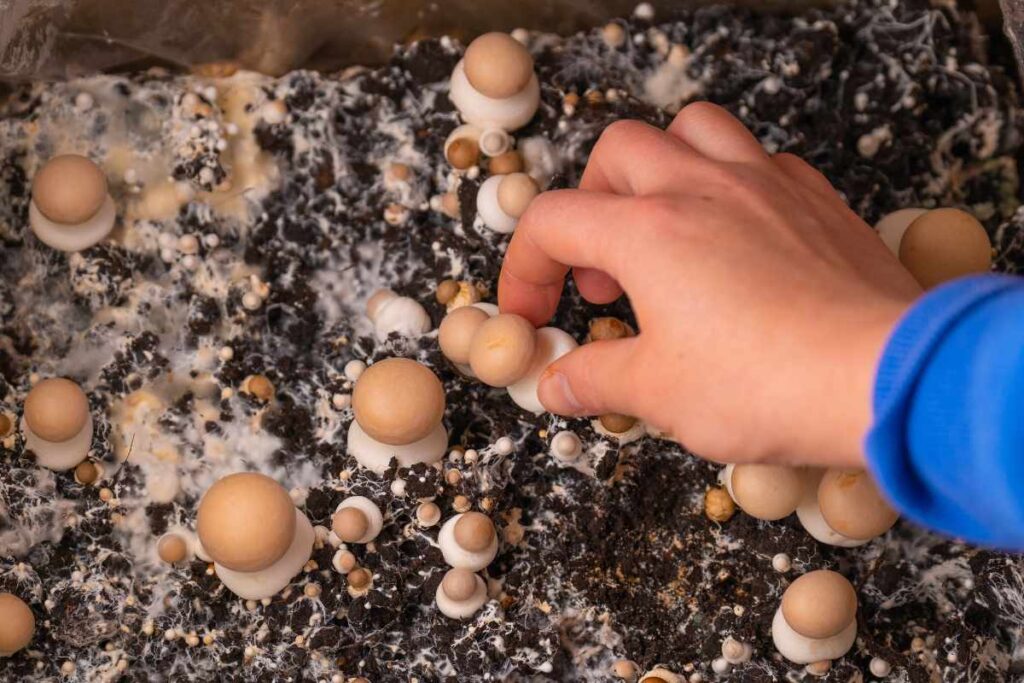
Growing mushrooms at home is incredibly rewarding—but it’s also a little different from “regular” gardening. Mushrooms don’t want sunshine and potting soil; they want the right humidity, fresh air, and cleanliness.
The good news: most beginner failures come down to a handful of fixable mistakes. In this guide, you’ll learn the most common mushroom growing pitfalls and exactly how to avoid them for better flushes and more reliable harvests.
1) Mistake: Starting With the Wrong Setup for Your Space
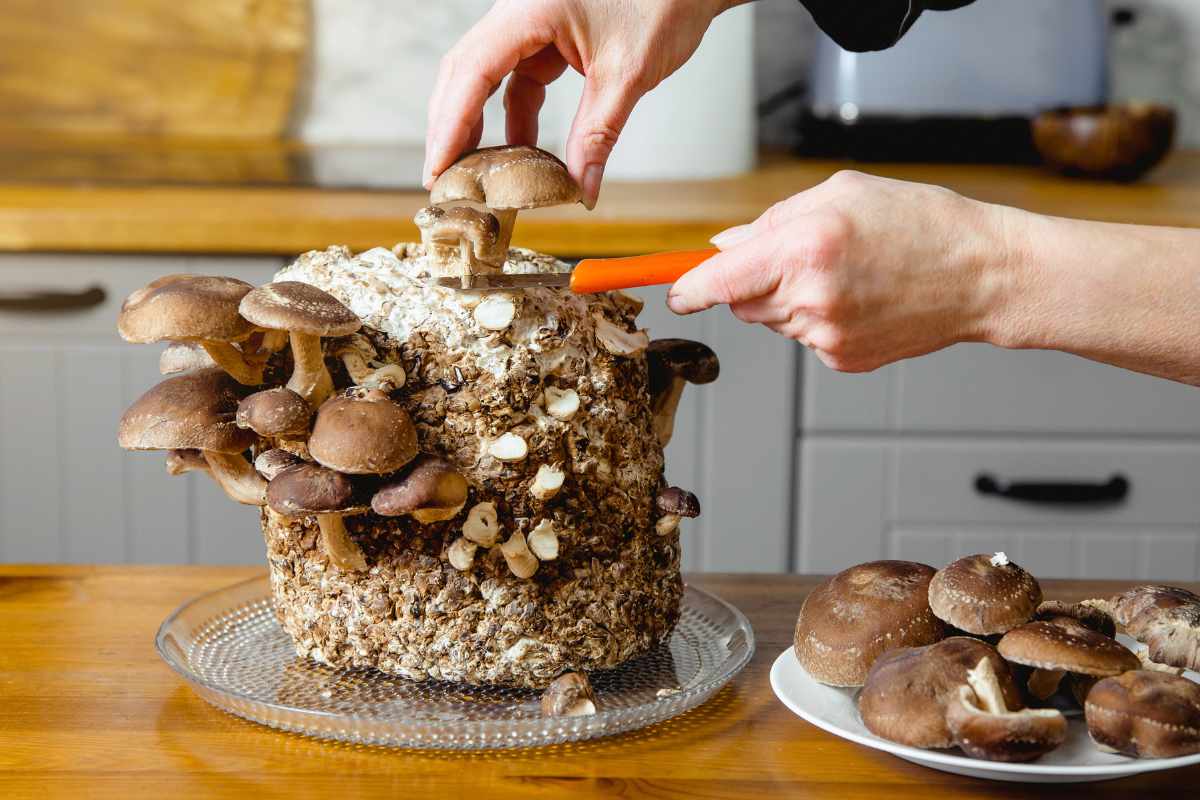
Not every mushroom method fits every home. Many first-timers pick a technique that’s too finicky for their environment—then blame themselves when it stalls.
Choose a method that matches your comfort level:
- Grow kits: Best for beginners. Fewer variables, faster feedback.
- Fruit-from-a-block (pre-colonized substrate): Great next step. Moderate control.
- From scratch (grain spawn + bulk substrate): Highest yield potential, but the most contamination risk.
Quick tip: If your home is very dry (common with HVAC), prioritize a setup that includes a humidity solution (like a tent or tub).
2) Mistake: Ignoring Cleanliness (Contamination Is the #1 Buzzkill)

Contamination is the most common reason home grows fail—especially when you handle substrate or open containers without clean habits.
Common contamination sources
- Touching the substrate with unwashed hands
- Reusing dirty tools or containers
- Letting standing water sit in trays
- Opening bags/tubs in dusty, drafty areas
Cleaner growing habits that actually matter
- Wash hands and wear clean gloves if you’ll touch anything inside the grow container.
- Wipe down surfaces with 70% isopropyl alcohol (it works better than 90% for many surfaces).
- Use clean scissors/knives and avoid unnecessary “peeking.”
Realistic expectation: You don’t need a lab—just consistent, simple sanitation.
3) Mistake: Getting Humidity Wrong (Too Low or Too Wet)
Mushrooms love moisture in the air—but they hate being waterlogged. Many growers swing from “too dry” to “soaked,” and both cause problems.
Signs humidity is too low
- Caps crack or look dry
- Pins form and then stall
- Substrate surface dries quickly
Signs humidity is too high / too wet
- Slimy stems, soft mushrooms
- Yellowish “puddling” on the surface
- Musty odor or fuzzy growth taking over
What to aim for
- Many indoor mushrooms fruit well around 85–95% relative humidity (varies by species).
- Focus on a lightly glistening surface, not dripping wet.
Practical fix: Mist the walls of a tub/tent, not the mushrooms themselves. If you do mist the surface, use a fine sprayer and keep it light.
4) Mistake: Not Enough Fresh Air (Or Too Much Draft)
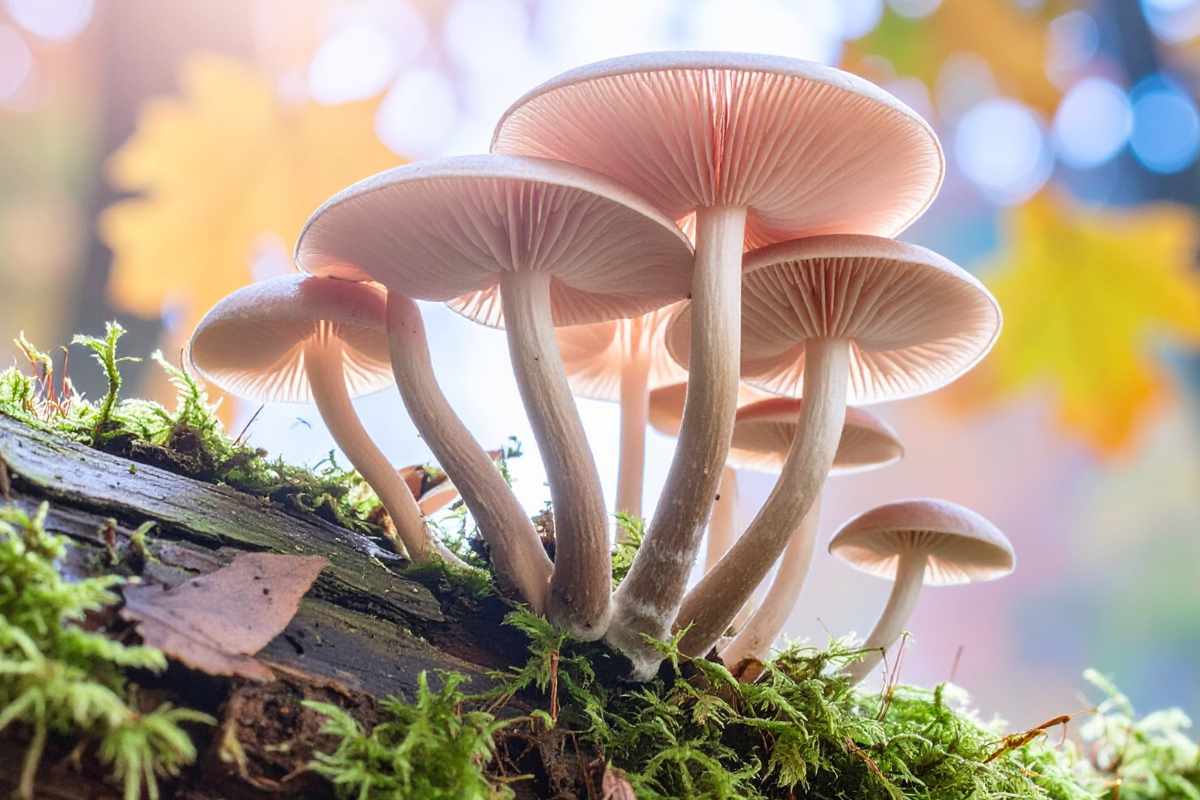
This one surprises people: mushrooms need humidity and fresh air exchange. If airflow is too low, stems stretch and caps stay small. If airflow is too aggressive, everything dries out.
Low fresh air signs
- Long, skinny stems
- Tiny caps
- “Fuzzy feet” (fluffy growth at the base)
Too much airflow signs
- Pins dry out
- Surface crusts over
- Growth pauses between flushes
Balance tip: Gentle air exchange beats constant blasting. If you’re using a tub, adjust holes/filters and crack the lid slightly if needed. If you’re using a tent, aim for slow, steady ventilation.
5) Mistake: Fruiting at the Wrong Temperature
Temperature affects everything: colonization speed, pinning, and how fast mushrooms mature. Beginners often fruit at whatever their room happens to be—sometimes it works, sometimes it doesn’t.
General guidance
- Many common varieties fruit in typical indoor ranges around 60–75°F (16–24°C), but each species has preferences.
- Too warm often increases contamination risk and can reduce quality.
- Too cold can slow pinning dramatically.
Best move: Look up the ideal fruiting range for your specific mushroom (oyster, shiitake, lion’s mane, etc.) and try to keep it steady—big swings can stall growth.
6) Mistake: Harvesting Too Late (Or Too Early)

Timing matters for both flavor and future flushes. Harvest too late and spores drop everywhere (messy and can irritate allergies). Harvest too early and you leave size on the table.
When to harvest (common cues)
- Oysters: Harvest when caps are broad but edges haven’t fully flattened or curled upward.
- Button/cremini types: Harvest when caps are firm and veil is just about to break.
- Lion’s mane: Harvest when spines are developed but still white/cream (not browning).
Harvesting tip: Twist gently at the base or use clean scissors. Try not to tear up the substrate—less damage often means a better second flush.
7) Mistake: Giving Up After the First Flush
A first flush can be amazing… and then the block looks “done.” Many growers toss it too early.
What’s normal after a flush
- The substrate shrinks slightly
- The surface looks drier
- Growth pauses while it “resets”
How to encourage another flush
- Rehydrate if needed (some blocks benefit from a soak; others just need steady humidity—follow your kit’s guidance).
- Return to balanced humidity + fresh air.
- Remove old stems and debris to reduce mold risk.
Big mindset shift: The first harvest is often just the beginning.
Tools & Supplies That Make Home Mushroom Growing Easier

You don’t need everything on this list, but these items reduce guesswork:
- Fine mist spray bottle
- Hygrometer (humidity meter)
- Gloves + 70% isopropyl alcohol
- Clean scissors or a small knife
- Tub or small grow tent (optional, but helpful)
- Fan on low / gentle ventilation (as needed)
- Paper towels for quick cleanup
A Quick “Do This Today” Checklist for Better Results
- Wipe down your work area and tools (clean beats perfect).
- Check surface moisture: aim for glistening, not soaking.
- Watch mushroom shape: skinny stems usually mean more fresh air.
- Keep temps steady in a reasonable range for your variety.
- Harvest at the right stage—don’t wait for a spore explosion.
- After flush #1, reset conditions and give it time.
Common Problems and Easy Fixes
Problem: Pins form but stop growing
- Likely cause: too dry or inconsistent humidity
- Fix: stabilize humidity, reduce drafts, lightly mist tub walls
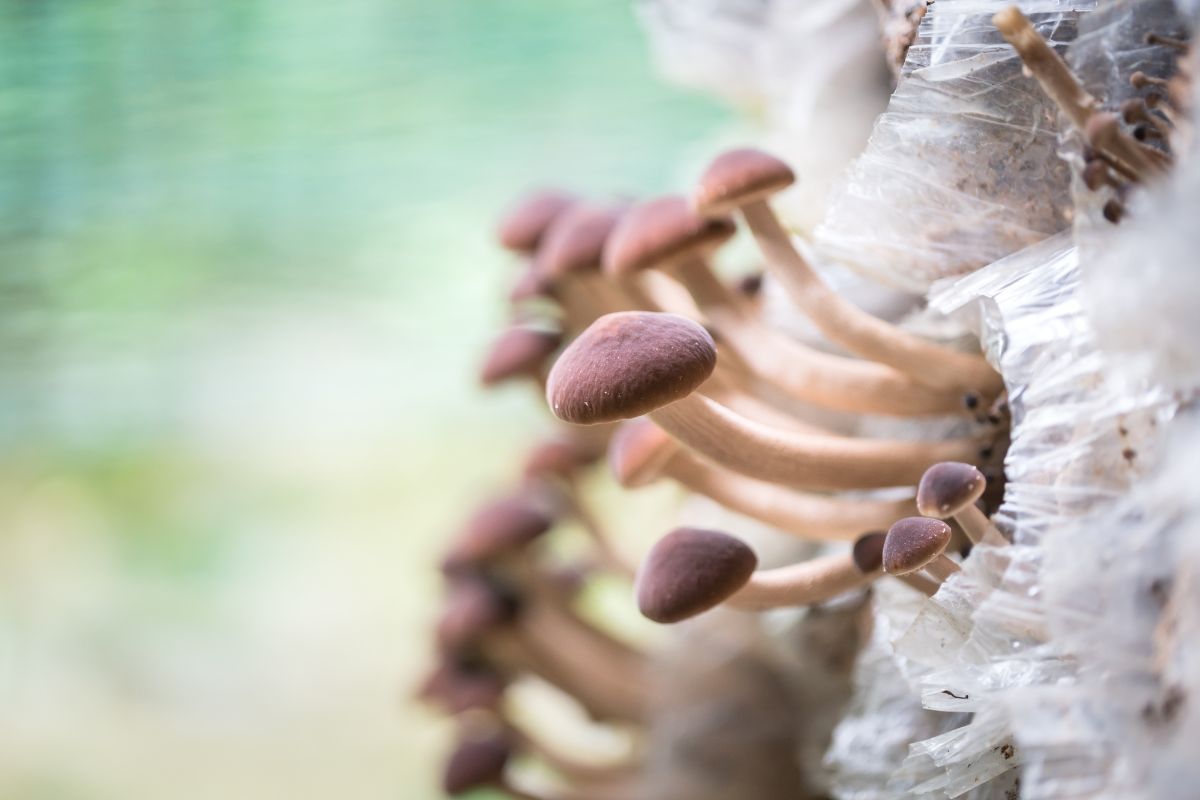
Problem: Long stems, tiny caps
- Likely cause: not enough fresh air exchange
- Fix: increase gentle airflow (small adjustments go far)
Problem: Slimy mushrooms or a sour smell
- Likely cause: too wet + stagnant air
- Fix: reduce misting, improve airflow, and remove any rotting material
Problem: Green/black spots on substrate
- Likely cause: contamination
- Fix: isolate the growth, stop opening it, and prevent spread; review sanitation steps for next time
Mushrooms are picky in a very predictable way—get clean habits, humidity, airflow, and timing working together, and your success rate jumps fast.
Start simple, observe what your mushrooms are “telling” you, and adjust one variable at a time. You’ve got this—your next flush can be your best one yet.
— Emily
More Gardening Tips 👇🏼👇🏼