
How to Grow and Harvest the Sweet, Nutty Lion’s Mane Mushroom

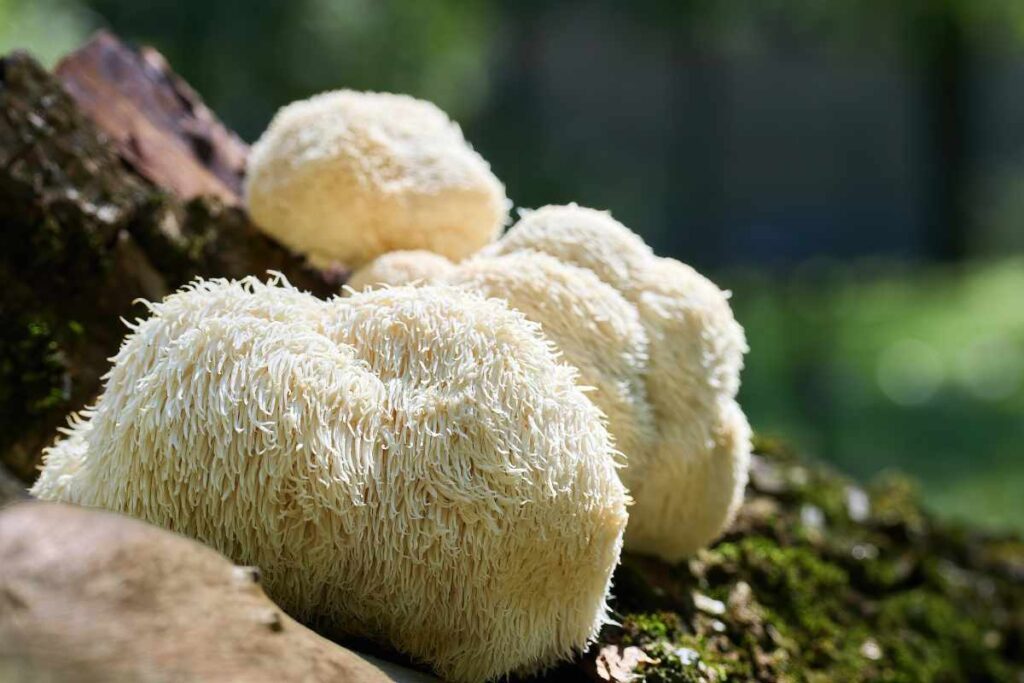
For those of us who love experimenting in the garden, few crops feel as exciting and unusual as the Lion’s Mane mushroom.
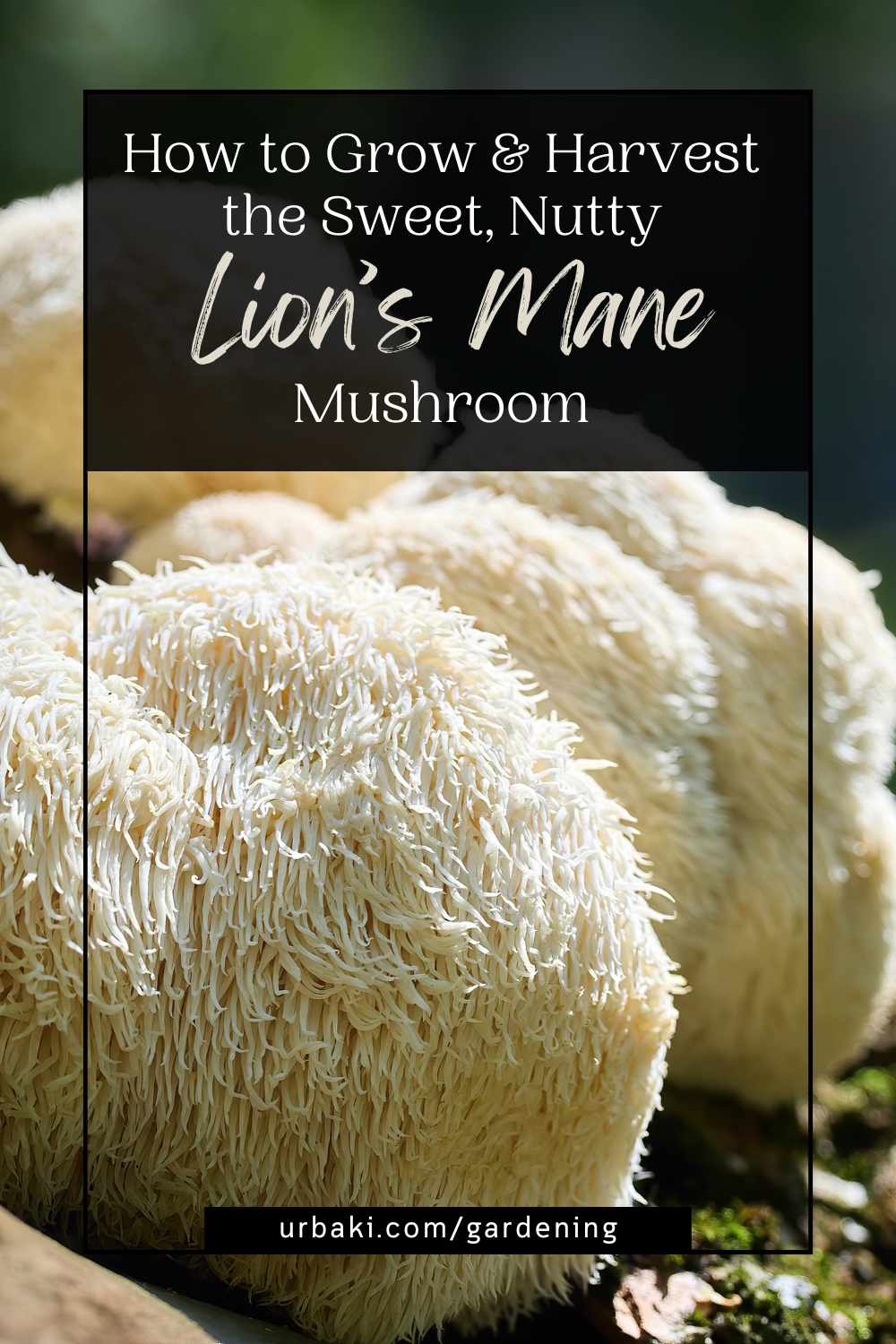
Its cascading white spines make it look almost otherworldly, while its flavor is often described as a mix of lobster and crab with a mild nutty sweetness.
Beyond taste, this mushroom is valued for its potential health benefits, making it a rewarding addition to any home cultivation project.
Growing it may seem intimidating at first, but with a bit of patience and care, it can become one of the most fascinating and tasty harvests you’ll ever bring to the table.
Understanding the Nature of Lion’s Mane
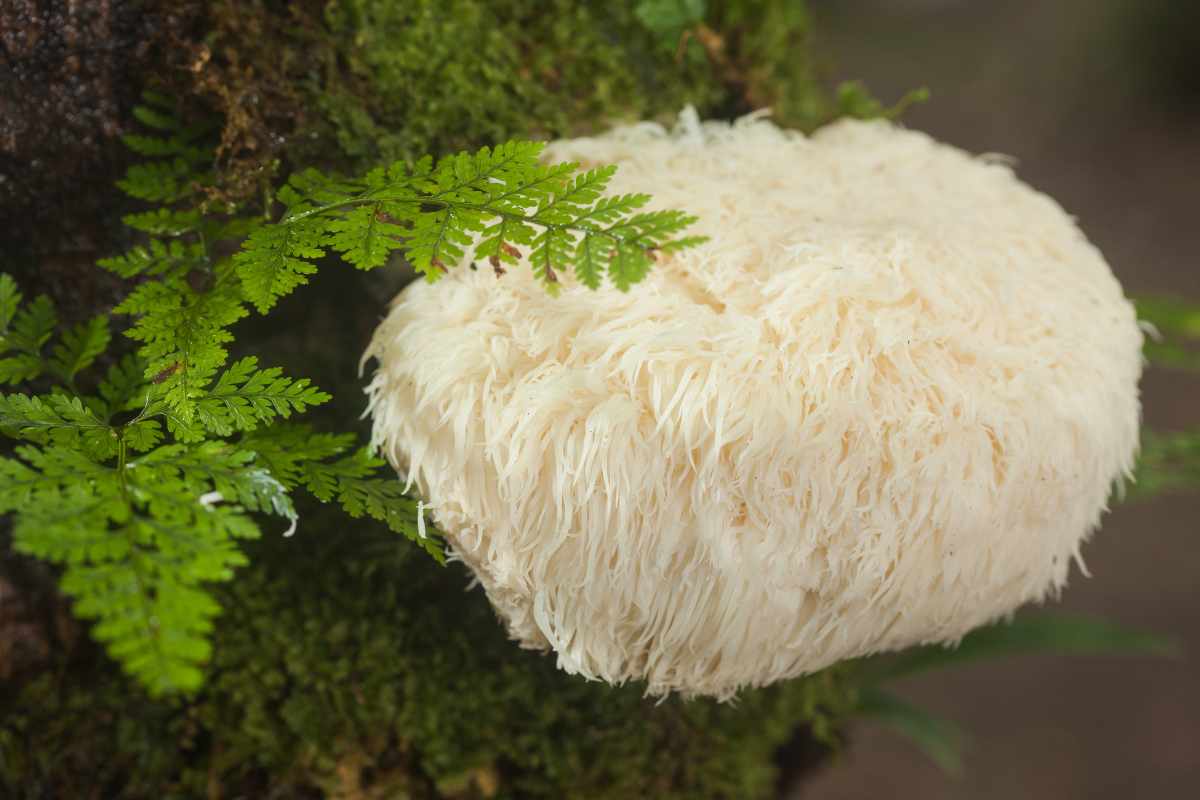
Before planting, it helps to appreciate how Lion’s Mane grows in nature. In the wild, it’s found on hardwood trees like oak, beech, and maple, where it slowly consumes decaying wood.
Unlike leafy greens or tomatoes, mushrooms don’t rely on sunlight and soil; they thrive on organic material rich in cellulose and lignin. Recreating this environment at home is the key to successful cultivation.
By offering the right growing medium, temperature, and humidity, you create conditions where the fungus feels at home and ready to fruit.
Preparing the Right Growing Medium
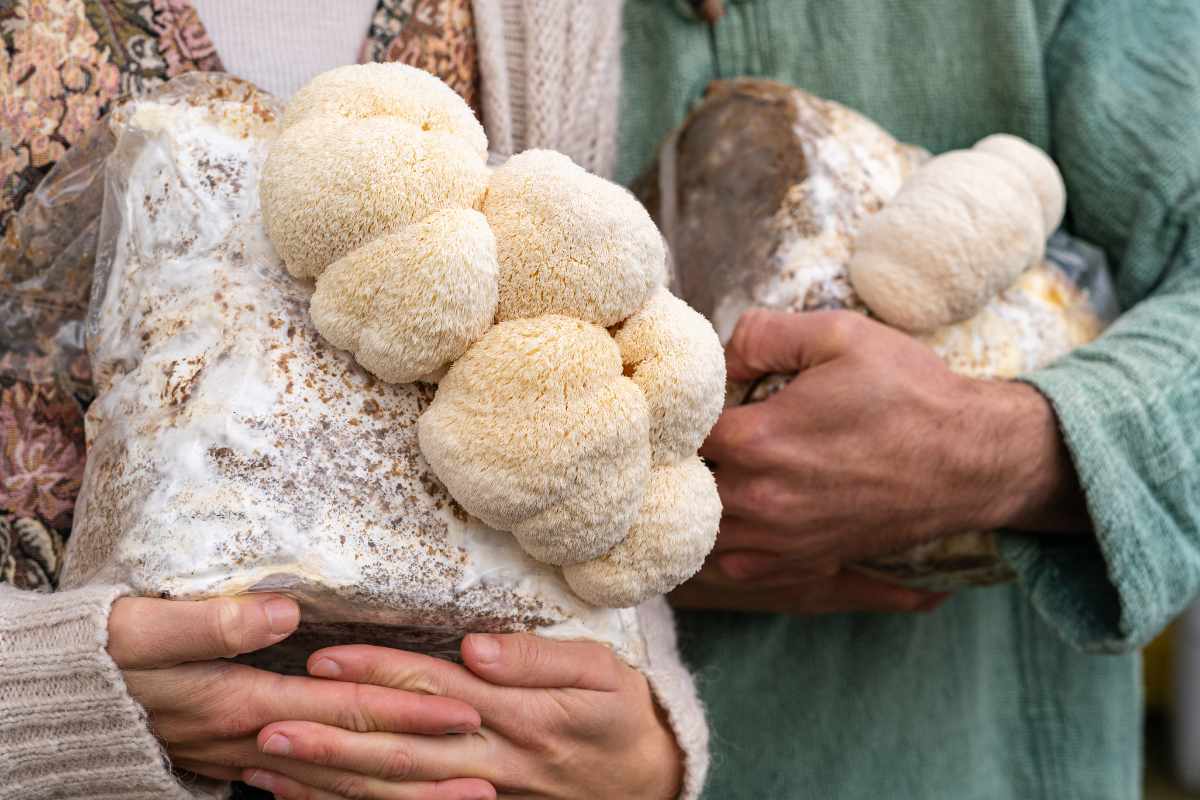
Lion’s Mane can be cultivated on several substrates, but hardwood sawdust and supplemented blocks are among the most effective. Sawdust mixed with soybean hulls or bran provides the nutrients it needs to flourish.
For beginners, pre-inoculated grow kits offer a simple way to get started, as they come ready with mycelium already established.
More experienced growers may want to sterilize their own substrate and inoculate it with spawn, which gives greater control over the process.
Whichever route you choose, ensuring that the growing medium is clean and free from contamination is essential for healthy development.
Creating the Ideal Environment
Temperature and humidity play a central role in mushroom cultivation. Lion’s Mane prefers cooler conditions, typically between 60–75°F, and a high humidity level of around 85–95%.
A fruiting chamber, tent, or even a plastic tote with good ventilation can provide the right environment indoors.
Misting regularly helps keep the humidity stable, but it’s equally important to allow for airflow so the mushrooms don’t become soggy or misshapen.
In fact, one of the challenges with Lion’s Mane is achieving those beautiful cascading spines, which only form properly when the environment is carefully balanced.
The Growth Stages of Lion’s Mane
Watching the development of this mushroom is a rewarding process in itself. After colonization, small nodules called primordia start to appear, looking like tiny tufts of cotton.
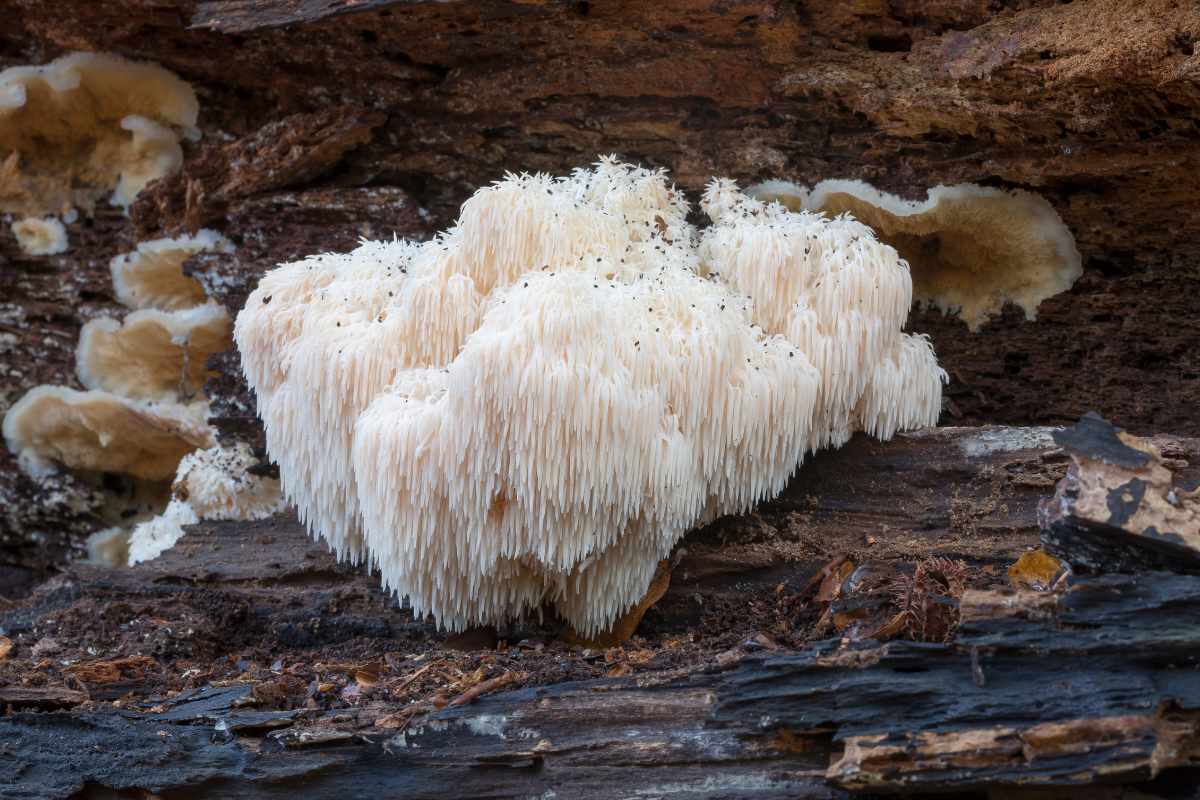
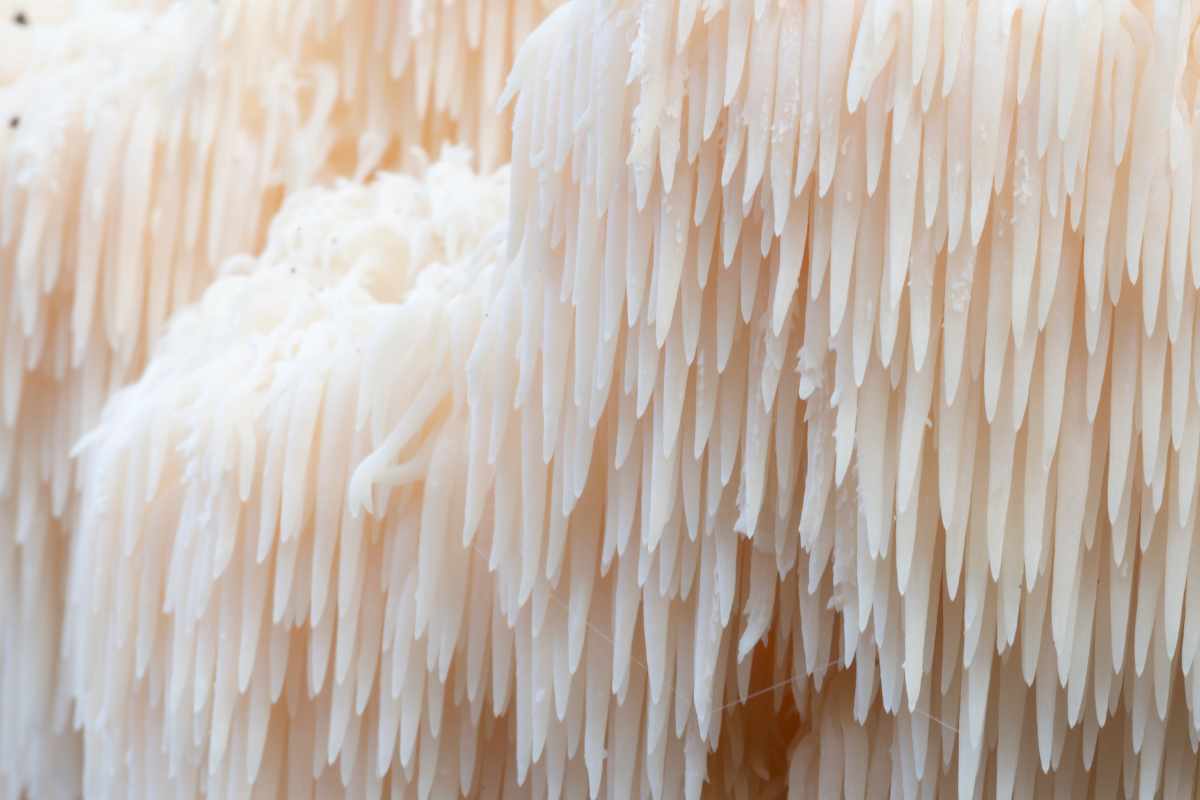
Over several days, these expand into rounded white clusters before elongating into their signature icicle-like spines.
Depending on conditions, it can take anywhere from a week to ten days for the mushrooms to mature fully.
Monitoring these stages closely allows you to anticipate the right time for harvest, ensuring the best flavor and texture.
Recognizing the Perfect Time to Harvest
One of the most common mistakes in growing Lion’s Mane is harvesting either too early or too late.
Picking too soon means the mushroom hasn’t developed its full flavor, while waiting too long can result in a bitter taste or spines that become tough.
The ideal harvest window is when the spines are long, delicate, and still firm to the touch.
They should be white to slightly off-white in color.
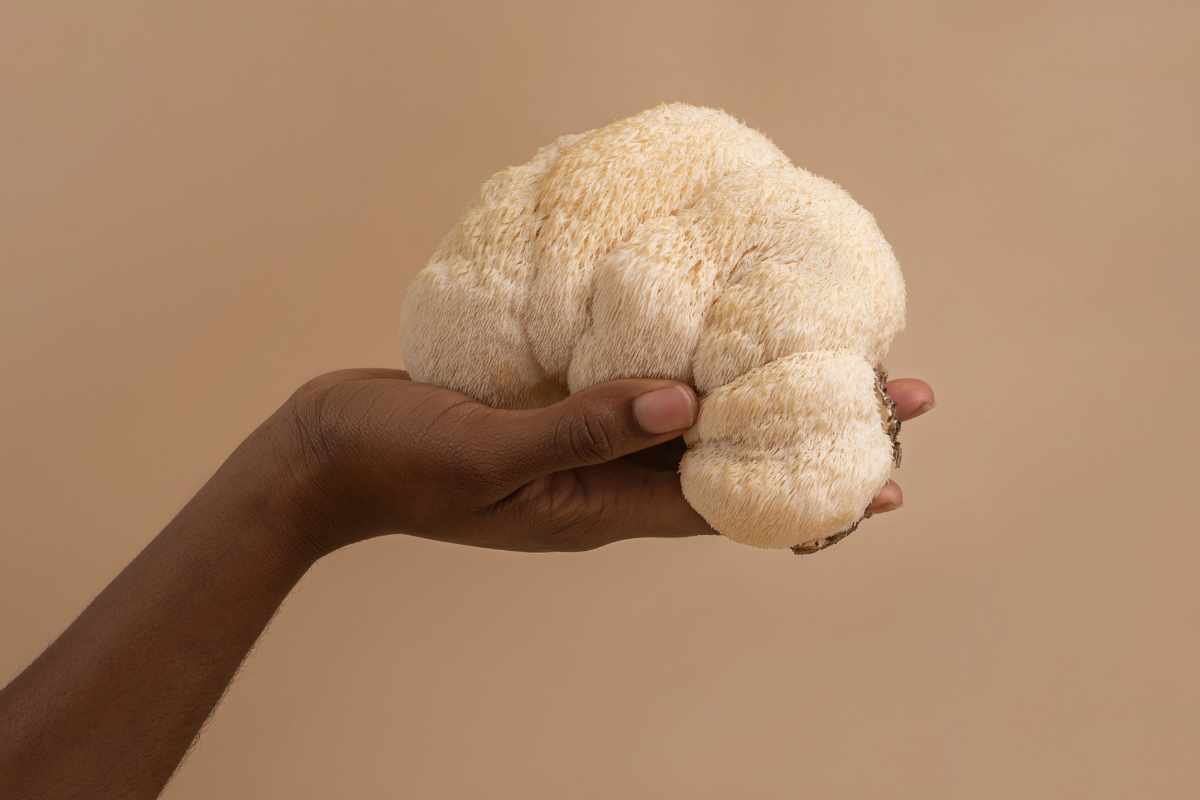
If you notice the tips beginning to turn yellow, it’s a sign the mushroom is past its prime. Gently twist or cut at the base with a sharp knife to collect it without damaging the rest of the block.
Encouraging Multiple Flushes
Once you’ve harvested your first Lion’s Mane mushrooms, the fun doesn’t have to stop.
A single block can continue producing new mushrooms if cared for properly:
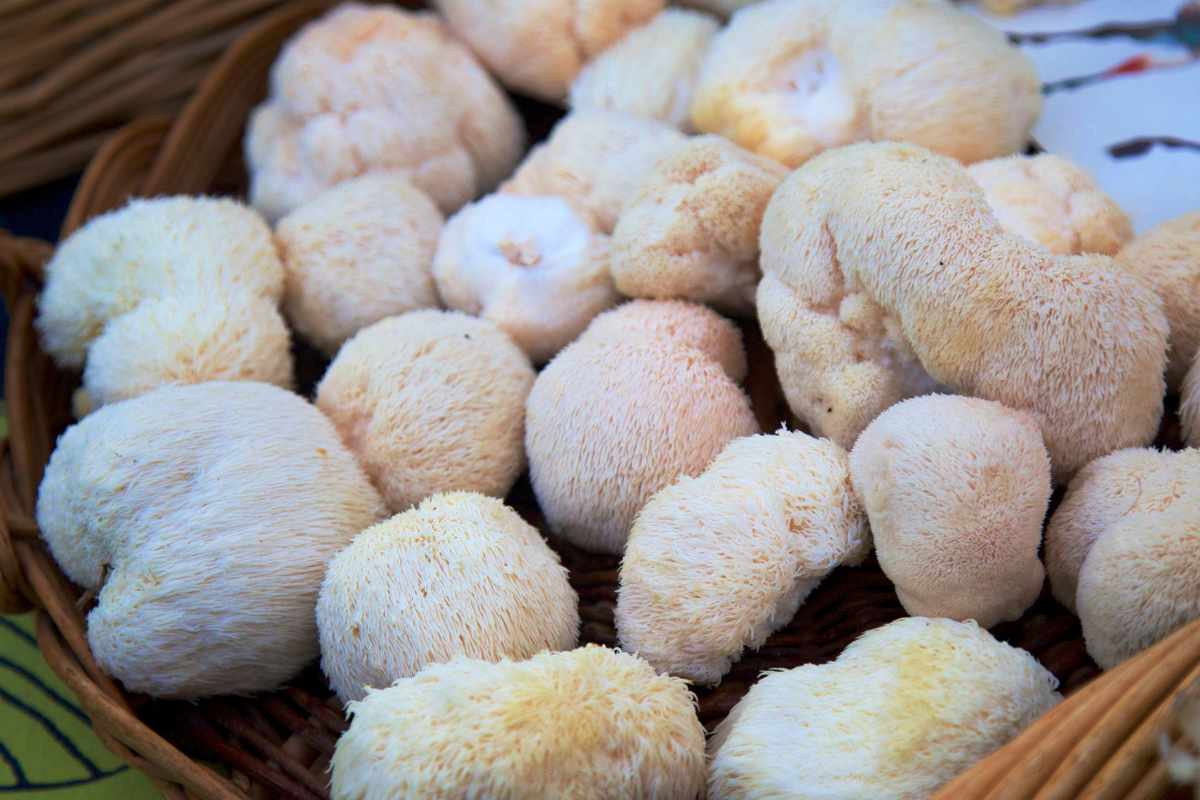
Multiple harvests: A single substrate block can often produce several flushes of mushrooms.
Rest period: After harvesting, allow the block a short rest before expecting new growth.
Maintain humidity: Continue misting regularly to keep the environment ideal for the mycelium.
Monitor growth: The first flush is usually the largest, but subsequent flushes can still yield plenty.
Be patient: It may take a few weeks before the next crop appears, so consistent care is essential.
Troubleshooting Common Challenges
Like all forms of gardening, mushroom cultivation comes with a few hurdles.
Sometimes the mushrooms may form blobs rather than distinct spines, which usually indicates low humidity or insufficient airflow.
Contamination from mold can also appear if the substrate wasn’t properly sterilized or if conditions are too damp. Staying attentive to the environment and adjusting as needed goes a long way toward preventing problems.
Even when issues arise, each attempt offers valuable lessons that improve your future results.
Bringing It All Together
Growing Lion’s Mane mushrooms blends science, patience, and a bit of culinary adventure.
From preparing the right substrate to maintaining steady humidity, each step contributes to producing a harvest that’s as beautiful as it is delicious.
For gardeners seeking a crop that’s a little out of the ordinary, Lion’s Mane provides not unique flavor but also the satisfaction of cultivating something rare and rewarding.
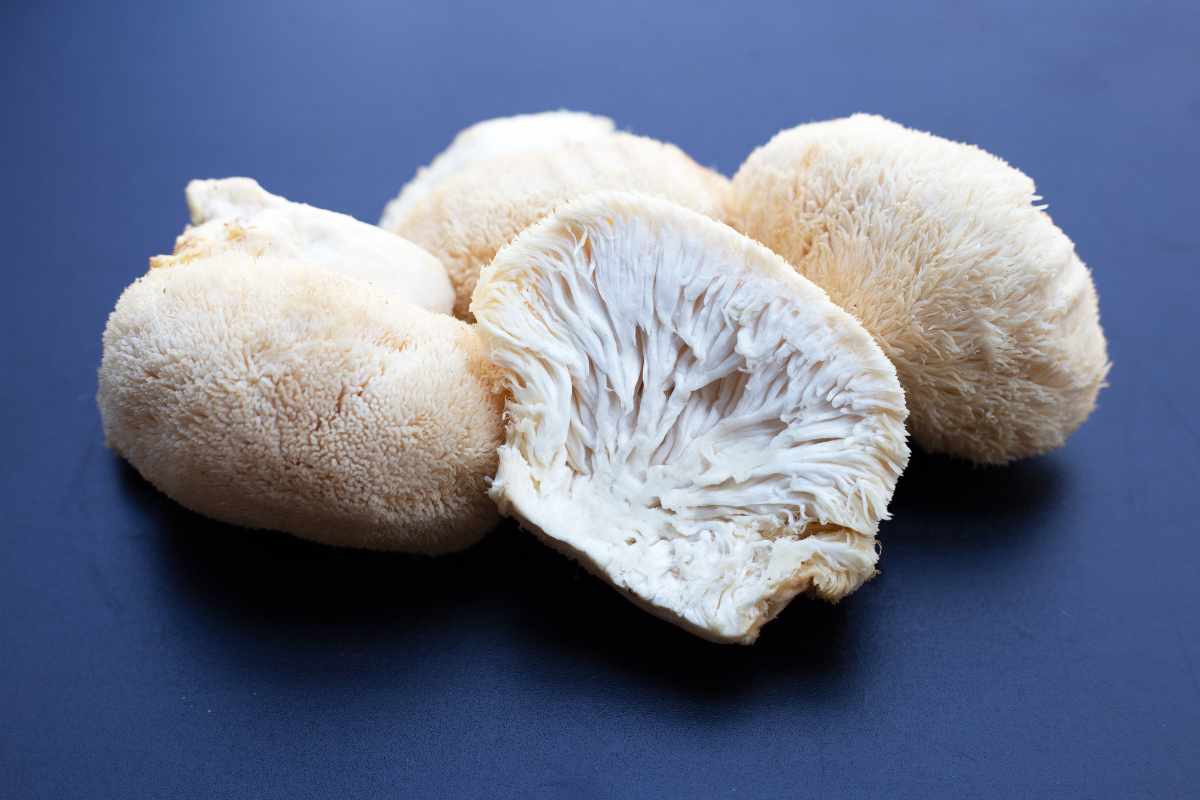
Whether enjoyed fresh from the block or dried for later use, this mushroom brings both nourishment and excitement to the table.
Did you find this post useful or inspiring? Save THIS PIN to your GARDEN Board on Pinterest!
More Gardening Tips 👇🏼👇🏼