
The Ultimate Guide to Growing and Enjoying Chaga Mushrooms at Home

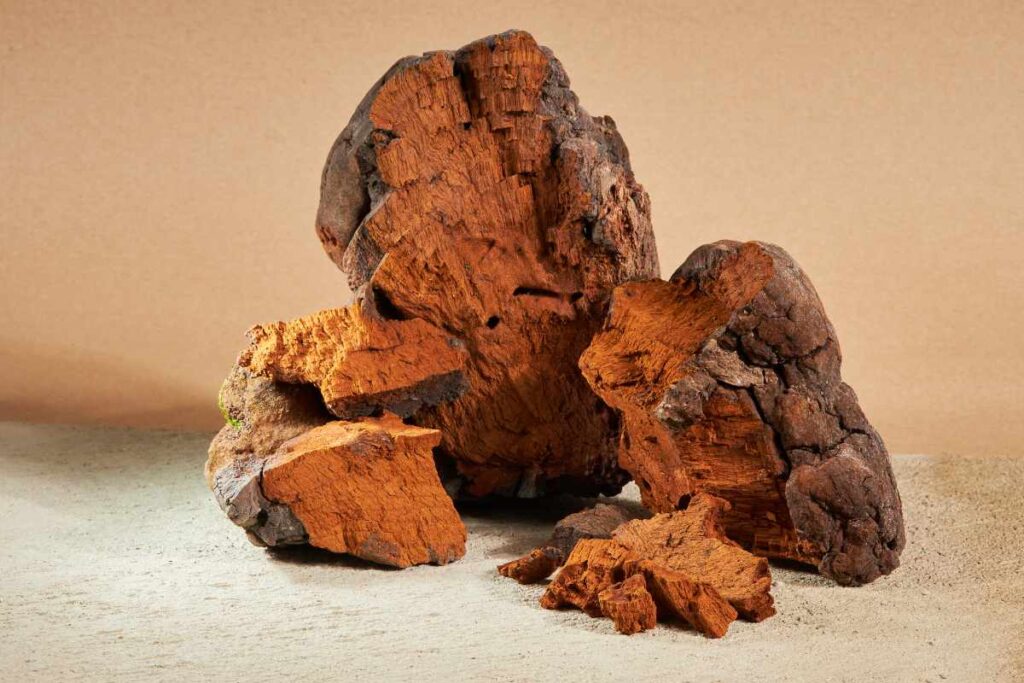
Chaga mushrooms have long been prized for their health benefits and earthy flavor.
Traditionally found on birch trees in cold climates, this fungus has been introduced into the world of home cultivation.
While growing chaga requires patience, the reward is a sustainable source of one of nature’s most powerful superfoods.
Understanding What Makes Chaga Special

Chaga (Inonotus obliquus) is not your typical mushroom. It forms a dark, woody mass called a conk, which looks more like burnt charcoal than a classic mushroom cap.
Inside, it’s rich in antioxidants, polysaccharides, and melanin — compounds known to support the immune system and reduce inflammation.
For centuries, chaga has been brewed as tea or added to wellness blends for its natural healing potential.
How to Start Growing Chaga at Home

Growing chaga at home takes commitment, but it’s possible with the right approach.
The process usually begins with chaga spawn or plugs, which are inserted into birch logs to simulate the fungus’s natural habitat.
Choose the right wood: Birch is essential, as chaga only forms on living or freshly cut birch trees. Avoid other species.
Prepare your logs: Drill holes along the log and insert the spawn or plugs, sealing them with beeswax to prevent contamination.
Provide proper conditions: Place the logs in a shaded, cool, and humid area, ideally outdoors under a tree canopy.
Be patient: Chaga is slow-growing — it may take several years for the conk to fully mature. However, smaller pieces can sometimes be harvested earlier for tea.
Harvesting and Using Chaga
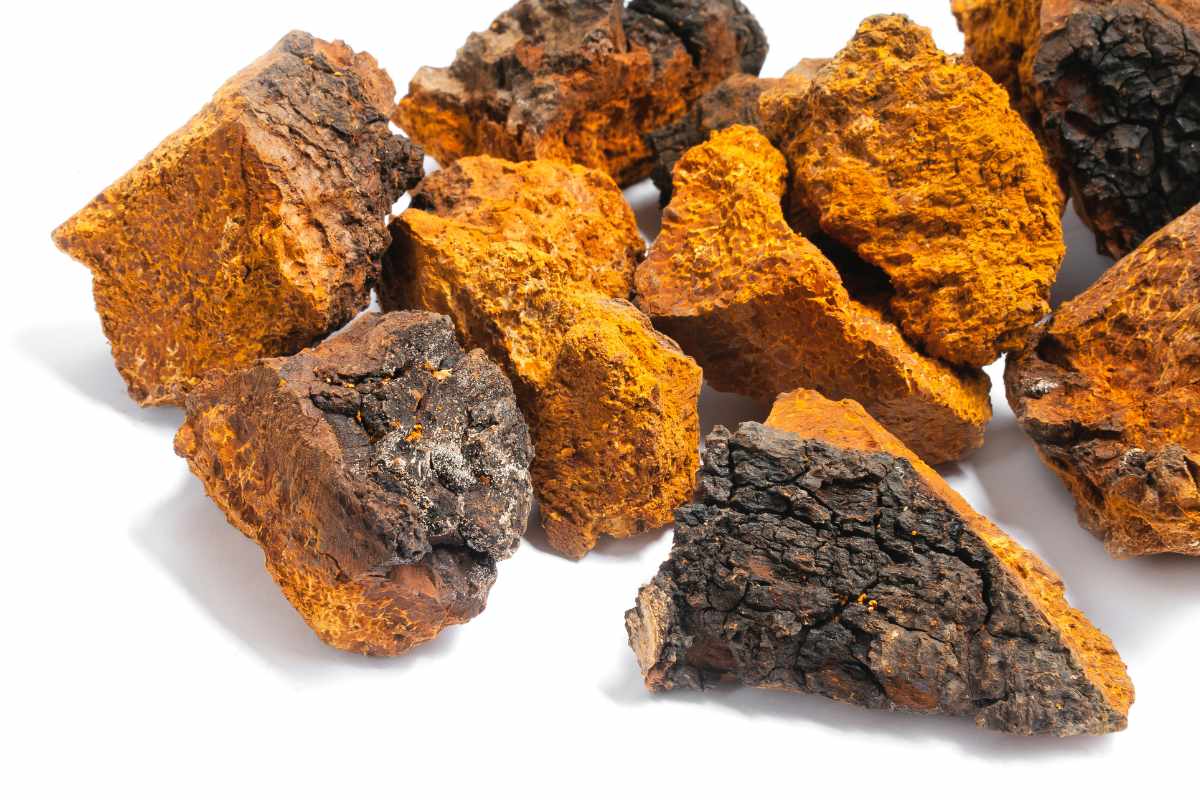
When the chaga has developed a dense, dark exterior and an amber-orange interior, it’s ready to harvest.
Use a clean knife or hatchet to remove part of the conk, leaving some behind so it can regrow.
After harvesting, dry the chaga pieces in a well-ventilated space away from direct sunlight until they’re hard and dry to the touch.
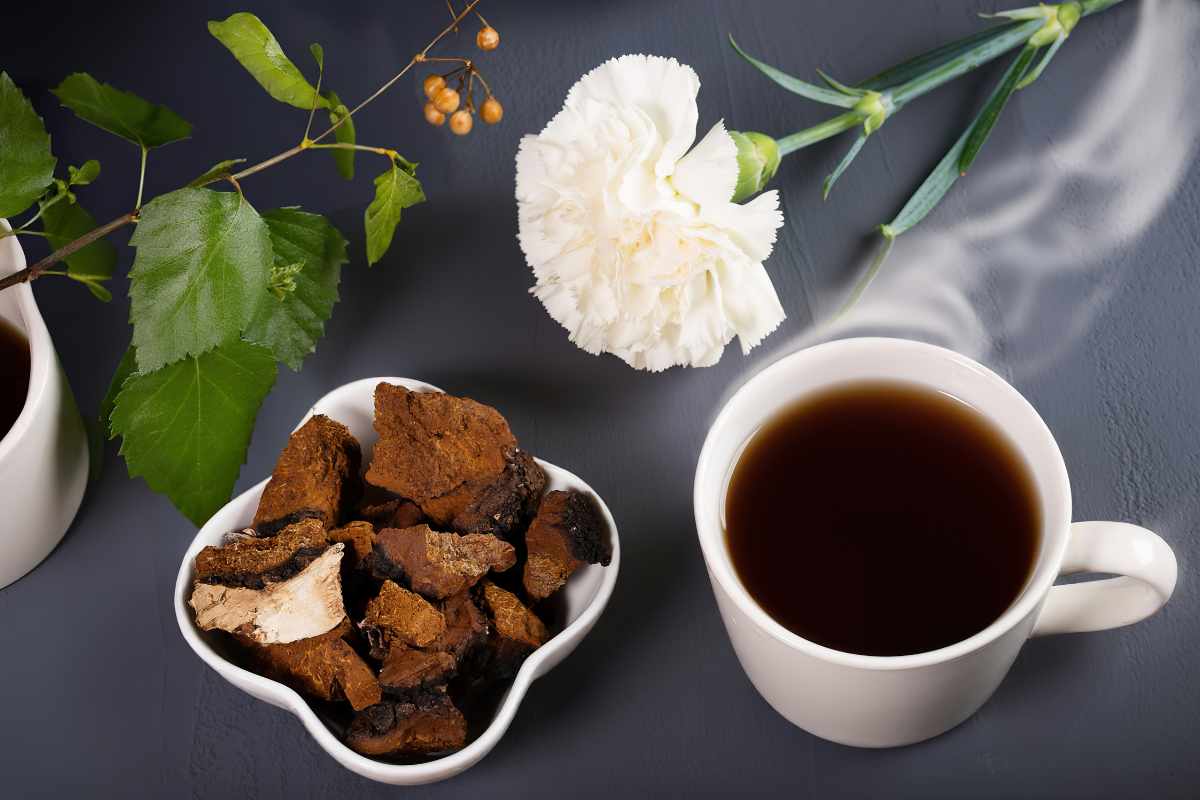
Once dried, you can grind or break the chaga into smaller chunks. The most common use is as a tea or tincture — simply simmer the pieces in hot water for a rich, slightly bitter brew.
Some people also add powdered chaga to smoothies, soups, or coffee for a subtle health boost.
Enjoying Chaga Responsibly
Because chaga grows slowly, it’s essential to harvest sustainably. If you ever forage wild chaga, take only a portion and leave enough for the fungus and tree to survive.
For home growers, this approach ensures long-term yield and respect for the ecosystem.
Growing your own chaga connects you with nature’s rhythm — a process of patience and reward.
With time, you’ll not only enjoy its earthy taste and wellness benefits but also gain a deeper appreciation for the balance between fungi, trees, and humans.
Did you find this post useful or inspiring? Save THIS PIN to your GARDEN Board on Pinterest!
More Gardening Tips 👇🏼👇🏼