
Is Activated Charcoal Safe for Plants? Discover Its Benefits

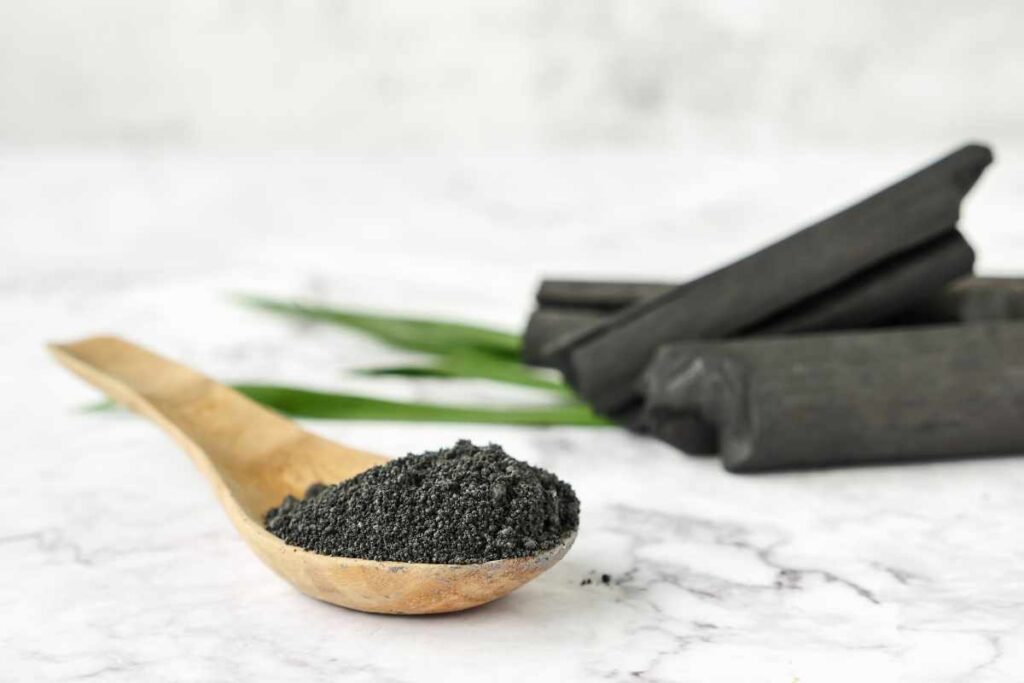
Activated charcoal, also known as activated carbon, is widely used in various applications, from air purification to skincare.
However, its role in gardening is gaining attention for its potential benefits to plants. But is activated charcoal safe for plants?
The answer is a resounding yes. In this article, we’ll explore the safety, benefits, and practical uses of activated charcoal in gardening, helping you understand how to incorporate this valuable material into your plant care routine.
What is Activated Charcoal?
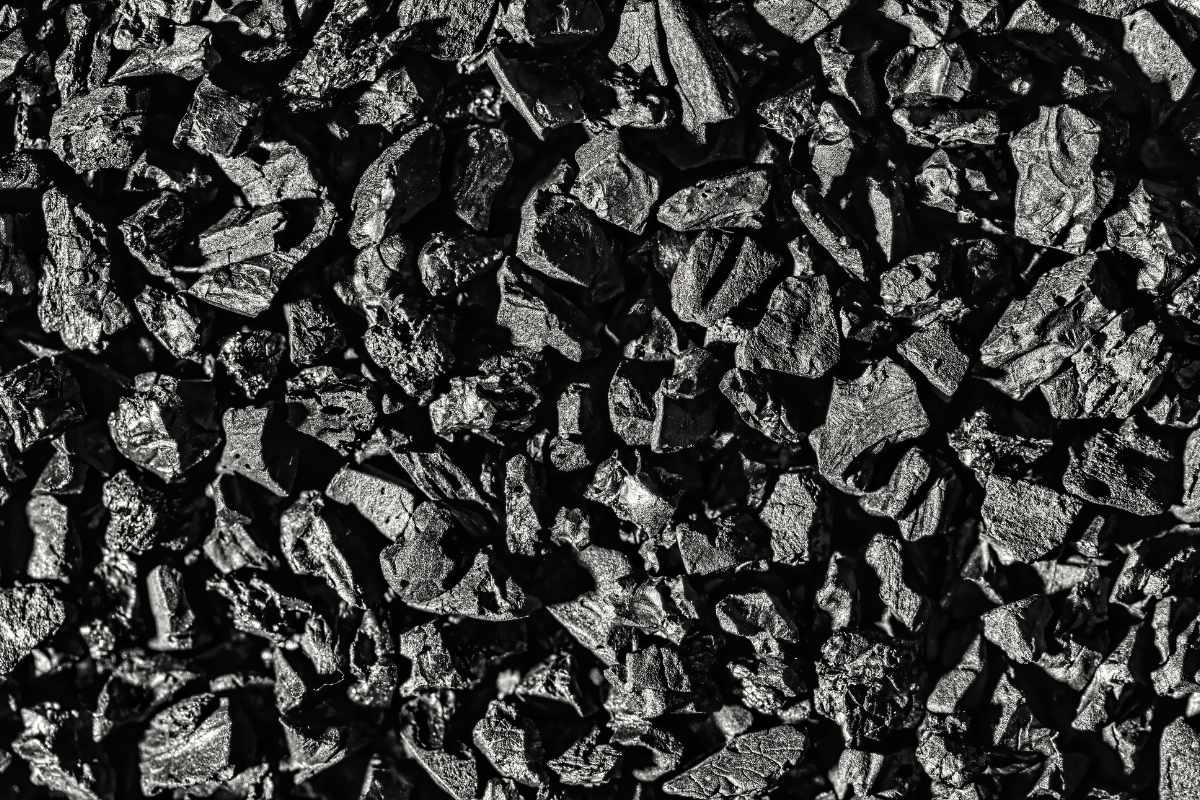
Activated charcoal is a form of carbon that has been processed to have small, low-volume pores that increase its surface area.
This porosity makes it highly effective at adsorbing (binding to) impurities and toxins.
It is produced by heating carbon-rich materials, such as wood, peat, coconut shells, or sawdust, at high temperatures in the presence of a gas that causes the charcoal to develop many internal spaces or pores.
Is Activated Charcoal Safe for Plants?
Yes, activated charcoal is safe for plants. It is a natural, non-toxic substance that can be highly beneficial when used correctly in gardening.
It is often used in potting mixes, terrariums, and hydroponic systems to improve plant health and growth.
Benefits of Activated Charcoal for Plants
- Toxin Removal
One of the primary benefits of activated charcoal is its ability to remove toxins from the soil. It adsorbs harmful chemicals, heavy metals, and impurities, preventing them from harming plant roots. This detoxifying property is particularly useful in urban gardening or areas where soil contamination might be an issue.
- Improved Drainage and Aeration
Activated charcoal helps improve soil drainage and aeration. When added to potting mixes, it creates spaces that allow air and water to flow more freely, reducing the risk of waterlogging and root rot. This is especially beneficial for container gardening and houseplants.
- Odor Control
Activated charcoal can help control odors in the soil. It adsorbs organic compounds that cause unpleasant smells, keeping your indoor plants and terrariums fresh. This is particularly useful in enclosed environments where odors can accumulate.
- Fungal and Pest Prevention
The porous structure of activated charcoal can help prevent fungal growth and pest infestations. It adsorbs excess moisture, creating a less hospitable environment for mold and mildew. Additionally, it can deter soil-borne pests by reducing the organic matter they feed on.
- pH Balance
Activated charcoal can help maintain a balanced pH level in the soil. It adsorbs acidic and basic substances, buffering the soil pH and creating a more stable environment for plant roots.
How to Use Activated Charcoal in Gardening
- In Potting Mixes
Incorporate activated charcoal into your potting mixes to enhance drainage, aeration, and toxin removal. Mix a small amount (around 5-10% of the total volume) into your potting soil before planting. This is particularly beneficial for houseplants and container gardens.
- For Terrariums
Activated charcoal is essential in terrariums to keep the environment healthy. Place a thin layer of activated charcoal at the bottom of the terrarium, on top of the drainage layer (usually pebbles or gravel), before adding soil and plants. This helps filter the water and prevent odor buildup.
- In Hydroponics
In hydroponic systems, activated charcoal can be used as a filtering medium to keep the water clean and free from impurities. Place it in mesh bags or filters within the hydroponic setup to maintain water quality.
- Top Dressing
Sprinkle a thin layer of activated charcoal on the surface of the soil around your plants. This can help control odors and improve soil health. Ensure the charcoal is well-distributed and not too thick, as excessive amounts can impede water penetration.
- Composting
Add small amounts of activated charcoal to your compost to help reduce odors and enhance the composting process. It can help adsorb harmful substances and improve the overall quality of the compost.
Precautions When Using Activated Charcoal
While activated charcoal is generally safe for plants, it’s important to use it in moderation.
Too much-activated charcoal can adsorb beneficial nutrients from the soil, potentially leading to nutrient deficiencies.
Always follow recommended usage guidelines and monitor your plants for any signs of stress or nutrient imbalance.
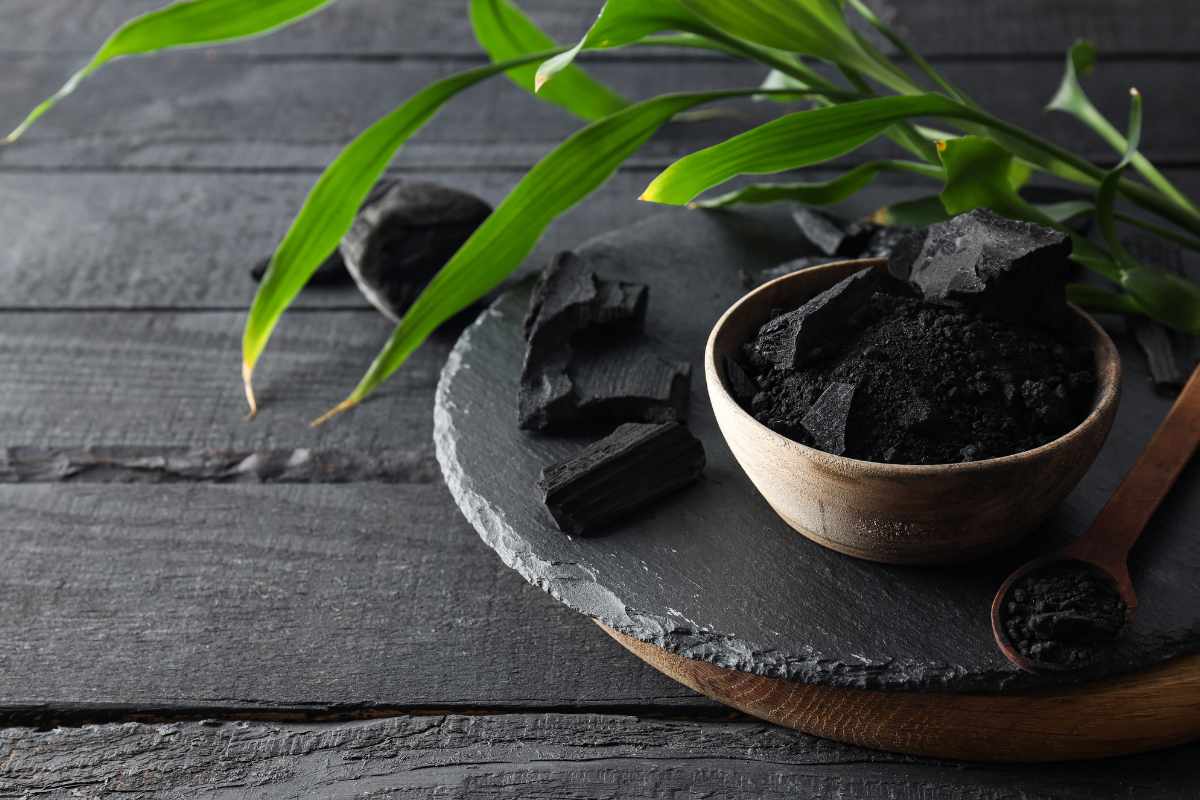
Additionally, ensure you are using horticultural-grade activated charcoal. Charcoal intended for other uses, such as grilling or industrial applications, may contain additives or chemicals harmful to plants.
Did you find this post Useful or Inspiring? Save THIS PIN to your GARDENING Board on Pinterest!

Once again, thank you for visiting our website!
We hope you've enjoyed exploring the content we've created for you.
Give yourself the chance to learn, get inspired, and have even more fun, keep browsing...
More Gardening Tips 👇🏼👇🏼