
Is Clover Good or Bad for Your Yard?


Clover, often seen as an invader in manicured lawns, has been a topic of debate among gardeners and homeowners. While some view it as a weed that disrupts the uniformity of a grass lawn, others appreciate its benefits for the environment and garden health.
So, is clover good or bad for your yard? The answer depends on your lawn care goals and personal preferences. Let’s dive into the pros and cons of clover to help you decide.
By understanding both sides, you can make an informed decision that best suits your gardening needs and aesthetic preferences.
The Benefits of Clover
Clover is a resilient and versatile plant that offers several benefits, making it a valuable addition to many yards.
- Nitrogen Fixation One of the most significant benefits of clover is its ability to fix nitrogen in the soil. Clover belongs to the legume family, which means it can convert nitrogen from the air into a form that plants can use. This natural fertilization process reduces the need for synthetic fertilizers, promoting a healthier and more sustainable lawn.
- Drought Tolerance Clover is naturally drought-resistant, making it an excellent choice for areas prone to dry conditions. Its deep roots help it access water more effectively than many types of grass, maintaining a green and lush appearance even during periods of low rainfall.
- Low Maintenance Lawns containing clover require less maintenance than traditional grass lawns. Clover grows well in poor soil conditions, needs less mowing due to its low growth habit, and requires less frequent watering. This makes it an ideal choice for those looking to reduce lawn care time and costs.
- Attracts Beneficial Insects Clover flowers attract pollinators such as bees and butterflies, which are essential for the ecosystem. Additionally, clover can attract beneficial insects that help control garden pests, creating a more balanced and natural garden environment.
- Soft and Pleasant Underfoot Clover has a soft texture that is pleasant to walk on, making it an appealing option for areas where children play or people often walk barefoot. Its small leaves and flowers also add a charming aesthetic to the yard.

The Drawbacks of Clover
While clover offers many benefits, it also has some downsides that may not align with everyone’s yard goals.
- Inconsistent Appearance For those who prefer a uniform, manicured lawn, clover can be a nuisance. It tends to grow in patches and can give a lawn a mottled appearance, which some homeowners find unattractive. Additionally, clover's white flowers, while beneficial for pollinators, can disrupt the look of a uniformly green lawn.
- Allergen Concerns Clover can be problematic for people with allergies. Its flowers can attract bees, which pose a risk of stings, especially in areas where children and pets play. Furthermore, while clover itself is not a major allergen, the pollen it attracts can contribute to hay fever symptoms.
- Spreading Nature Clover spreads easily and can outcompete grass and other plants, particularly in nutrient-poor soils. This aggressive growth can lead to a monoculture of clover, which might not be desirable for those who prefer a more diverse lawn composition.
- Short Lifespan Clover generally has a shorter lifespan compared to many grass species. While it can reseed itself, maintaining a clover-rich lawn may require periodic overseeding to keep it dense and lush.
Tips for Managing Clover in Your Yard
If you've decided that clover is beneficial for your yard, or if you're looking to manage its presence, here are some uncommon tips to consider:
- Mix Clover with Grass: For a balanced lawn, consider a seed mix that includes both clover and grass. This mix can offer the best of both worlds—clover’s nitrogen-fixing benefits and the uniform appearance of grass.
- Selective Mowing: To enjoy clover's aesthetic and environmental benefits without letting it dominate, consider mowing selectively. Allow clover patches to flower occasionally, which supports pollinators and natural reseeding, then mow to maintain a neat appearance.
- Utilize as a Ground Cover: If clover's patchy growth isn't ideal for your entire yard, consider using it as a ground cover in specific areas, such as garden beds, under trees, or along pathways. This can reduce soil erosion, suppress weeds, and add visual interest.
- Address Soil Health: If clover is spreading more than desired, it may indicate that your soil is low in nitrogen or other nutrients. Improving soil health with compost or organic fertilizers can make it less hospitable to clover and more favorable to grass and other plants.
- Explore Different Varieties: There are various types of clover, including microclover, which stays small and blends better with grass. Microclover is less likely to outcompete grass and can provide a more consistent lawn appearance.
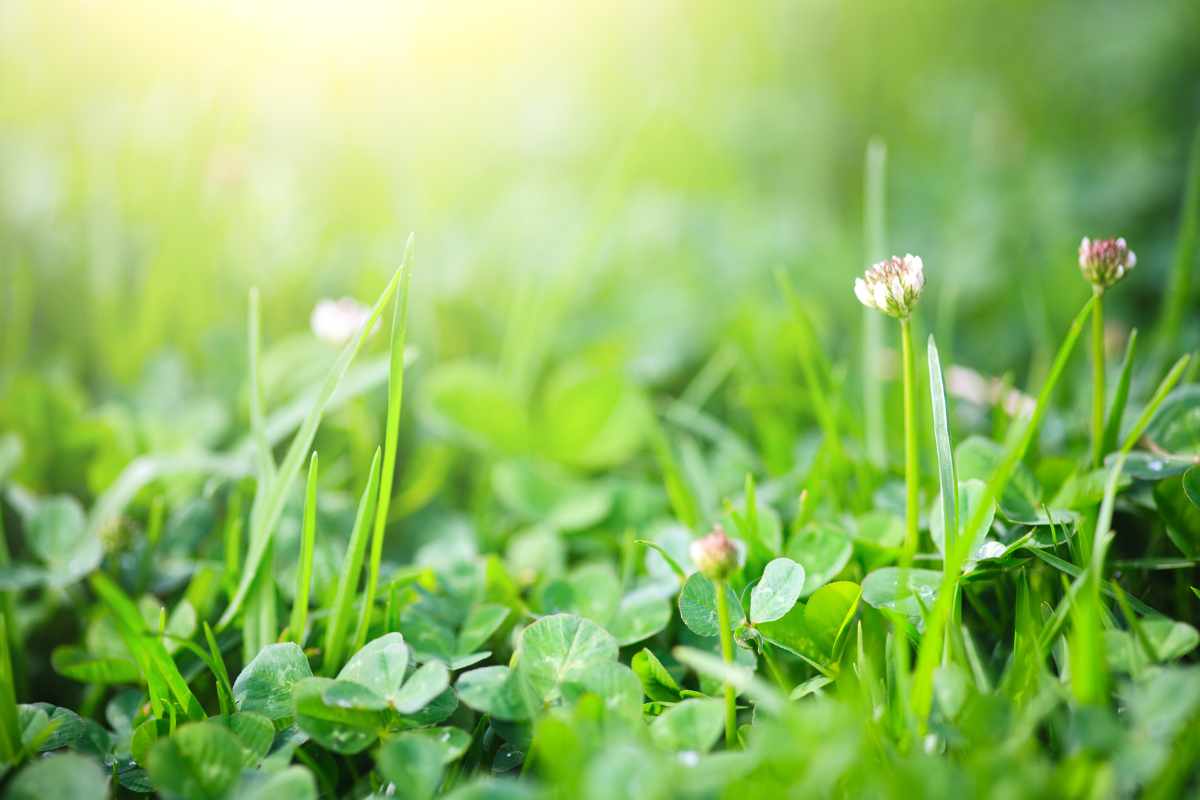
Whether clover is good or bad for your yard depends largely on your personal preferences and lawn care goals. Its benefits, such as nitrogen fixation, drought tolerance, and low maintenance, make it an attractive option for environmentally conscious gardeners and those looking to reduce lawn care efforts.
However, its appearance, potential allergen concerns, and spreading nature can be drawbacks for those seeking a traditional, manicured lawn.
Ultimately, integrating clover into your yard can be a sustainable and beneficial choice, especially when managed thoughtfully.
Whether you embrace clover as part of a diverse lawn or control its spread to maintain a more uniform look, understanding its characteristics can help you create the yard that best suits your needs and desires.
Did you find this post Useful or Inspiring? Save THIS PIN to your GARDENING Board on Pinterest!

Once again, thank you for visiting our website!
We hope you've enjoyed exploring the content we've created for you.
Give yourself the chance to learn, get inspired, and have even more fun, keep browsing...
More Gardening Tips 👇🏼👇🏼