
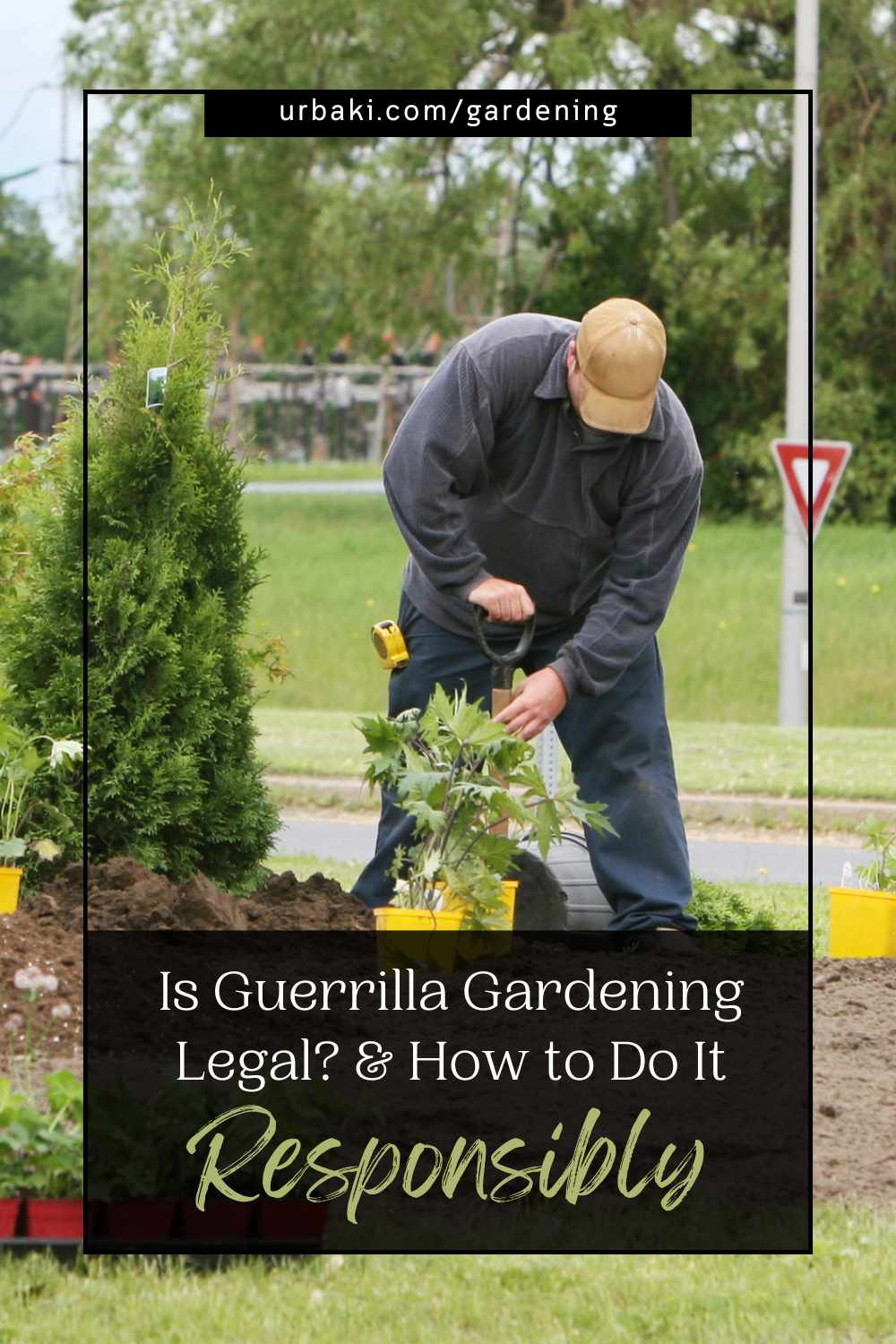
Is Guerrilla Gardening Legal? And How to Do It Responsibly

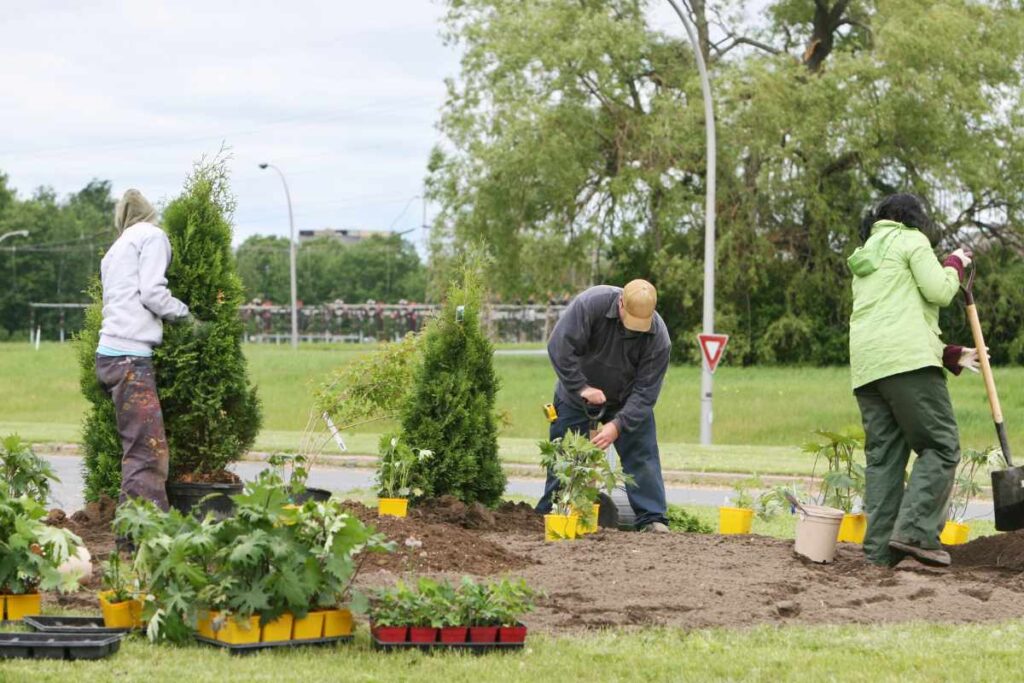
Guerrilla gardening is a bold and creative act: transforming neglected public or private land into something green, colorful, and alive, usually without permission.
From planting flowers in abandoned lots to growing herbs along city sidewalks, it’s an inspiring way to reclaim spaces for nature and community.
But with this rebellious charm comes a key question: Is guerrilla gardening legal? The answer isn’t black and white.
Understanding the legal and ethical sides of this movement is essential if you want to make a difference without causing trouble.
Understanding Guerrilla Gardening
At its core, guerrilla gardening is about activism through planting. It often begins when someone sees a patch of forgotten land—a traffic island, a fenced-off lot, or a tree pit—and decides to make it more beautiful or useful.
This kind of gardening is usually done without ownership or formal permission, which makes it technically illegal in many places, especially when done on private or municipal land.
However, enforcement varies widely. Some cities turn a blind eye or even support these efforts, especially when the results benefit the community. Others may impose fines, remove the plants, or treat the action as trespassing or vandalism.
That’s why knowing the context of your area is so important.
When It Crosses the Legal Line
In most places, planting on land you don’t own or lease falls into a legal gray area. Here are a few scenarios where guerrilla gardening might get you into trouble:
Private Property: Planting on someone else’s land without permission can be considered trespassing. Even if it’s abandoned, it’s still owned by someone.
Public Land: City-owned land, including sidewalks, medians, and parks, often has regulations. Modifying these areas without a permit can result in fines.
Protected Spaces: Natural reserves or historic sites usually have strict rules. Altering vegetation here can lead to serious legal consequences.
That said, many guerrilla gardeners are never prosecuted, especially when their work is seen as thoughtful, safe, and positive. Still, the risk is real, and being aware of it is part of gardening responsibly.
How to Do It Responsibly
If you're inspired to start guerrilla gardening, there are ways to minimize legal risk while maximizing impact. Here are some best practices for responsible action:
Choose Your Site Carefully
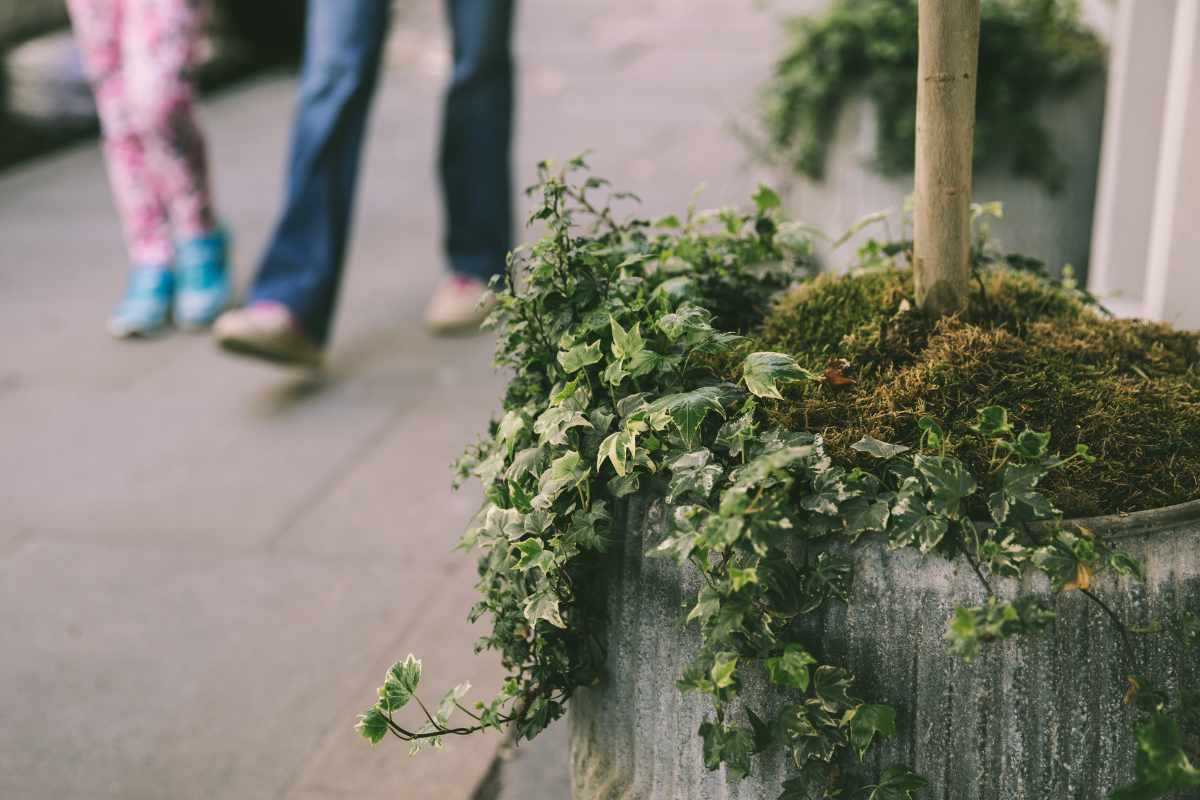
Focus on areas that are neglected and unlikely to cause conflict. Vacant tree pits, roadside verges, or lots that haven’t been maintained in years are often seen as fair game. Avoid pristine, functional, or managed spaces.
Research Ownership
If possible, look into who owns the land. In some cases, a local business, landlord, or city agency might be open to collaboration. What begins as guerrilla gardening can evolve into a community project with proper communication.
Keep It Safe and Non-Invasive
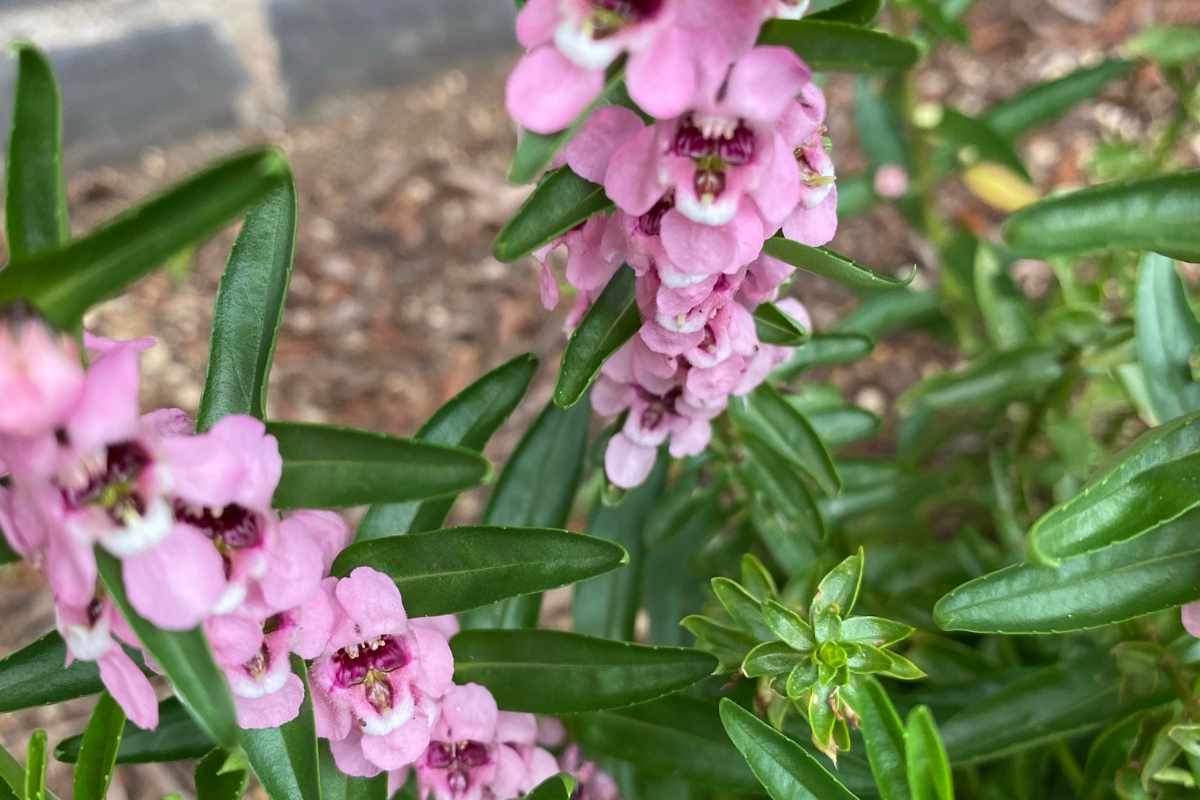
Avoid using plants that could become invasive or harm existing ecosystems. Stick with native species, pollinator-friendly flowers, or low-maintenance herbs. Don’t dig deep or disturb infrastructure—roots near sidewalks or cables can create problems.
Avoid Toxic Materials
Never use contaminated soil, treated wood, or non-compostable materials. Responsible guerrilla gardening is about healing the land, not introducing new hazards. Keep it as natural and eco-friendly as possible.
Garden with a Purpose
Are you planting for beauty, pollinators, food, or shade? Having a clear purpose will guide your choices and make the garden more meaningful to the community. Purpose-driven planting also shows thoughtfulness, which may win support from neighbors or local authorities.
Respect the Space
You’re not just planting—you’re stewarding. Check on your garden regularly. Water when needed, remove litter, and prune when necessary. A tidy, thriving garden is more likely to be accepted and respected.
Work Discreetly (But Not Secretly)
Some guerrilla gardeners plant by night, while others garden openly during the day. If you're concerned about enforcement, being discreet helps. But in many neighborhoods, being visible, friendly, and communicative can lead to support instead of resistance.
When Guerrilla Gardening Becomes Community Gardening
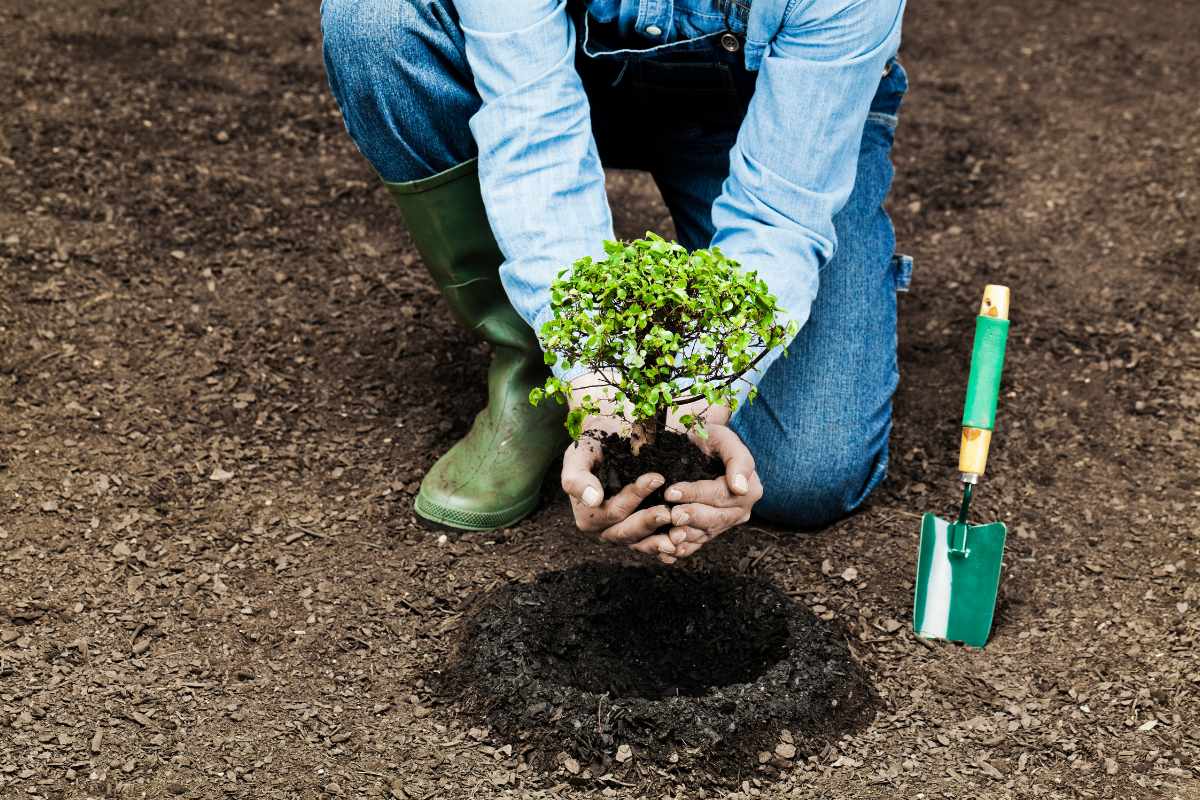
Not all guerrilla gardens remain unauthorized forever. Many begin informally and eventually gain recognition or community backing. When neighbors see value—flowers replacing trash, bees returning, or food being shared—they’re more likely to help protect and maintain the garden.
In some cities, gardeners have even received permits or grants to continue their work. What begins as a quiet act of protest can grow into a lasting neighborhood asset when done respectfully.
Did you find this post useful or inspiring? Save THIS PIN to your GARDEN Board on Pinterest!
More Gardening Tips 👇🏼👇🏼