
Is Mulch the Same as Compost?

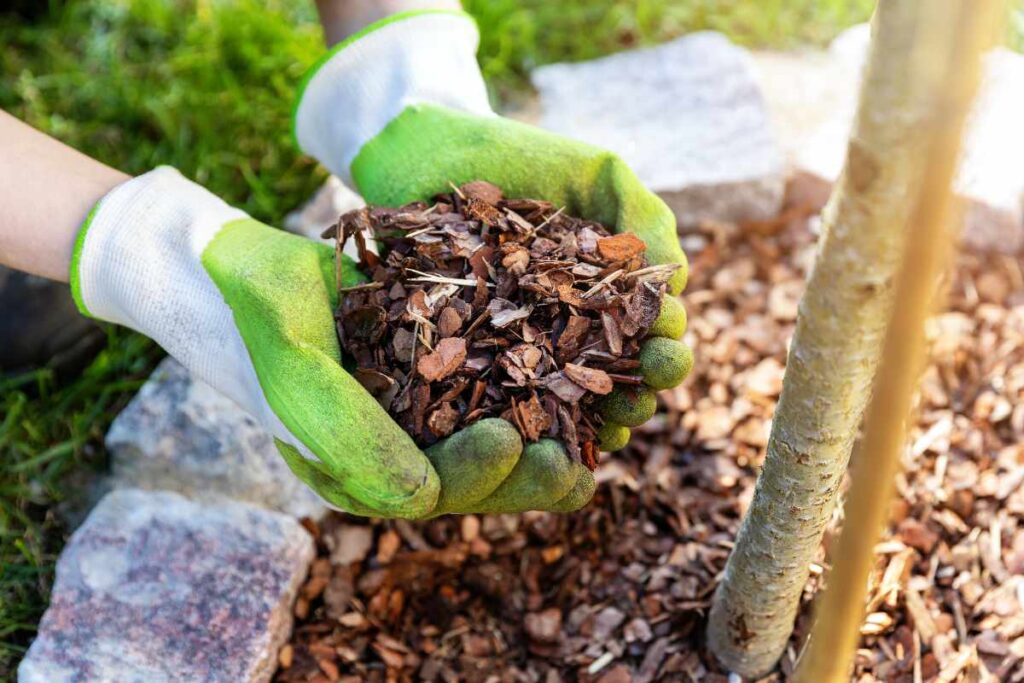
Mulch is an indispensable ally, wielding a multitude of benefits that serve as the cornerstone for fostering robust plant growth and nurturing soil vitality.
Yet, amidst its undeniable utility, the question often arises: what precisely constitutes mulch, and how does it stand apart from compost, another revered component of gardening?
Moreover, in the diverse landscape of mulch options, which variety holds sway as the ultimate choice for gardeners seeking optimal results?
And what changes happen as mulch slowly breaks down? Join us as we clear up the layers of mystery surrounding mulch, looking at what it's made of, its many uses, and what it means for the balance of your garden's ecosystem.
What is Mulch Made of?
Mulch is a protective layer of material spread over the soil's surface to retain moisture, suppress weeds, and regulate soil temperature.
While various materials can be used as mulch, common organic options include shredded bark, wood chips, straw, leaves, and grass clippings.
These materials not only enhance the aesthetic appeal of your garden but also provide valuable nutrients as they break down over time.

Mulch vs. Compost - Understanding the Difference
Although mulch and compost share some similarities, they serve distinct purposes in the garden.
Compost is a nutrient-rich soil amendment produced through the decomposition of organic matter such as kitchen scraps, yard waste, and manure.
It enriches the soil with essential nutrients and improves its structure, making it ideal for planting and nourishing plants.
On the other hand, mulch primarily serves as a protective covering for the soil, helping retain moisture, regulate temperature, and suppress weed growth.
While compost can be used as mulch, not all mulch is compost, as mulch may consist of materials that have not undergone full decomposition.
What's the Best Type of Mulch?
Choosing the right mulch for your garden depends on various factors, including climate, soil type, and aesthetic preferences. Some popular options include:
- Organic Mulch: Made from natural materials like bark, wood chips, or straw, organic mulch enriches the soil as it breaks down and provides a habitat for beneficial microorganisms.
- Inorganic Mulch: Materials such as gravel, stones, or landscape fabric serve as durable, long-lasting mulch options that do not decompose but effectively suppress weeds and retain moisture.
- Mulch Blends: Combining different types of mulch can offer the benefits of both organic and inorganic materials, providing a balance of nutrient enrichment and weed suppression.
Does Mulch Decompose?
Yes, mulch decomposes over time as organic materials break down, releasing nutrients into the soil and contributing to its fertility.
The rate of decomposition depends on factors such as material type, climate, and microbial activity. Organic mulches typically decompose faster than inorganic mulches, requiring periodic replenishment to maintain their effectiveness.
However, this decomposition process also adds organic matter to the soil, improving its structure and supporting plant health in the long run.
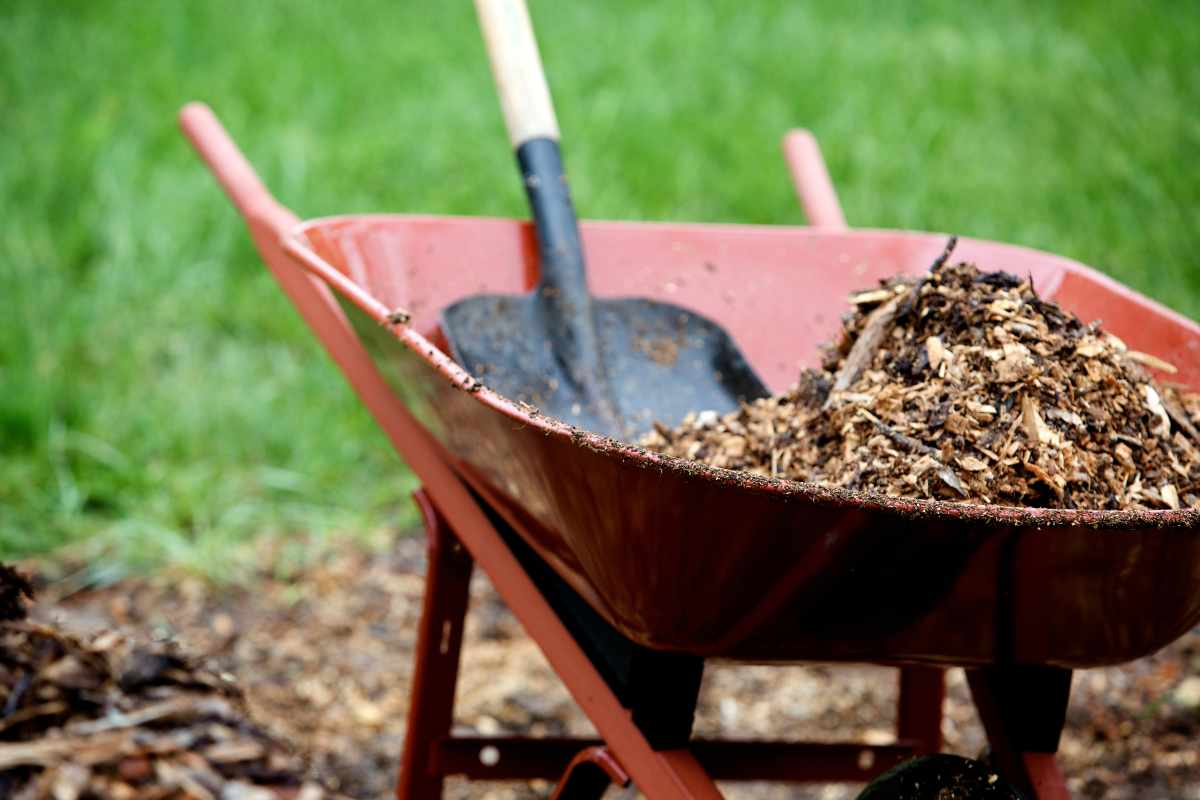
Incorporating mulch into your gardening routine is a simple yet effective way to enhance the health and vitality of your plants and soil.
By understanding the composition of mulch, distinguishing it from compost, selecting the best type for your garden, and recognizing its decomposition process, you can harness the full potential of this valuable resource.
Whether you opt for organic or inorganic mulch, remember that its benefits extend far beyond aesthetics, enriching your garden ecosystem and paving the way for lush, thriving plants year-round.
Did you find this post Useful or Inspiring? Save THIS PIN to your GARDENING Board on Pinterest!

Once again, thank you for visiting our website!
We hope you've enjoyed exploring the content we've created for you.
Give yourself the chance to learn, get inspired, and have even more fun, keep browsing...
More Gardening Tips 👇🏼👇🏼