
All You Need to Know about Lemongrass Plant (Technical Sheet)


Lemongrass is more than just a flavorful herb often used in Asian cuisine—it offers a range of benefits, from its distinct citrusy scent to its natural pest-repellent properties.
Whether you're looking to grow it in your garden or in a pot, this guide covers everything you need to know to cultivate healthy, thriving lemongrass.
What is Lemongrass?
Lemongrass (Cymbopogon citratus) is a tropical plant native to Southeast Asia.
It's prized for its culinary uses and medicinal properties. With its long, grassy leaves that release a lemon-scented oil, lemongrass is a fantastic addition to herb gardens.
Plus, it’s a hardy plant that can thrive in many environments, making it suitable for both seasoned gardeners and beginners.

Ideal Growing Conditions for Lemongrass
To grow lemongrass successfully, it’s important to replicate its natural environment as closely as possible.
Here are the essential growing conditions for lemongrass:
1. Light Requirements
Lemongrass thrives in full sunlight. Ideally, it should get at least 6 hours of direct sunlight each day.
If you're growing lemongrass indoors, place it near a south-facing window to ensure it gets ample light.
2. Soil Conditions
Lemongrass prefers well-draining soil that’s slightly acidic to neutral (pH 6.0–7.0). You can improve the drainage by adding organic matter like compost to your garden bed.
If planting in a container, ensure the pot has drainage holes to prevent waterlogging.
3. Temperature and Humidity
Being a tropical plant, lemongrass requires warmth to grow well.
The ideal temperature range for lemongrass is between 70°F and 85°F (21°C to 29°C).
It thrives in humidity but can tolerate dry conditions if watered adequately.

Caring for Your Lemongrass
Once your lemongrass is established, it’s relatively low-maintenance. However, following the right care practices will ensure healthy growth:
1. Watering
Lemongrass enjoys regular watering, especially during the hot summer months.
Keep the soil consistently moist but not waterlogged. Overwatering can lead to root rot, so it’s crucial to let the soil dry out a bit between waterings.
2. Fertilization
Lemongrass is a heavy feeder. Use a balanced, slow-release fertilizer once every month during the growing season (spring and summer).
Organic compost or fish emulsion also works well to nourish the plant.
3. Pruning and Maintenance
Trim the outer leaves of the plant regularly to encourage new growth.
You can harvest lemongrass at any time once the plant is established—simply cut the stalks near the base, and new shoots will grow.

Propagating Lemongrass
Lemongrass can be propagated through division or from cuttings. Here’s how you can do it:
1. Division Method
The most common way to propagate lemongrass is by dividing the clumps.
When your lemongrass plant becomes crowded, dig it up and separate the root clumps into smaller sections.
Replant the divisions in fresh soil to establish new plants.
2. From Cuttings
You can also propagate lemongrass from cuttings. Take a healthy stalk and place it in a jar of water.
In a few weeks, the roots will start to grow. Once they’re about 2–3 inches long, you can transplant the cutting into soil.

Lemongrass vs. Lemon Verbena
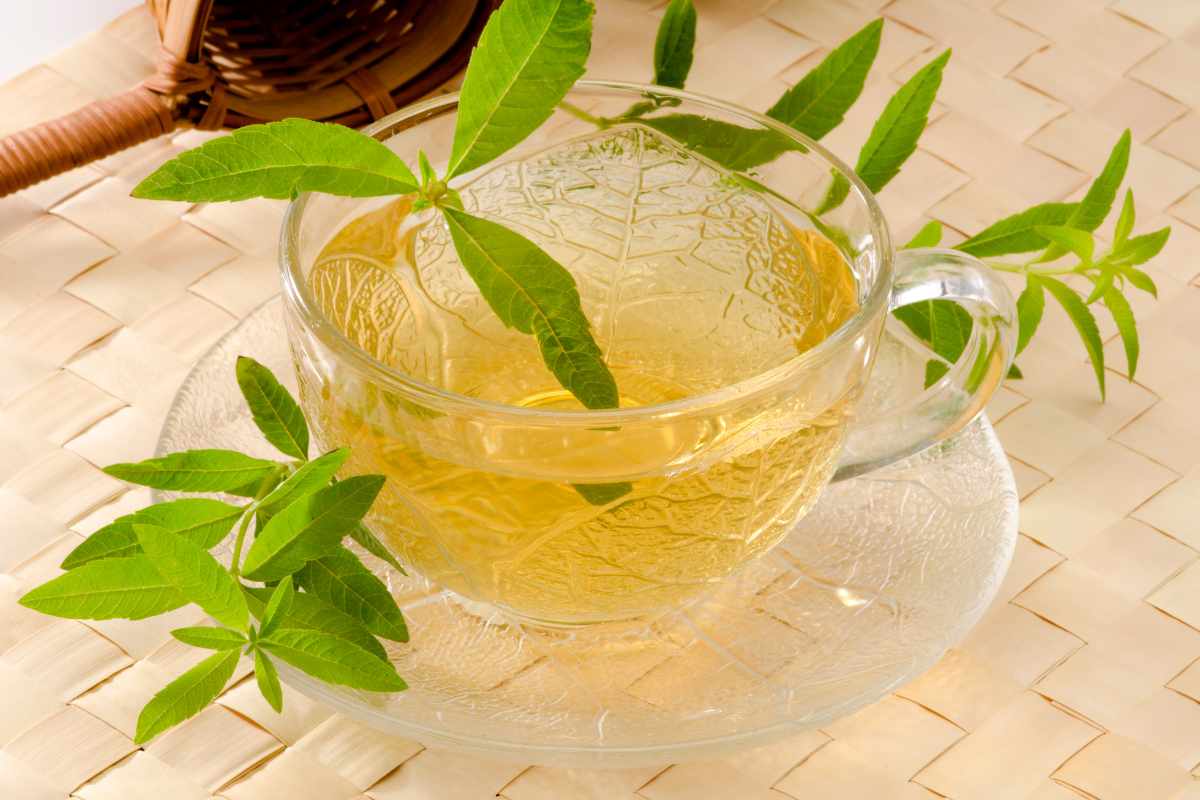
While both lemongrass and lemon verbena add a delightful lemon flavor to teas and dishes, they are quite different in terms of appearance and growing needs.
Lemongrass is a moisture-loving grass, while lemon verbena (Aloysia citrodora) is a woody herb that prefers drier soil.
Additionally, lemon verbena produces small white flowers and is better suited for use in cold dishes, as its delicate essential oils evaporate during cooking.
Lemongrass, on the other hand, is more robust and can withstand cooking temperatures without losing its flavor.
Pests and Problems
Lemongrass is generally pest-resistant, but it can occasionally attract aphids, whiteflies, and spider mites.
If you notice any of these pests, try spraying the plant with a mixture of water and dish soap or using neem oil for a more natural solution.
Common issues that might affect lemongrass include:
Yellowing Leaves: This could be a sign of overwatering or poor drainage. Ensure the plant isn't waterlogged, and trim away any affected leaves.
Stunted Growth: If your lemongrass is growing slowly, it may need more sunlight, fertilizer, or water.
Harvesting and Using Lemongrass
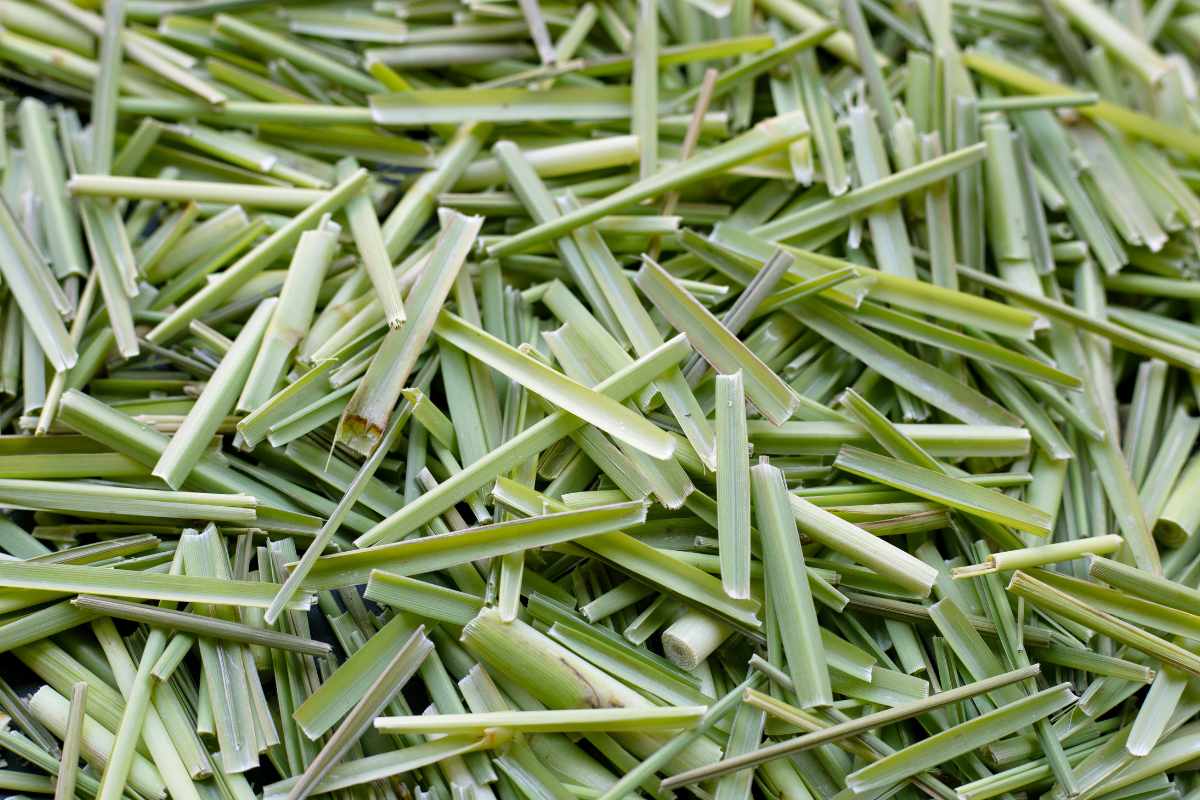
Lemongrass is ready to harvest when the stalks are about 12 inches long.
Simply cut the outer stalks and use them fresh in cooking or dry them for later use. It’s great in soups, teas, curries, and marinades.
Storage Tips
Fresh: Store lemongrass in the fridge wrapped in a damp paper towel, or place it in a glass of water for a few days to prolong its freshness.
Dried: To preserve lemongrass, tie the stalks in small bundles and hang them in a dry, warm place. Once dried, you can store them in an airtight container.
Start Growing Lemongrass Today
With its versatility and easy-to-follow care instructions, lemongrass is an excellent addition to your garden or kitchen.
Whether you're using it for culinary delights or natural remedies, this plant is sure to impress.
Follow the tips outlined in this guide, and soon you'll be harvesting your own fresh lemongrass.
Did you find this post useful or Inspiring? Save THIS PIN to your Gardening Board on Pinterest! 😊

Once again, thank you for visiting our website!
We hope you've enjoyed exploring the content we've created for you.
Give yourself the chance to learn, get inspired, and have even more fun, keep browsing...
More Gardening Tips 👇🏼👇🏼