
- Urbaki Gardening
- Planting Flowers
- Lungwort (Pulmonaria): A Shade-Lover with Spotted Leaves
Lungwort (Pulmonaria): A Shade-Lover with Spotted Leaves

Emily Brooks
06/08/2025 · Updated on: 04/02/2026
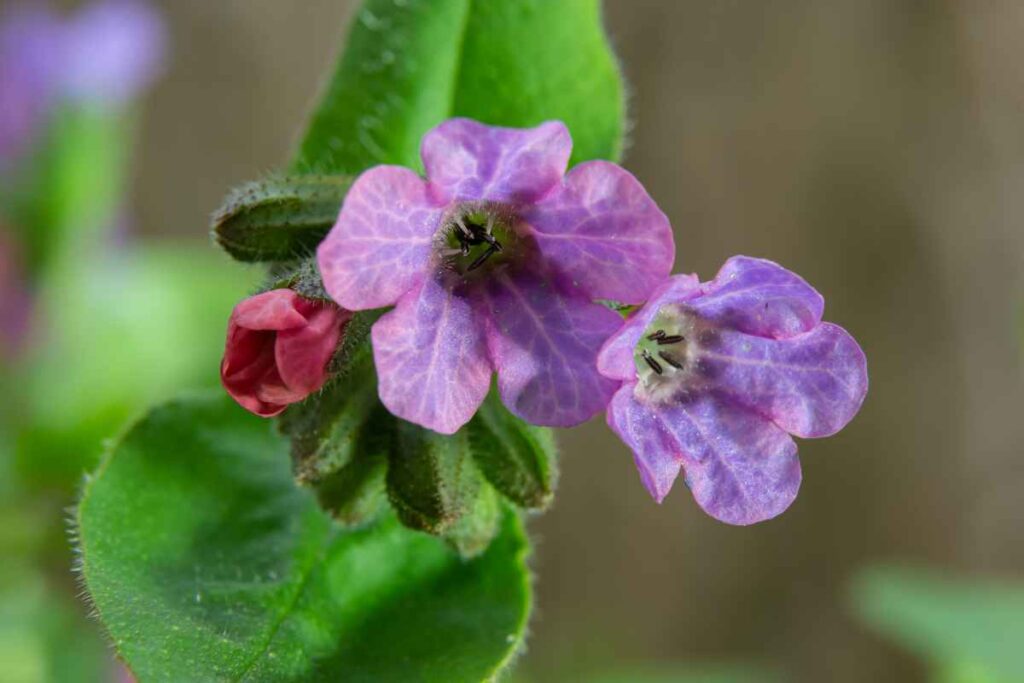
If you're looking to add a touch of unique beauty to your garden, Lungwort (Pulmonaria) is an excellent choice. Known for its striking, spotted leaves and vibrant spring flowers, this hardy perennial thrives in shady areas, making it perfect for those hard-to-plant spots under trees or in low-light gardens.
Lungwort is not only a charming addition to your garden but also offers a host of benefits, including its ability to attract pollinators and improve soil quality. In this article, we’ll explore the key features of Lungwort, its care requirements, and why it’s such a valuable plant for gardeners, especially those with shaded spaces.
What is Lungwort (Pulmonaria)?
Lungwort, scientifically known as Pulmonaria, is a genus of flowering plants native to Europe and parts of Asia.
The plant gets its common name from its leaves, which were once thought to resemble the appearance of human lungs, a belief rooted in the Doctrine of Signatures, an ancient herbal theory that suggested plants with features resembling body parts could be used to treat corresponding ailments.
Despite its somewhat unusual name, Lungwort is a beloved garden plant due to its unique combination of beautiful foliage and early spring blooms.
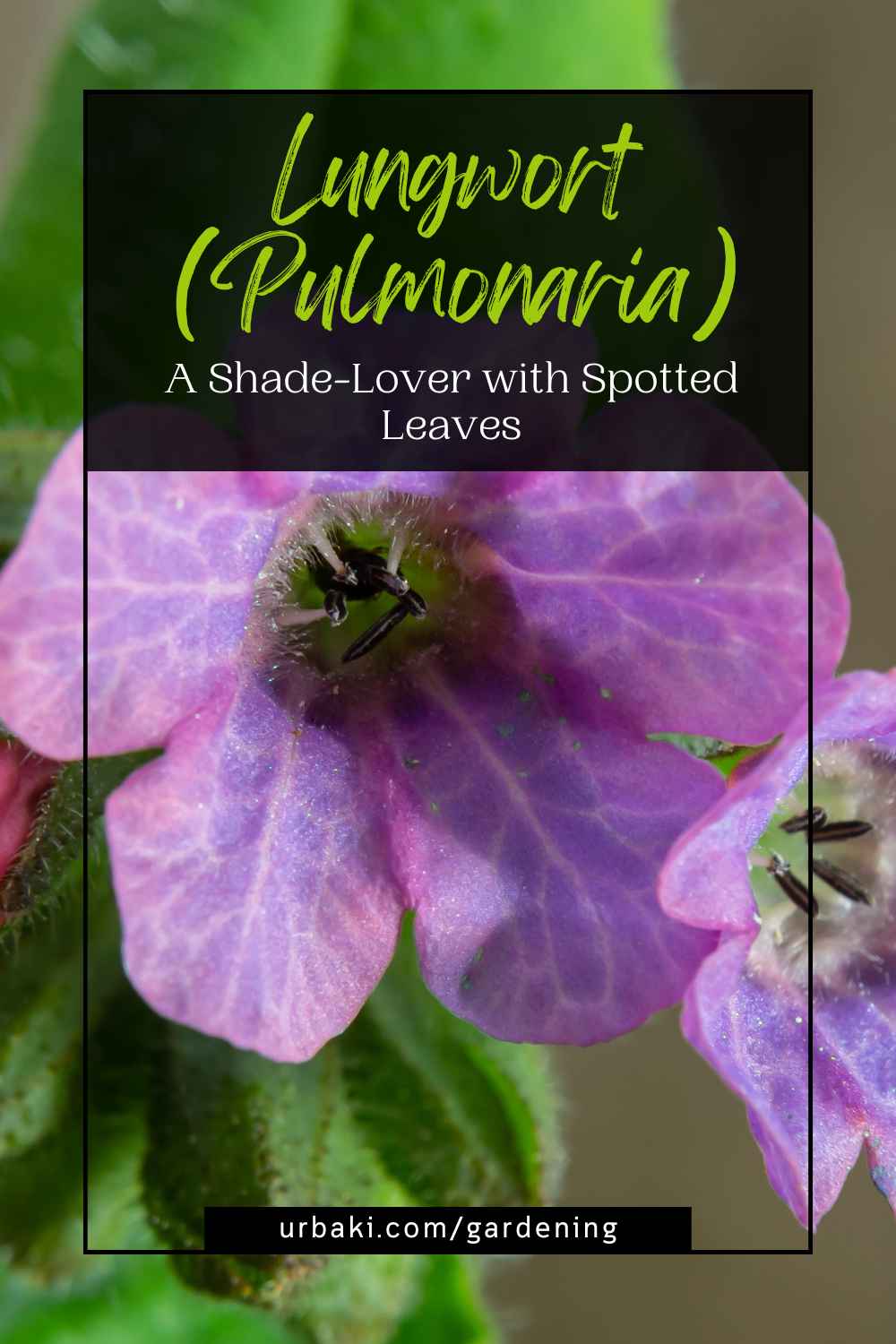
The leaves of Pulmonaria are often spotted or mottled with silver, providing year-round interest even when the plant is not in bloom. The flowers, which appear in early spring, range from blue to pink and create a striking contrast against the foliage.
Key Characteristics of Lungwort
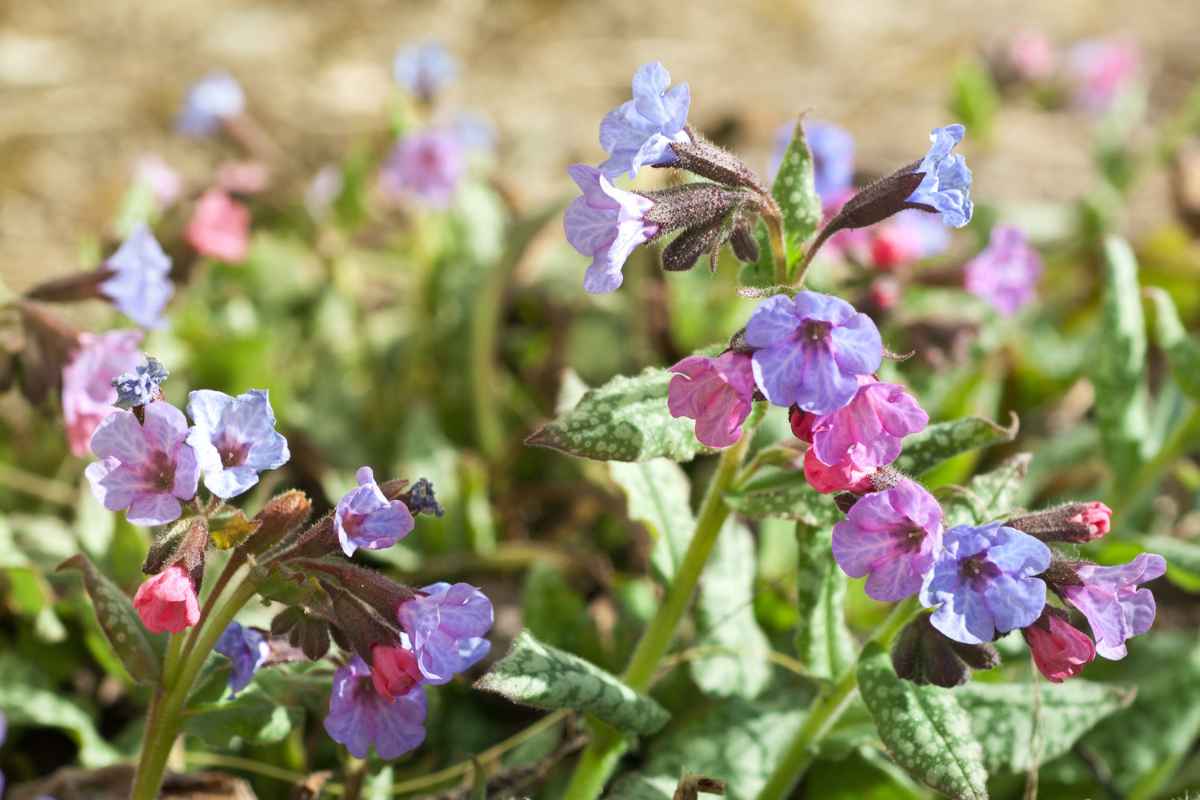
Foliage: Lungwort leaves are broad, ovate, and often covered in a silvery or whitish mottling, which gives the plant a striking appearance. The spots or silver markings are typically more pronounced on young leaves.
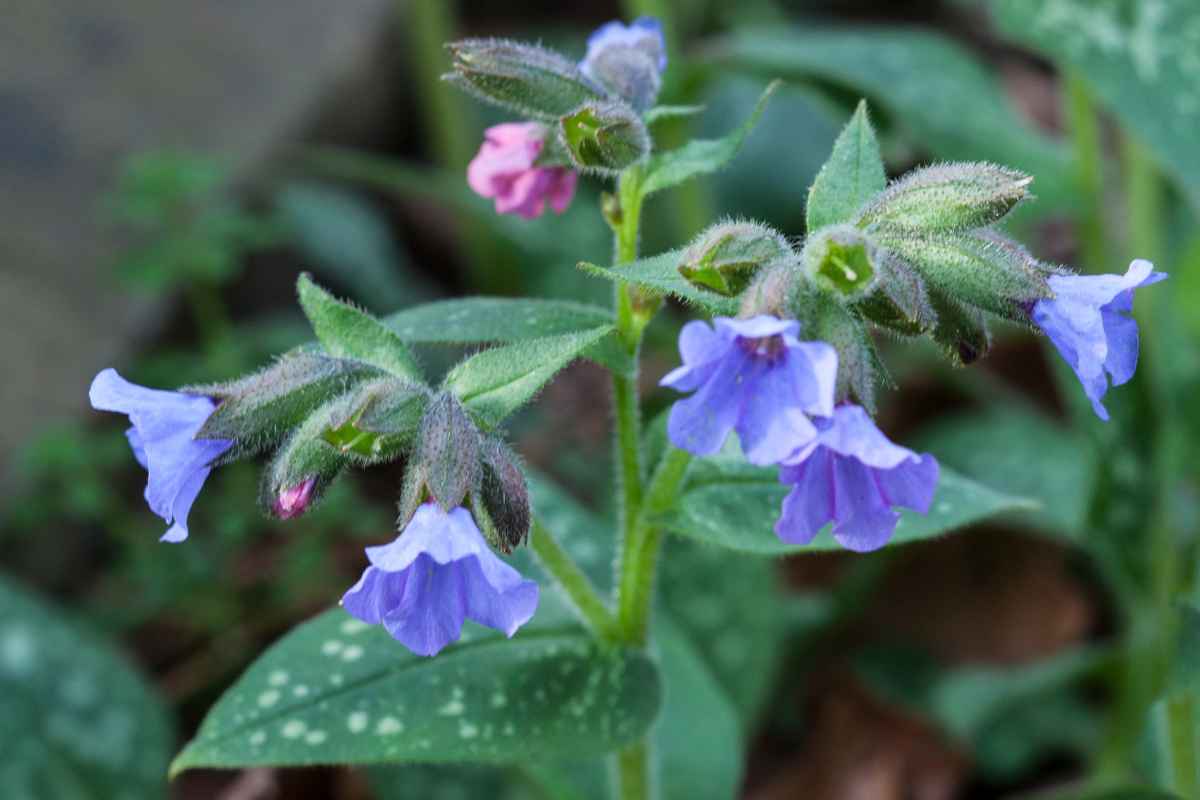
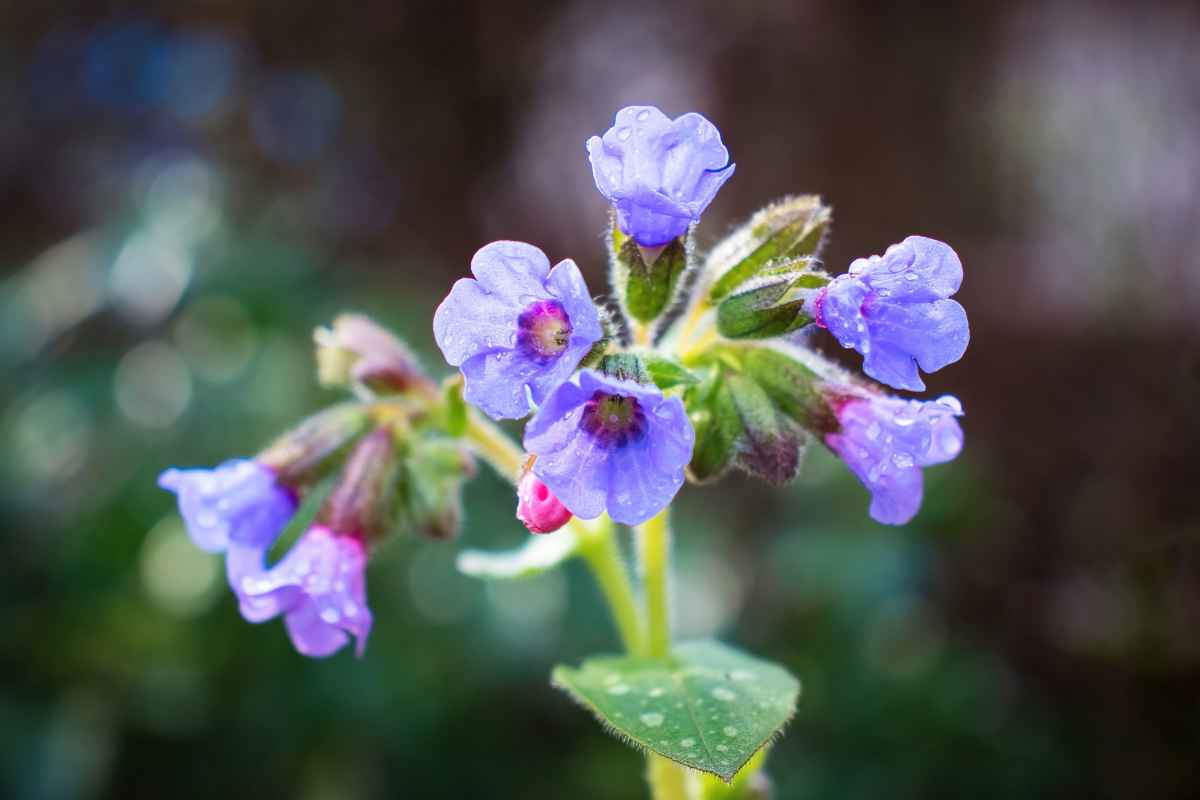
Flowers: Lungwort blooms in early spring, typically from March to May, depending on the climate. The flowers start as rose-pink, fading to blue as they mature. The plant’s clusters of bell-shaped flowers are highly attractive to bees and other pollinators.
Height and Spread: Lungwort plants generally grow between 8 to 12 inches tall and spread about 12 to 18 inches, making them an excellent option for filling in shady borders or woodland gardens.
Hardiness: Lungwort is hardy in zones 3-8, meaning it can tolerate a wide range of climates, from cooler northern regions to milder southern climates.
Why Lungwort is Perfect for Shaded Spaces
Lungwort is a shade-loving plant, making it a great choice for gardens with low light. Many gardeners struggle to find suitable plants for areas under trees or along the north side of buildings, where sunlight is limited.
Unlike many other plants that require full sun to thrive, Lungwort thrives in partial to full shade, making it a valuable addition to these challenging spaces.
Tolerates Low Light Conditions
Lungwort’s ability to flourish in shaded areas is one of its defining features. While it can tolerate some sun, it performs best when grown in cool, shaded environments where the soil remains moist but well-drained. This makes it an ideal choice for:
Woodland gardens
Shady borders
Underplanting trees
Areas with dappled sunlight
The plant's natural habitat includes forest floors and meadows, where it grows in the filtered light of taller plants. By recreating these conditions in your garden, you can enjoy the beauty of Lungwort while supporting the local ecosystem.
Moist, Well-Drained Soil
In addition to its preference for shade, Lungwort thrives in moist, well-drained soil. This is particularly important in shaded areas, which tend to retain more moisture. The plant does best in slightly acidic to neutral soil, making it suitable for a variety of garden types.
Tip: Ensure good drainage to prevent root rot, especially in heavy, clay soils. You can amend the soil with organic matter, like compost, to improve both moisture retention and drainage.
How to Grow and Care for Lungwort
Lungwort is relatively easy to grow and requires minimal maintenance once established. However, providing it with the right growing conditions is essential to its success. Here’s a step-by-step guide to growing and caring for Lungwort:
1. Planting Lungwort
Lungwort is best planted in the spring or fall, allowing the roots to establish themselves before the growing season. Follow these steps for successful planting:
Choose the Right Location: Find a spot in your garden that receives partial to full shade. Aim for soil that is rich in organic matter and drains well.
Prepare the Soil: Before planting, amend the soil with compost or organic matter to ensure it is nutrient-rich and retains moisture. Lungwort prefers slightly acidic to neutral soil, so avoid overly alkaline soils.
Planting Depth: Dig a hole slightly larger than the root ball, and plant Lungwort at the same depth it was in the nursery container. Water thoroughly after planting to help the roots settle in.
2. Watering and Fertilizing
Lungwort prefers consistent moisture but doesn’t tolerate standing water. Make sure the soil is kept moist but not soggy, especially during dry periods.
Watering: Water the plant regularly, especially during dry spells, but allow the soil to dry out slightly between waterings.
Fertilizing: Lungwort generally doesn’t need heavy fertilization. If your soil is nutrient-poor, you can apply a balanced, slow-release fertilizer in the spring. Over-fertilizing can result in lush foliage at the expense of blooms, so be cautious.
3. Pruning and Maintenance
Lungwort requires little pruning, but deadheading the flowers after blooming can help encourage a tidy appearance. The foliage often stays attractive throughout the growing season, providing continued interest in the garden.
Remove Dead Leaves: In late fall or early spring, you can remove any dead or damaged leaves to keep the plant healthy.
Mulching: Apply a layer of mulch around the base of the plant to keep the soil moist and protect the roots during winter.
4. Dividing and Propagating
Lungwort can be divided every 2-3 years to maintain its vigor and prevent overcrowding. Divide the plant in early spring or fall by carefully separating the root clumps. Replant the divisions in well-prepared soil.
Lungwort can also be propagated by seed, though it may take some patience. Seeds should be sown in early spring in a cold frame or under plastic to encourage germination. Once the seedlings are large enough to handle, transplant them to your desired location.
Common Problems and Pests
Lungwort is generally a pest-resistant plant, but like all garden plants, it can face occasional issues. The most common problems for Lungwort include:
1. Powdery Mildew
Powdery mildew is a fungal disease that affects many garden plants, and Lungwort is no exception. It appears as white, powdery spots on the leaves and can eventually cause the leaves to turn yellow and fall off.
Solution: Ensure good air circulation around the plant, as poor circulation encourages the growth of mildew. If mildew appears, treat the plant with an organic fungicide or remove affected leaves.
2. Slugs and Snails
Slugs and snails are known to feast on Lungwort's tender leaves, especially in moist conditions. While not usually a major problem, they can cause significant damage if left unchecked.
Solution: Hand-pick slugs and snails off the plant or use organic slug repellents such as diatomaceous earth or copper strips around the base of the plant.
3. Leaf Spot Diseases
Leaf spot diseases can also affect Lungwort, causing spots or lesions to appear on the leaves. These diseases are typically caused by excess moisture or poor air circulation.
Solution: Remove infected leaves and ensure your plant is growing in well-drained soil. Space plants appropriately to allow for good airflow.
Lungwort (Pulmonaria) is an exceptional choice for any garden, especially those with shaded or woodland areas. With its striking foliage, early spring blooms, and low-maintenance care, Lungwort offers year-round interest and serves as a valuable addition to any landscape.
Its ability to thrive in shade while attracting pollinators like bees and butterflies makes it a green hero for both gardeners and the environment.
Whether you're a seasoned gardener or just starting, Lungwort’s beauty and versatility make it a must-have for creating vibrant, eco-friendly gardens. By following the simple care tips in this article, you can enjoy a thriving Lungwort plant that will brighten your shady spaces and contribute to the health of your garden for years to come.
Did you find this post useful or inspiring? Save THIS PIN to your GARDEN Board on Pinterest!
Emily Brooks
I’m Emily, a lifelong nature lover with dirt on my boots and a passion for all things green. I don’t claim to be a botanist; I’m just an enthusiast who believes that every backyard—no matter how small—can become a sanctuary. After years of trial and error (and more than a few wilted ferns), I’m sharing my honest journey of growing flowers and veggies. Let's learn from the seasons and grow something beautiful together!
More Gardening Tips 👇🏼👇🏼