
NERVE PLANT (Fittonia) Care Tips

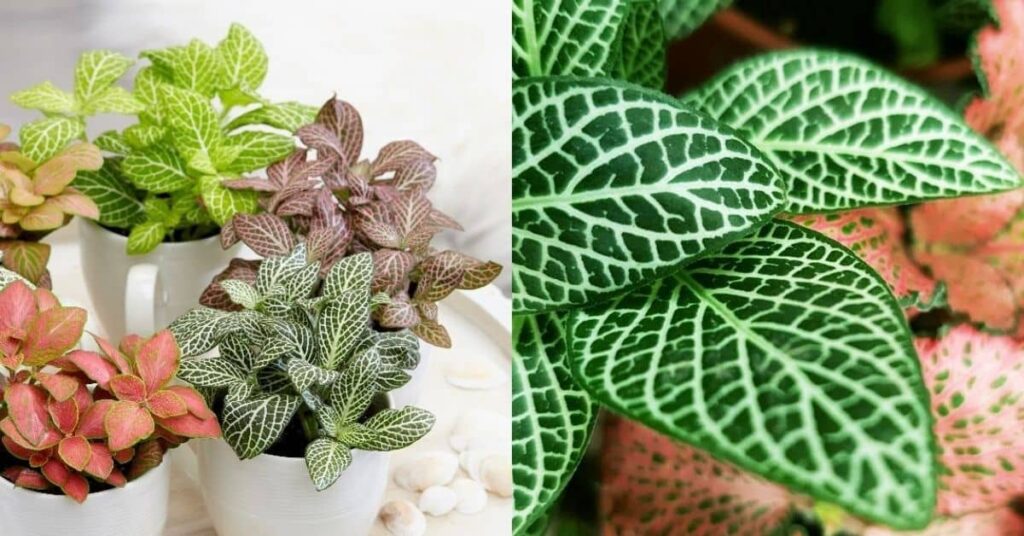
Fittonia, commonly known as nerve plant, is a stunning tropical houseplant that can instantly brighten up any room.
With their intricately patterned leaves in shades of pink, red, light green, or white, they add a unique pop of color to your indoor spaces.
These vibrant patterns contrast beautifully with their dark green foliage, making nerve plants a favorite among houseplant enthusiasts.
Let’s explore the essential care tips to keep your Fittonia healthy and thriving.
Why Choose a Nerve Plant?
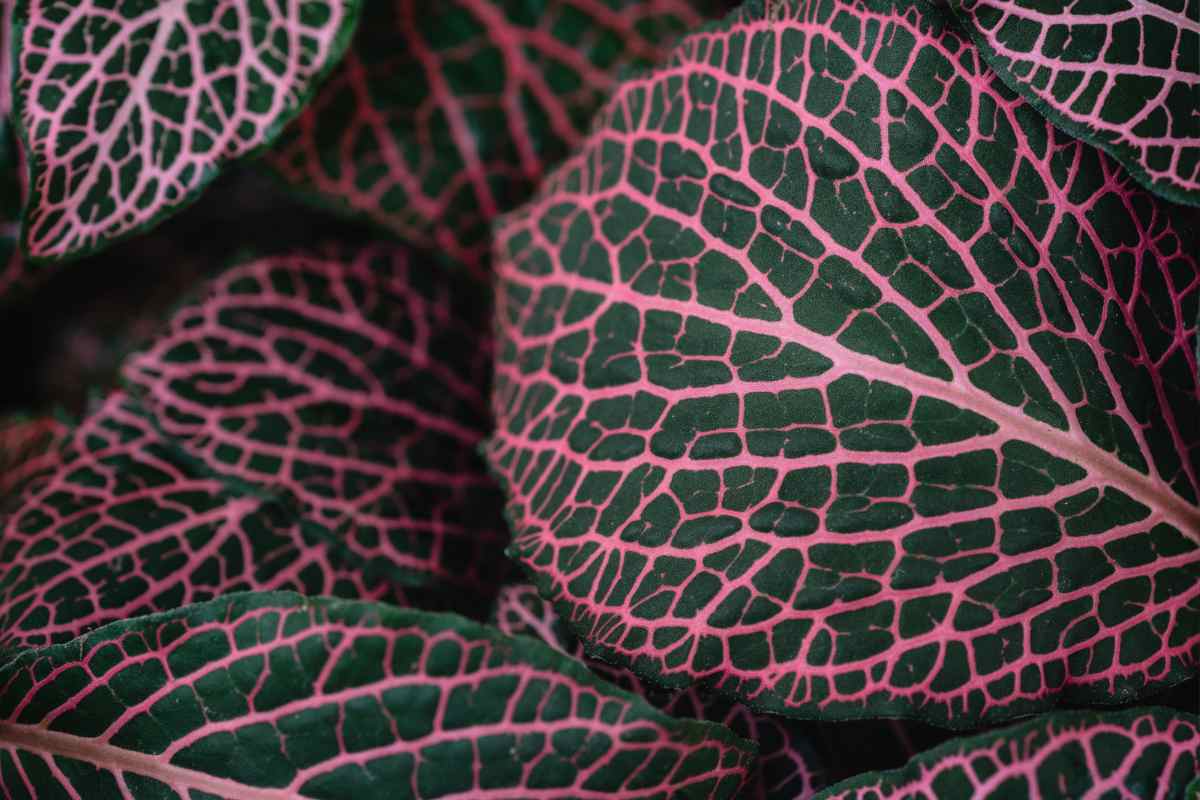
Fittonias are more than just pretty foliage—they’re also easy to care for and bring a tropical vibe to your home.
Known by several names, such as vein plant, mosaic plant, and painted net plant, their appeal lies in their ability to adapt to indoor environments while adding a sophisticated touch to your decor.
Whether you’re a beginner or a seasoned plant lover, nerve plants are an excellent choice for enhancing your indoor garden.
Lighting Needs for Fittonia
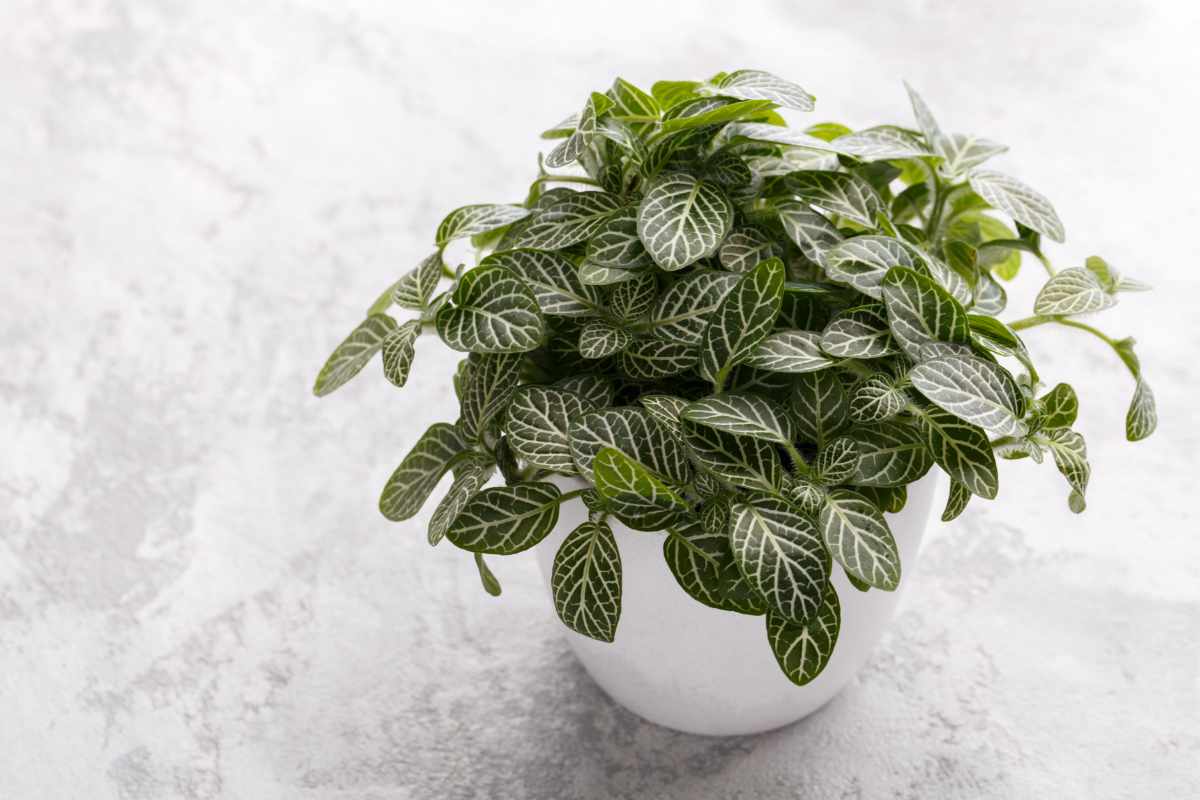
While nerve plants are tropical by nature, they thrive in bright, indirect light.
Direct sunlight can scorch their delicate leaves, so it’s best to place them near a window with filtered light or in a well-lit room away from harsh rays.
If your Fittonia starts losing its vibrant colors, it might not be getting enough light, so consider adjusting its placement.
Watering Tips for Nerve Plants
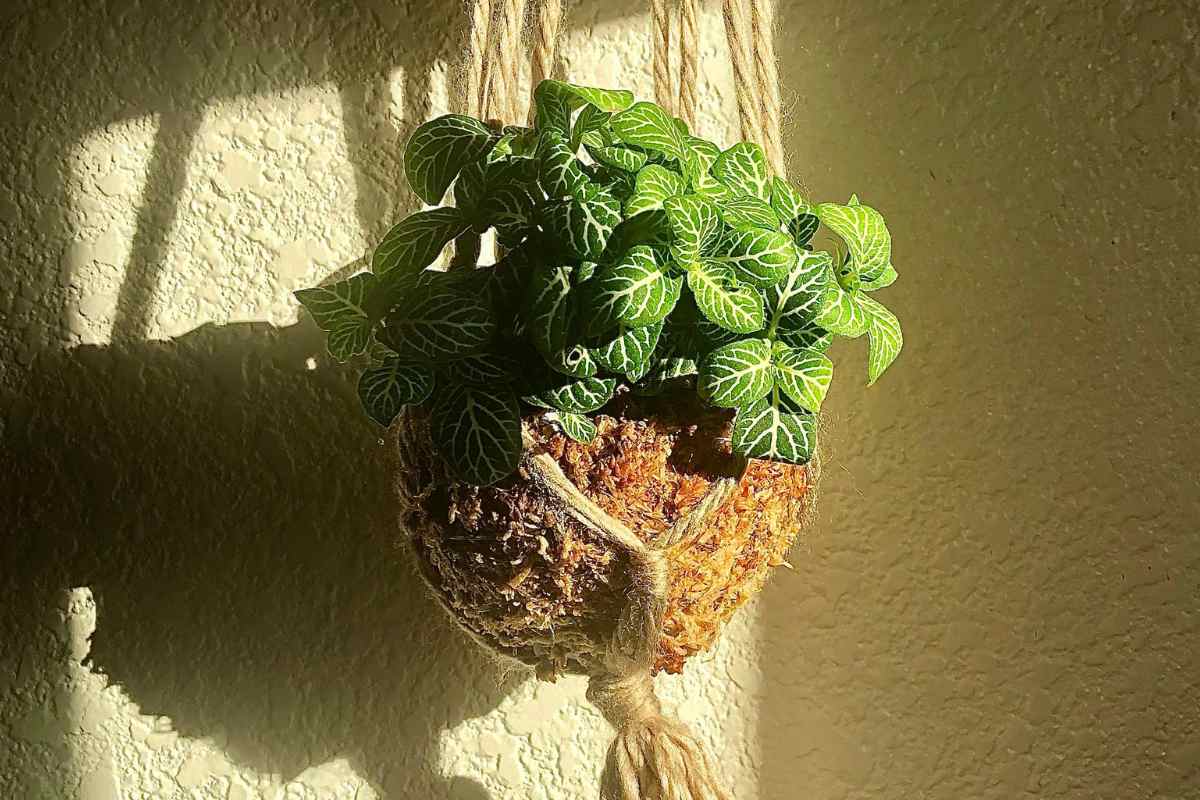
Fittonias prefer a humid environment and consistently moist soil, but overwatering can lead to root rot.
Water your nerve plant when the top layer of soil feels dry to the touch, and avoid letting it sit in standing water.
A regular misting routine will also help mimic its tropical habitat, keeping the plant hydrated and happy.
Ideal Temperature and Humidity
Nerve plants thrive in warm, humid conditions, making them perfect for bathrooms or kitchens where humidity levels are naturally higher.
Aim for a temperature range of 65–80°F (18–26°C) and consider using a pebble tray or humidifier if your home tends to be dry.
Soil and Fertilizer Needs
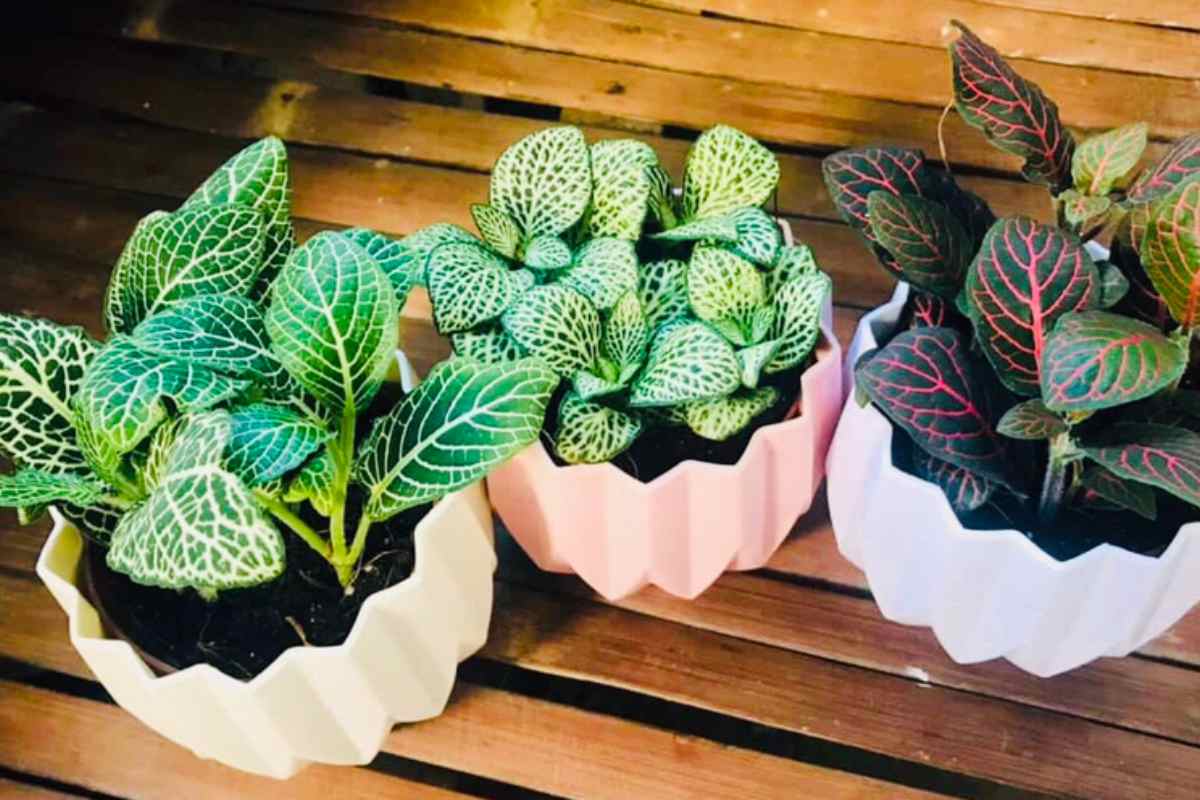
Fittonias grow best in well-draining, nutrient-rich soil. A mix designed for houseplants or one that includes peat moss and perlite works well.
Fertilize your nerve plant monthly during the growing season with a balanced, water-soluble fertilizer to promote vibrant foliage and healthy growth.
Pruning and Repotting
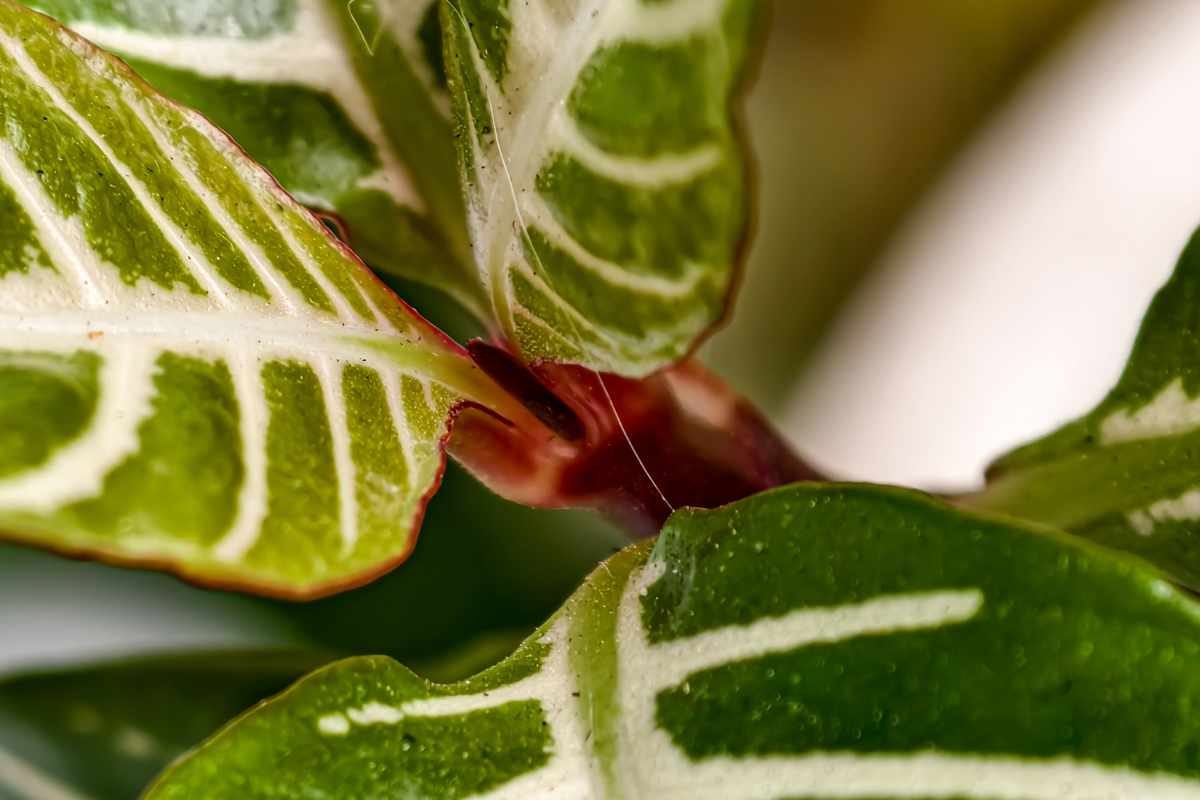
To keep your Fittonia looking its best, trim any leggy or damaged growth regularly. This encourages a fuller, bushier plant.
Repot your nerve plant every 1–2 years or when it becomes root-bound, using a slightly larger pot to allow room for growth.
A Tropical Touch for Your Home
With the right care, Fittonias can be a low-maintenance yet striking addition to your indoor plant collection.
Their vibrant, veined leaves bring life to any space, making them a perfect choice for plant enthusiasts of all levels.
For a detailed guide on caring for your nerve plant, check out the expert advice in this video by Good Growing and start your Fittonia journey today!
Enjoy This Video Tutorial

Source: Good Growing
Don’t forget to Subscribe to our Newsletter to receive amazing tips and tricks about Gardening and the FREE Ebook Green Living Strategies!
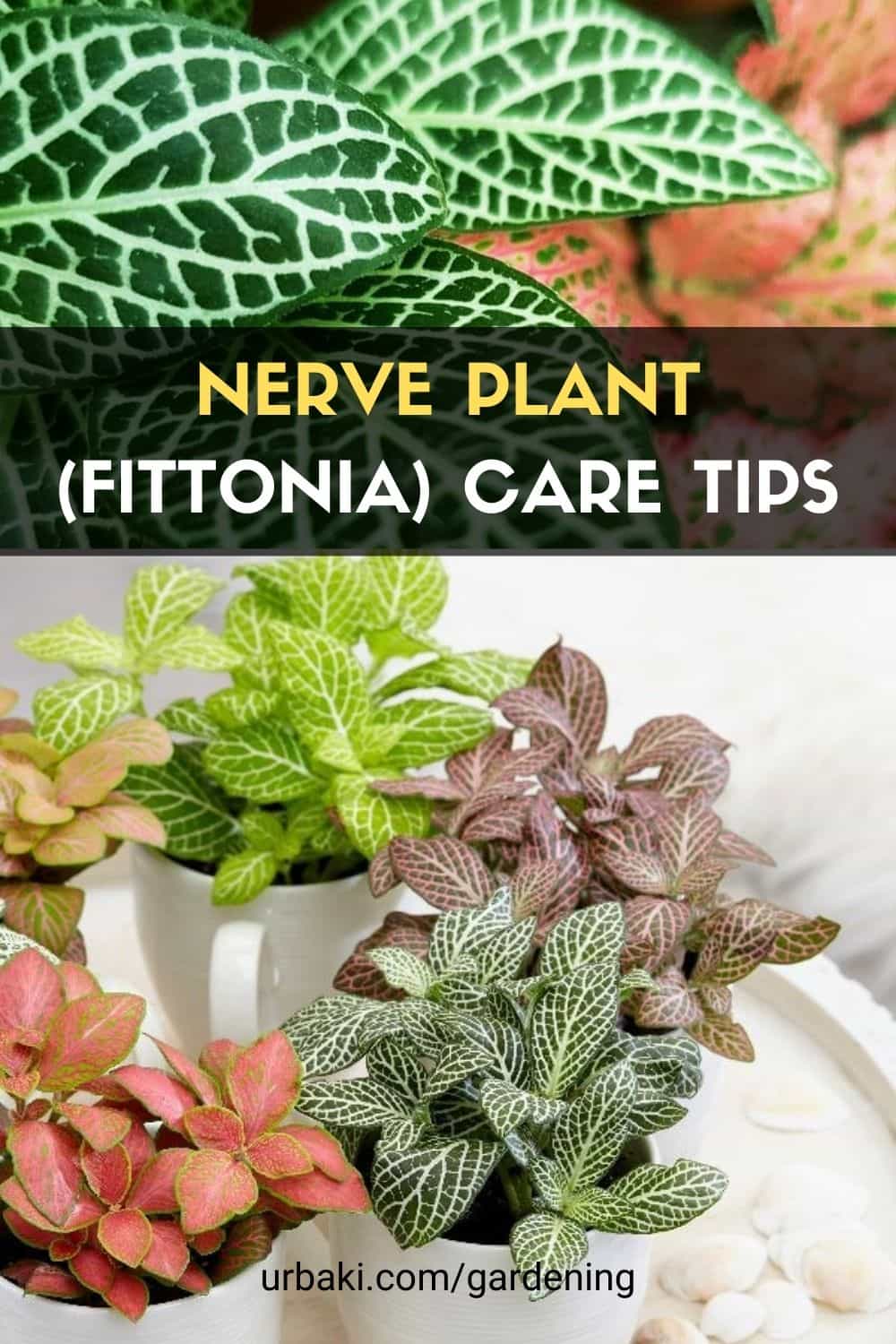
Did you find this post Useful or Inspiring? Save THIS PIN to your GARDENING Board on Pinterest! 😊
Once again, thank you for visiting our website!
We hope you've enjoyed exploring the content we've created for you.
Give yourself the chance to learn, get inspired, and have even more fun, keep browsing...
More Gardening Tips 👇🏼👇🏼