
Peace Lily Plant Care Tips & Tricks


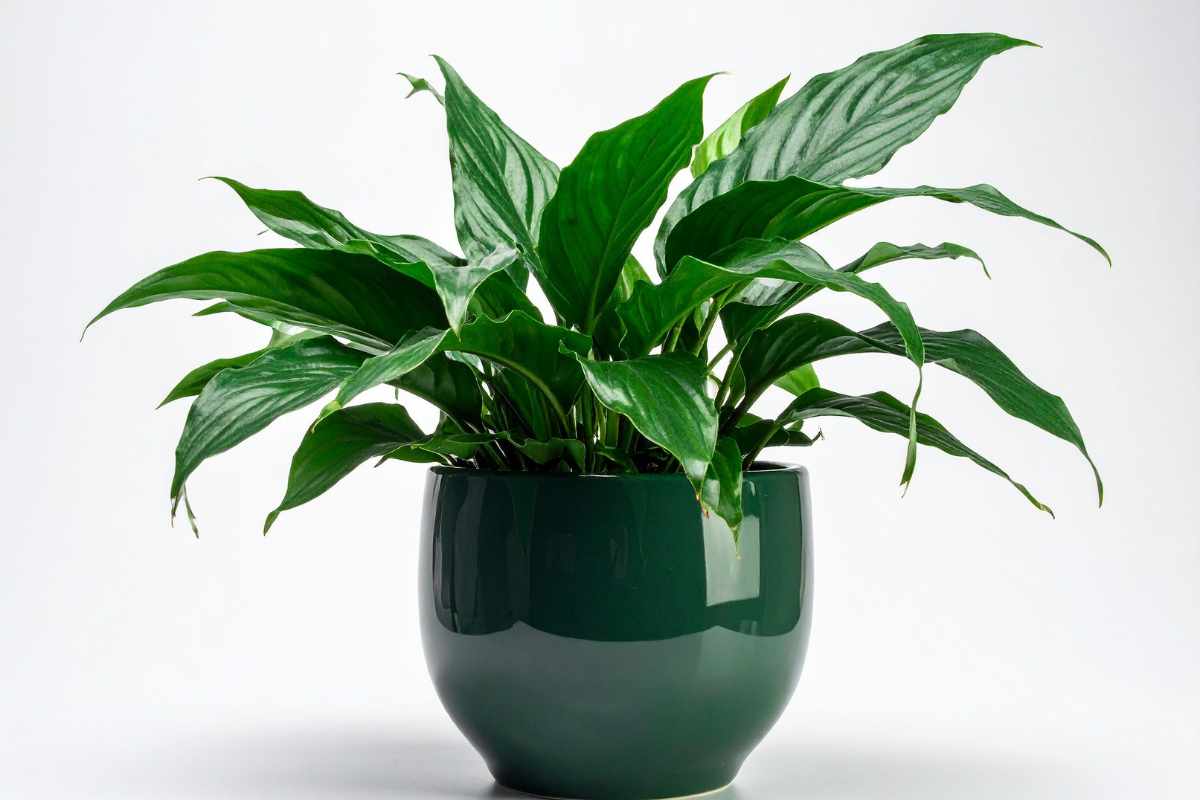
Peace lilies (Spathiphyllum) are popular houseplants that thrive in indoor environments with minimal care.
Their elegant white blooms and glossy green leaves make them a perfect addition to any home.
However, like all plants, peace lilies require attention to maintain their health and vibrancy.
In this guide, we’ll cover everything you need to know about peace lily care, from watering and light requirements to troubleshooting common issues.
Understanding Peace Lily Care
1. Light: Providing the Right Amount of Sunlight

Peace lilies thrive in low to medium light conditions but can also adapt to bright, indirect light.
Too much direct sunlight can scorch their leaves, leading to brown tips.
The best location for your peace lily is near a window with filtered sunlight or in a room with plenty of ambient light.
2. Watering: The Key to Healthy Growth
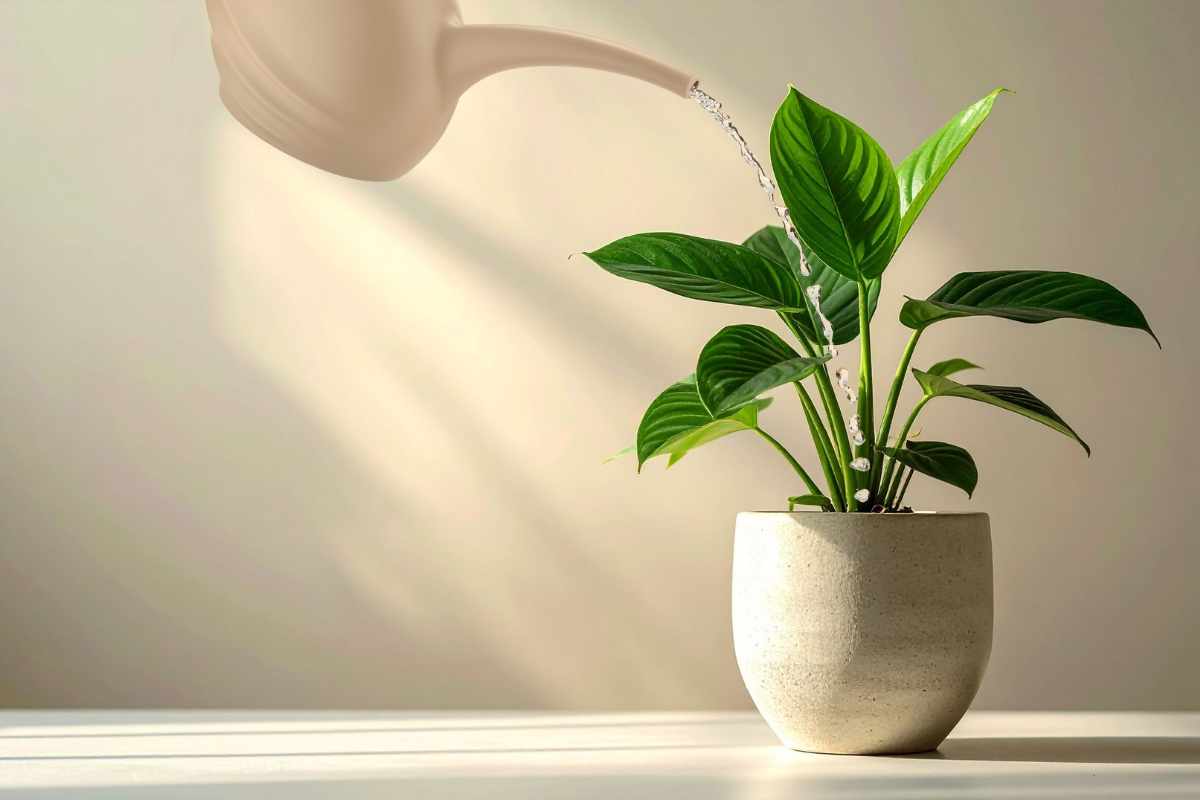
Proper watering is essential for peace lily health.
These plants prefer consistently moist soil but are sensitive to overwatering.
To water your peace lily:
Check the soil: Insert your finger about an inch into the soil. If it feels dry, it’s time to water.
Water thoroughly: Ensure the water flows out of the drainage holes at the bottom of the pot to prevent root rot.
Avoid letting the plant sit in water: Make sure the saucer is emptied after watering to avoid waterlogging.
3. Temperature and Humidity: Keeping It Comfortable
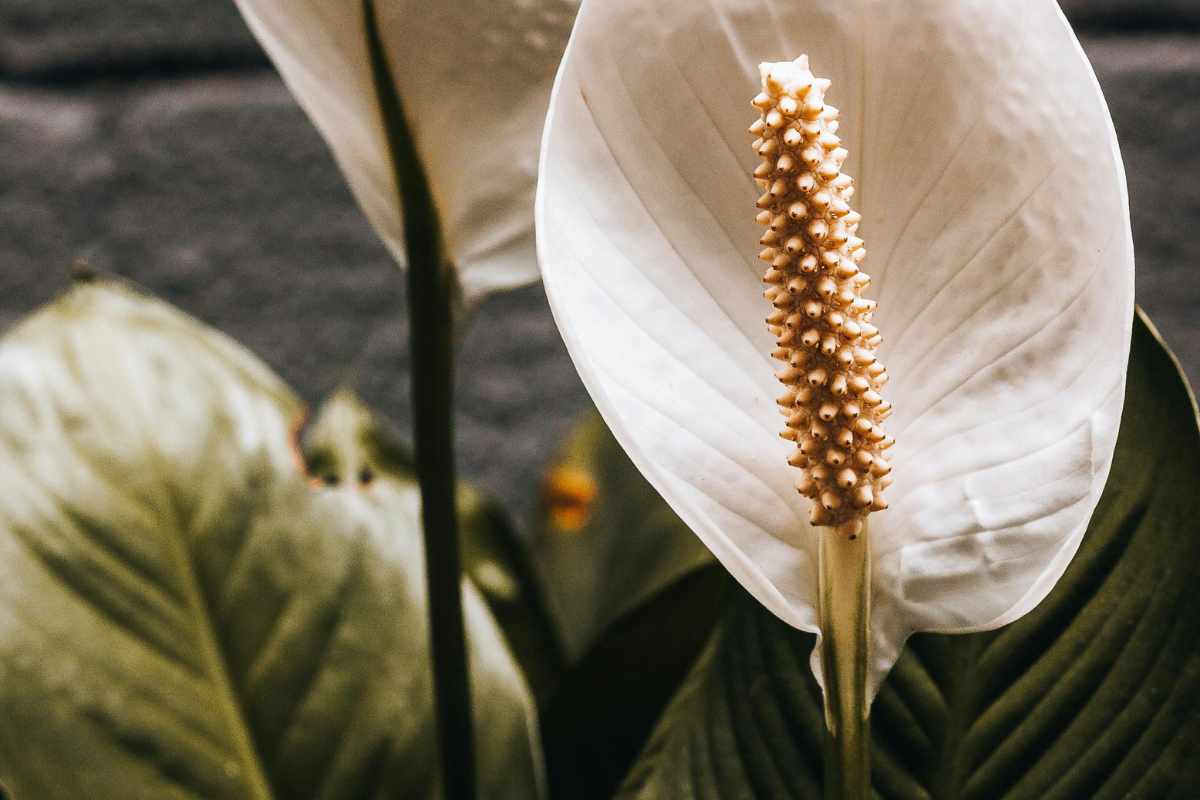
Peace lilies thrive in temperatures between 65-80°F (18-27°C) and prefer high humidity levels.
To increase humidity around your plant:
Mist the leaves: Lightly spray the leaves with water to provide moisture.
Place a humidifier nearby: This will help maintain the ideal humidity for your peace lily.
Group plants together: Placing your peace lily near other houseplants can increase the humidity in the surrounding area.
4. Soil and Fertilizing: Feeding Your Peace Lily
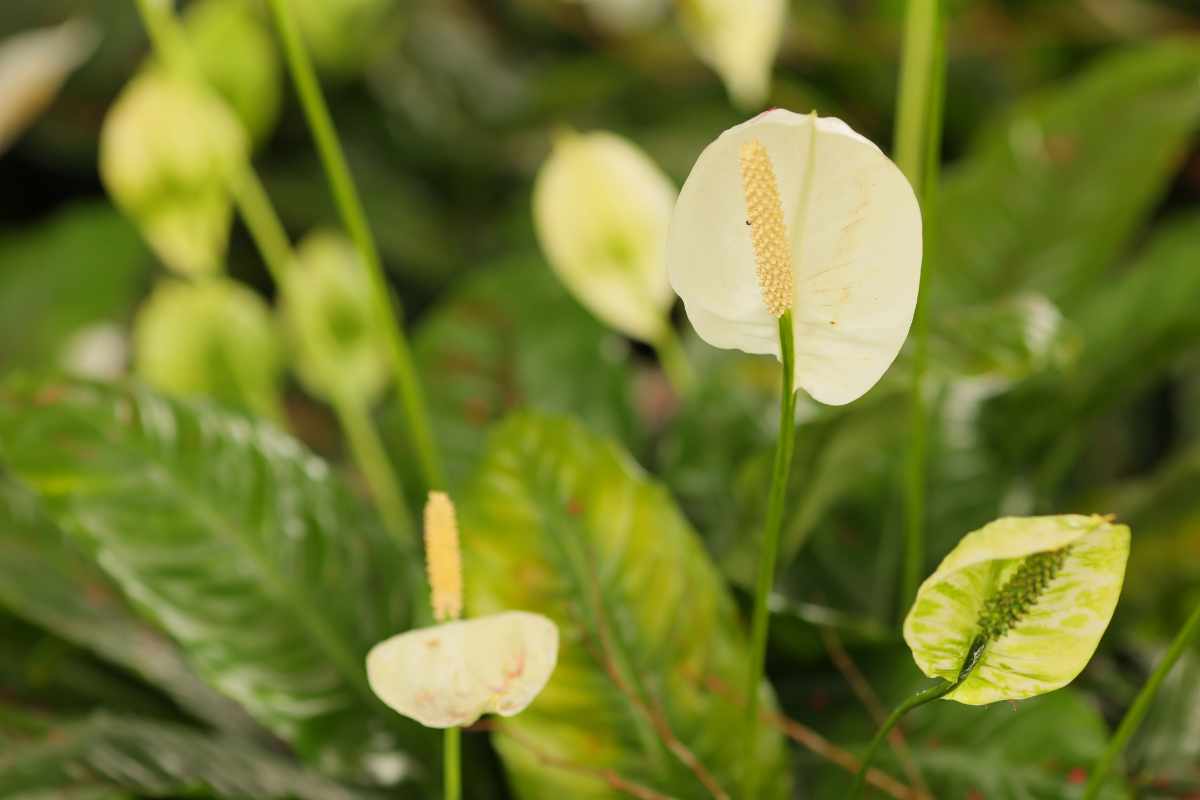
Peace lilies grow best in well-draining, slightly acidic soil.
A standard potting mix will work, but you can also mix in perlite for added drainage. To keep your plant healthy:
Fertilize regularly: Use a balanced liquid fertilizer every 6-8 weeks during the growing season (spring and summer). Peace lilies are sensitive to over-fertilizing, so be sure to dilute the fertilizer.
Organic options: Organic fertilizers like fish emulsion or compost can be a great option for providing slow-release nutrients.
Troubleshooting Tips for a Healthy Peace Lily
1. Leaf Curling: Underwatering or Root Bound?
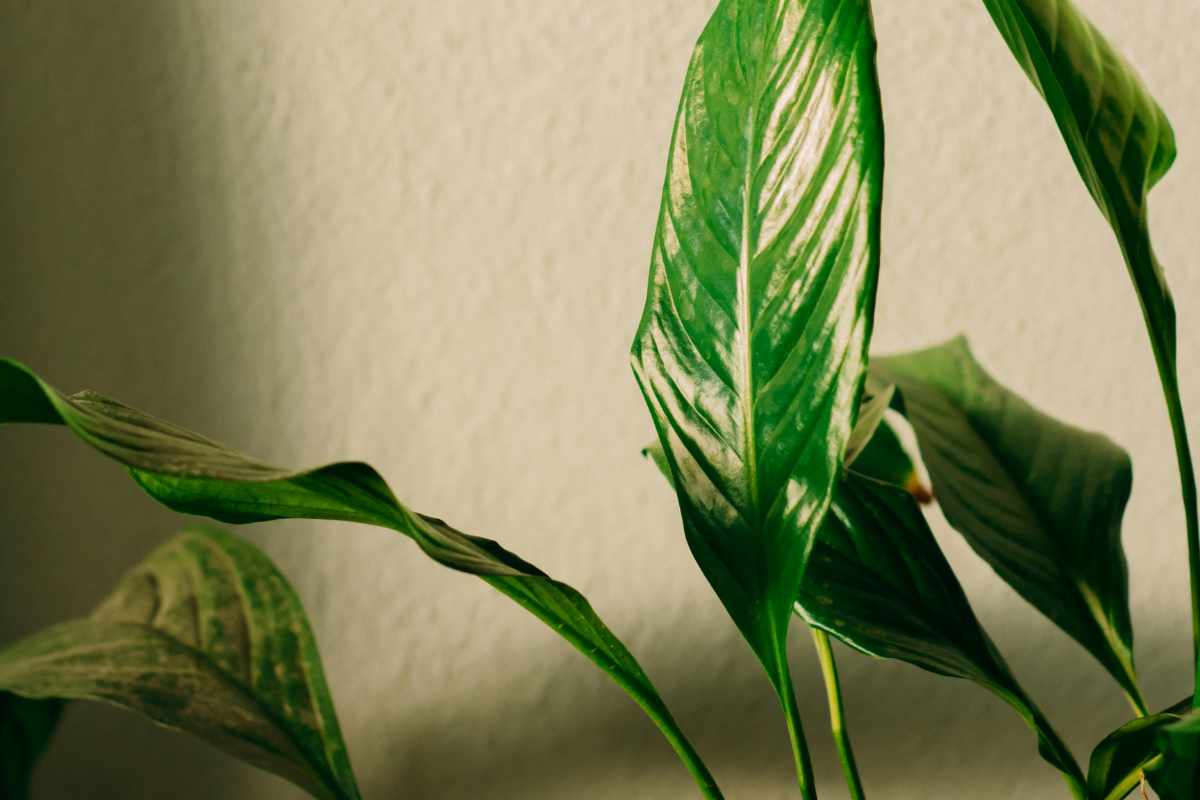
If the leaves of your peace lily begin to curl, it may be due to underwatering or the plant becoming root-bound. To remedy this:
Water more consistently: Ensure the soil is kept moist, not dry.
Repot your plant: If the roots are overcrowded, it's time to move your peace lily into a larger pot with fresh soil.
2. Blooms Not Appearing: Is Your Peace Lily Getting Enough Light?
If your peace lily is not blooming, it could be due to insufficient light or improper feeding. To encourage blooms:
Increase light exposure: Place your peace lily near a window with bright, indirect light.
Feed during the growing season: Provide the right nutrients with a balanced fertilizer to encourage blooming.
Keep Your Peace Lily Thriving
With proper care, peace lilies can be a beautiful and easy-to-maintain addition to your home.
By providing the right light, water, temperature, and humidity, you can ensure your peace lily stays healthy and vibrant.
Don’t forget to regularly check for common issues like yellowing leaves or pests, and take action when necessary.
With these tips, your peace lily will continue to brighten your home for years to come.
Enjoy The Video Tutorial

Source: Harli G
Don’t forget to Subscribe to our Newsletter to receive amazing tips and tricks about Gardening and the FREE Ebook Green Living Strategies!
Did you find this post Useful or Inspiring? Save THIS PIN to your GARDENING Board on Pinterest! 😊

Once again, thank you for visiting our website!
We hope you've enjoyed exploring the content we've created for you.
Give yourself the chance to learn, get inspired, and have even more fun, keep browsing...
More Gardening Tips 👇🏼👇🏼