
Plant Symbolism in Literature and Poetry

In literature and poetry, plants often serve as more than just background decoration—they are carriers of meaning, woven into the fabric of the narrative to express emotions, ideas, and universal themes.
Writers have long turned to the natural world to communicate what words alone sometimes cannot. A single bloom, a sprawling vine, or a towering tree can quietly shape the mood of a scene or reveal something about a character without explicit explanation.
Plant symbolism adds subtlety and depth, allowing readers to experience the story on multiple levels.
The Language of Nature in Storytelling
Across cultures and periods, plants have been used to represent virtues, flaws, states of mind, and spiritual concepts. Ancient myths, religious texts, and folk tales are filled with gardens, forests, and flowers that act as symbols. The rose in medieval poetry might signify divine love, while in a modern novel it could suggest passion or fragility.
These associations are not fixed—they evolve with cultural shifts, yet they retain the power to connect human emotion with the natural world.
Symbolism works because it taps into shared understanding. When a reader encounters a weeping willow, the image often evokes sadness or mourning, even without the author stating it directly.
This symbolic shorthand allows writers to layer meaning into their work, making their storytelling richer and more resonant.

How Cultural Context Shapes Meaning
A plant’s symbolism can vary depending on cultural and historical background. In Japanese literature, the fleeting beauty of cherry blossoms represents the impermanence of life, while in European Renaissance works, they might instead be linked to purity or youthful beauty.
In Celtic tradition, holly is a protector during winter’s hardships, whereas in Mediterranean tales, olive branches often stand for peace and reconciliation. Understanding these cultural nuances is key to interpreting plant imagery accurately.
Common Plants and Their Literary Symbolism
While nearly any plant can be imbued with meaning by an author, certain species have developed strong symbolic associations that appear repeatedly in literature and poetry.
Roses
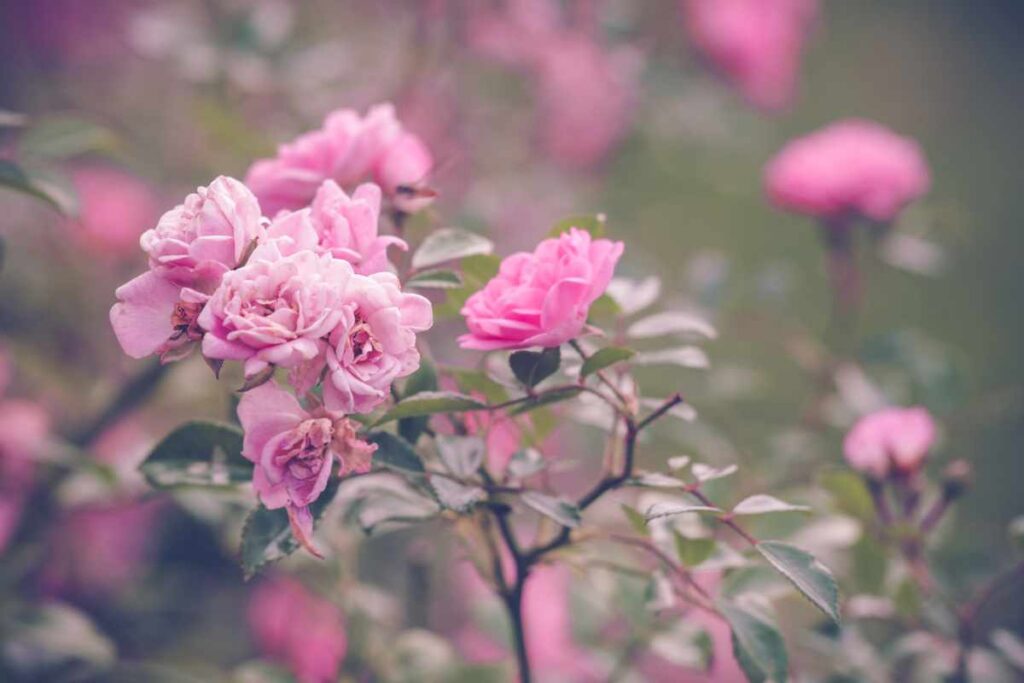
Roses are perhaps the most recognized floral symbol, often connected to love and beauty. In romantic poetry, a red rose might represent passionate affection, while a white rose could symbolize innocence or spiritual purity. Thorns, on the other hand, can suggest pain, sacrifice, or the idea that beauty often comes with hardship. The rose’s duality makes it a versatile emblem for both joy and suffering.
Lilies
Lilies frequently appear in religious and classical texts as symbols of purity, renewal, and divine connection. In Victorian poetry, they often conveyed refined elegance and moral integrity. White lilies, in particular, are associated with funerals, linking them to themes of remembrance and the transience of life.
Oak Trees
The oak is a powerful symbol of strength, endurance, and stability. In epics and historical novels, it might represent a deep-rooted heritage or a steadfast character. Its longevity and resilience through storms make it a fitting metaphor for courage in the face of adversity.

Willows
Willow trees, with their graceful, drooping branches, have long been associated with mourning, loss, and longing. In Shakespeare’s “Othello,” Desdemona sings the “Willow Song,” foreshadowing her tragic fate. Yet willows can also symbolize flexibility and adaptability, bending without breaking.
Lavender
Lavender carries connotations of calm, devotion, and healing. In literature, it may appear in domestic scenes to evoke comfort or in love poems as a sign of undying affection. Its fragrance and soothing qualities make it a gentle symbol of peace and care.
Ivy
Ivy often represents fidelity, eternal life, and lasting friendship, thanks to its evergreen nature. In romantic works, it can suggest steadfast love that endures through challenges. Conversely, in some Gothic literature, overgrown ivy may hint at neglect or the slow reclaiming of human spaces by nature.
Seasonal Symbolism in Plants
Writers frequently use the life cycles of plants to mirror human experiences. Spring flowers, such as daffodils or tulips, symbolize renewal, hope, and beginnings. Summer blooms might represent fulfillment and abundance, while autumn leaves and harvested crops often signify maturity, decline, or the closing of a chapter.
Winter imagery—bare branches, frost-covered gardens—can evoke dormancy, death, or the quiet anticipation of rebirth.
Symbolism Beyond the Obvious
Not all plant symbolism is direct or rooted in traditional meanings. Modern poets and novelists often subvert expectations, giving familiar plants unexpected roles. A sunflower, usually associated with joy and optimism, might be used ironically to express unfulfilled longing.
A cactus, rather than simply symbolizing resilience, could represent emotional distance or guardedness.
These reinterpretations keep plant imagery fresh and relevant in contemporary writing.
How Writers Weave Symbolism into Their Work
Plant symbolism is most effective when it feels natural within the story. A novelist might describe a character tending roses as a way to suggest their longing for love or connection.
A poet might use the imagery of falling petals to reflect the fragility of a relationship. Symbolism works best when it is integrated subtly, allowing readers to draw their conclusions rather than being told outright what a plant “means.”

Reading with Symbolism in Mind
For readers, noticing plant imagery can open new layers of interpretation. A recurring reference to a particular flower or tree is rarely accidental—it often mirrors the development of the plot or the inner state of a character.
Paying attention to when and how a plant appears can reveal emotional shifts, hidden motives, or foreshadow events.
This awareness transforms reading into a more engaging and participatory experience.
The Enduring Power of Plant Imagery
From ancient myths to modern novels, plants have served as a bridge between the natural world and human emotion. Their beauty, resilience, and fragility make them ideal vessels for symbolism that resonates across cultures and generations.
Whether it’s a single sprig of rosemary for remembrance, a grove of oaks for steadfastness, or a fleeting cherry blossom for life’s impermanence, plants continue to inspire writers and move readers.
The next time you encounter a garden in a book or a flower in a poem, consider what it might be telling you beyond the surface. In the language of literature, every leaf and petal can carry a story.
Did you find this post useful or inspiring? Save THIS PIN to your GARDENING Board on Pinterest!
More Gardening Tips 👇🏼👇🏼