
Planting Flowers from Seeds [Step by Step]


Growing flowers from seed is a gratifying experience, but it can be challenging, especially for beginners.
From sowing tiny seeds to nurturing strong, healthy plants, the process requires a bit of patience and knowledge.
However, with the right techniques, you can successfully grow a beautiful garden from scratch, whether you’re starting indoors or directly sowing in the ground.
Step 1: Timing Is Everything
Knowing when to start your seeds is crucial. If you're starting seeds indoors, you'll need to time them so they are ready to transplant into the garden when the conditions are right.
Typically, you should begin 4–8 weeks before the last expected frost date in your area.
This allows your plants to grow strong in a controlled environment before they are exposed to outdoor conditions.
For flowers that thrive when sown directly into the garden, wait until after the last frost has passed and the soil has warmed.
Always refer to the seed packet for specific planting times to ensure the best growth conditions for your flowers.

Step 2: Choose the Right Soil
The type of soil you use plays a significant role in the success of your seed-starting journey.
For indoor seed starting, it’s important to use a seed-starting mix, which is lighter and more sterile than regular potting soil.
Seed-starting mixes promote better root development and help to prevent diseases like damping-off.
These mixes are designed to provide adequate moisture retention and excellent drainage, which are crucial for young seedlings.
Potting soil, on the other hand, is heavier and can be too dense for seedlings, which may hinder their growth.
Ensure you select the appropriate soil to provide your plants with the best possible start.

Step 3: Sowing Seeds Indoors
When you begin sowing seeds indoors, ensure you have the right containers and space. Use shallow trays or pots with drainage holes to prevent water from accumulating, which can lead to root rot.
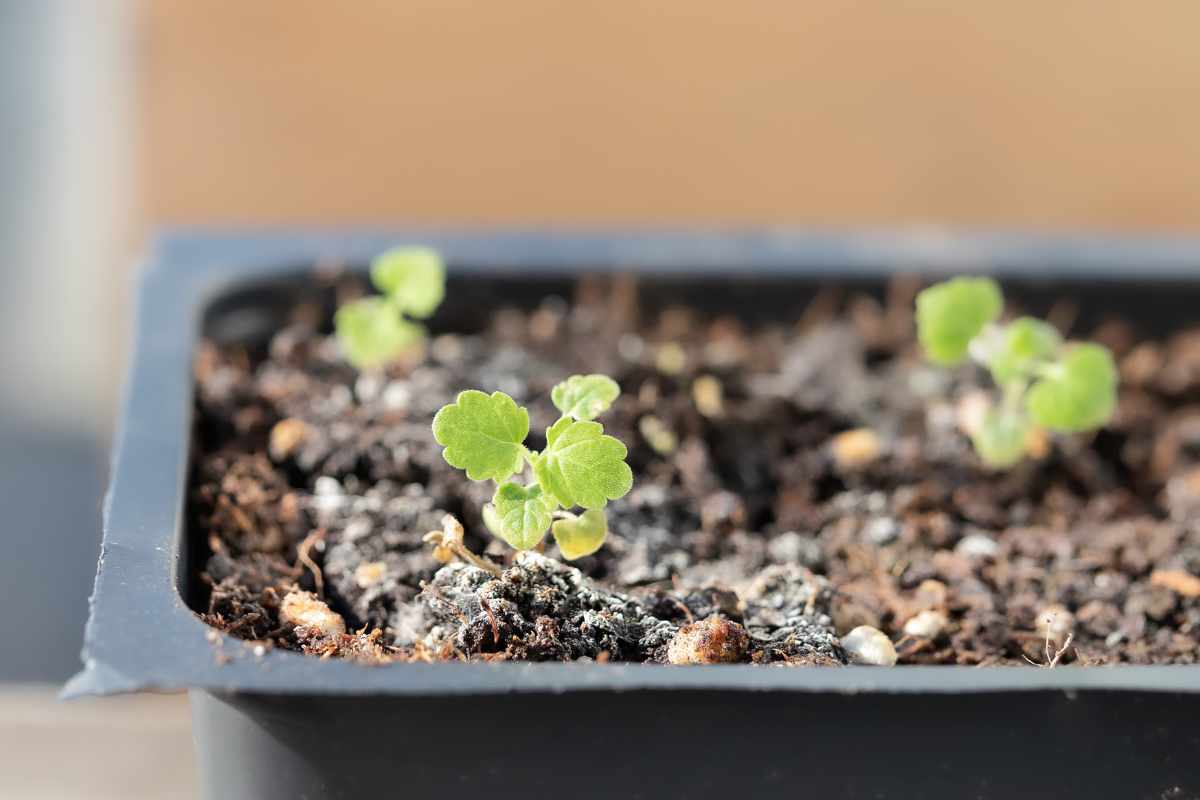
Fill the containers with seed-starting mix, then lightly moisten the soil.
As a general rule, plant seeds at a depth of 2–3 times their size, though always check the seed packet for specific depth instructions.
Some very tiny seeds may need to be surface-sown, while others might need to be buried slightly.
After sowing, gently water the soil to settle the seeds, and then label the containers so you can easily identify what’s planted where. Consistent moisture is key, but be cautious not to overwater.
Keep the soil moist, not soggy, to prevent mold growth.

Step 4: Provide Optimal Conditions
After sowing, your seeds need the right conditions to germinate and grow. The temperature should be maintained at an optimal level, generally 65–75°F (18–24°C) for most flowers.
If your indoor environment is cooler, you may want to use a heat mat to keep the soil warm. This is particularly useful for plants like tomatoes, peppers, or any plants that prefer warm conditions.
Light is also essential for your seedlings. Place them in a location that receives bright, indirect light for several hours each day.
If natural light is insufficient, consider using grow lights to ensure the seedlings get the energy they need to grow strong.
Ensure they receive 12–16 hours of light a day for healthy growth.
Step 5: Hardening Off Seedlings
Before transplanting your seedlings into the garden, they need time to adjust to the outdoor environment.
This process is called “hardening off.” To harden off your seedlings, begin by placing them outside in a sheltered, shaded spot for a few hours each day.
Gradually increase their exposure to sunlight and wind over 7–14 days. This helps the seedlings become accustomed to outdoor conditions and reduces the shock they may experience when planted in the garden.
During this period, you should also reduce watering slightly to encourage the plants to develop stronger roots.
Avoid direct sunlight initially, as this can cause stress and damage the tender seedlings.
Step 6: Transplanting to the Garden
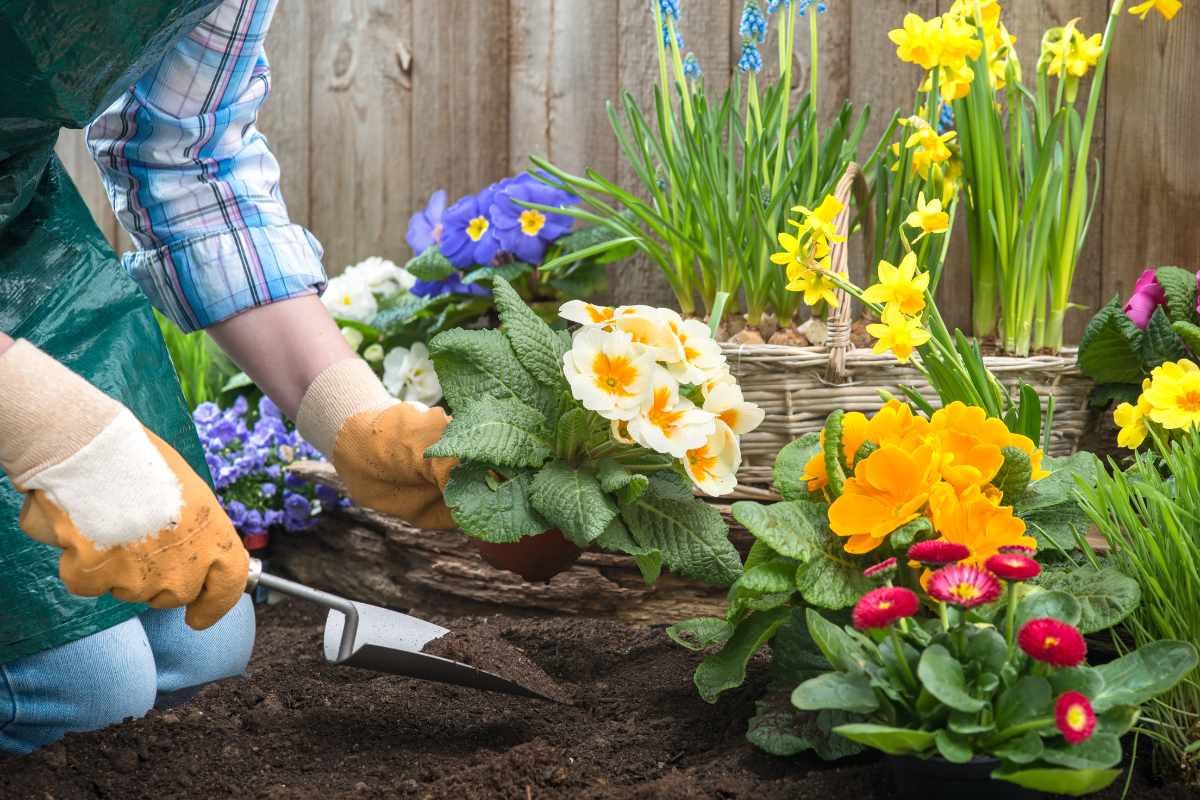
When your seedlings have acclimated to outdoor conditions, they are ready to be transplanted into your garden.
Choose a spot that receives the right amount of sunlight as indicated on the seed packet.
Prepare the garden soil by loosening it and adding compost to improve fertility and drainage. Ensure that the soil temperature is warm enough for the flowers to thrive.
When planting your seedlings, be sure to follow the spacing guidelines on the seed packet to avoid overcrowding.
Each plant needs adequate room for root development and air circulation to grow healthy.
After transplanting, water the seedlings thoroughly to help establish their roots.
Troubleshooting Common Issues
Sometimes, things don’t go as planned, and that’s okay! Here are a few common issues you may face while growing flowers from seed and how to address them:
Leggy Seedlings: If your seedlings are tall and spindly, they might not be getting enough light. Move them closer to a light source or add grow lights to give them the brightness they need.
Damping-Off Disease: This is a fungal condition that causes seedlings to wilt and die. To prevent damping-off, always use sterile seed-starting mix, ensure proper airflow around your seedlings, and avoid overwatering.
Poor Germination: If your seeds aren’t germinating, check if they were planted at the correct depth and whether the temperature is suitable. Some seeds may require specific conditions to sprout, so refer to the seed packet for detailed instructions.
Keep Learning
Want to continue growing your flower garden from seed? Check out our guides on:
Growing Sunflowers from Seed
Starting Sweet Peas from Seed
By following these steps and addressing common challenges, you’ll be well on your way to growing a beautiful, vibrant garden from seed.
Remember, gardening is a learning process, and with a little time and care, you’ll have a stunning flower garden to enjoy all season long.
Enjoy the Video Tutorial
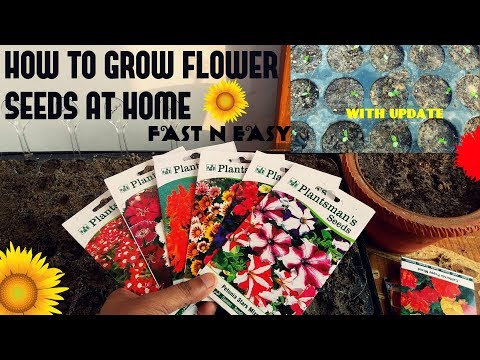
Source: Urban Gardening
Did you find this post useful or inspiring? Save THIS PIN to your Gardening Board on Pinterest!😊

Once again, thank you for visiting our website!
We hope you've enjoyed exploring the content we've created for you.
Give yourself the chance to learn, get inspired, and have even more fun, keep browsing...
More Gardening Tips 👇🏼👇🏼