
Planting Flowers in Pots or Containers


If you’re working with a balcony, patio, or small yard, container gardening is the fastest way to add color with minimal fuss.
The secret isn’t fancy gear—it’s getting a few basics right: good drainage, a lightweight potting mix, smart watering, and choosing plants that match your sun conditions.
In this guide, we break down the essentials into simple, copy-and-go steps, so beginners can enjoy healthy, long-lasting blooms without guesswork.
Benefits for Small Spaces & First-Time Gardeners
Containers let you garden where there’s no soil, move plants to chase the sun, and tweak color schemes mid-season.
They also make care simple: you control the soil, the fertilizer, and the moisture—so plants grow consistently and look their best.
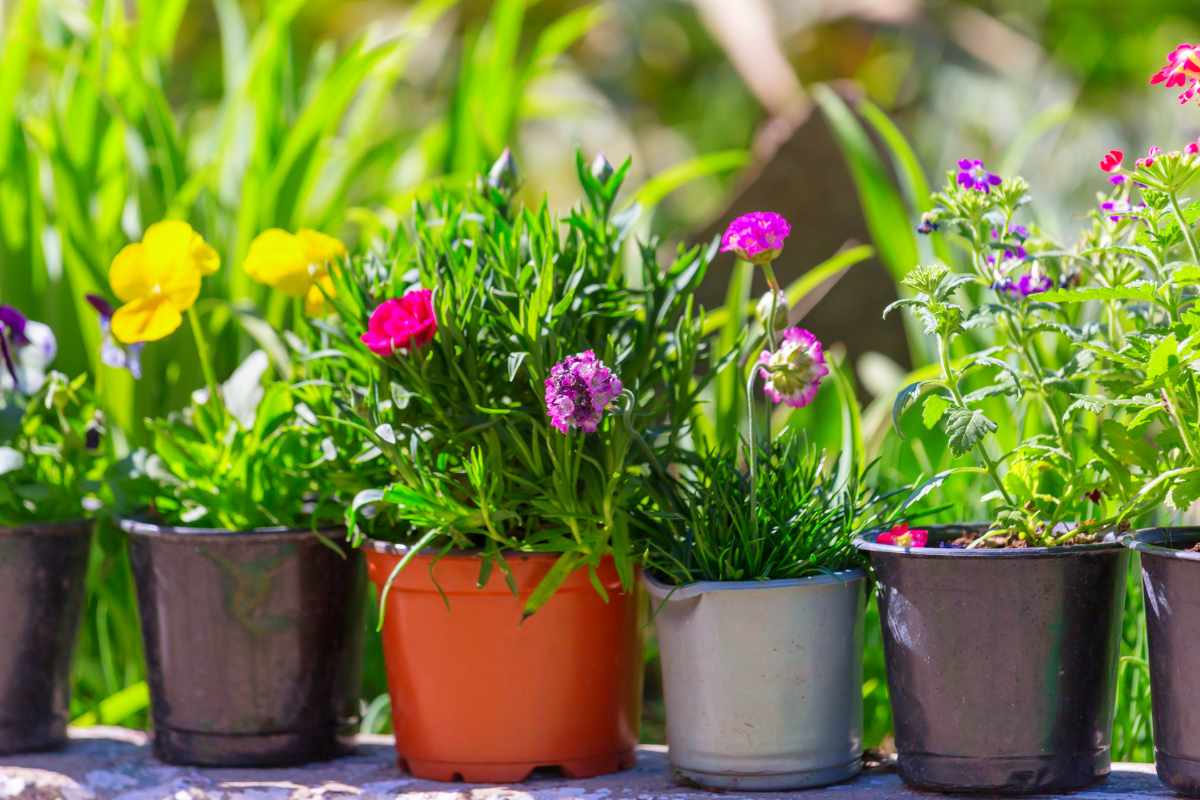
Choose the Right Pot and Mix
Pot Size, Materials, and When to Go Self-Watering
Pick the smallest pot that still fits the root system and the largest pot you can comfortably move.
As a rule of thumb, a single medium annual (like a geranium) thrives in a 10–12 in (25–30 cm) pot.
For mixed planters, aim for 12–16 in (30–40 cm) to give “thriller–filler–spiller” combos room to shine.
Terracotta/clay breathes and prevents soggy roots but dries faster—great in mild or humid climates.
Plastic/resin is lightweight and moisture-retentive, perfect for hot, windy balconies or anyone who forgets to water.
Fabric grow bags drain brilliantly and keep roots air-pruned; they’re ideal for big, lush planters without heavy weight.
Self-watering pots help in heatwaves or for busy schedules. They still need occasional top watering to flush salts, but they reduce day-to-day stress dramatically.
Easy, Reliable Potting Mix Recipes
Skip garden soil—use a soilless mix so roots get air and water in the right balance.
All-purpose flowering mix: 60% peat/coir-based potting mix + 20% compost + 20% perlite.
Drought-tolerant mix (calibrachoa, million bells, portulaca): all-purpose base plus an extra handful of perlite or pumice per pot.
Moisten the mix before filling containers so it packs gently without compressing.
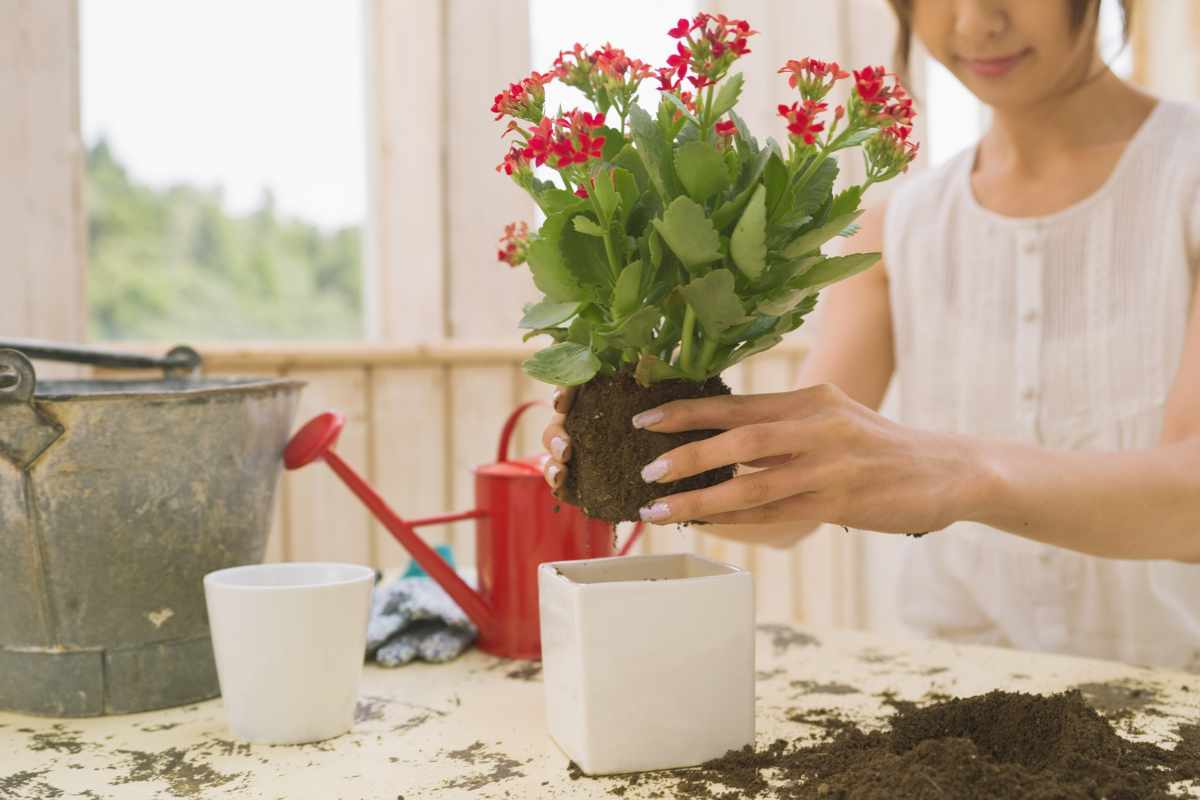
Prep Pots the Smart Way
Real Drainage, Not Rocks
The old advice to add rocks at the bottom actually reduces drainage by creating a perched water table.
Instead, make sure there’s at least one unobstructed drainage hole (several is better).
If you’re worried about soil escaping, lay a bit of mesh or a broken pot shard over the holes—not a thick layer, just a cover.
Cleaning & Reusing Containers Safely
If you’re reusing pots, scrub off old roots and mineral crust, then rinse with a mild 1:9 bleach solution (or white vinegar for clay).
Let them dry completely. This reduces fungal spores and sets your flowers up for a disease-free start.
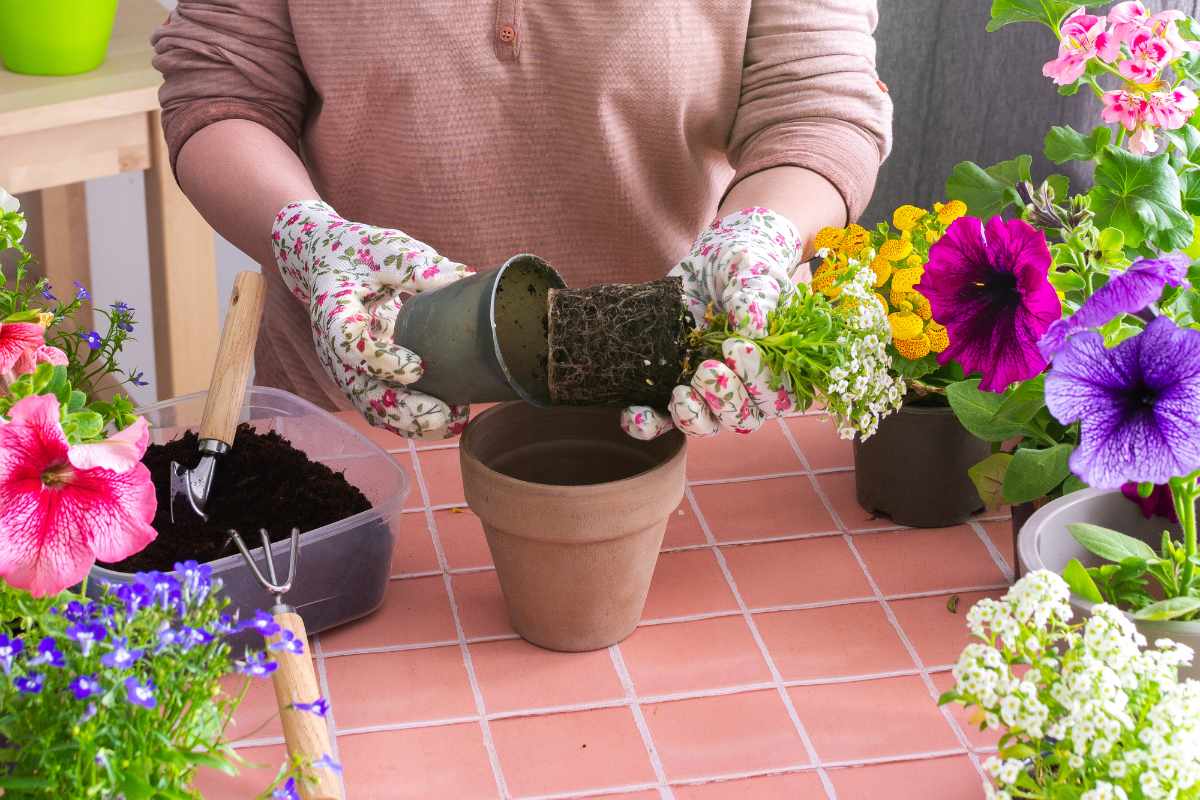
Planting Like a Pro
Positioning the Rootball, Spacing, and Fill Level
Fill the pot two-thirds with moistened mix.
Loosen the plant’s rootball with your fingers; set it so the crown is 1–2 cm below the rim to leave watering space. Backfill and firm gently so plants don’t wobble, but don’t compact the soil—roots need air.
For mixed planters, follow tag spacing loosely; in containers, a slightly tighter spacing is okay for instant impact, as long as you stay on top of feeding and water.
First Watering and Mulch for Containers
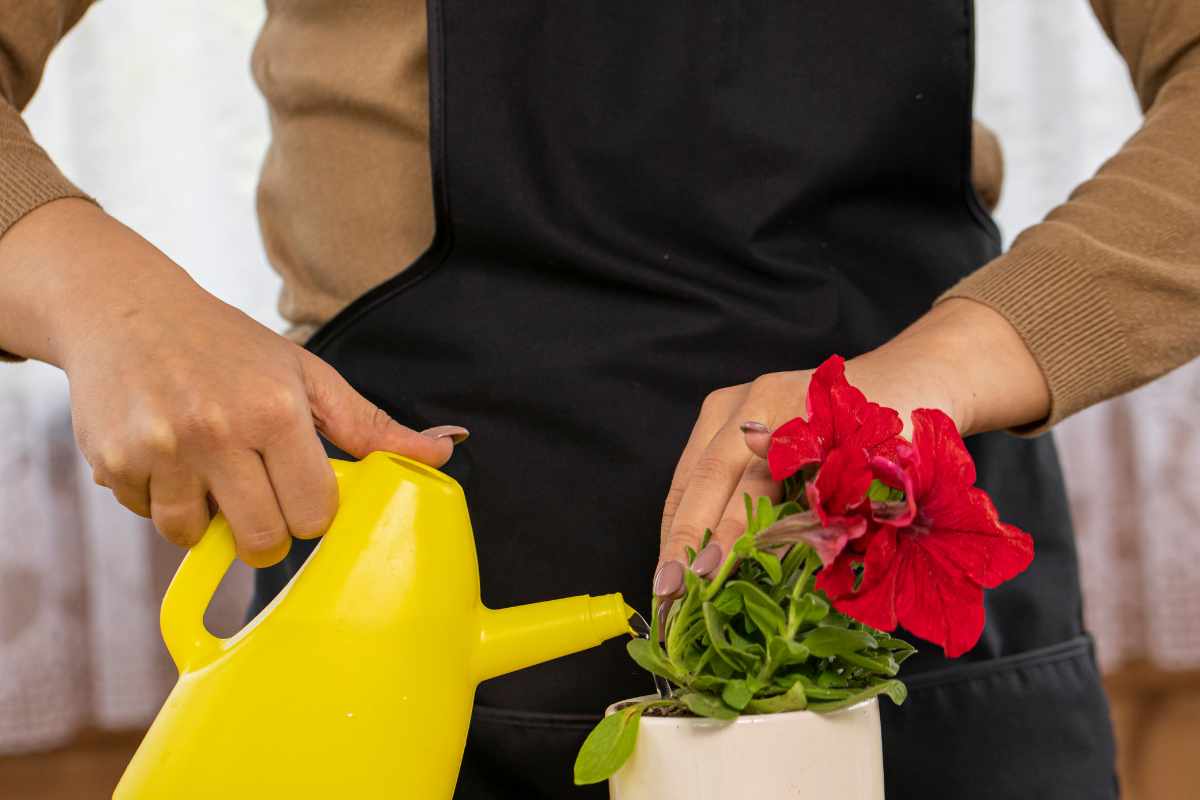
Water slowly until it runs out the bottom—twice for new plantings to settle pockets.
A thin layer of fine bark, straw, or even decorative pebbles on top reduces evaporation and keeps soil from splashing off leaves.
In hot regions, this small step can extend the time between waterings.

Care That Keeps Blooms Coming
Watering Routines by Weather and Pot Size
Use the finger test: insert a finger up to the first knuckle—if it’s dry, water. Small pots and full sun dry fastest; large planters in partial shade need less frequent watering.
During heatwaves, you may water daily (morning is best). In milder weather, expect every 2–3 days. Empty saucers after 30 minutes so roots don’t sit in water.
Pro tip: If water beads and runs off very dry soil, rehydrate by watering lightly, waiting 10–15 minutes, then watering thoroughly.
This breaks the hydrophobic behavior in dried mixes.
Feeding, Deadheading, and Mid-Season Refresh
Use a slow-release fertilizer at planting (spring formulas for flowers), then supplement with a diluted liquid feed every 1–2 weeks once growth is vigorous.
Deadhead spent blooms so plants redirect energy to new flowers.
Mid-season (around 6–8 weeks), scratch in a little compost at the surface, water deeply, and trim straggly stems—this refreshes tired planters for a second show.
Simple Designs That Always Work
Thriller–Filler–Spiller Combos You Can Copy
The classic combo gives dimension and instant curb appeal:
Sunny pot (12–16 in): Spiky thriller (purple fountain grass) + fillers (petunia or zinnia) + spillers (sweet potato vine or trailing calibrachoa).
Partial shade: Thriller (coleus or dwarf canna) + fillers (impatiens, begonias) + spillers (trailing torenia, ivy).
Compact balcony: One bold thriller (dwarf dahlia or salvia) with a low filler (lobelia) in a 10–12 in pot.
Keep palettes to two or three colors for a cohesive look, and repeat the same combo across several pots for a designer finish.
Common Problems & Quick Fixes
Overwatering, Heat Stress, and Pests
Yellowing, mushy stems usually mean overwatering—let the top few centimeters dry before the next soak and check that holes aren’t blocked.
Wilting in afternoon sun with dry soil signals heat stress; move to morning sun + afternoon shade or increase pot size.
For fungus gnats, allow the surface to dry between waterings and add a thin top layer of coarse sand; sticky traps help break the cycle.
If plants become rootbound (roots circling, water rushing down sides), up-pot 1–2 sizes or root-prune lightly and refresh the mix.
Quick Reference: Pot Size & Planting Ideas
Starter Guide for Popular Annuals
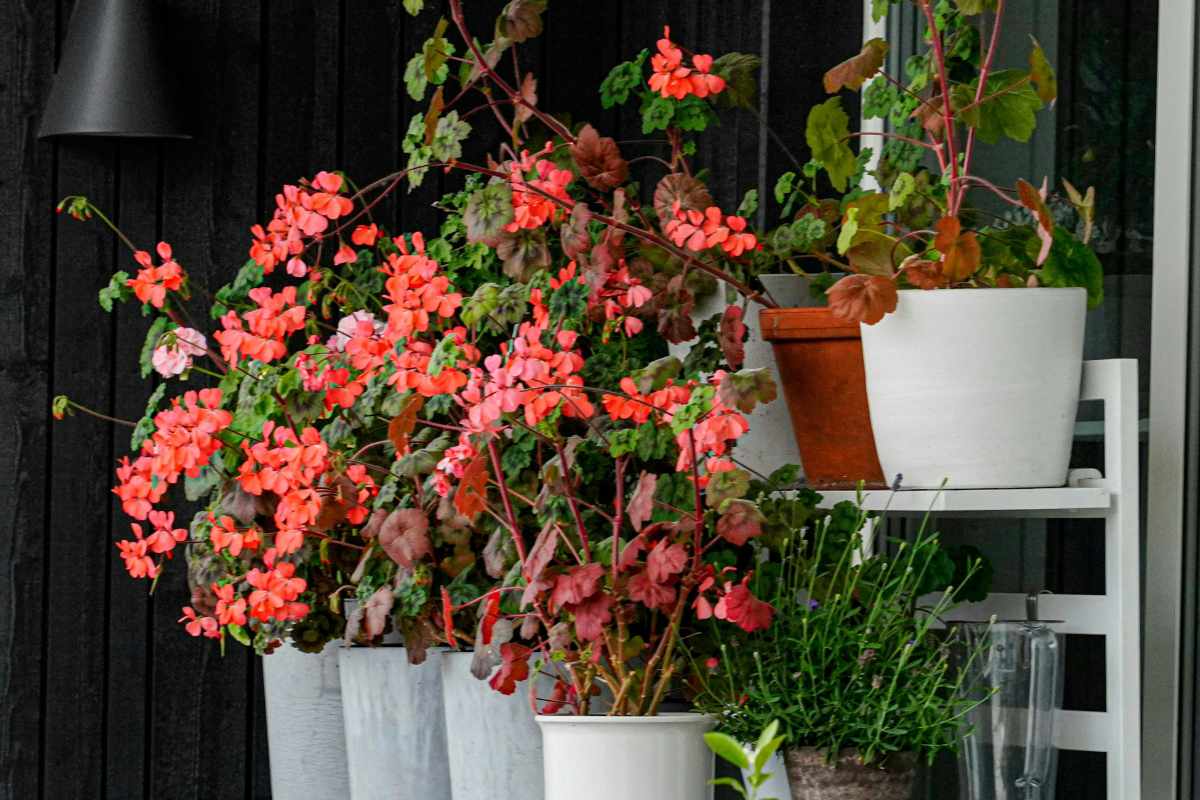
Geranium (zonal or ivy): One per 10–12 in pot; add lobelia or bacopa as a trailing partner in a 12–14 in container.
Petunia/Calibrachoa: 3–5 plants in 12–14 in mixed planters; in heat, choose calibrachoa and a lighter mix.
Begonia (wax or tuberous): 3–4 plants in 12 in for part shade; keep evenly moist, not soggy.
Marigold/Zinnia: 3 plants in 12 in with a sunny spot and regular feeding for continuous bloom.
Seasonal Tips That Save Plants
Sun, Wind, and Overwintering
City balconies and patios can be hotter and windier than ground level. Reflective walls intensify heat; group pots to create a microclimate and reduce moisture loss.
When nights dip near frost, move tender planters indoors or under cover.
Many annuals won’t overwinter, but you can take cuttings of coleus, calibrachoa, and sweet potato vine to restart next year for free.
Plant smart, not hard: choose the right pot size and material, use a light, well-draining mix, avoid rocks, water deeply when dry, feed regularly, and refresh mid-season. Pair a thriller–filler–spiller in a 12–16 in container for instant color.
With these essentials dialed in, healthy blooms are the norm—not the exception.
Enjoy the Video Tutorial

Source: California Gardening
Did you find this post useful or inspiring? Save THIS PIN to your Gardening Board on Pinterest!😊

Once again, thank you for visiting our website!
We hope you've enjoyed exploring the content we've created for you.
Give yourself the chance to learn, get inspired, and have even more fun, keep browsing...
More Gardening Tips 👇🏼👇🏼