
Planting Zones Map United States


If you’ve ever wondered why a plant flourishes in your neighbor’s yard but struggles in yours, the answer often starts with your USDA Plant Hardiness Zone.
This system helps gardeners match plants to the level of winter cold they can withstand.
Below you’ll find a clear, up-to-date guide to understanding the map, what changed in the recent update, how to look up your zone by ZIP code, and—most importantly—how to use that number to make better planting decisions.
Find your planting zone by ZIP code
The simplest path to accuracy is to use the official interactive map and enter your ZIP code. You’ll see your precise zone, typically expressed with a letter (like 7a or 7b).
Keep that number handy whenever you shop for perennials, shrubs, or trees.

What a hardiness zone actually measures
A USDA hardiness zone describes the average annual extreme minimum temperature where you garden, calculated from decades of weather data.
The map is divided into 10°F bands (Zones 1–13), and each band is split into 5°F half-zones labeled “a” (colder) and “b” (warmer).
Example: Zone 7a means your typical coldest winter night falls between 0°F and 5°F; 7b means 5°F to 10°F.
Zones do not measure summer heat or your exact planting dates—they’re a winter-hardiness guide for long-lived plants.
What changed in the 2023 update—and why it matters
The map was significantly updated in late 2023, the first major refresh in over a decade. More weather stations and refined methods mean a more detailed and accurate picture of local cold extremes.
Many locations saw a modest shift to a warmer half-zone, which can expand your choices for borderline plants—or confirm why a favorite shrub is suddenly overwintering better than it used to.
If you haven’t checked recently, re-verify your zone before making big plant investments.

Quick zone guide (at a glance)
These are the 10°F bands for zones (each with a/b half-zones in 5°F steps):
Zone 1: −60 to −50°F
Zone 2: −50 to −40°F
Zone 3: −40 to −30°F
Zone 4: −30 to −20°F
Zone 5: −20 to −10°F
Zone 6: −10 to 0°F
Zone 7: 0 to 10°F
Zone 8: 10 to 20°F
Zone 9: 20 to 30°F
Zone 10: 30 to 40°F
Zone 11: 40 to 50°F
Zone 12: 50 to 60°F
Zone 13: 60 to 70°F
Zones 12–13 appear mostly in tropical and subtropical areas such as Hawaii and Puerto Rico.

How to use zones when choosing plants
Treat your zone as a cold-hardiness ceiling. If a plant is “hardy to Zone 5,” it should overwinter in Zones 5 and warmer (6, 7, 8…), assuming the soil, light, drainage, and care are suitable.
Borderline plants need protection. If you’re in 7a and eyeing a plant rated to Zone 7b, tuck it into a protected microclimate (more on that below), add winter mulch, or consider a container that can be moved under cover.
Read plant tags holistically. Hardiness is one factor. Pay equal attention to sun vs. shade, drainage, humidity, and wind exposure.
Don’t confuse zones with heat or frost dates
Hardiness zones ≠ summer heat. Zones describe cold tolerance, not how hot your summers get. If your summers are scorching, also consider a plant’s heat tolerance.
Many gardeners use the AHS Heat Zone concept (days above 86°F) to understand which plants might suffer in peak summer.
Hardiness zones ≠ last/first frost dates. Your last spring frost and first fall frost dictate when you can safely plant tender crops and when to protect them.
Look up local frost dates by ZIP to plan sowing and transplanting schedules—especially for vegetables and annuals.
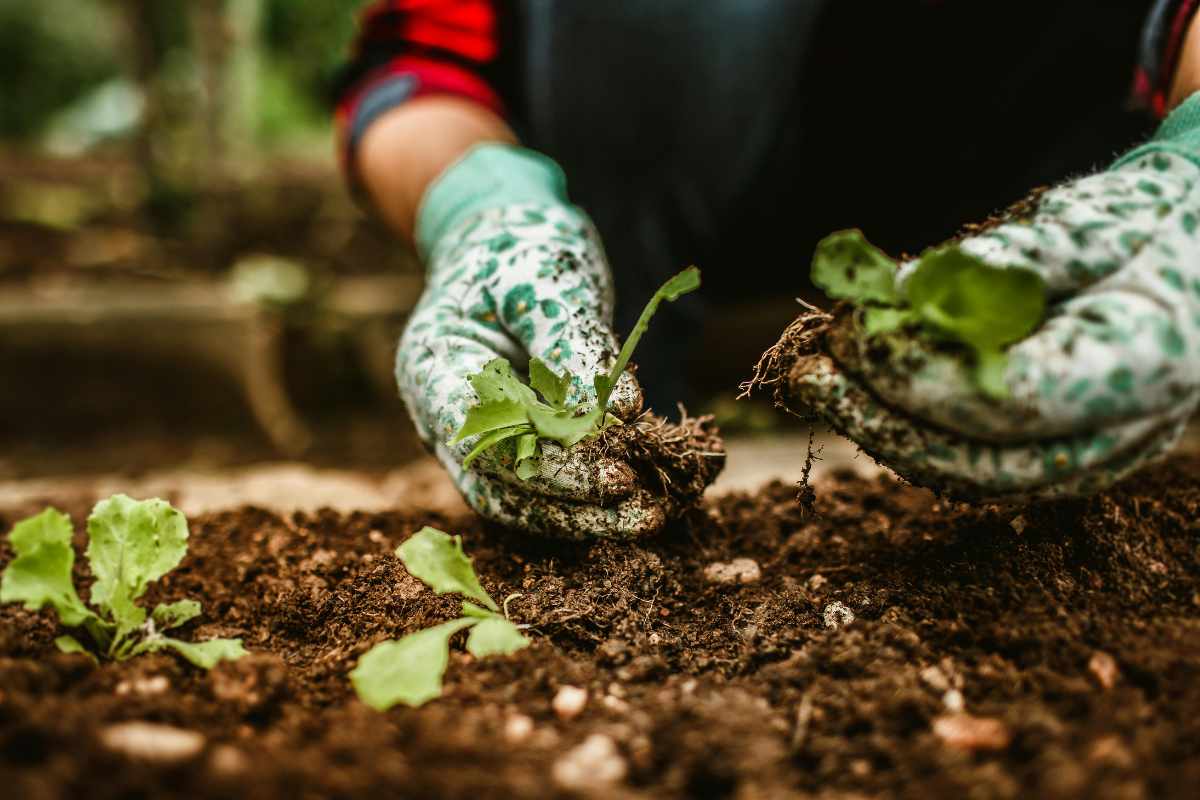
Microclimates: the half-zone hiding in your yard
Your yard likely contains spots that are warmer or colder than the map suggests:
Warmer pockets: south-facing walls, enclosed courtyards, dense urban areas, beds near pavement or stone that store daytime heat.
Colder pockets: low areas where cold air pools, open exposures with winter wind, and shaded north-facing slopes.
Use these micro-patterns to your advantage.
A warm nook can make a borderline shrub succeed; a wind-sheltered bed can keep evergreens from desiccating in winter.
Starter plant ideas by band (inspiration, not rules)
Always confirm your exact zone and site conditions before planting, but these lists can spark ideas:
Cold climates (Zones 1–4)
Spruce, larch, paper birch, juniper; peony, daylily, Siberian iris; rhubarb, currants, honeyberry.
Temperate climates (Zones 5–7)
Serviceberry, redbud, crabapple, oakleaf hydrangea, panicle hydrangea; hosta, coneflower, black-eyed Susan; blueberries, apples, hardy figs (with protection).
Warm climates (Zones 8–13)
Camellia, gardenia, bougainvillea, bottlebrush; citrus, loquat, pomegranate, olive; hibiscus, bananas (ornamental), many succulents and cacti.

A simple 3-step check before you buy
Look up your ZIP on the interactive map to confirm your zone (note the a/b half-zone).
Match plant tags to your zone, then cross-check light, soil, and water needs.
Ask locally (nursery or extension office) for varieties that perform well in your neighborhood’s quirks.
2023 map improvements at a glance
More weather stations & better methods deliver finer-grained accuracy.
Clearer detail for complex geographies (notably in Alaska).
An interactive experience lets you zoom, search by ZIP, and download printable state maps if needed.
Tools that genuinely help
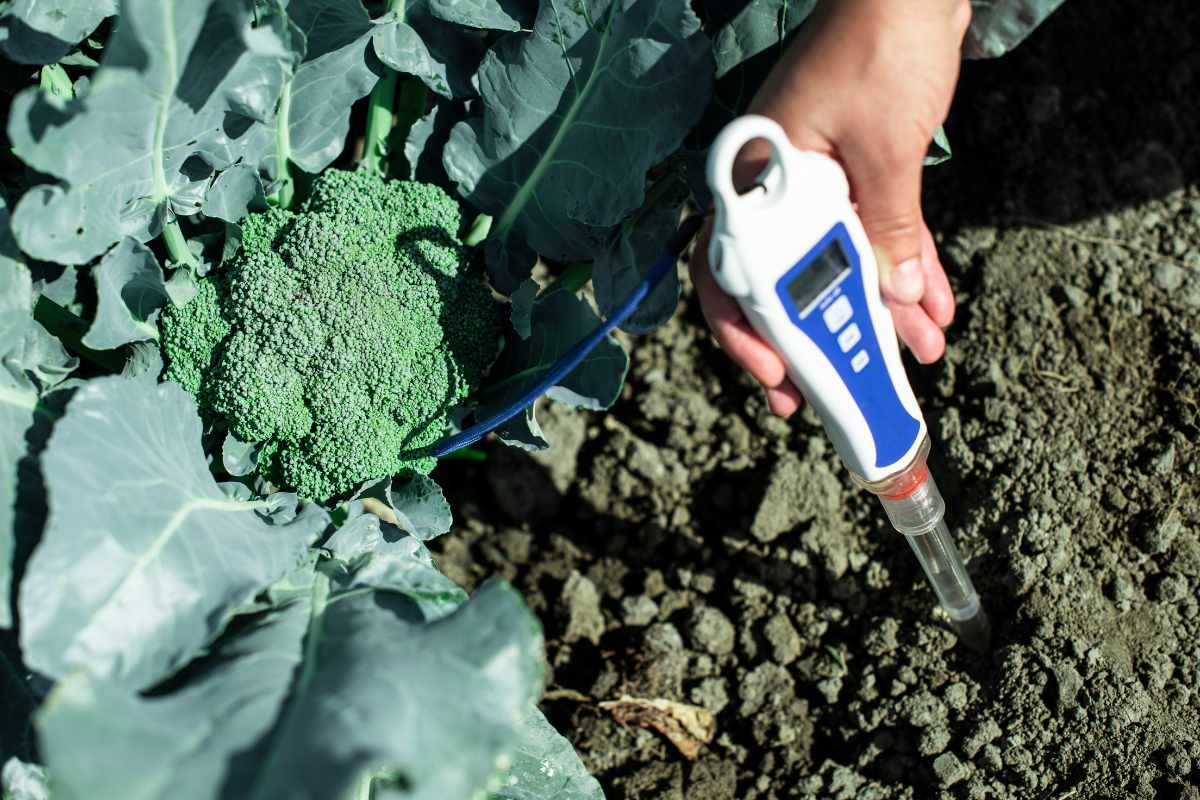
Soil thermometer: Plant warm-season crops when the soil (not just air) reaches the right temperature.
Frost fabric/blankets: Add a few degrees of protection on marginal nights.
Mulch: Buffer temperature swings, protect roots, and conserve moisture.
Moisture meter: Prevent drought stress—especially important after late frosts or heat waves.
What to do next
Check your zone with your ZIP code and jot it down (include the a/b).
Choose one perennial comfortably hardy for your zone and site this season.
If you’re adventurous, try one borderline plant in a protected spot and track how it fares.
With a clear handle on your USDA Planting Zone, you’ll buy smarter, reduce winter losses, and build a garden that comes back stronger year after year.
Enjoy the Video Tutorial!

Source: Garden Answer
Did you find this post useful or inspiring? Save THIS PIN to your Gardening Board on Pinterest!😊

Once again, thank you for visiting our website!
We hope you've enjoyed exploring the content we've created for you.
Give yourself the chance to learn, get inspired, and have even more fun, keep browsing...
More Gardening Tips 👇🏼👇🏼