
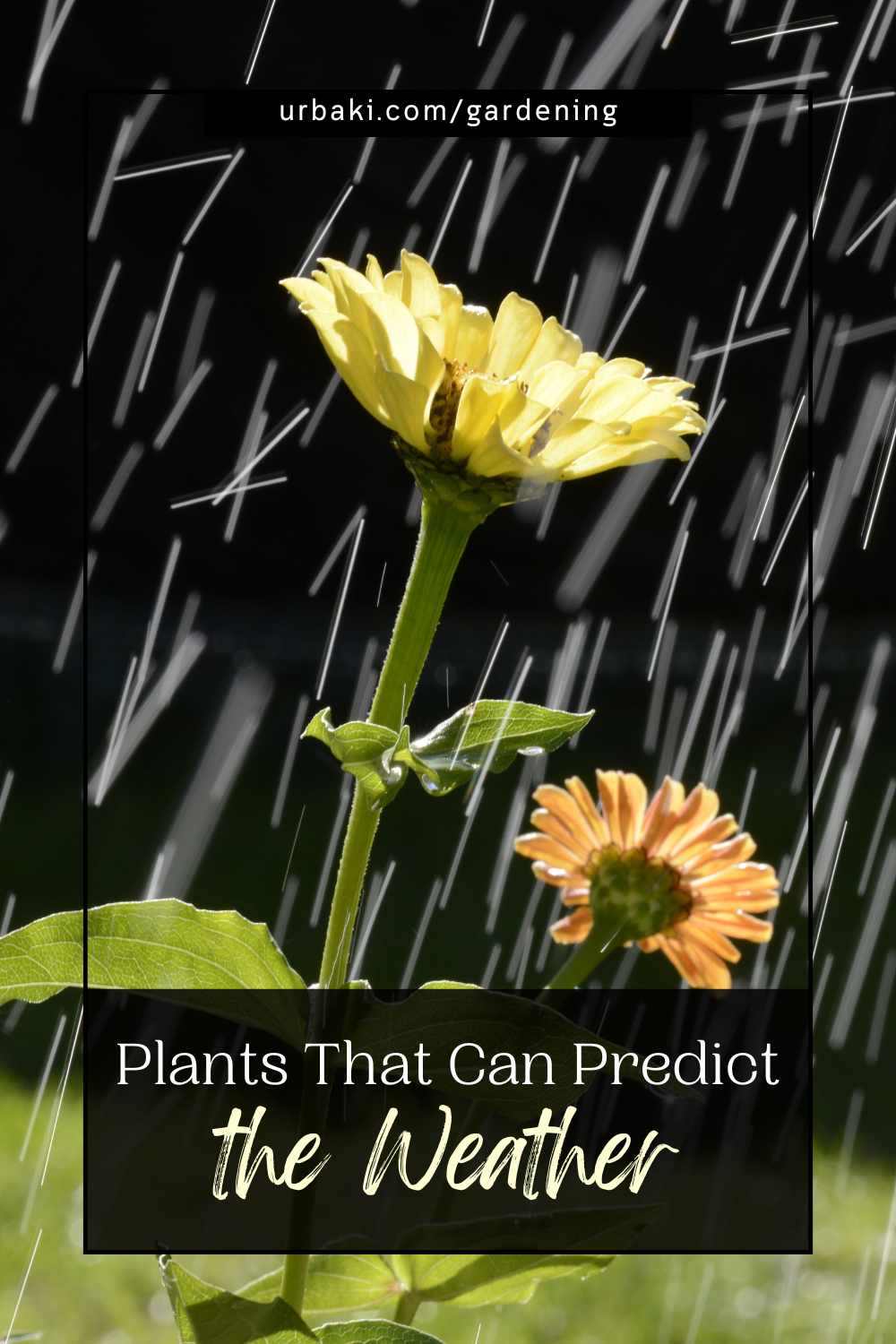
Plants That Can Predict the Weather

Nature has always held clues to what’s coming. Long before weather apps and satellites, people looked to the sky, animal behavior, and even plants to forecast changes in the environment.
While it might sound like folklore, many plants truly can signal shifts in weather conditions, offering subtle cues through their leaves, flowers, or overall behavior.
These botanical indicators aren’t magical—they’re simply responding to changes in humidity, pressure, and temperature in ways that humans have learned to interpret.
If you’re observant, your garden can become its weather station, with certain species quietly letting you know when rain is on the way or sunshine is here to stay.
Sensitive Plants with Reactive Movements
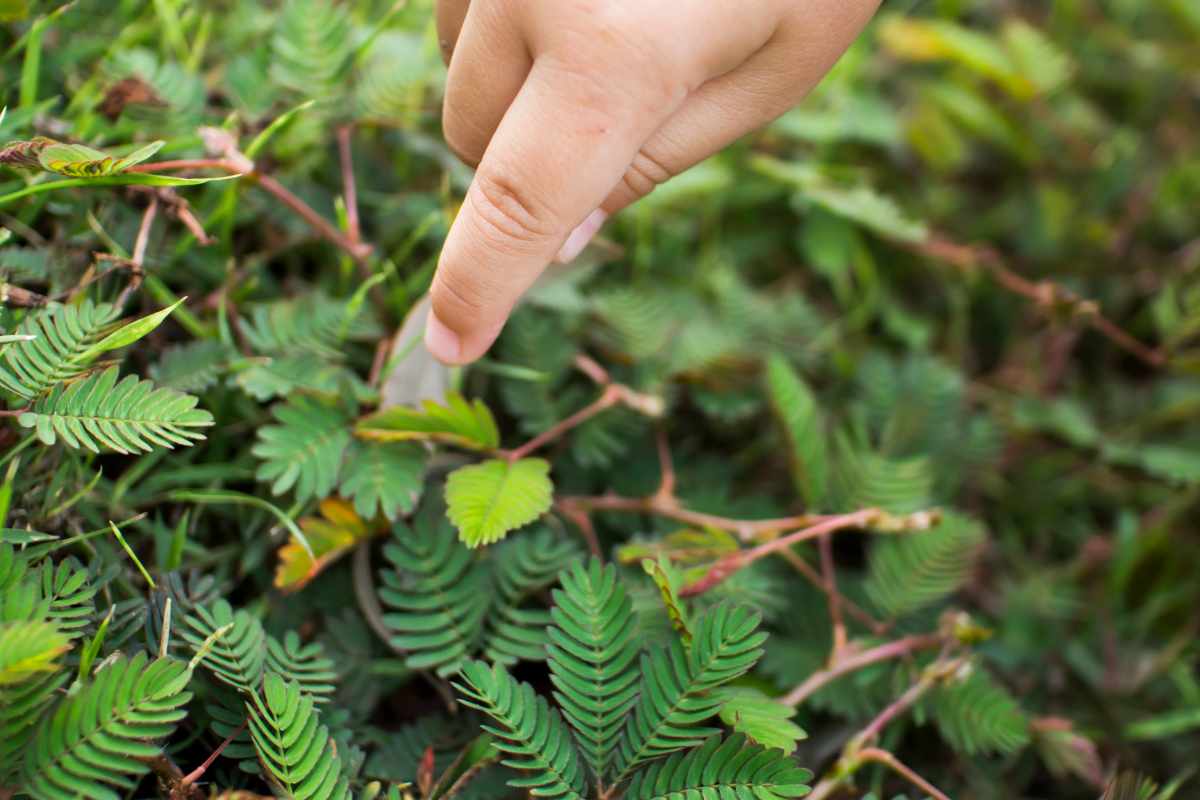
Some of the most fascinating weather-sensitive species are those that move in response to atmospheric conditions. The best-known example is Mimosa pudica, commonly called the sensitive plant.
Native to Central and South America, its leaves fold inward when touched or disturbed. While this is primarily a defense mechanism, it’s also highly reactive to environmental stress, including storms or changes in light.
In anticipation of heavy rain or strong winds, the plant may begin to close up early. Its reaction is subtle but can serve as an early warning of incoming shifts in the weather.
For gardeners, observing its behavior is not only interesting but also a reminder of the complex relationships plants have with their environment.
Pine Cones as Natural Barometers
A more familiar and widespread example is the pine cone. These seed carriers are impressively tuned to moisture. On dry days, their scales open wide, helping to disperse seeds through the wind.
But when humidity rises—often a sign that rain is coming—the cones close to protect the seeds inside.
This reaction is so reliable that some people use pine cones as simple hygrometers indoors. Hanging a few in your workspace or on a covered porch can give you visual cues about the moisture in the air.
While not exact, they serve as a charming and surprisingly effective way to sense weather changes.
Morning Glories and Rain Anticipation
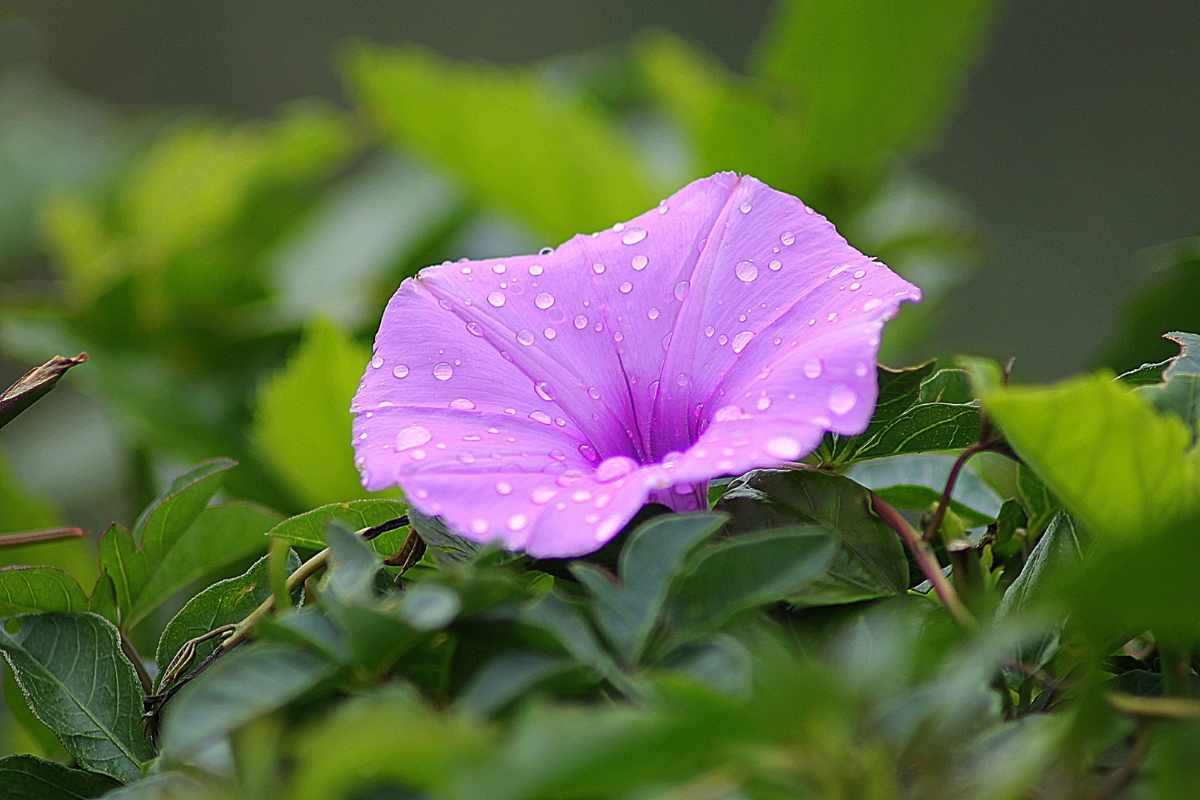
Morning glories are known for their bright, trumpet-shaped blooms that open with the morning sun. But their flowers don’t just follow light—they also respond to humidity.
When rain is approaching, these blossoms may remain tightly closed or close earlier than usual, helping to protect delicate inner parts from damage.
This habit isn’t unique to morning glories; several flowering plants will delay or reduce blooming when rain is imminent. By conserving energy and reducing their exposure to water, these plants minimize risk and preserve reproductive potential.
Keen-eyed gardeners can watch these subtle changes to anticipate shifts in the day’s weather.
Clover Leaves and Rainfall
Clover is a common groundcover, especially in lawns and meadows, and its leaves are more informative than most people realize. The trifoliate leaves of white clover (Trifolium repens) lie flat during sunny or dry conditions.
However, when humidity increases or rain is near, the leaves tend to fold or point upward.
This change helps reduce the leaf surface exposed to falling water, possibly protecting the plant from excess moisture or fungal infections. It’s a small but consistent reaction that can be easily observed by anyone who spends time outdoors, especially in the morning.
Tulips and Atmospheric Pressure
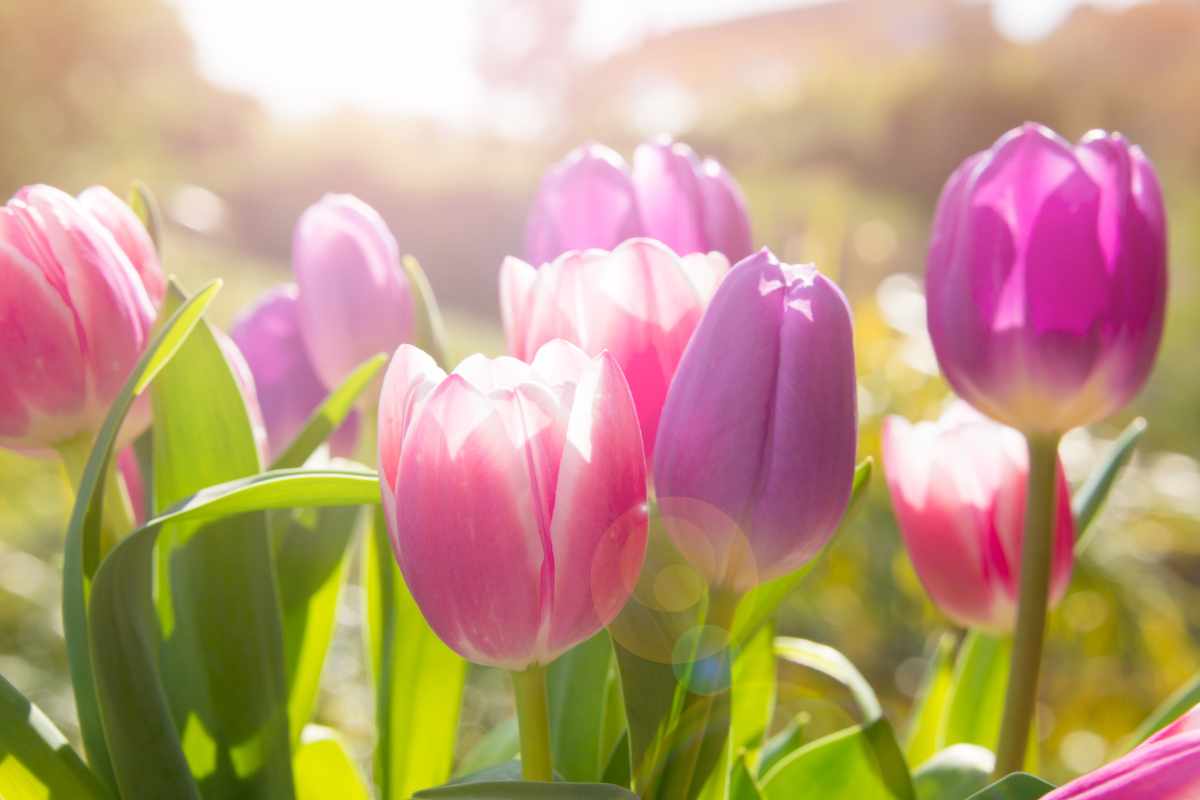
While tulips are typically admired for their brilliant spring colors, they also offer clues about the weather. On dry, sunny days, tulip petals open fully, reaching toward the light.
But when rain or overcast skies are approaching, they tend to close up, sometimes even before any noticeable change in temperature or wind.
This behavior is directly related to barometric pressure and humidity, and it serves a protective function. Closed petals shield pollen from rain and help preserve the flower's structure. In a tulip-filled garden, these changes can create a visual wave of motion that hints at upcoming conditions before the first raindrop falls.
Wildflowers That Signal Change
Various wildflowers also respond to changes in the environment with consistent patterns. Chicory flowers, for example, are known to open only in sunny weather and often close up before clouds roll in.
Dandelions exhibit similar behavior, with their flowers tightly closing during damp or rainy periods.
These reactions are driven by both light levels and moisture. The protective closing helps preserve the flowers’ reproductive parts, ensuring the plant can successfully pollinate and go to seed when the skies clear.
For foragers and nature walkers, these signs are often the first hints of a weather shift.
Gardeners and Folk Wisdom
Throughout history, farmers and gardeners developed sayings and planting schedules based on the behavior of plants. “When the leaves show their undersides, be very sure that rain betides” is one example, rooted in the way tree leaves may turn or roll upward in response to increased humidity or wind.
Though not every plant-based forecast is 100% accurate, many have proven reliable enough to be passed down for generations.
Paying attention to plant signals can help home gardeners decide whether to delay watering, cover delicate plants, or postpone a harvest. Even in the modern era, these natural signs remain practical.

Making Use of Botanical Clues
You don’t need a scientific background to begin noticing how your plants behave before a change in the weather. The key is to observe regularly and take mental notes.
Are certain flowers closing earlier than usual? Do leaves appear to be reacting differently as the sky darkens?
Creating a small journal or taking quick phone photos on days with changing weather can help you build a pattern. Over time, you may start to notice which plants in your garden are your most reliable weather watchers.
While they won’t replace meteorological forecasts, they can complement them beautifully, offering a ground-level perspective that’s both ancient and immediate.
Did you find this post useful or inspiring? Save THIS PIN to your GARDENING Board on Pinterest!
More Gardening Tips 👇🏼👇🏼