
Rhaphidophora Tetrasperma Houseplant Care

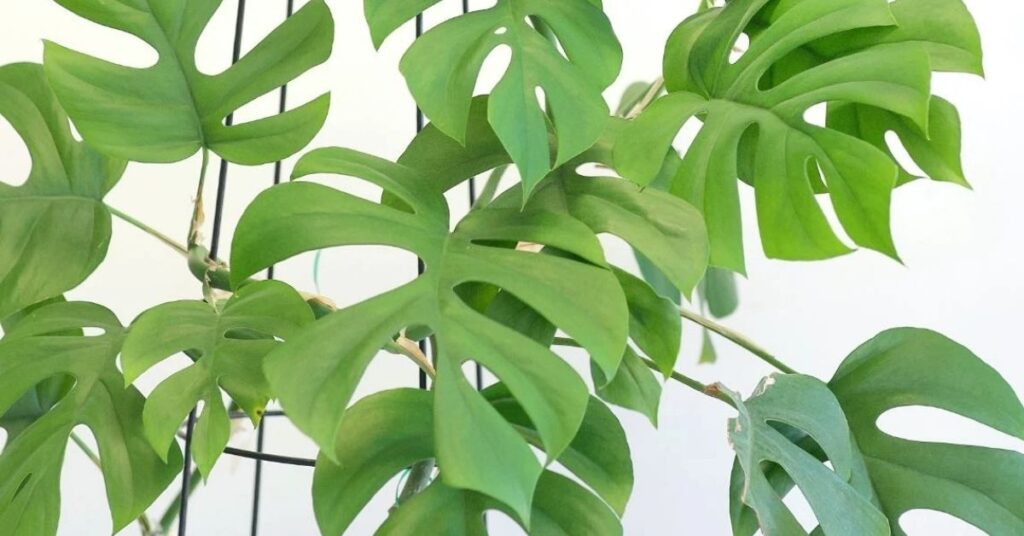
The Rhaphidophora tetrasperma is a tropical climbing plant from Southeast Asia, admired for its deeply cut leaves that resemble those of the Monstera deliciosa, but in a more compact form.
Often called the “mini monstera,” it’s not a true Monstera, but a member of the Rhaphidophora genus.
Here’s everything you need to know to keep this plant healthy and thriving.
Light Requirements for Mini Monstera
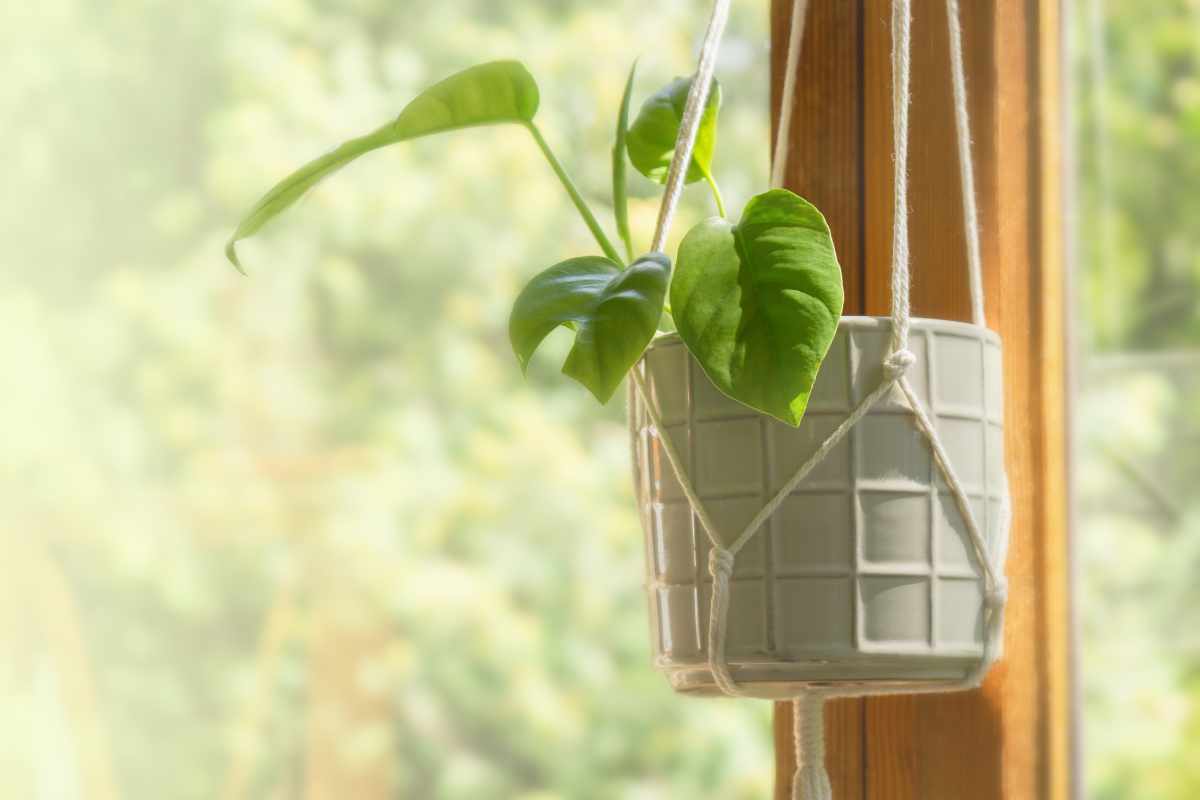
This plant thrives in bright, indirect light.
While it can tolerate some direct sunlight, especially in the morning, prolonged exposure to intense sun may scorch its leaves.
If new leaves lack the characteristic splits, it’s a sign the plant needs more light. Avoid low-light areas, as this can slow growth and reduce fenestration.
Watering and Moisture Guidelines
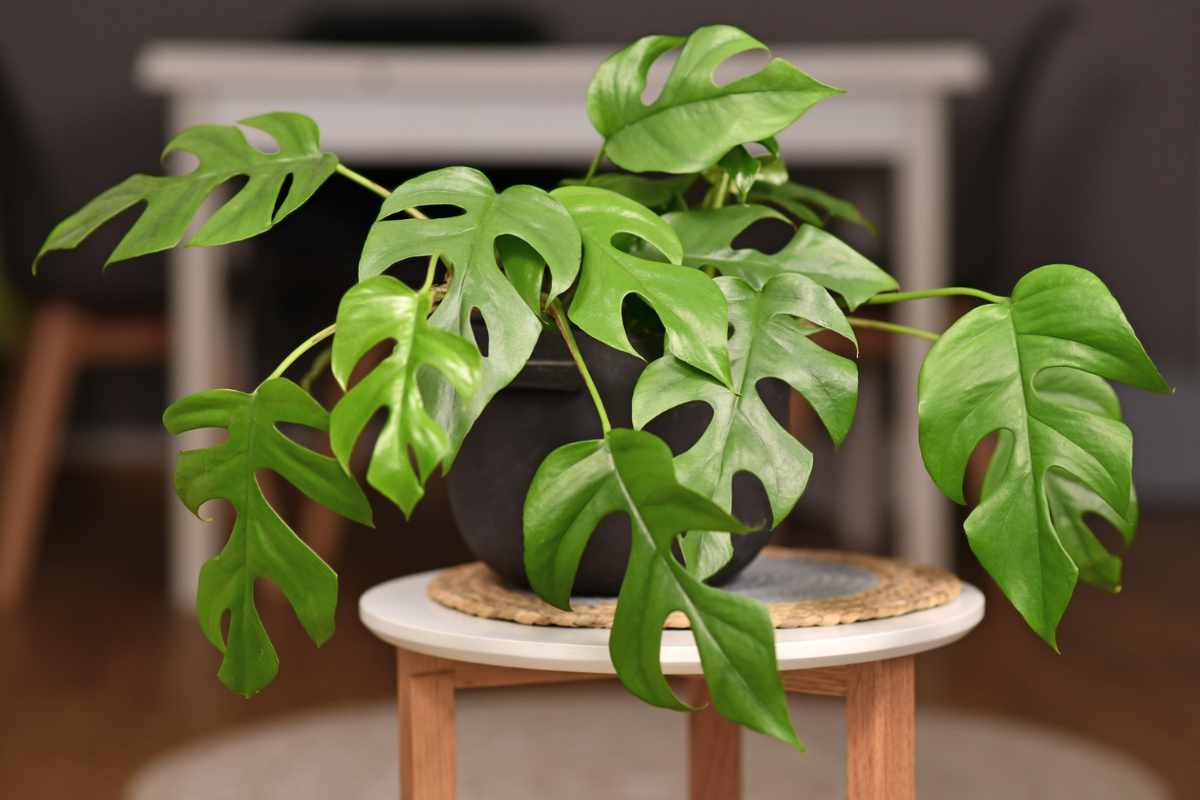
During the growing season (spring and summer), water the plant when the top layer of soil feels dry.
In winter, reduce watering, allowing the soil to dry slightly between sessions.
Avoid overwatering, as soggy soil can lead to root rot.
Ensure your pot has good drainage and never let water sit in the saucer.
Temperature and Humidity Needs

Rhaphidophora tetrasperma prefers temperatures between 65°F and 80°F (18–27°C).
Keep it away from cold drafts and temperatures below 50°F (10°C). While it tolerates average indoor humidity, higher humidity encourages healthier, more vigorous growth.
Placing the plant near other houseplants or using a humidifier can boost its well-being.
Best Soil and Fertilization Practices
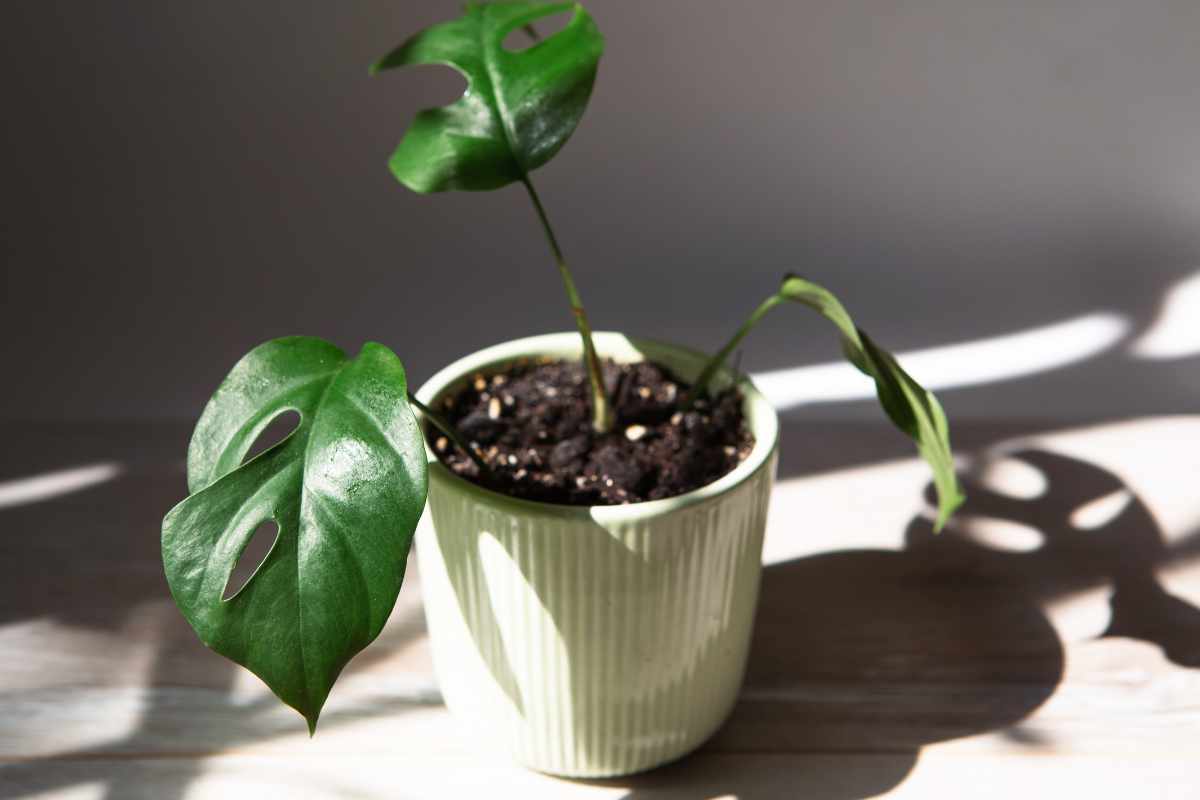
Use a well-draining, airy potting mix.
A recommended blend is one part potting soil, one part orchid bark, and one part perlite. During the growing season, fertilize monthly with a balanced, water-soluble fertilizer.
If the plant isn’t used to regular feeding, start with a lower concentration to avoid burning the roots.
Supporting Your Climbing Plant
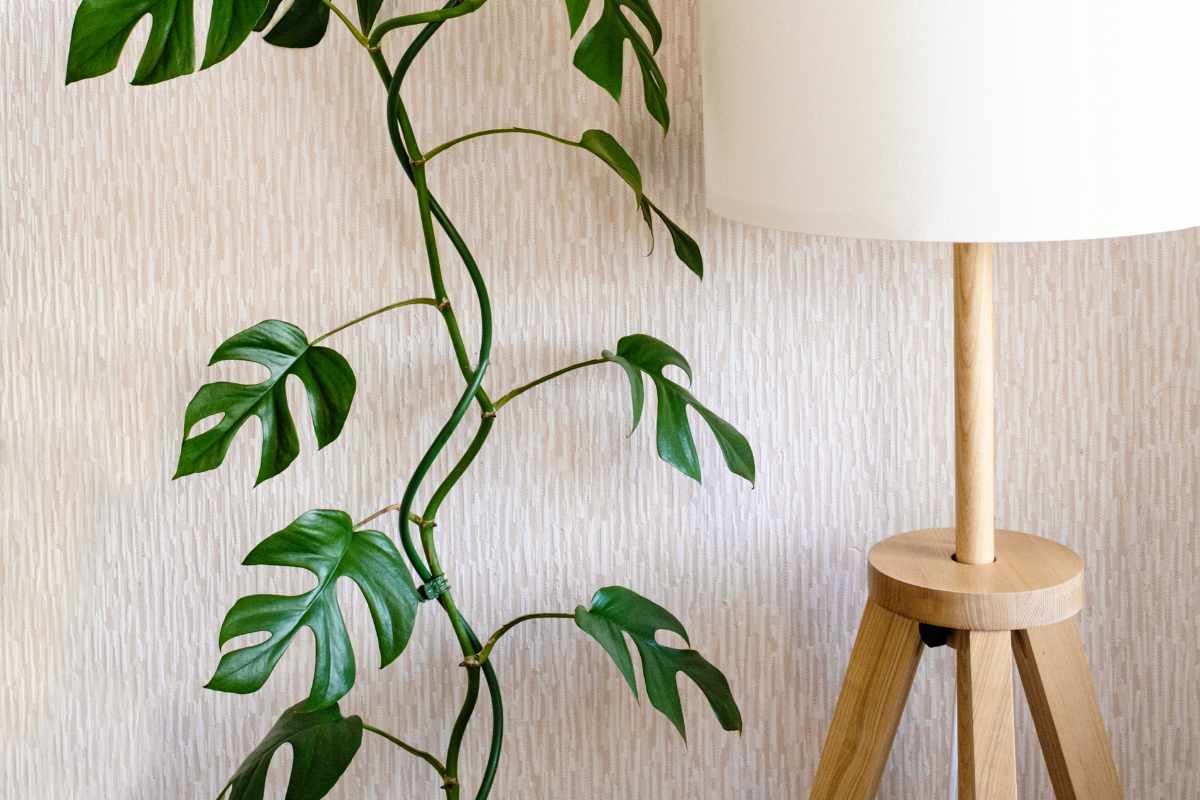
As a climbing plant, the mini monstera benefits from vertical support.
Using a moss pole or trellis provides stability and encourages upward growth and larger, more fenestrated leaves.
Guide the plant along the support and ensure aerial roots touch the soil for better nutrient absorption.
Pruning and Propagation Tips

Regular pruning keeps the plant compact and dense.
To propagate, cut a stem that includes at least one node and an aerial root. Place it in water until roots develop, then transfer it to soil.
With proper care, this plant grows quickly, so you’ll see results in no time.
Pests and Common Problems
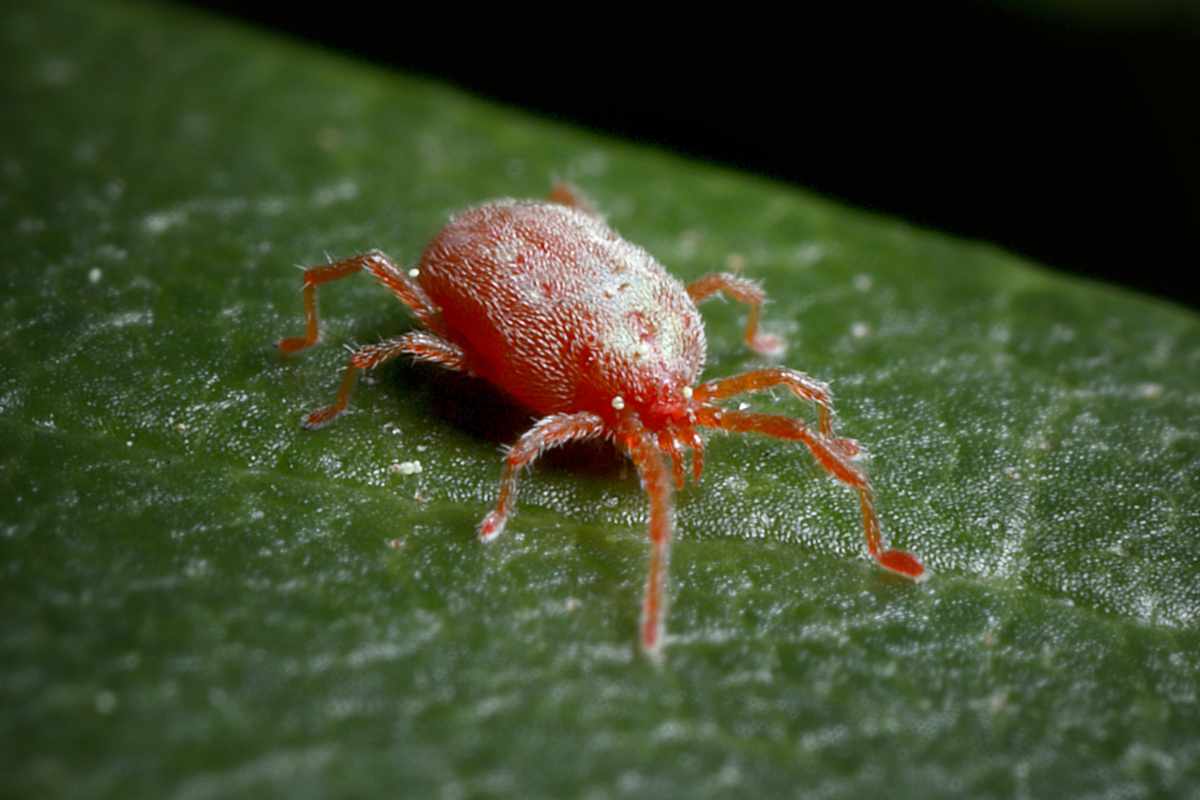
Though generally resilient, it can be affected by pests such as mealybugs, spider mites, and whiteflies.
Check leaves and stems regularly for signs of infestation.
Overwatering can cause root rot, and insufficient light can lead to leaves without splits and slow growth. Yellowing or drooping leaves often indicate issues with light, water, or temperature.
Final Thoughts on Rhaphidophora Tetrasperma Care
With the right combination of light, water, humidity, and support, the mini monstera can thrive indoors and become a striking addition to any houseplant collection.
Its unique foliage and climbing habit make it both decorative and rewarding to grow.
By following these care tips and paying attention to its specific needs, you can enjoy a healthy, vibrant Rhaphidophora tetrasperma for years to come.
Enjoy This Video Tutorial

Source: Summer Rayne Oakes
Don’t forget to Subscribe to our Newsletter to receive amazing tips and tricks about Gardening and the FREE Ebook Green Living Strategies!
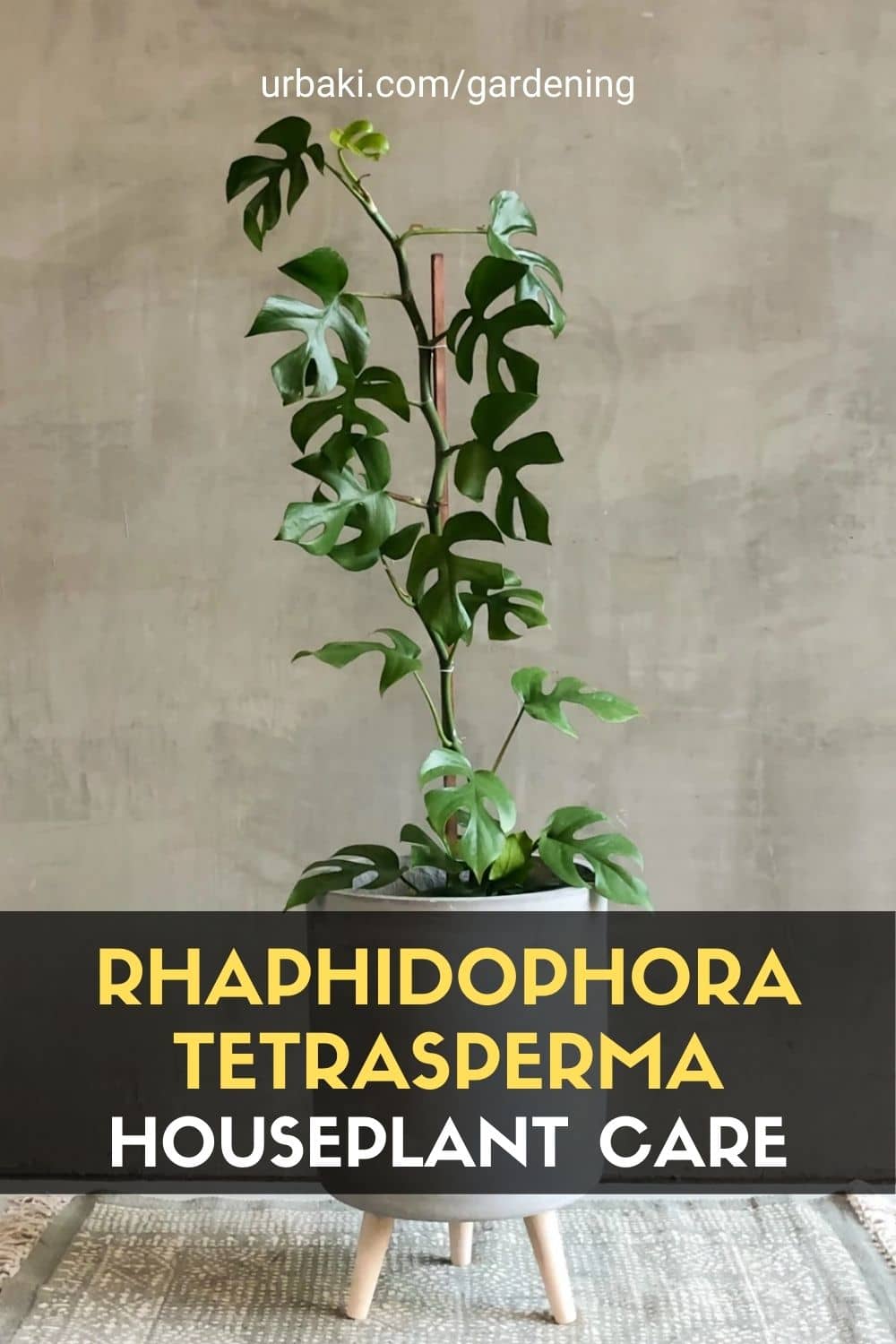
Did you find this post Useful or Inspiring? Save THIS PIN to your GARDENING Board on Pinterest! 😊
Once again, thank you for visiting our website!
We hope you've enjoyed exploring the content we've created for you.
Give yourself the chance to learn, get inspired, and have even more fun, keep browsing...
More Gardening Tips 👇🏼👇🏼