
Safe Garden Plants for Curious Dogs and Cats

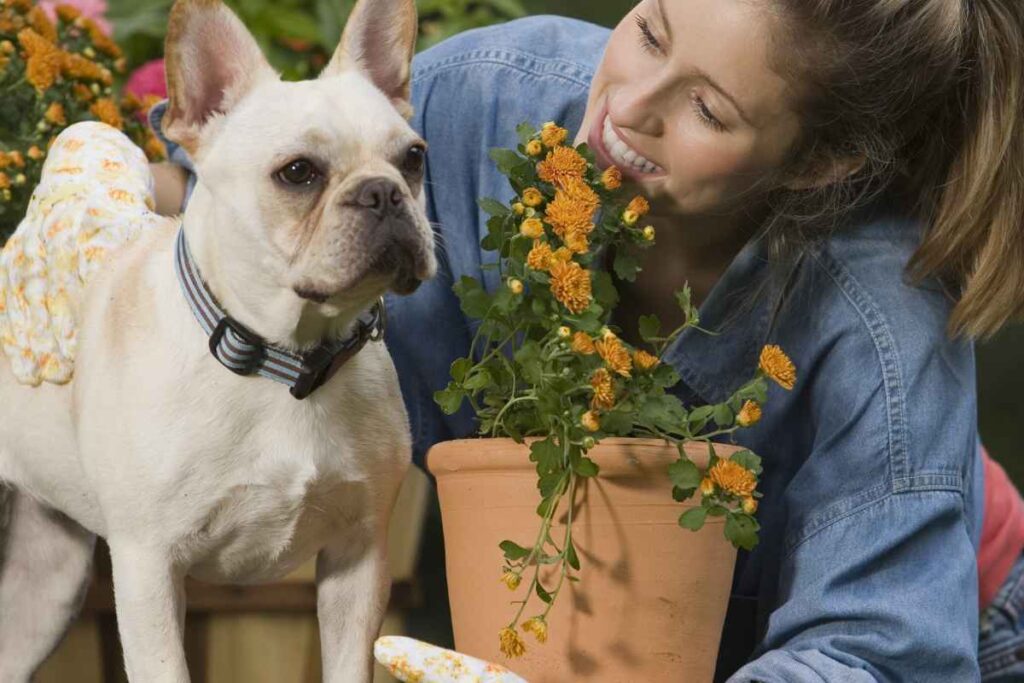
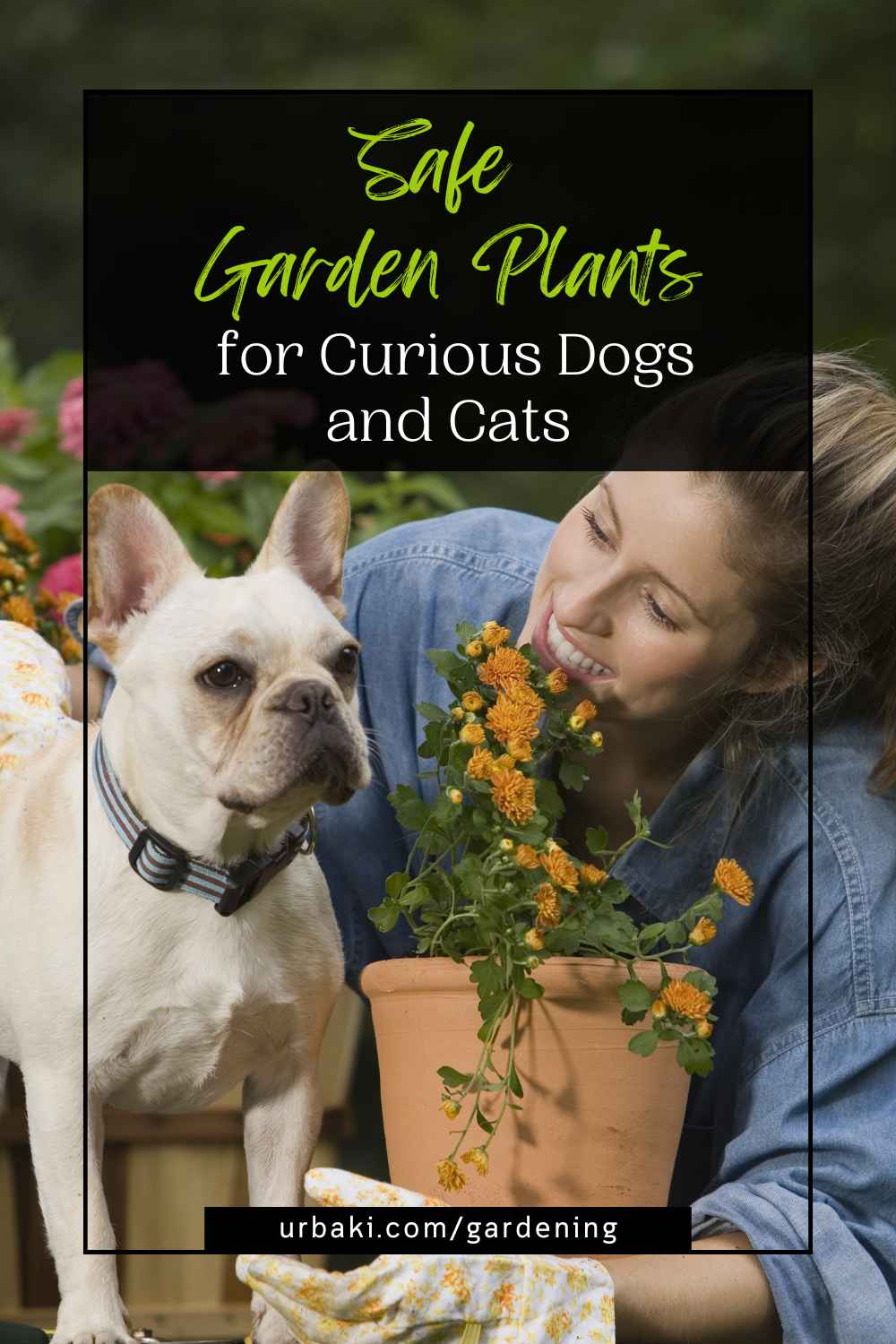
If you're a pet owner with a green thumb, you know how important it is to create a beautiful garden space that’s both pet-friendly and safe for your furry friends. Whether your dog enjoys nibbling on grass or your cat likes to explore every nook and cranny of your backyard, it's essential to be mindful of the plants you choose to grow.
Many common garden plants can be toxic to pets, which can lead to serious health issues. However, there are plenty of safe plants that will allow you to cultivate a lush, vibrant garden while keeping your pets safe. In this article, we’ll explore some of the best pet-safe plants for your garden.
Why Pet-Safe Plants Are Essential
Curious dogs and cats are naturally inclined to explore their surroundings, and gardens are no exception. Plants, flowers, and shrubs may catch their attention, leading them to nibble, chew, or even swallow parts of the plant.
While many plants are harmless, some can be highly toxic, causing anything from mild stomach upset to severe poisoning. To protect your pets, it’s essential to choose plants that are non-toxic and safe for them to interact with.
The key is to select pet-safe plants that won’t pose a risk to your dog or cat, even if they decide to take a bite or bat at the leaves.
Fortunately, there are plenty of options to choose from. Below are some of the most popular and safe plants that will thrive in your garden and provide peace of mind.
Top Safe Garden Plants for Dogs and Cats
Here are some beautiful, non-toxic plants that are both pet-friendly and easy to grow:
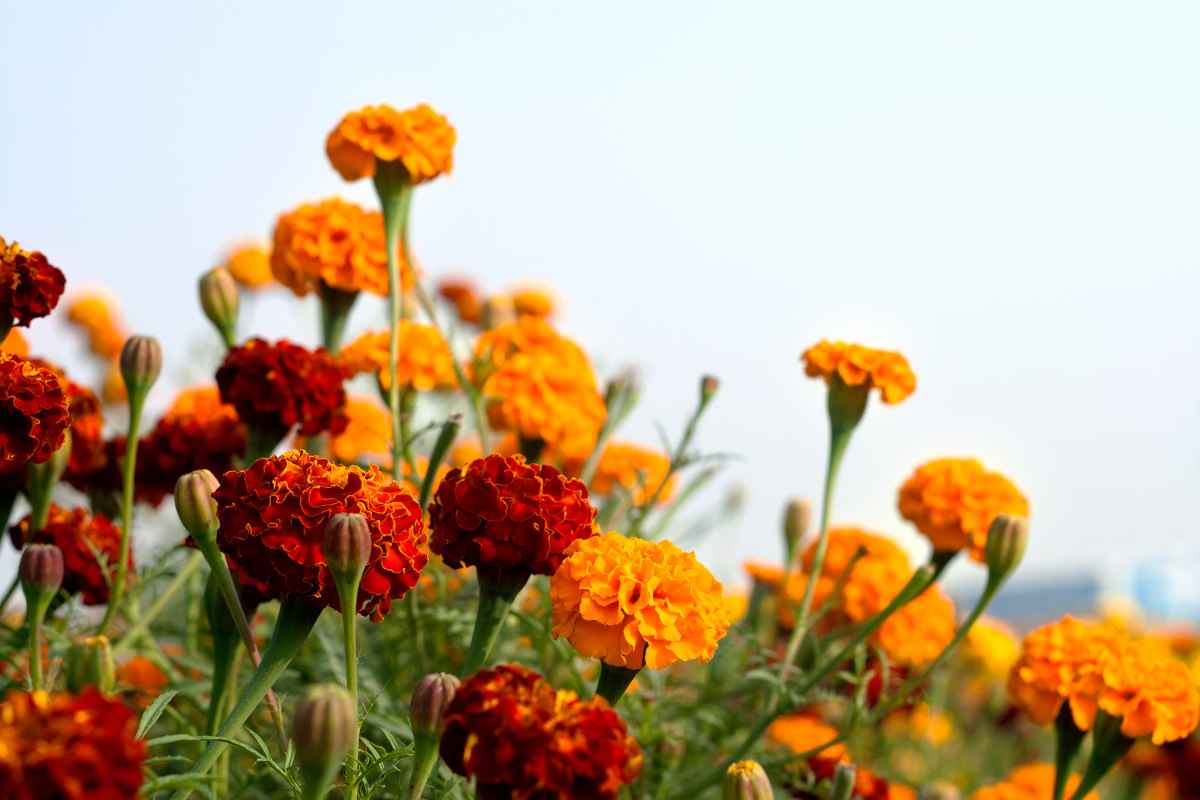
1. Marigolds (Tagetes spp.)
Marigolds are not only vibrant and cheerful, but they’re also a great option for pet-friendly gardens. These colorful flowers are safe for both dogs and cats, making them an ideal addition to your garden.
Why They're Safe: Marigolds are non-toxic to dogs and cats, and they can also act as a natural deterrent to pests like aphids and mosquitoes.
Care Tips: Marigolds thrive in full sunlight and can be planted in well-drained soil. They are low-maintenance and bloom throughout the summer, adding a pop of color to your garden.
2. Spider Plants (Chlorophytum comosum)
Spider plants are popular houseplants, but they also do well in outdoor settings. Their long, arching leaves and easy-care nature make them a great choice for pet-friendly gardens.
Why They're Safe: Spider plants are non-toxic to both cats and dogs. In fact, they are often referred to as “pet-safe plants” because they don’t pose a risk if pets decide to chew on the leaves.
Care Tips: Spider plants prefer bright, indirect light and well-drained soil. They’re low-maintenance and can tolerate occasional neglect, making them perfect for pet owners with busy lives.
3. Lavender (Lavandula spp.)
Lavender is a fragrant and calming plant that thrives in many gardens. Not only is it known for its relaxing scent, but it’s also completely safe for pets, including dogs and cats.
Why It's Safe: Lavender is non-toxic to both dogs and cats. Its gentle fragrance can also help create a serene, peaceful environment in your garden.
Care Tips: Lavender loves full sun and well-drained soil. It's a drought-tolerant plant that requires minimal watering once established. It’s also a great pollinator plant, attracting bees and butterflies.
4. Boston Fern (Nephrolepis exaltata)
Ferns are a great choice for pet owners looking to create a lush, green garden without worrying about plant toxicity. The Boston fern, in particular, is a favorite among gardeners.
Why They're Safe: The Boston fern is non-toxic to both cats and dogs, making it an excellent option for homes and gardens with pets.
Care Tips: Boston ferns prefer shady, moist environments and do well in indoor and outdoor settings. They thrive in areas with high humidity and indirect sunlight.
5. Sunflowers (Helianthus annuus)
Sunflowers are beloved for their bright, yellow blooms and their ability to grow tall, creating a beautiful focal point in your garden. They’re also safe for pets!
Why They're Safe: Sunflowers are non-toxic to dogs and cats. They can be enjoyed by your pets without any risk of harm.
Care Tips: Sunflowers love full sun and well-drained soil. They require regular watering, but be sure not to overwater them. They’re great for attracting birds and pollinators like bees.
6. Snapdragons (Antirrhinum majus)
Snapdragons are another colorful flower that can brighten up your garden without posing a risk to your pets. They come in various colors, from pinks and reds to purples and whites.
Why They're Safe: Snapdragons are non-toxic to both dogs and cats. They can be safely nibbled on without causing harm.
Care Tips: Snapdragons prefer well-drained soil and moderate sunlight. They thrive in cooler temperatures, making them perfect for spring and fall gardens.
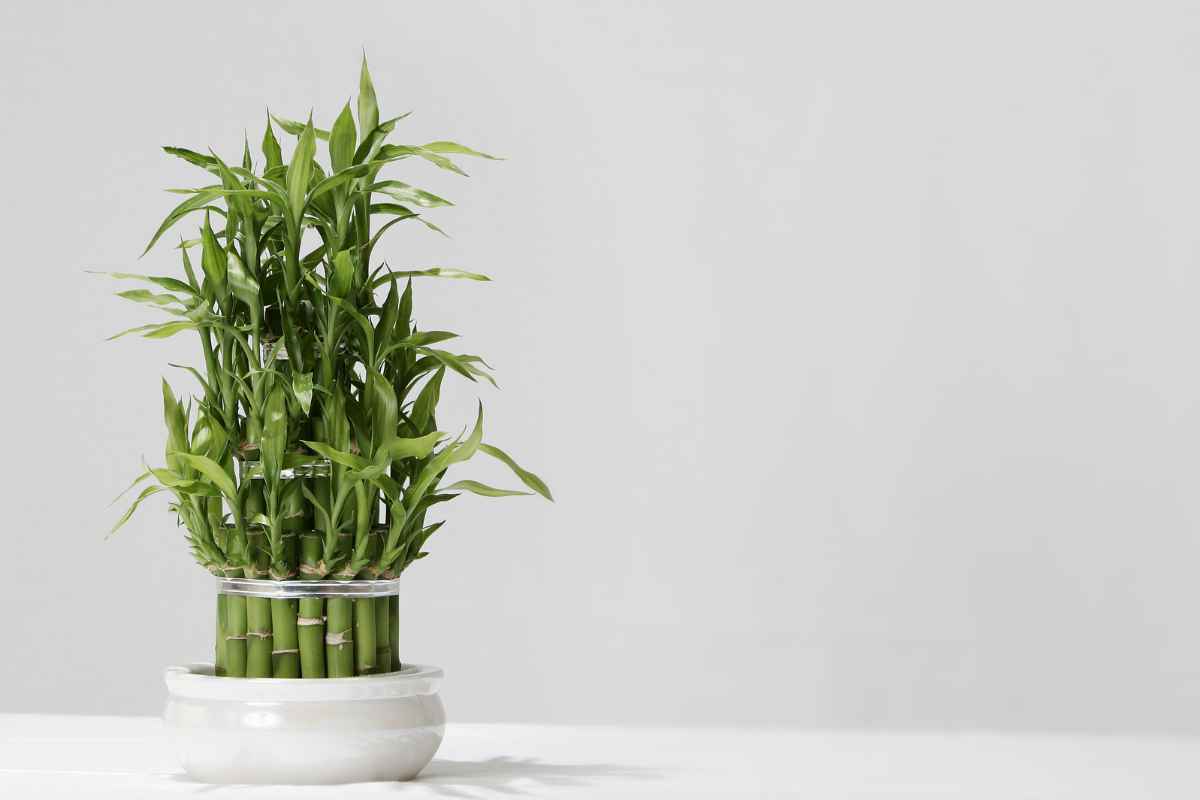
7. Bamboo (Bambusoideae)
Bamboo can be an excellent addition to your garden, providing both aesthetic appeal and a safe environment for pets. While it’s important to choose the right species of bamboo, many varieties are non-toxic and perfect for homes with pets.
Why It's Safe: Most varieties of bamboo are non-toxic to both dogs and cats. They offer a safe, natural barrier or privacy screen for your garden.
Care Tips: Bamboo grows well in moist, well-drained soil and full sun or partial shade. It’s a fast-growing plant that may require regular pruning to keep it contained.
8. Herbs: Mint, Basil, and Parsley
Herbs are not only great for cooking but also provide numerous benefits for your garden and your pet’s health. Many herbs, including mint, basil, and parsley, are safe for dogs and cats.
Why They're Safe: These herbs are non-toxic to pets and can be consumed in moderation without causing any harm.
Care Tips: Herbs grow best in well-drained soil and need regular watering. Most herbs prefer full sun and can be easily grown in pots or garden beds.
9. Petunias (Petunia spp.)
Petunias are another popular flowering plant that’s safe for pets. They come in various colors and can thrive in a variety of garden environments.
Why They're Safe: Petunias are non-toxic to dogs and cats. Their beautiful blooms and vibrant colors make them a great addition to a pet-friendly garden.
Care Tips: Petunias prefer full sun and well-drained soil. They need regular watering and should be deadheaded to encourage continuous blooming throughout the season.
What to Avoid: Toxic Plants for Pets
While there are many safe plants for pets, it’s just as important to be aware of toxic plants that can harm your furry friends. Some common toxic plants include:
Lilies (Lilium spp.) – Highly toxic to cats.
Oleander (Nerium oleander) – Poisonous to both dogs and cats.
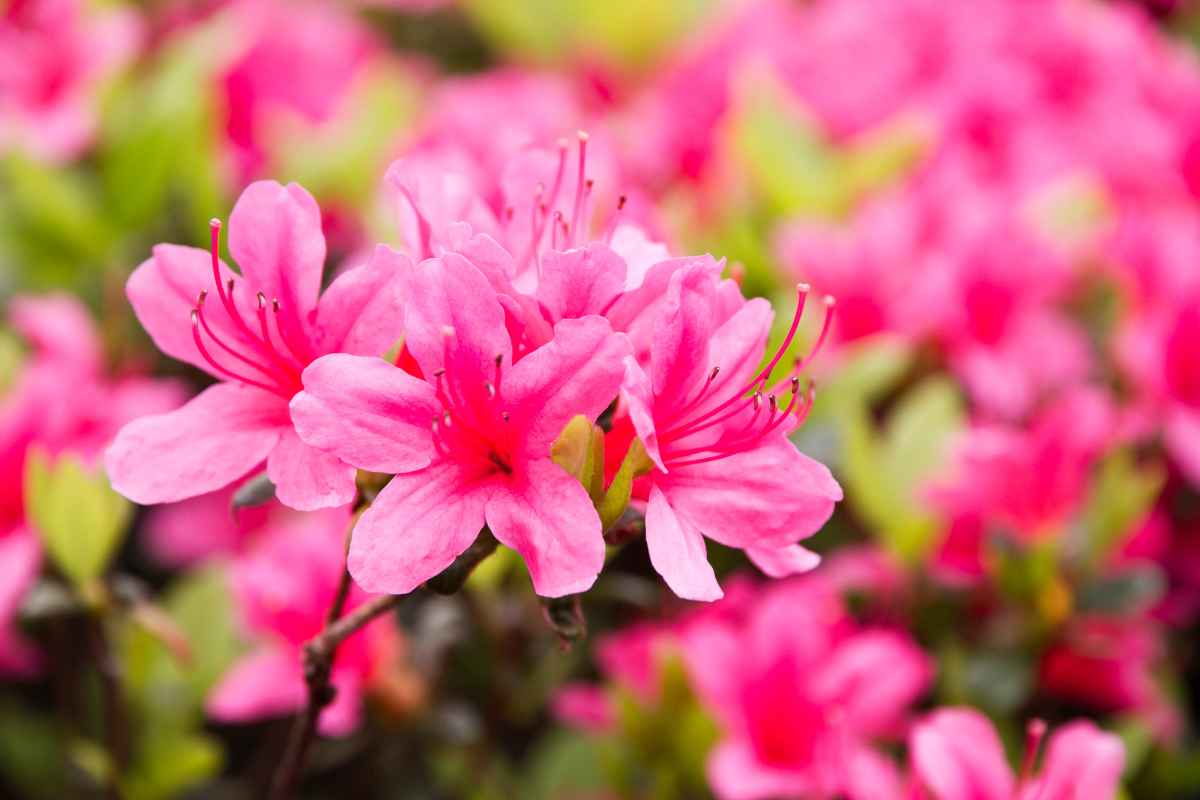
Azaleas (Rhododendron spp.) – Can cause vomiting and lethargy in pets.
Daffodils (Narcissus spp.) – Toxic to both dogs and cats.
Always research the plants you intend to grow and be mindful of their potential toxicity.
Creating a safe, pet-friendly garden is all about choosing the right plants. There are plenty of beautiful, non-toxic plants you can incorporate into your garden to create a vibrant and safe environment for your pets.
Whether you’re growing flowers like marigolds and snapdragons, or herbs like mint and basil, the possibilities are endless. By selecting safe plants and avoiding toxic ones, you can ensure that your garden is not only a place of beauty but also a place where your dogs and cats can safely explore and enjoy.
Did you find this post useful or inspiring? Save THIS PIN to your GARDEN Board on Pinterest!
More Gardening Tips 👇🏼👇🏼