
- Urbaki Gardening
- Planting Flowers
- Sea Holly (Eryngium): Stunning Spiky Texture for Dry Gardens
Sea Holly (Eryngium): Stunning Spiky Texture for Dry Gardens

Emily Brooks
09/08/2025 · Updated on: 04/02/2026
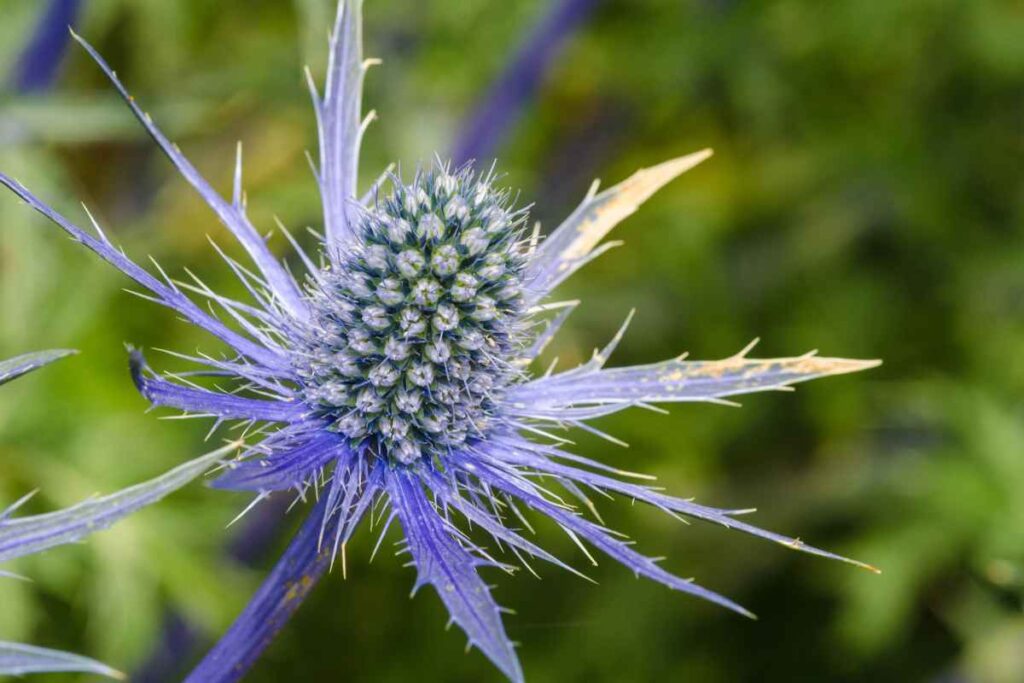
In the world of garden design, few plants can match the striking presence and resilience of Sea Holly (Eryngium).
With its bold, spiky texture, silvery-blue hues, and sculptural form, Sea Holly adds an architectural quality to any landscape. But beyond its unique appearance, this perennial is also exceptionally well-suited for dry gardens, making it a favorite among eco-conscious and low-maintenance gardeners.
Whether you’re building a drought-tolerant garden, looking to attract pollinators, or simply want something out of the ordinary, Eryngium deserves a place in your planting plans.
Meet Sea Holly: A Unique Garden Performer
Eryngium, commonly known as Sea Holly, is a herbaceous perennial that belongs to the Apiaceae family, the same as carrots and parsley.
Native to Europe, the Mediterranean, and parts of Central and South America, this plant has adapted to harsh, dry, and coastal environments, which explains its rugged charm.
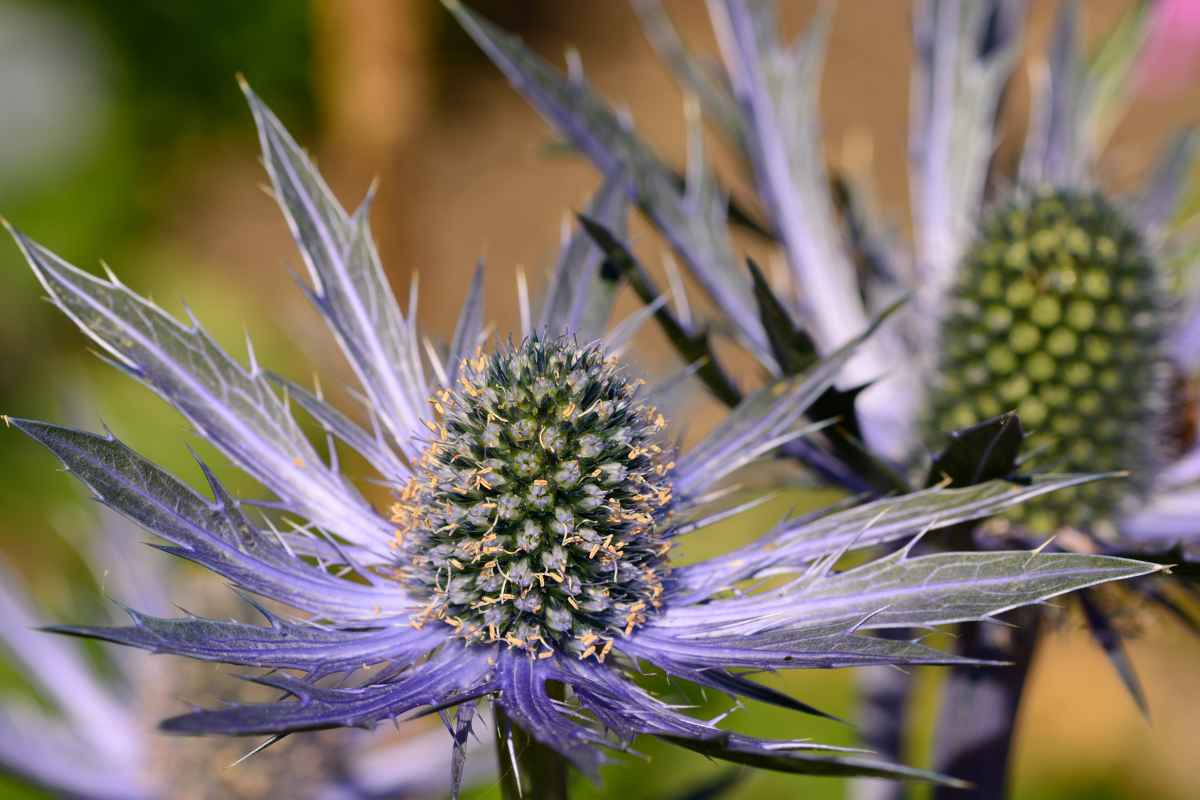
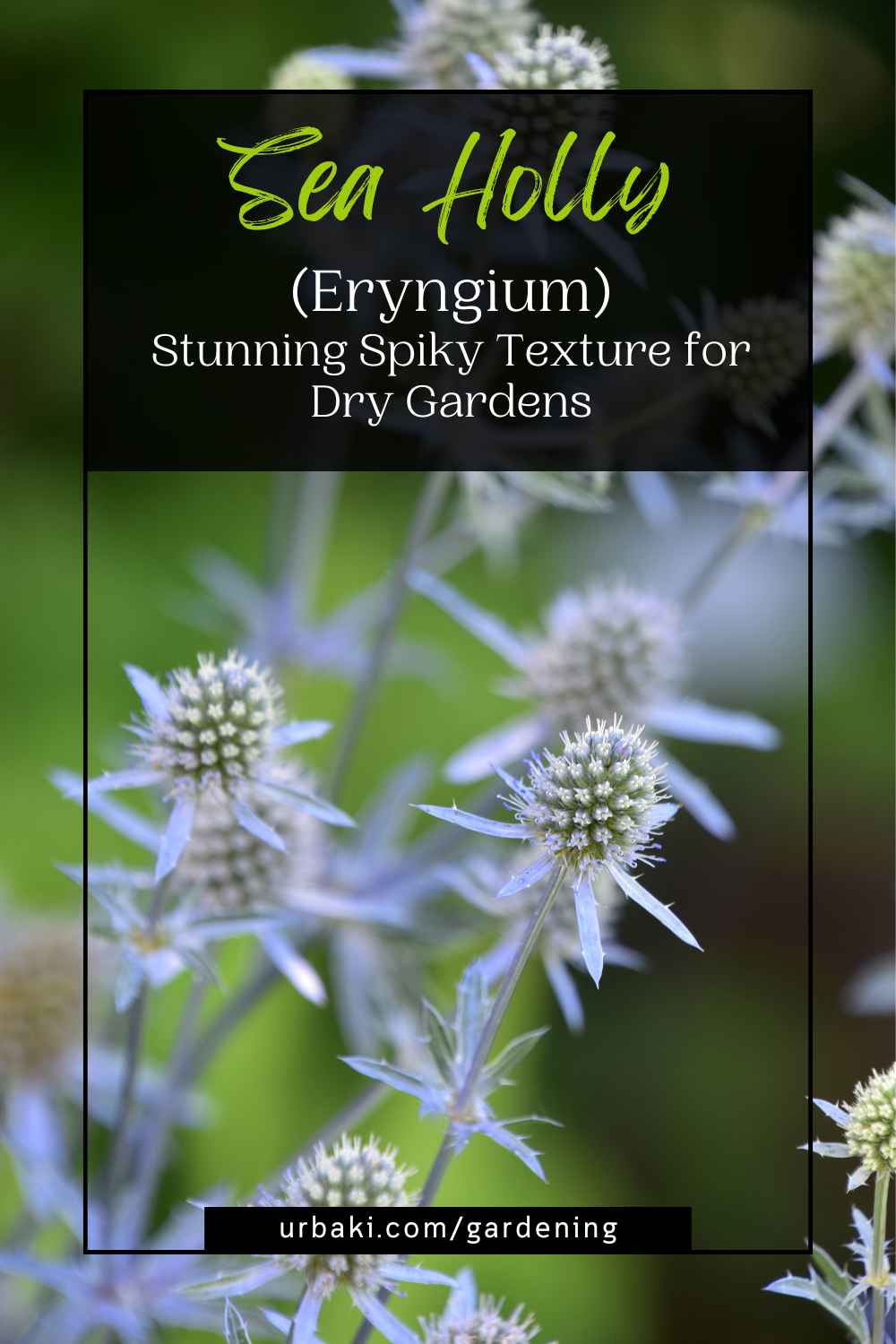
The plant is instantly recognizable for its stiff, deeply lobed leaves and, more notably, for its cone-shaped flower heads surrounded by spiky, papery bracts.
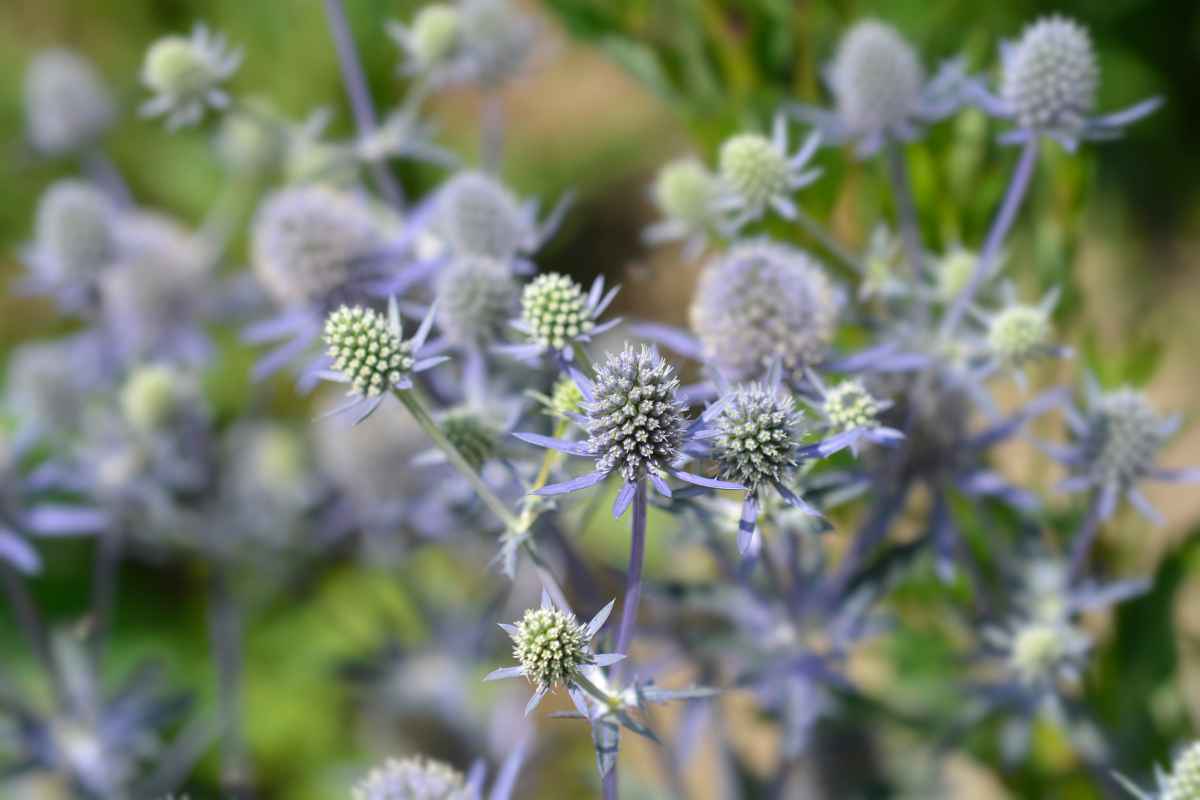
The color can vary by species, but the most beloved varieties often showcase shimmering blues, metallic silvers, and cool purples, creating an eye-catching contrast against softer plants.
Why Choose Sea Holly for Dry Gardens?
Dry gardens demand plants that not only tolerate drought but also bring visual interest without the need for constant upkeep. Sea Holly checks all the boxes:
Drought-tolerant once established
Thrives in poor, sandy, or rocky soils
Doesn’t require frequent watering or fertilizing
Resistant to deer and rabbits
Loved by bees and butterflies
Its ability to retain beauty during dry spells makes it ideal for xeriscaping and water-wise gardens, especially in regions facing increasing water restrictions or erratic climate conditions.
The Beauty Is in the Texture
What truly sets Sea Holly apart is its extraordinary texture. The rigid, spiny bracts and upright stems give the plant a sculptural, almost architectural form. Unlike soft and fluffy blooms, Eryngium’s jagged structure creates bold contrast in garden beds, especially when paired with wispy grasses or delicate flowers.
From a design standpoint, Sea Holly acts as a visual anchor—a plant that draws the eye and adds a sense of rhythm to your layout. Whether planted singly as a focal point or repeated along a border, it contributes both structure and motion.
Popular Varieties to Consider
There are many species and cultivars of Eryngium, each with its own distinct flair. Here are a few standout varieties:
Eryngium planum ‘Blue Hobbit’
This compact form grows to around 12 inches tall, making it perfect for the front of borders or containers. It boasts vivid blue flowers that retain their color well into fall.
Eryngium giganteum ‘Miss Willmott’s Ghost’
Known for its silvery-white bracts and towering height, this variety can reach 3 feet or more. It naturalizes beautifully in dry meadows and cottage gardens.
Eryngium alpinum
This species features steel-blue bracts and a softer form than other varieties. It’s a beautiful choice for mixing into perennial borders.
Eryngium variifolium
Native to Morocco, this variety brings mottled foliage and compact size. It’s well-suited for rock gardens or alpine beds.
Planting and Care Tips
Despite its rugged look, Sea Holly is surprisingly easy to grow—as long as you meet its basic requirements.
Soil and Sunlight
Sea Holly thrives in full sun and requires well-drained soil. Heavy clay or waterlogged beds should be avoided, as these conditions can lead to root rot. If your soil needs a boost, amend it with grit or sand to improve drainage.
Watering Needs
Once established, Eryngium is extremely drought-tolerant. During the first season, water regularly to encourage strong root growth. After that, only water during extended dry periods.
Spacing and Planting
Allow at least 18 to 24 inches between plants to provide good air circulation. Sea Holly doesn’t like to be moved once settled, so choose your location carefully.
Deadheading and Maintenance
Deadheading is optional. Leaving the flowers on the plant allows them to dry into sculptural seed heads, which can add winter interest or be used in dried arrangements. Sea Holly is generally low-maintenance and pest-free, making it a smart addition to any care-light garden.
Companion Planting with Sea Holly
Sea Holly’s bold form and color allow it to shine in mixed plantings. Pair it with:
Ornamental grasses like Stipa or Festuca for movement and contrast
Lavender or Russian sage for a drought-tolerant, bee-friendly combo
Coneflowers or Rudbeckia for a pop of warm color next to its cool tones
Succulents and sedums in gravel gardens for a modern look
These combinations not only look beautiful but also support pollinators and wildlife with continuous blooms and diversity.
Dried Flower Bonus
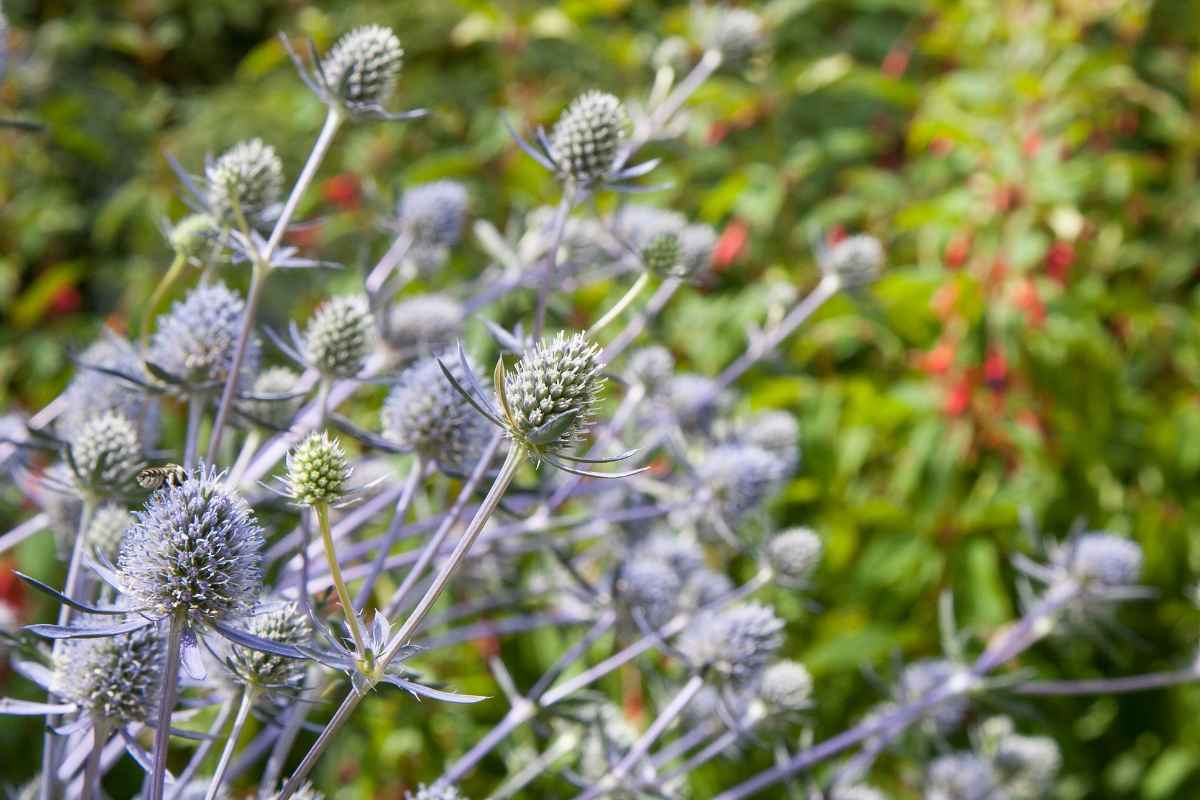
Another benefit of growing Sea Holly is its long-lasting nature in dried arrangements. The bracts retain their shape and color, making them popular for bouquets, wreaths, and indoor decor. Simply harvest the flower heads when they’re fully mature and hang them upside down in a dry, dark spot.
The dried stems can last for months or even years, offering a sustainable and decorative reminder of your garden’s beauty through the winter.
A Garden Showstopper That Doesn’t Ask for Much
In a world where many plants demand attention, Sea Holly stands out as a low-maintenance, high-impact perennial. Its combination of bold texture, cool color, and resilience makes it one of the best choices for modern dry gardens.
With proper placement and a few companion plants, Eryngium can elevate your garden design while keeping your workload light. It’s the kind of plant that proves you don’t need constant care to achieve lasting beauty.
So if you’re planning a drought-tolerant or wildlife-friendly garden, or simply want something different and dramatic, Sea Holly may just be the spiky superstar you’re looking for.
Emily Brooks
I’m Emily, a lifelong nature lover with dirt on my boots and a passion for all things green. I don’t claim to be a botanist; I’m just an enthusiast who believes that every backyard—no matter how small—can become a sanctuary. After years of trial and error (and more than a few wilted ferns), I’m sharing my honest journey of growing flowers and veggies. Let's learn from the seasons and grow something beautiful together!
More Gardening Tips 👇🏼👇🏼