
String of Turtles Plant: Tips for a Thriving Display

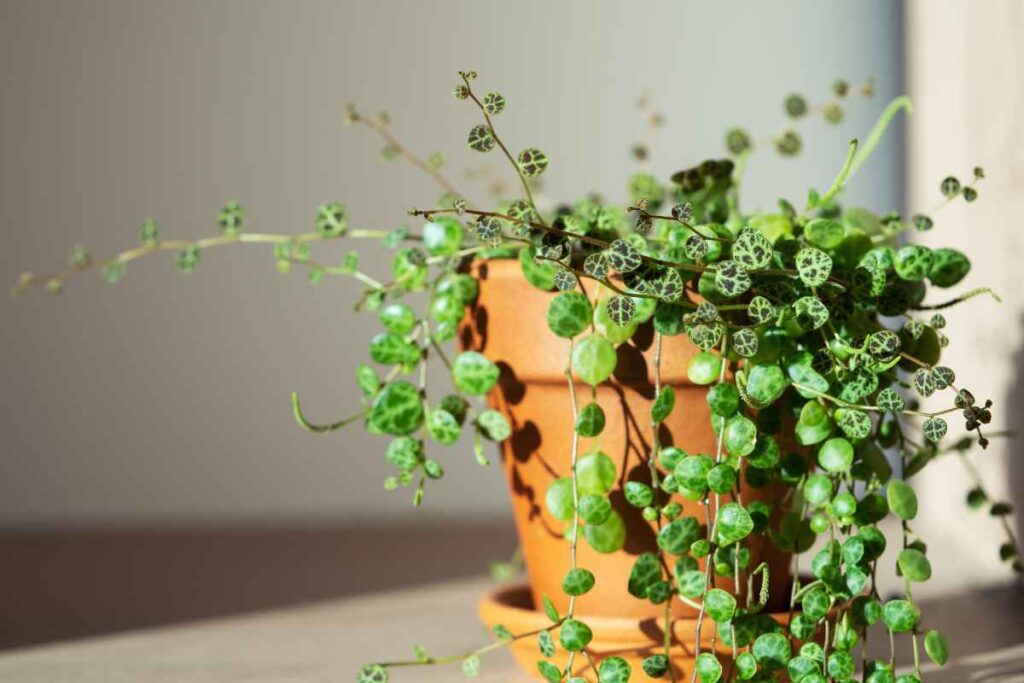
The String of Turtles (Peperomia prostrata) is one of the most charming and unique houseplants, known for its small, round leaves that resemble turtle shells.
Whether you’re a seasoned plant parent or a beginner, incorporating this delightful plant into your home design can create an extraordinary visual display.
However, like all plants, the String of Turtles requires proper care and understanding to thrive. Here, we’ll discuss some practical tips to ensure your plant remains healthy and vibrant, while adding an element of imperfection to your design scheme.
What Makes the String of Turtles So Special?
The String of Turtles plant is a member of the Peperomia family, and it’s especially adored for its small, beautifully patterned leaves.
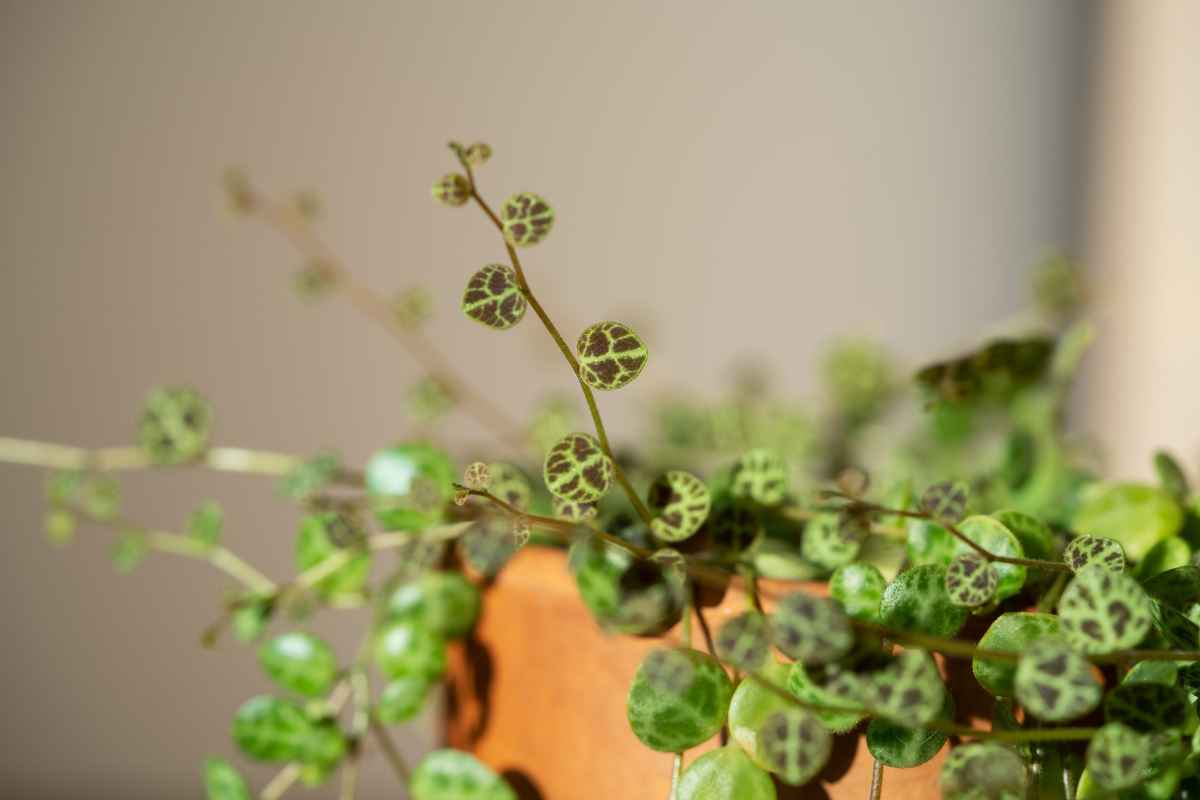
The leaves, which are a deep green with marbled silver markings, resemble turtle shells, making them a visual delight.
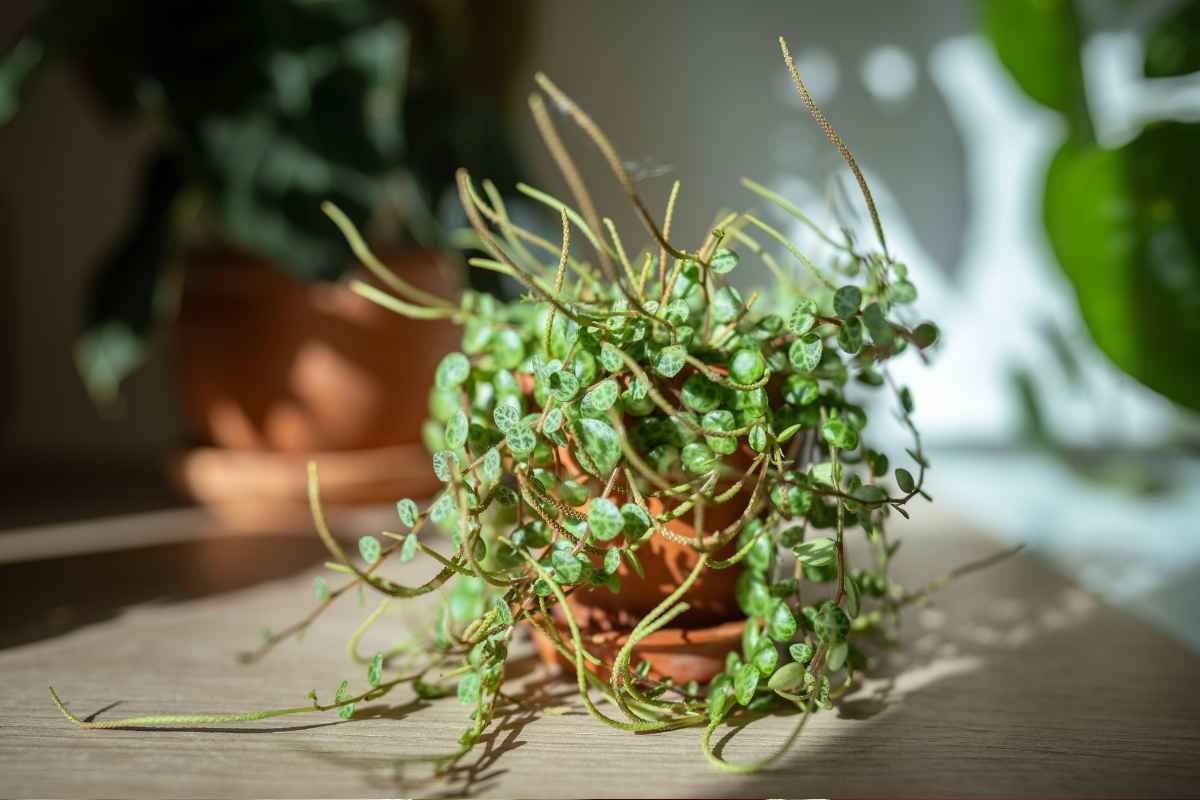
It is a slow-growing, trailing succulent, which means it can spread over time, making it a fantastic option for hanging baskets, shelves, or plant ladders.
Though it’s not demanding, the plant does need specific care to really shine. The key to growing a thriving String of Turtles lies in understanding its needs, which, in many ways, mirrors the philosophy of wabi-sabi—embracing the beauty of imperfection.
By allowing the plant to naturally grow and express its uniqueness, you can create a display that’s both organic and aesthetically pleasing.
Light Requirements for a Healthy Display
One of the most important factors in growing a String of Turtles is light. This plant enjoys bright, indirect light, making it ideal for windowsills that are not exposed to direct sunlight. Too much direct light can scorch the leaves, causing them to lose their beautiful patterns and turn yellow. Conversely, too little light can lead to leggy growth and poor leaf coloration.
To achieve optimal lighting, place your plant in a spot where it will receive several hours of indirect sunlight daily. If your space is a bit darker, consider supplementing with a grow light. This not only helps the plant thrive but also ensures it maintains its vibrant green color and unique pattern.
Watering: Finding the Right Balance
Watering the String of Turtles can be a bit tricky because, like most succulents, it doesn’t like to be overwatered. The key here is to allow the soil to dry out completely between waterings. Overwatering can lead to root rot, which is one of the most common problems with this plant. On the other hand, underwatering can cause the leaves to shrivel and lose their plumpness.
To check if your plant needs water, simply stick your finger into the soil about an inch deep. If it feels dry, it’s time to water. Make sure to water thoroughly, allowing the water to run through the drainage holes at the bottom of the pot. This ensures that the roots are evenly hydrated without sitting in stagnant water.
Potting and Soil Selection
The String of Turtles thrives in well-draining soil. A mixture designed for succulents or cacti is usually a safe bet. The soil should allow water to pass through freely, preventing waterlogged conditions that could harm the plant’s roots.
When choosing a pot, ensure that it has a drainage hole. This is essential for preventing root rot and promoting healthy root growth. A terracotta pot is a great option as it allows the soil to dry out more quickly, but any pot with good drainage will suffice.
Humidity and Temperature Considerations
While the String of Turtles enjoys moderate humidity, it is fairly tolerant of drier air. However, extreme heat or cold can stress the plant, leading to yellowing or loss of leaves. Keep the plant in a room with consistent temperatures, ideally between 65°F and 80°F (18°C and 27°C). Avoid placing it near cold drafts or direct air from heaters.
If your home tends to be on the dry side, consider misting the plant lightly every few days or placing it on a humidity tray to boost moisture levels. However, be cautious not to overdo it, as excessive humidity can cause issues like mold or mildew.
Pruning and Maintenance for an Elegant Display
The String of Turtles grows as a trailing plant, and its beauty lies in its ability to cascade gracefully over the edges of pots or shelves. To maintain this elegant, cascading look, regular pruning is recommended. You can trim back any long, leggy vines to promote denser growth. Additionally, removing any damaged or yellowing leaves helps keep the plant looking fresh and healthy.
To encourage fuller growth, you can occasionally pinch the tips of the stems. This helps the plant grow more evenly, creating a lush, compact appearance.
Common Issues and How to Fix Them
Even though the String of Turtles is relatively low-maintenance, it can still face some challenges. Below are a few common issues and how to resolve them:
Yellowing Leaves
If your plant’s leaves start turning yellow, it’s often a sign of overwatering or poor drainage. Ensure that the pot has proper drainage, and let the soil dry out completely before watering again. Also, be mindful of the light conditions—too much direct sunlight can also cause the leaves to yellow.
Leggy Growth
If the plant appears to be growing too tall or sparse, it may not be receiving enough light. Try moving it to a brighter spot or supplementing with a grow light. You can also prune the plant to remove any straggly vines and encourage more compact growth.
Root Rot
Root rot is a common issue for succulents, and the String of Turtles is no exception. If you notice a foul smell coming from the soil or the plant is wilting despite adequate watering, root rot may be the cause. If this happens, remove the plant from the pot, inspect the roots, and trim away any that are mushy or blackened. Repot the plant in fresh, well-draining soil.
Incorporating String of Turtles into Your Home Design
The String of Turtles plant is not just a low-maintenance beauty; it also offers an elegant, minimalist touch to any interior design. Its trailing vines make it ideal for use in hanging baskets or wall-mounted planters. You can also display it in a macramé plant hanger for a more bohemian look.
One of the best ways to display this plant is by pairing it with a simple, neutral-colored pot that allows the plant’s unique foliage to take center stage. For a more eclectic feel, combine it with other trailing plants, such as String of Pearls or English Ivy, for a dynamic, layered look.
Embracing the Imperfection
The String of Turtles plant, with its natural imperfections and unique growth patterns, aligns perfectly with the wabi-sabi philosophy—appreciating beauty in the imperfect and fleeting. Each plant will grow differently, developing its own personality, and this is part of the charm. Allowing the plant to flourish in its own way brings a sense of organic beauty to your space.
By providing the right care and creating an environment where your plant can grow freely, the String of Turtles will reward you with its intricate beauty and peaceful presence.
With its unique charm and trailing elegance, the String of Turtles plant is an excellent addition to any home, whether you're a beginner plant owner or an experienced one.
By giving it the proper care—adequate light, water, and a well-draining pot—you can enjoy a thriving display of this stunning plant.
Let it grow naturally, embracing its imperfections, and it will undoubtedly become a stunning centerpiece in your home.
Whether you’re looking to create a relaxing atmosphere or add an artistic touch to your living space, the String of Turtles plant offers both. Embrace its charm, let it thrive in its imperfections, and watch it bring beauty to your home.
Did you find this post useful or inspiring? Save THIS PIN to your GARDEN Board on Pinterest!
More Gardening Tips 👇🏼👇🏼