
Teaching Kids Science Through Gardening

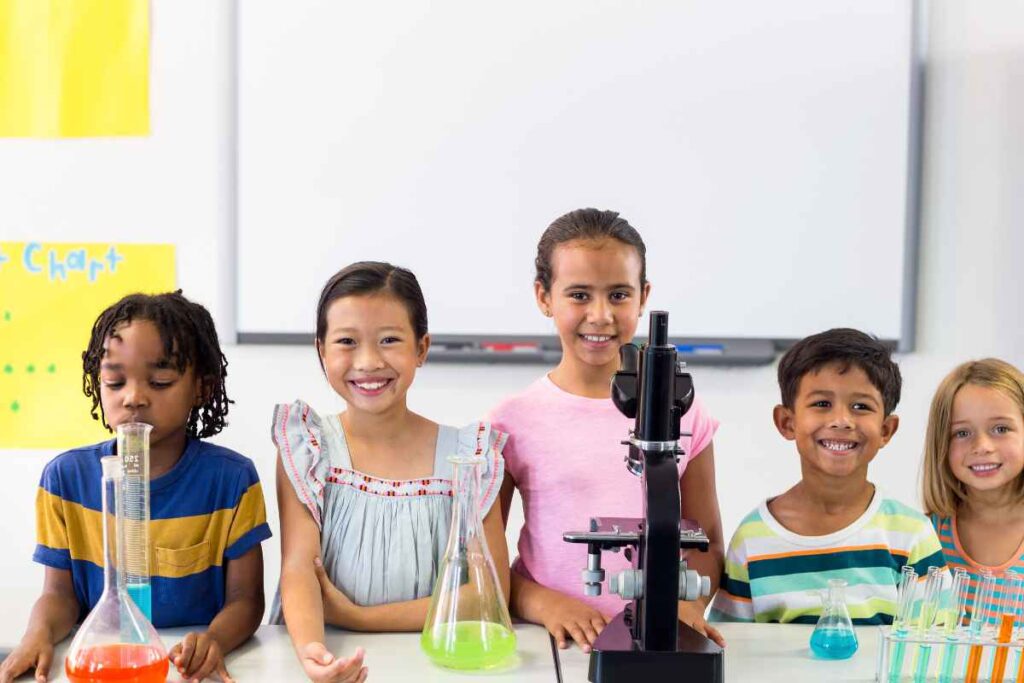
Gardening offers an exciting and hands-on way to teach kids about science. By interacting with nature, children can explore a wide range of scientific concepts, from biology and ecology to physics and chemistry.
Gardening is not just about planting seeds; it’s an educational journey that can spark curiosity, foster creativity, and promote a deeper understanding of the world around us.
Whether you’re teaching your child about plant life cycles or the importance of sustainability, gardening provides a fun and interactive learning experience.
In this article, we’ll explore how gardening can be used as a tool to teach kids science, and offer practical tips for incorporating educational activities into your gardening routine.
The Science Behind Gardening
Gardening is an inherently scientific activity. By growing plants, children engage with concepts in biology, ecology, and even chemistry. Here are just a few of the scientific principles that gardening can help explain:
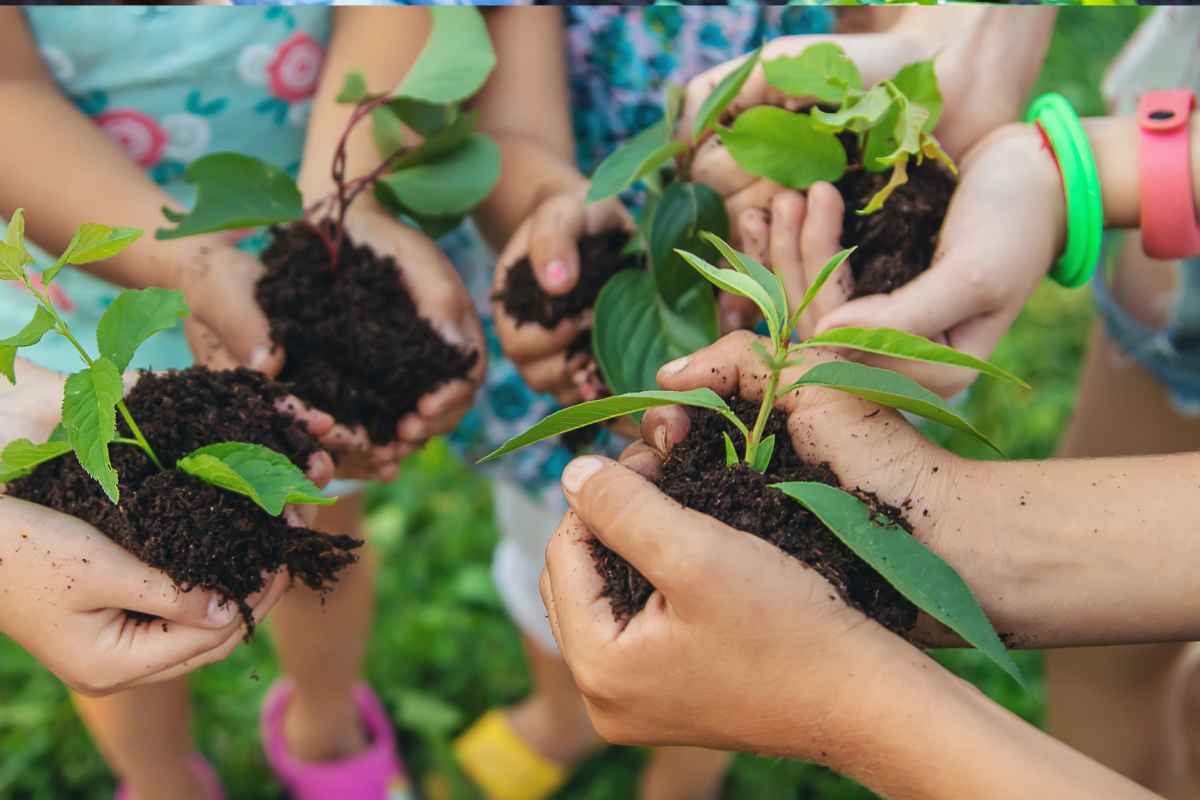
Photosynthesis: This essential process, where plants use sunlight to make their own food, can be demonstrated through the growth of plants. Children can observe how plants grow taller and produce leaves as they take in sunlight, carbon dioxide, and water.
Life Cycles: Gardening offers a perfect opportunity to teach kids about the life cycle of plants. From seed germination to mature plants producing seeds, children can witness the entire process, helping them understand the stages of growth, reproduction, and decay.
Soil and Ecosystems: Kids can learn how different types of soil affect plant growth and how ecosystems work. This includes concepts like soil health, the role of earthworms, and how plants interact with their environment.
Pollination: Plants rely on pollinators such as bees, butterflies, and birds to reproduce. Observing pollination firsthand in the garden can help children understand the importance of biodiversity and the roles different organisms play in maintaining ecosystems.
Hands-On Learning Through Gardening Activities
Teaching science through gardening doesn’t have to be complicated. Simple, hands-on activities can make scientific concepts engaging and understandable for children of all ages. Here are some ideas for fun and educational gardening activities that bring science to life:
1. Starting Seeds and Observing Growth
Planting seeds is one of the most straightforward and enjoyable activities you can do with kids. Start by planting a few different types of seeds—like beans, sunflowers, or lettuce—and encourage your children to keep track of their growth over time. Have them measure the height of the plants every week and record their observations.
Science Concept: This activity teaches children about photosynthesis, growth cycles, and plant needs (sunlight, water, and soil). They will learn how plants depend on these elements to grow and thrive.
Tip: Use a small notebook to record the plants' progress. Ask children to draw pictures or take photos, so they can visualize how plants evolve from tiny seeds to mature plants.
2. Exploring the Soil
Soil is one of the most important components of gardening, and it's an excellent topic to explore with kids. Start by discussing the different types of soil (sand, clay, loam) and how they impact plant growth. You can even conduct experiments by comparing how plants grow in different types of soil.
Science Concept: This introduces children to soil science and ecosystems. Kids will learn about the importance of soil fertility, the role of microorganisms like bacteria and fungi, and how soil health impacts plant growth.
Tip: Have kids dig in the soil and explore its texture and composition. You can create a simple experiment by planting the same plant in different soils and observing how each one grows.
3. Creating a Pollinator Garden
Teach children about the importance of pollinators by creating a pollinator-friendly garden. Plant flowers like lavender, daisies, and bee balm, which attract bees, butterflies, and other pollinators. As the plants grow, children can observe how insects move from flower to flower, transferring pollen.
Science Concept: This introduces the process of pollination and the role of pollinators in plant reproduction. Children will also learn about biodiversity and how it supports healthy ecosystems.
Tip: Encourage kids to watch and record the types of pollinators that visit the garden. This can lead to further exploration of different insects and their roles in nature.
4. Composting and Decomposition
Composting is a fantastic way to teach kids about decomposition and the natural recycling process. Set up a compost bin in your garden and show children how kitchen scraps, leaves, and grass clippings can break down to create rich, nutritious soil.
Science Concept: Composting helps children understand the process of decomposition, the role of microorganisms, and how organic matter is recycled into usable nutrients for plants.
Tip: Involve kids in adding materials to the compost bin, and ask them to check it regularly. Let them observe how the materials break down over time, which can lead to a discussion about the carbon cycle and nutrient cycling.
5. Building a Watering System and Learning About Water Conservation
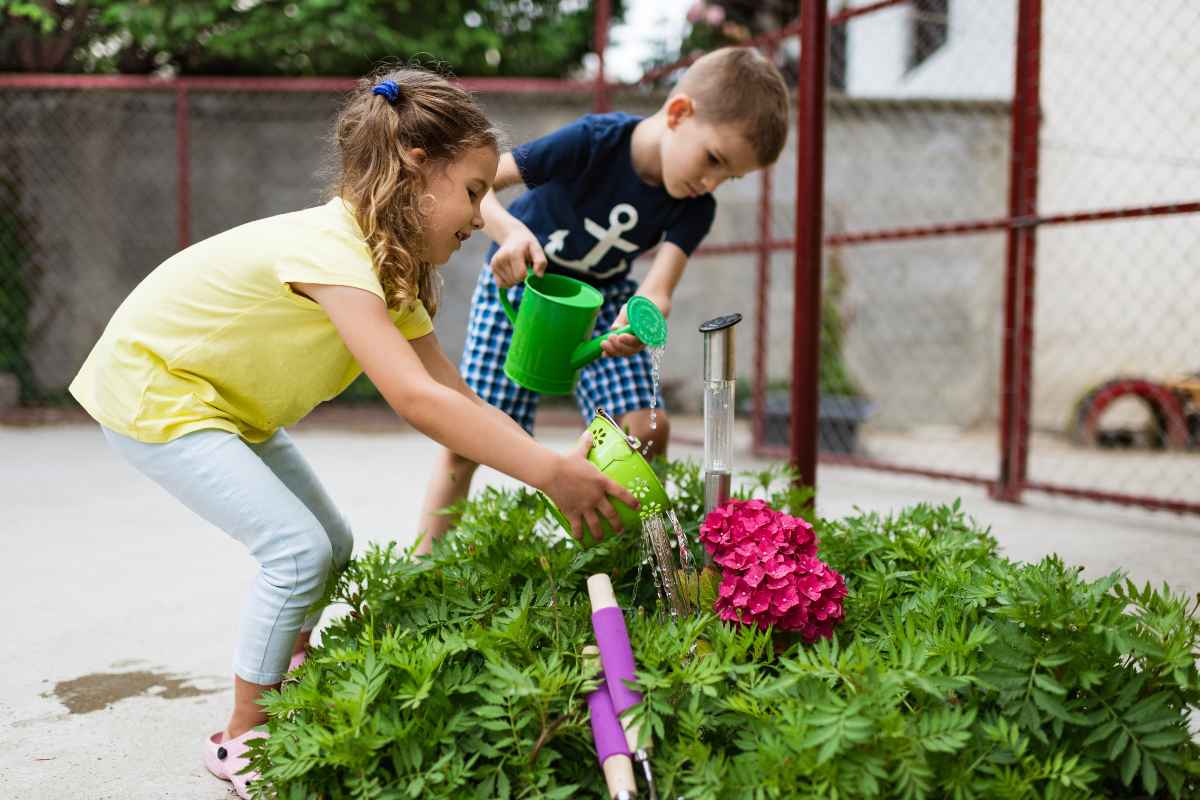
Water is essential for plant growth, and teaching kids about the importance of water conservation is a great way to introduce them to hydrology and environmental science. You can demonstrate different watering methods, such as using a watering can, drip irrigation, or rain barrels.
Science Concept: Kids will learn about water cycles, the importance of water for plant health, and how different watering methods affect plant growth.
Tip: Have children track how much water the plants need, and teach them about the concept of water conservation. You can also discuss how the environment, including weather patterns and climate, affects plant growth.
Benefits of Gardening for Teaching Science
Beyond just teaching kids about plant biology and environmental science, gardening offers a variety of other educational benefits:
Critical Thinking: Gardening encourages problem-solving. If a plant isn’t growing properly, children can experiment with different approaches—adjusting the soil, water, or sunlight—and observe how their changes affect plant growth.
Responsibility and Patience: Gardening teaches kids to be responsible for nurturing living things. It encourages them to take ownership of their plants and teaches patience as they wait for seeds to germinate and flowers to bloom.
Hands-On Learning: Gardening is an experiential activity, and kids learn best when they can touch, feel, and see the results of their actions. Hands-on activities like planting seeds or creating a compost bin make learning more tangible and enjoyable.
Growing Science, Growing Minds
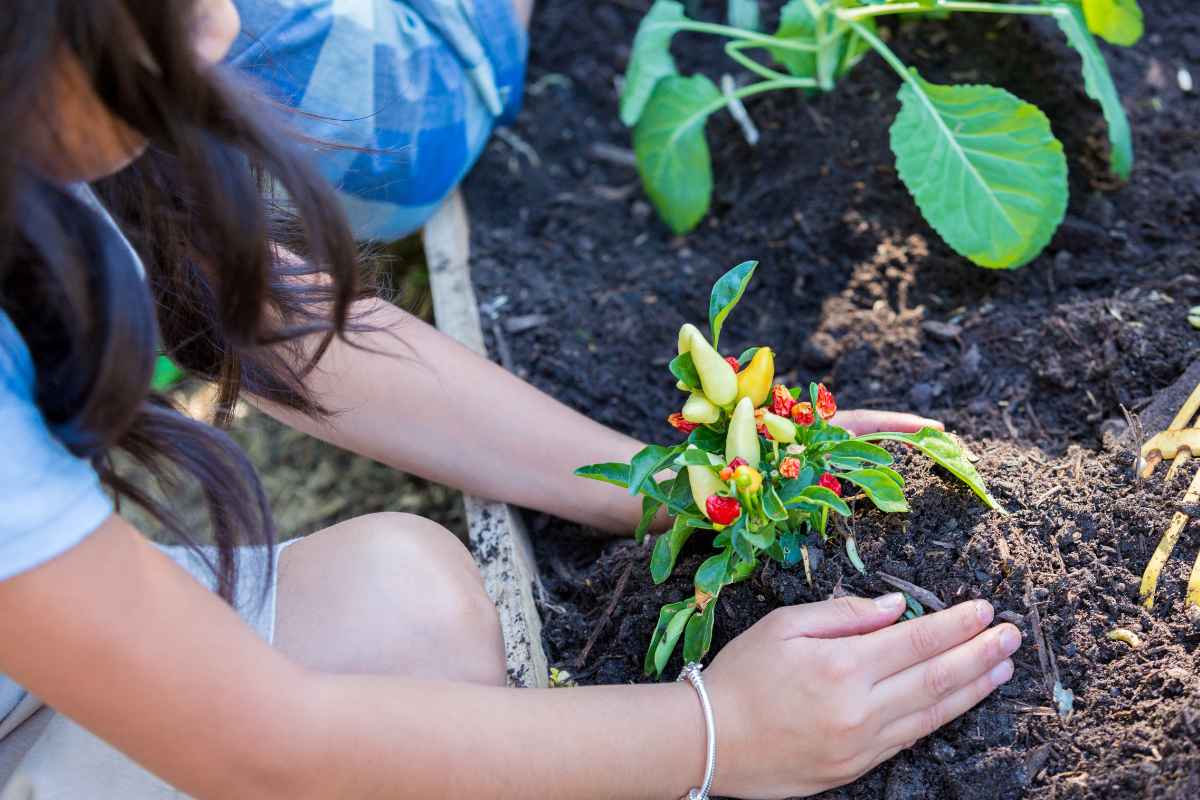
Gardening provides a wonderful opportunity to teach kids science in a way that is interactive, engaging, and rewarding. By involving children in planting, caring for, and observing plants, you introduce them to essential scientific principles in a practical and memorable way. Gardening not only enhances their understanding of biology, ecology, and environmental science but also nurtures important life skills like responsibility, patience, and problem-solving.
So, the next time you’re out in the garden, remember that you’re not just growing plants—you’re growing curious, thoughtful young scientists. Happy gardening!
Did you find this post useful or inspiring? Save THIS PIN to your GARDEN Board on Pinterest!
More Gardening Tips 👇🏼👇🏼