
The Hidden Therapeutic Benefits of Touching Soil


Gardening has long been celebrated for its physical benefits: it's a great way to get outdoors, get your hands dirty, and stay active. But did you know that the simple act of touching soil can also provide unexpected mental and emotional benefits?
While plants and flowers often steal the spotlight, the soil beneath our feet offers a deep connection to nature that has far-reaching therapeutic effects on our well-being.
In this article, we’ll explore how soil can be a powerful tool for boosting mental health, reducing stress, and enhancing your mood.
Connecting with Nature through Soil
When we think of nature’s healing powers, we often picture serene landscapes, lush forests, or peaceful lakes. However, the earth beneath our feet is where this connection truly begins.
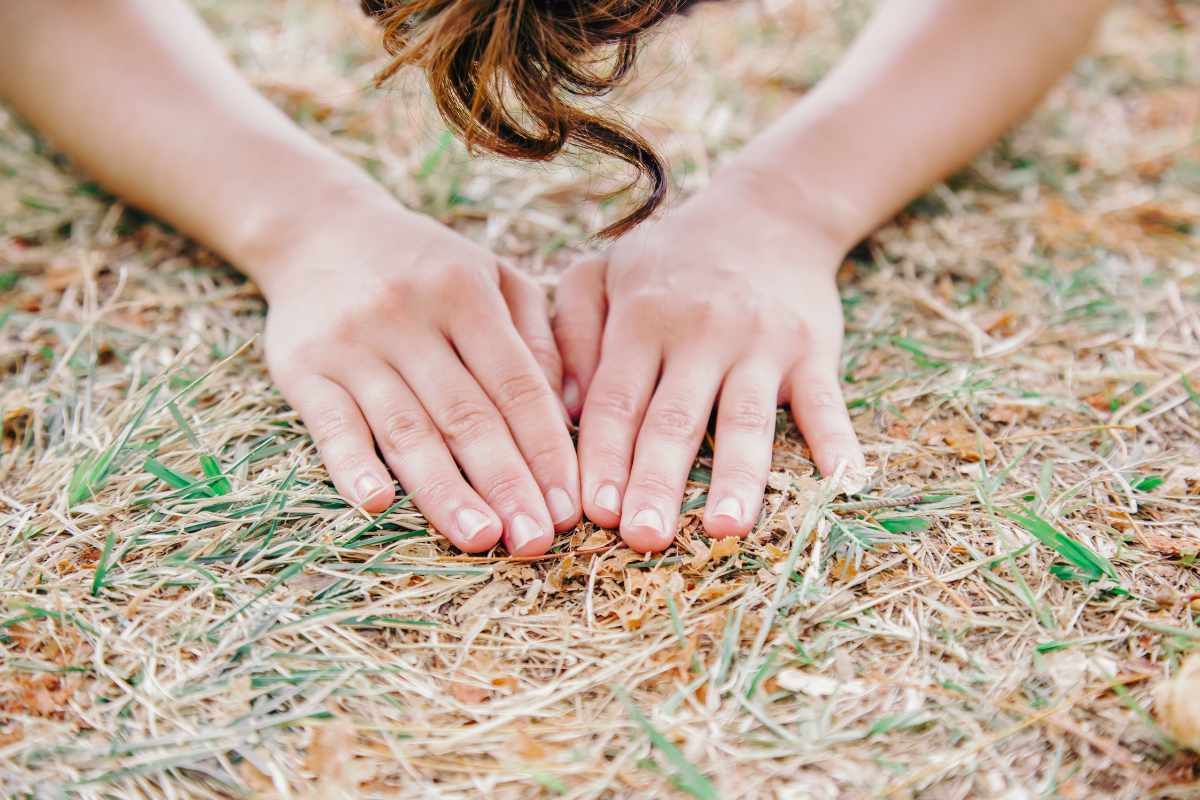
Touching soil grounds us to the earth, creating a physical and emotional bond with nature that has been proven to be calming. Just like walking barefoot on the grass, digging into the earth can create a sensory experience that connects us to the natural world.
This sensory interaction with soil is an act of mindfulness in itself. As we feel the cool, textured earth beneath our fingers, we are brought into the present moment, focusing entirely on the tactile sensations. This can help break the cycle of stress and worry that often dominates our thoughts.
The act of gardening, when done slowly and intentionally, helps to center the mind. Whether you are planting, weeding, or simply feeling the dirt in your hands, these activities act as a type of meditation, helping to clear the mind and bring focus back to the simple pleasures of life.
Soil and Mental Health: A Hidden Connection
The therapeutic benefits of soil aren’t just about connecting with nature on a surface level. There is a growing body of research suggesting that soil microorganisms, including bacteria like Mycobacterium vaccae, can have a profound impact on mental health.
When we come into contact with these microorganisms, they interact with our skin and may even enter the body through minor abrasions or pores.
These natural bacteria have been shown to boost serotonin levels in the brain, leading to improved mood and reduced feelings of anxiety.
This is why some gardeners describe a sense of calm and happiness after spending time in their gardens. By exposing ourselves to soil, we are feeding our minds with compounds that help improve mood and enhance our mental well-being.
While it may sound too good to be true, the benefits of these microorganisms are a growing area of study in the field of soil therapy.
Reducing Stress through Hands-On Gardening
In today’s fast-paced world, stress can feel like an ever-present companion. From work deadlines to personal commitments, the pressures of modern life can sometimes feel overwhelming.
This is where gardening—specifically, touching soil—can provide a unique form of stress relief.
Spending time in the garden with our hands buried in soil activates a relaxation response in the body. Physical activity, like planting or digging, releases endorphins, the body’s natural “feel-good” chemicals.
Additionally, this hands-on engagement with nature lowers levels of cortisol, the stress hormone, and promotes a state of calm.
The simple act of tending to plants in the soil encourages slower, more deliberate movements, which naturally decrease the fast-paced, anxious energy we often carry in our daily lives.
With each motion, we allow ourselves to pause, take deep breaths, and be present. Over time, these moments of mindfulness and physical activity add up, creating a sense of balance and calm.

Boosting Your Immune System with Soil
There is something almost magical about soil—it not only helps plants grow but can also boost our immune systems. Being around soil and engaging in gardening exposes us to a variety of environmental microbes.
These microbes are thought to play a crucial role in strengthening the immune system by stimulating a natural immune response.
Studies have shown that regular exposure to outdoor environments and soil can help enhance the body’s ability to fight off infections. This doesn’t mean you should skip your flu shots, but it does highlight how soil can help build resilience by allowing the immune system to function optimally.
Interestingly, this immune-boosting effect can be felt in both physical and emotional terms. The more time we spend in our gardens, interacting with the earth, the more our bodies are strengthened against both physical illness and the mental stressors of daily life.
Soil’s Effect on Emotional Well-being
Gardening is often touted as an activity that can improve your mental health, but the emotional benefits extend even further when you touch the soil itself.
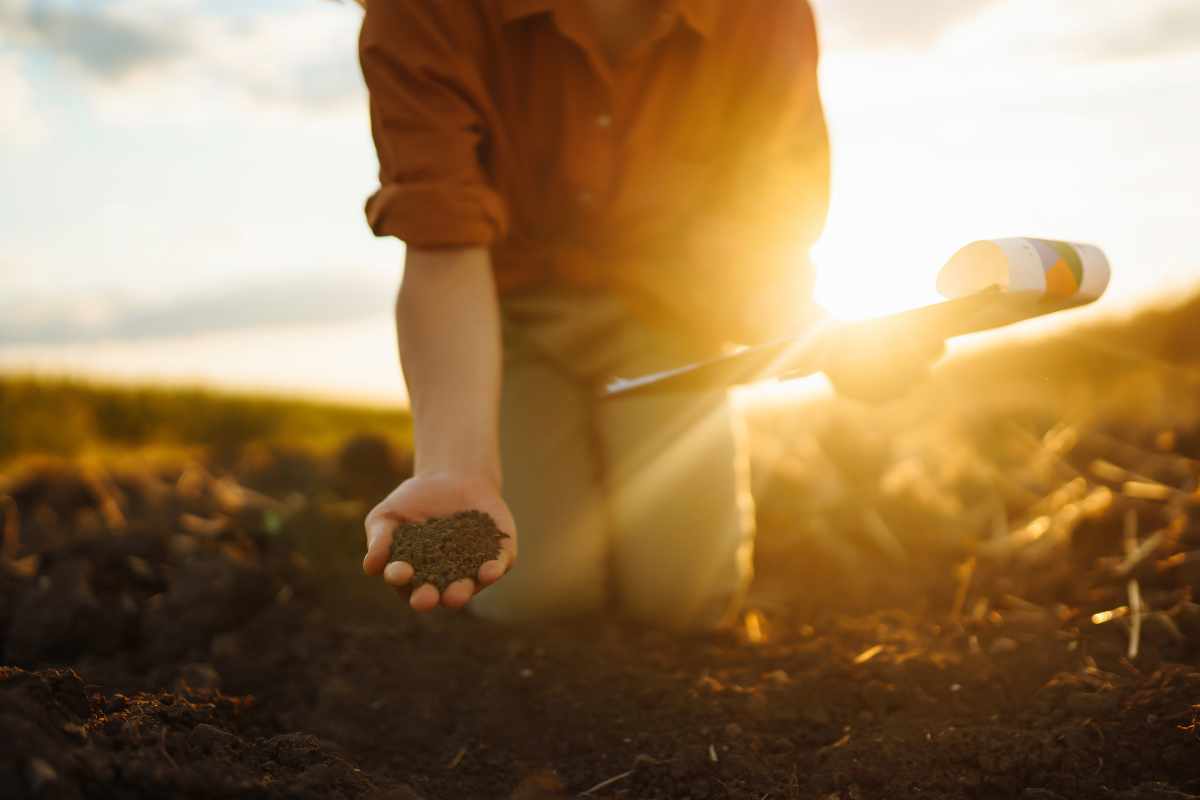
The tactile nature of working with dirt allows us to engage in a calming, physical activity that offers an escape from our worries. When we interact with soil, we often experience a deeper sense of fulfillment, as it connects us to something timeless and ancient.
The therapeutic effects can also be observed in the joy of nurturing.
Caring for a garden or plant often gives us a sense of responsibility and purpose, which is proven to improve emotional well-being. For those who suffer from depression or anxiety, gardening can provide a sense of control—an opportunity to focus on something positive that grows over time.
A study published in the journal Psychology of Well-Being found that gardening can reduce symptoms of depression and improve overall happiness.
Enhancing Creativity and Problem-Solving
Spending time with soil doesn’t just calm the mind—it can also boost creativity. Hands-on activities like gardening engage the brain in problem-solving and planning, which can improve cognitive function.
Whether you’re deciding where to plant a new flower or figuring out how to keep pests away from your vegetables, gardening often requires creative solutions.
This kind of problem-solving encourages the brain to think outside the box and engage in cognitive flexibility, a skill that can be useful in all areas of life.
Working with soil allows for moments of quiet reflection where you can let your mind wander and find inspiration, which can lead to fresh ideas both in and outside of the garden.
A Connection to the Earth: Eco-therapy and Its Benefits
The practice of spending time in nature and connecting with the earth is known as eco-therapy, and it has become an increasingly popular treatment for a variety of mental health issues.
Whether it’s through hiking, walking barefoot, or touching soil, these activities promote a deep sense of connection to the earth that can be both restorative and healing.
Eco-therapy is a powerful reminder that we are part of a much larger system. Gardening and touching soil help us reconnect with this system, offering a sense of belonging and purpose.
It’s also a natural antidote to the disconnection many of us feel from the natural world in our busy, technology-driven lives.
Final Thoughts
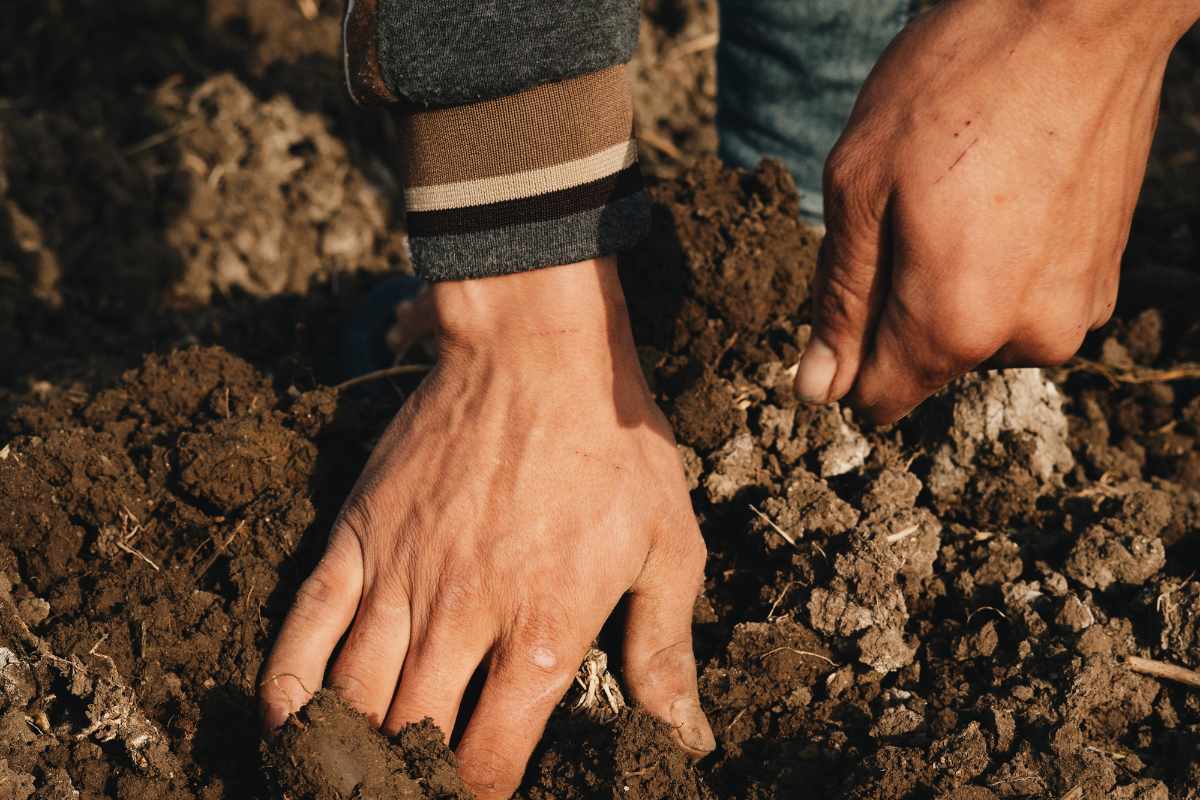
So, next time you’re in the garden, take a moment to feel the soil beneath your hands. Whether you’re planting a new shrub, digging up weeds, or simply running your fingers through the earth, remember that these small acts are doing wonders for your mind and body.
Soil isn’t just a medium for plants—it’s a therapeutic tool that has the power to improve mental health, reduce stress, and bring joy.
Gardening doesn’t just grow plants; it grows your well-being, and the connection to soil is a fundamental part of this process.
So, get your hands dirty and embrace the therapeutic benefits that come from simply touching the earth.
Did you find this post useful or inspiring? Save THIS PIN to your GARDEN Board on Pinterest!
More Gardening Tips 👇🏼👇🏼