
The Most Common Tomato Diseases - Prevention & Treatment


The lush, red bounty of tomatoes is a garden delight, but safeguarding them against common diseases is essential for a thriving harvest.
In this comprehensive guide, we'll delve into the world of common tomato diseases, equipping you with the knowledge needed to identify, prevent, and effectively treat these threats to your tomato plants.
By arming yourself with this information, you can savor the pride and joy of a healthy, disease-free tomato garden, ensuring a season of delicious harvests.
1. Early Blight (Alternaria solani):
Early blight is a frequent tomato ailment characterized by dark, concentric rings on leaves. To prevent it, ensure proper spacing between plants and use mulch to reduce soil splashback.
If it strikes, remove infected leaves and use copper-based fungicides.
2. Late Blight (Phytophthora infestans):
Late blight can devastate tomato crops. Look for brown spots with a white mold on the leaves. Prevent it by choosing resistant varieties and applying fungicides early.
If infected, remove and destroy affected plants.
3. Blossom End Rot:
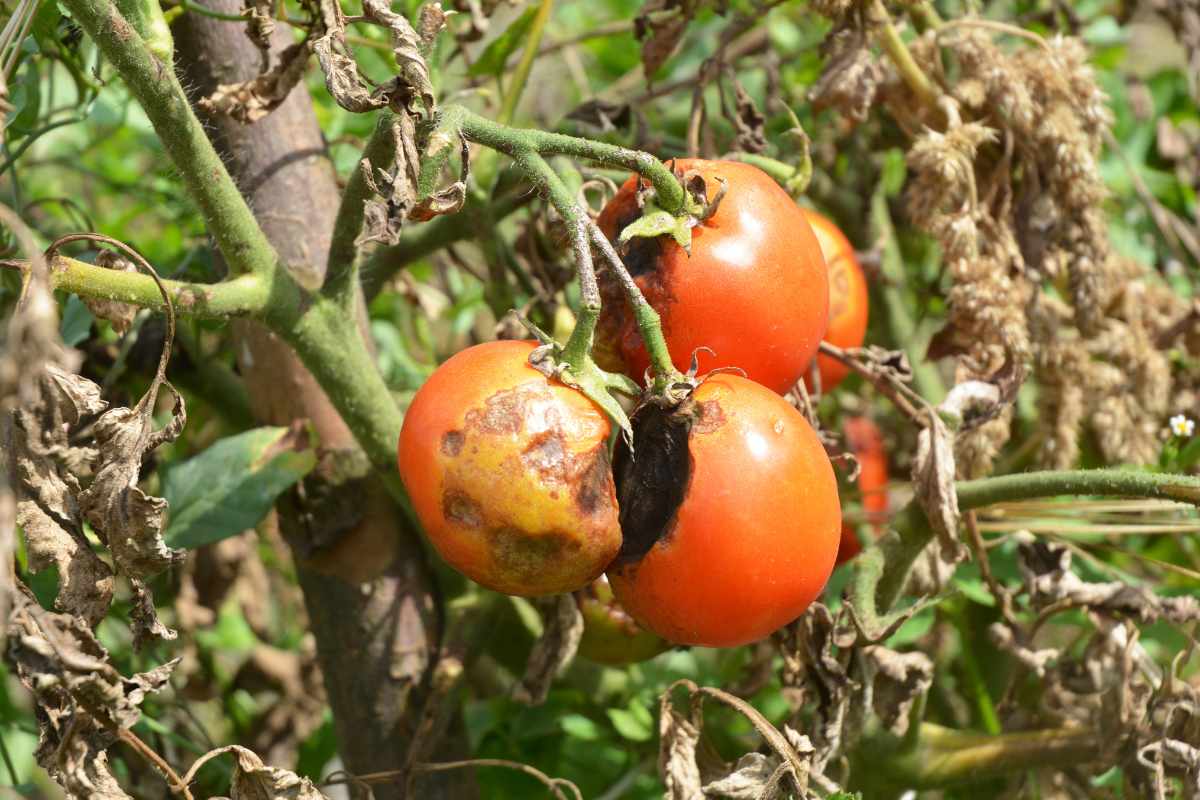
Blossom end rot causes dark, sunken patches on the fruit's bottom. It's often due to calcium deficiency or inconsistent watering.
Maintain consistent soil moisture, add calcium-rich amendments, and mulch to prevent it.
4. Tomato Hornworm (Manduca quinquemaculata):
While not a disease, these caterpillars can ravage your plants. Handpick them, or attract natural predators like parasitic wasps. Neem oil can also deter them.
5. Fusarium Wilt (Fusarium oxysporum):
Fusarium wilt results in wilting and yellowing leaves. Choose resistant varieties and rotate crops to prevent it.
Unfortunately, there's no cure once plants are infected, so remove and dispose of them.
6. Verticillium Wilt (Verticillium dahliae):
This wilt causes leaves to yellow and brown. Prevent it with crop rotation and selecting resistant varieties.
Remove and destroy infected plants if it occurs.
7. Tomato Mosaic Virus:
Tomato mosaic virus leads to mottled leaves and reduced fruit yield. Prevent it by using virus-free seeds and keeping your garden free of weeds that can harbor the virus.
Infected plants should be removed to prevent the spread.
8. Septoria Leaf Spot (Septoria lycopersici):
Septoria leaf spot manifests as small, dark spots with light centers on leaves. Prevent it with proper plant spacing and good air circulation.
Remove and destroy affected leaves, and use copper-based fungicides if needed.
9. Gray Leaf Spot (Stemphylium solani):
Gray leaf spot causes gray or brown lesions on leaves.
Prevent it with proper spacing, and ensure good air circulation. Remove infected leaves and use fungicides if necessary.
10. Aphids, Whiteflies, and Spider Mites:
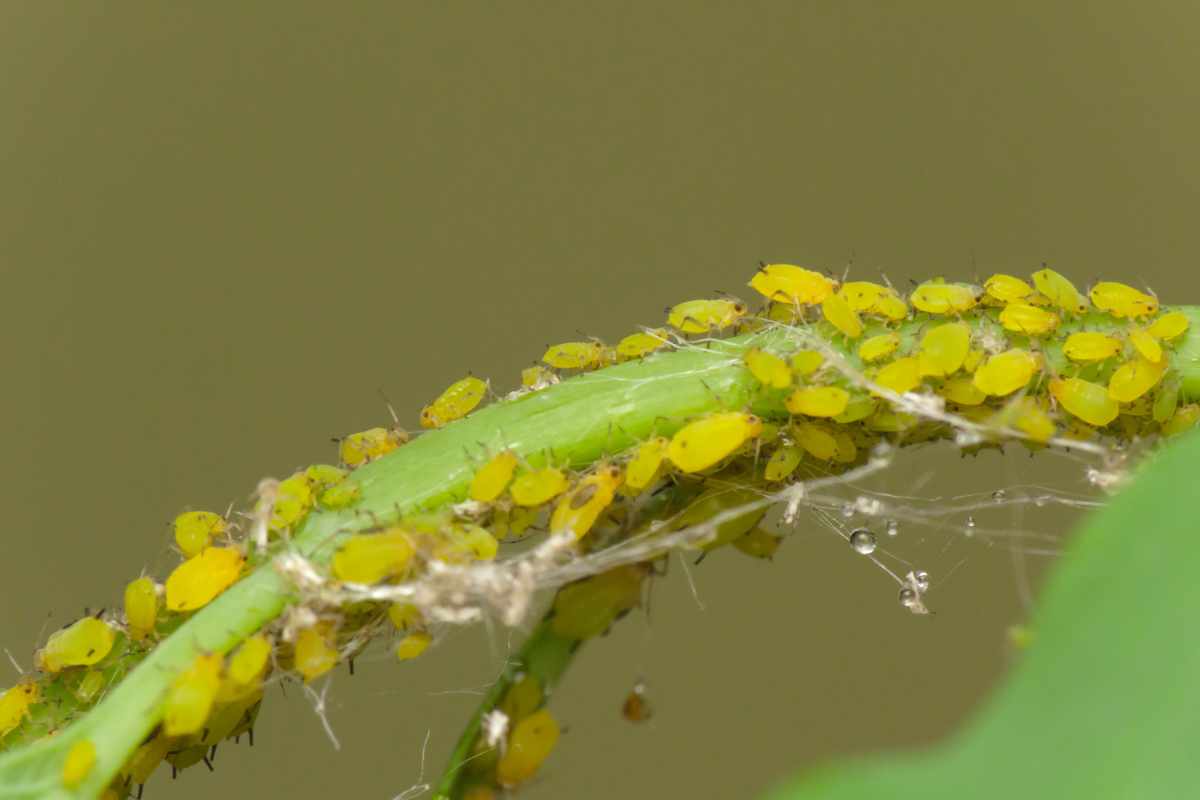
These common pests can damage your tomato plants. Use insecticidal soap, neem oil, or introduce beneficial insects to control their populations.
By arming yourself with knowledge about these common tomato diseases and their prevention and treatment methods, you'll be better equipped to ensure a bountiful and healthy tomato harvest.
Keeping a watchful eye on your plants, practicing good garden hygiene, and employing preventive measures can go a long way in safeguarding your tomato garden against these threats.
With these strategies in your gardening toolkit, you can savor the taste of homegrown, disease-free tomatoes.
Did you find this post Useful or Inspiring? Save THIS PIN to your GARDENING Board on Pinterest!
Once again, thank you for visiting our website!
We hope you've enjoyed exploring the content we've created for you.
Give yourself the chance to learn, get inspired, and have even more fun, keep browsing...
More Gardening Tips 👇🏼👇🏼