
The Role of Herbs in Witchcraft Through History


Herbs have long been associated with mystical practices, healing rituals, and spiritual symbolism. In the world of witchcraft, their significance reaches far beyond their physical properties.
Used for everything from protection spells to divination, herbs have played an essential role in magical traditions across cultures and centuries.
They carry a deep connection to nature, the elements, and the human spirit—making them powerful tools for those practicing the craft.
Ancient Roots in Ritual and Medicine
The earliest evidence of herbal use in magic dates back to ancient civilizations. In Egypt, Greece, and Rome, herbs were not only used to treat illness but also to connect with the divine.
Egyptian priests used incense made of frankincense and myrrh in sacred ceremonies, while Greek oracles burned laurel leaves to induce trance-like states. These cultures understood the dual nature of herbs—as medicine and as portals to spiritual realms.
In Celtic traditions, druids viewed certain plants as sacred beings. Mistletoe, for instance, was revered as a gift from the gods and used in seasonal rites.
Similarly, mugwort was considered a visionary herb used in dreamwork and journeying. These beliefs shaped the foundational principles of early European witchcraft, where plants were chosen not just for their physical effects but for their symbolic and energetic power.
Herbs as a Link to the Elements
In many magical traditions, herbs are classified according to the elements—earth, air, fire, and water. This elemental association helped witches understand how to work with herbs in alignment with natural forces.
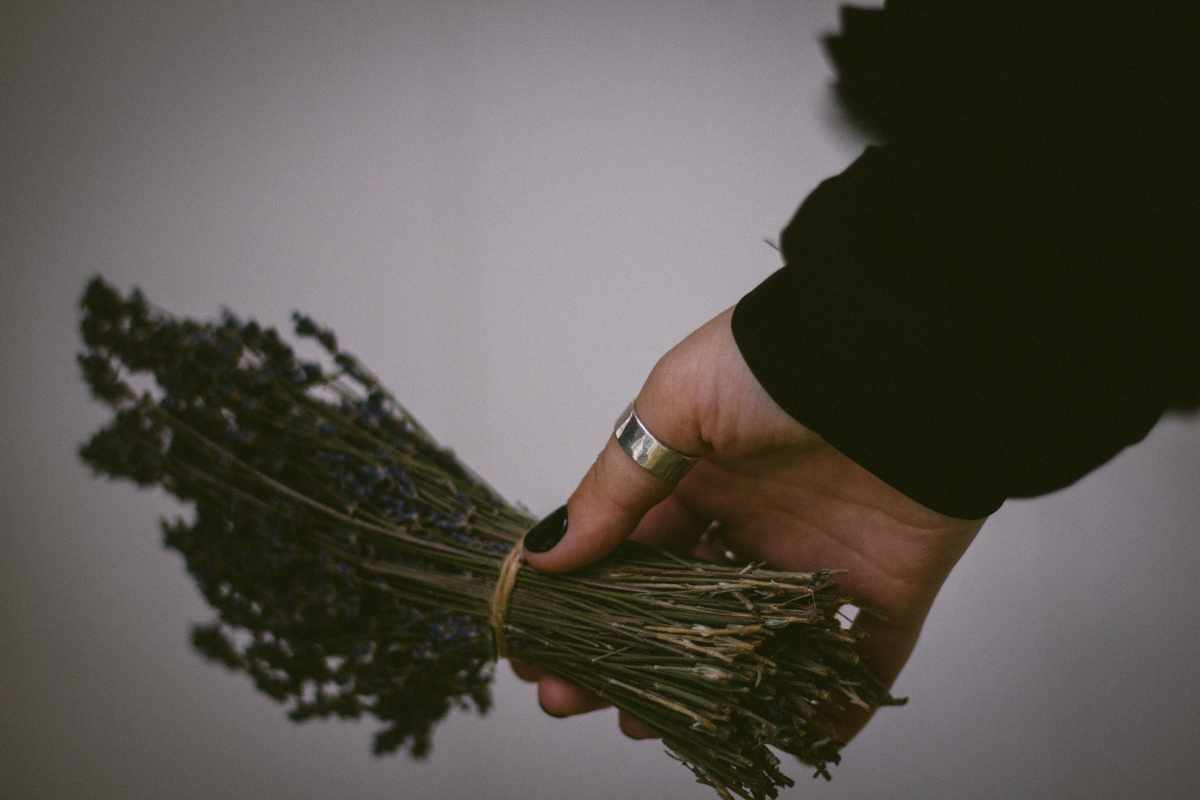
Earth herbs like patchouli were used for grounding and abundance, while airy plants like lavender promoted clarity and peace. Fiery herbs such as cinnamon brought energy and protection, and water-associated herbs like chamomile were known for emotional healing.
This elemental connection allowed for more intuitive spellwork. A practitioner might choose a fiery herb to boost confidence or an earthy one to attract stability. Over time, this system formed the basis for many correspondences still used in modern witchcraft today.
The Witch Hunts and the Power of Plants
During the height of the witch hunts in Europe between the 15th and 17th centuries, herbal knowledge became a double-edged sword. Women—often healers, midwives, or wise folk—were accused of witchcraft largely because of their expertise with herbs.
Their remedies and potions, rooted in folk medicine, were viewed with suspicion by religious authorities who feared the independent power such knowledge granted.
Despite the persecution, herbal traditions persisted in rural areas. Passed down through whispered teachings, this botanical wisdom survived in the form of kitchen witchery, folk healing, and family rituals.
The use of herbs like yarrow for wounds, or valerian root for sleep, continued under the guise of "old wives' remedies," even as the fear of witches remained strong.

Symbolism and Spiritual Energy
Each herb in witchcraft carries its own story. Sage is known for cleansing spaces and removing negativity. Rosemary symbolizes memory and protection. Basil, often used in love spells, is thought to attract good fortune and harmony.
These meanings were shaped by centuries of observation, spiritual insight, and cultural lore.
Burning herbs as incense, crafting talismans, or infusing oils and teas are common ways witches work with their energy.
The act of gathering and preparing herbs can itself be a sacred ritual—connecting the practitioner to the rhythms of the Earth and the cycles of the seasons.
Even the way an herb grows can affect its magical purpose. Plants that thrive in rocky places, like thyme, may be used to instill resilience. Creeping vines may represent binding or connection, while blossoms that open at night, such as evening primrose, are often linked to moon magic and intuition.

The Herbal Revival in Modern Witchcraft
In today’s world, there’s a renewed interest in herbal magic. Modern witches are rediscovering old recipes and crafting new rituals that blend tradition with personal expression.
With greater access to information and a growing awareness of ecological balance, more people are cultivating their magical gardens and learning to work directly with the plants they grow.
Online communities, books, and courses have helped revive interest in ancestral knowledge. Green witches, in particular, focus on building strong relationships with the plants around them—listening to their energy, learning their cycles, and treating them with respect.
This approach to herbal magic is both practical and spiritual, emphasizing sustainability and connection.
For many, the use of herbs in witchcraft is not just about casting spells. It’s a way of living more intentionally—tuning into natural rhythms, trusting intuition, and embracing the power of nature as a guiding force in everyday life.
Did you find this post useful or inspiring? Save THIS PIN to your GARDENING Board on Pinterest!

More Gardening Tips 👇🏼👇🏼