
3 Outside Herb Garden Ideas That Still Work If You Only Get Partial Sun

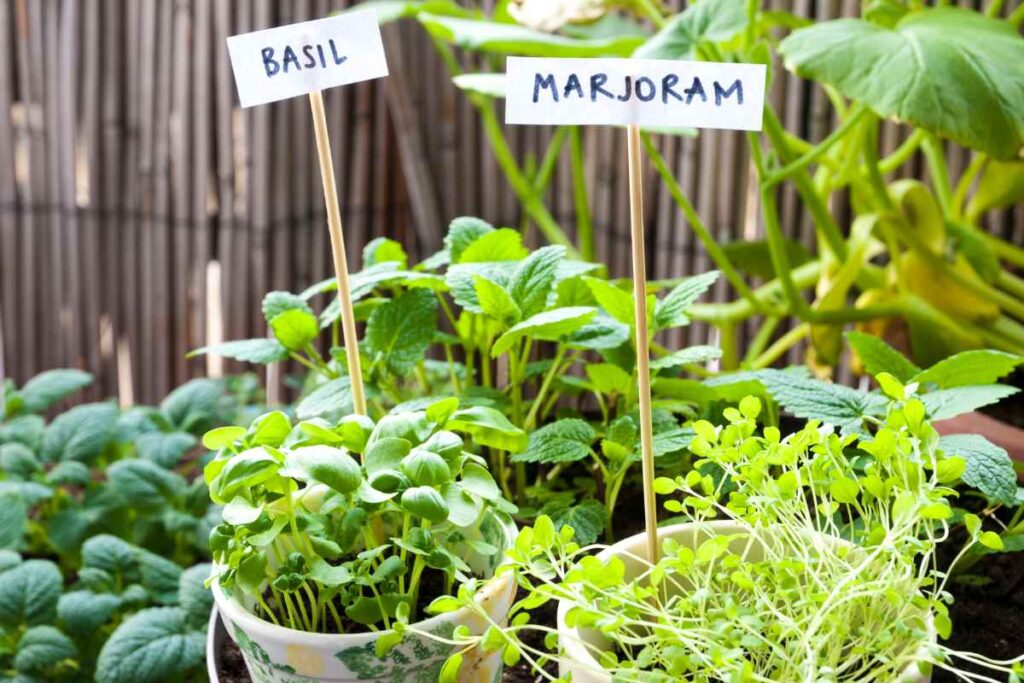
Not everyone has a backyard that bakes in full sun all day—and that’s exactly why “partial sun” herb gardens are so common (and totally doable).
The trick is choosing setups that maximize your brightest hours and herbs that don’t sulk in afternoon shade. Below you’ll find three outside herb garden ideas that thrive with partial sun, plus what to plant, how to place it, and the mistakes that usually cause weak, leggy growth.
What “Partial Sun” Really Means for Herbs
Partial sun usually means 3–6 hours of direct sun per day (often morning sun + afternoon shade). Many culinary herbs will grow just fine here, especially leafy types.
Fruiting plants (like tomatoes) need more light, but herbs are generally more forgiving—if you set them up smartly.
Best-case partial sun: bright morning sun (gentler, less scorching) and dappled light later in the day.
The Best Herbs to Grow Outside in Partial Sun
If your garden gets limited light, start with herbs that prioritize leaf growth and tolerate cooler, shadier conditions.
Great partial-sun picks:
Parsley (flat-leaf or curly)
Chives
Mint (best in its own pot—spreads fast)
Cilantro/coriander (often happier with some shade)
Lemon balm (vigorous—contain it)
Oregano (handles partial sun, especially in warm climates)
Can work with partial sun (with the right placement):
Thyme and rosemary prefer more sun, but can do okay if they get your brightest hours and fast-draining soil.
Idea #1: A “Move-With-the-Sun” Container Herb Garden
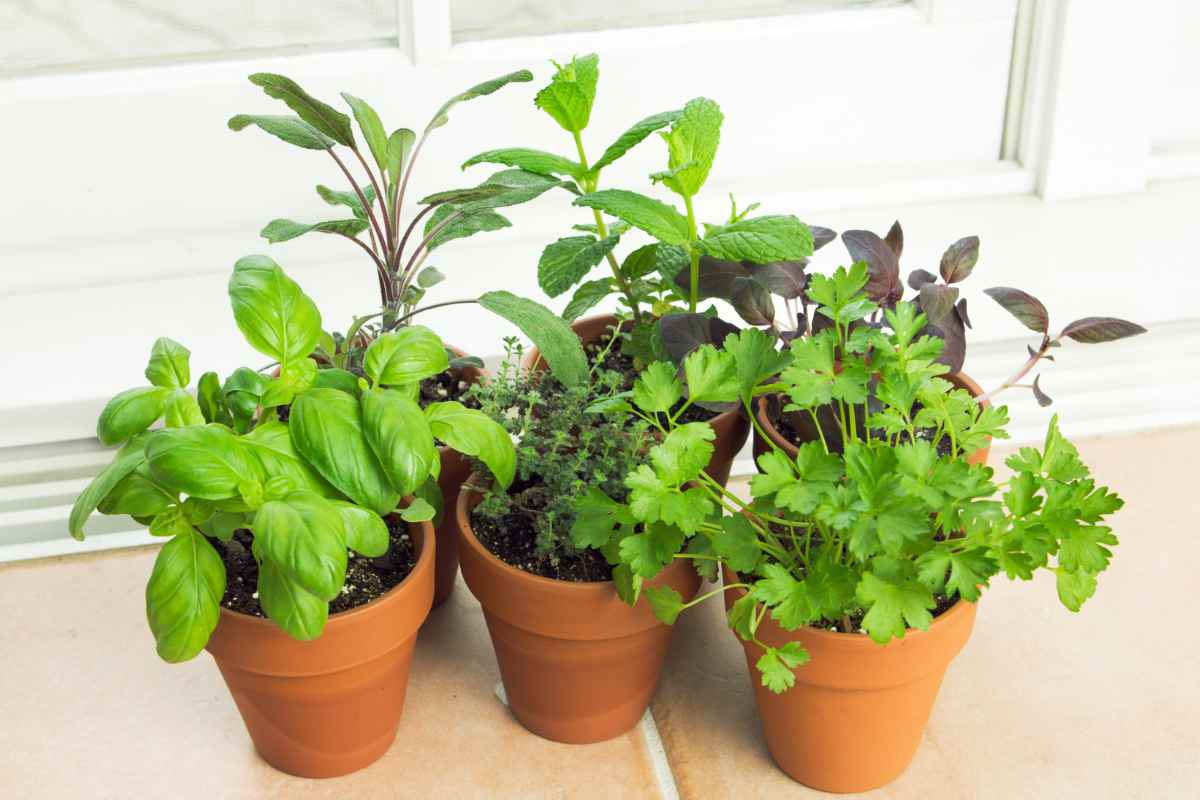
If you only get sun in one spot (or it shifts during the day), containers are your best friend. You can chase the light without redesigning your whole yard.
How to set it up (simple + effective)
Use pots or planters with drainage holes (non-negotiable).
Put them on a plant caddy with wheels or a lightweight stand.
Group herbs by water needs:
Thirstier: parsley, cilantro, mint
Drier: oregano, thyme, rosemary
Placement tip: Give your “sun-lovers” the prime sunny window, and keep leafy herbs in the slightly shadier edge.
What to plant in this setup
A reliable partial-sun combo:
Parsley + chives + cilantro (one grouping)
Mint (solo pot)
Oregano (solo or with thyme if light is decent)
Idea #2: A Vertical Herb Garden on a Bright Wall or Fence
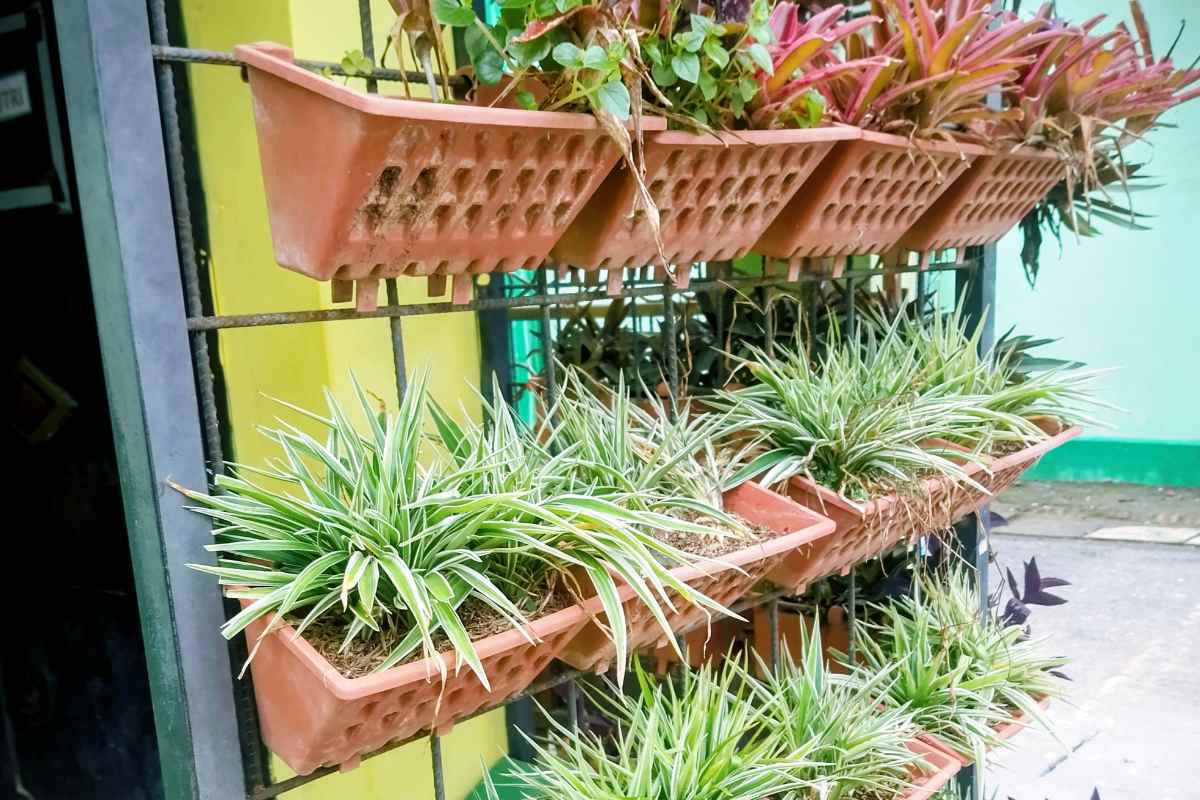
When ground space is limited—or shade hits low areas first—going vertical helps you capture light higher up. A bright fence line, a garage wall, or a sunny balcony railing can be enough.
Easy vertical options that work outdoors
Wall-mounted pocket planters (best for smaller herbs like parsley and cilantro)
Tiered shelves with individual pots
Hanging planters along a railing or fence
Key trick: Vertical setups dry out faster, so use quality potting mix and check moisture more often.
Best herbs for vertical planters in partial sun
Parsley
Cilantro
Chives
Oregano (if it gets decent light)
Mint (only if it’s contained well and you’re okay pruning often)
Idea #3: A “Bright Shade” Herb Border Near the Kitchen Door
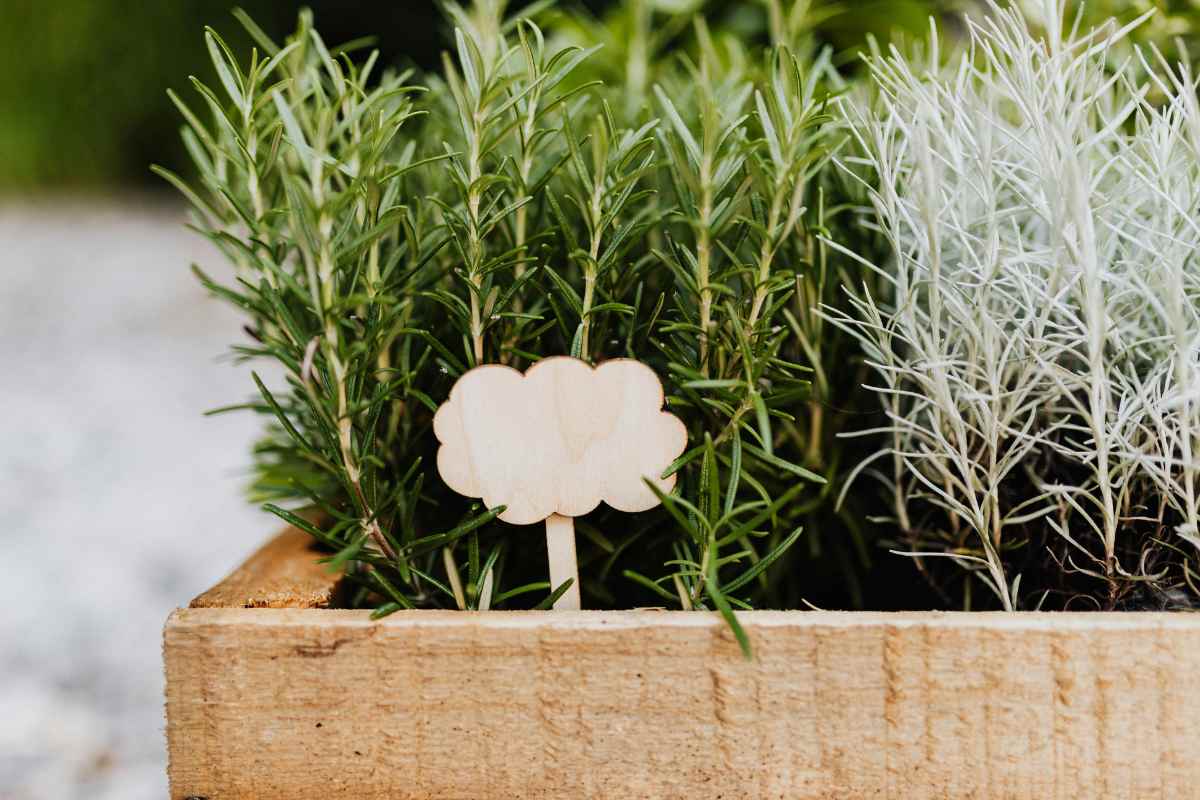
Partial sun gardens can still be super productive if you place herbs where they get bright ambient light and a few hours of direct sun—like near the house where shade arrives later.
Make it work with a mini layout
Try a small border bed or a narrow raised strip:
Put taller herbs (like oregano) slightly back
Keep frequent harvest herbs (chives, parsley) right at the front
Tuck mint in a pot inside the bed to prevent takeover
Why this works: You’ll harvest more often when the herbs are close, and frequent harvesting keeps plants bushy and productive.
Quick Tips You Can Apply Today for Better Growth in Partial Sun
Prioritize morning sun. It’s usually the most helpful and least stressful.
Reflect more light. Light-colored walls, gravel, or pale planters can bounce extra brightness onto plants.
Use the right soil. Herbs hate soggy roots—choose potting mix that drains well and don’t let pots sit in saucers of water.
Harvest weekly. Regular snipping encourages fresh growth (and prevents bolting in cilantro).
Rotate pots every few days if one side leans toward the light.
Common Mistakes (and How to Fix Them)
Mistake 1: Too much shade + too much water
In lower light, herbs use less water. If soil stays wet, roots struggle and growth slows.
Fix: Let the top 1 inch (2–3 cm) dry before watering again. Always use drainage holes.
Mistake 2: Expecting rosemary to thrive like parsley
Some Mediterranean herbs want more sun and heat.
Fix: Put rosemary/thyme in your brightest micro-spot (or skip them and focus on leafy herbs that love partial sun).
Mistake 3: Overcrowding planters
Crowded herbs compete for light and airflow, which leads to legginess and mildew.
Fix: Give each herb its own pot, or keep combinations to 2–3 compatible plants per large container.
Mistake 4: Not harvesting enough
Herbs get tall and sparse if you only “pick a little” occasionally.
Fix: Pinch tips often. Aim to remove no more than about one-third of the plant at a time.
A Helpful Extra Read: Herb Garden Tips And Tricks
If you want a solid foundation for keeping herbs healthy (especially in containers), check out Herb Garden Tips And Tricks—it covers practical basics like drainage, pot choice, quality potting soil, sunlight, and harvesting routines that make a big difference when your light isn’t perfect.
Closing
Partial sun doesn’t mean giving up on fresh herbs—it just means designing smarter. Start with containers you can move, add a vertical spot to catch extra light, and choose herbs that naturally handle some shade. With a little tweaking, you’ll be clipping parsley, chives, and cilantro like it’s full-sun season.
— Emily
More Gardening Tips 👇🏼👇🏼