
3 Beginner Steps to an Herb Container Garden

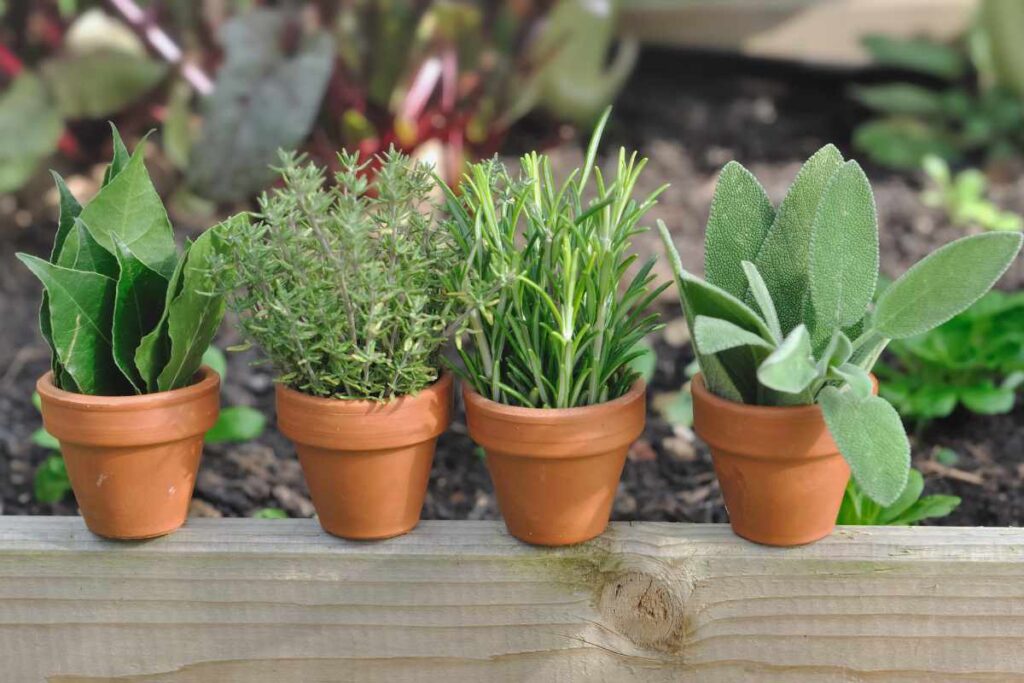
Herb Container Garden setups are the fastest, most forgiving way to start planting herbs in containers—especially if you’re a beginner with a balcony, patio, or tiny stoop.
With just a few thoughtfully chosen pots, fresh potting mix, and the right sunlight, you can go from blank space to homegrown flavor in a weekend. In this guide, we distill key takeaways from a helpful YouTube tutorial (credit to the original creator) into three simple stages you can follow without guesswork.
Along the way, you’ll learn how to avoid overwatering, pair herbs with similar needs, and design a layout that feels intentional. Whether your inspiration comes from Potted Herb Garden Ideas on social feeds or you’ve tried Herb Planter Ideas Outdoors before, these steps are beginner-friendly and built for real life.
Why Containers Make Sense for First-Timers
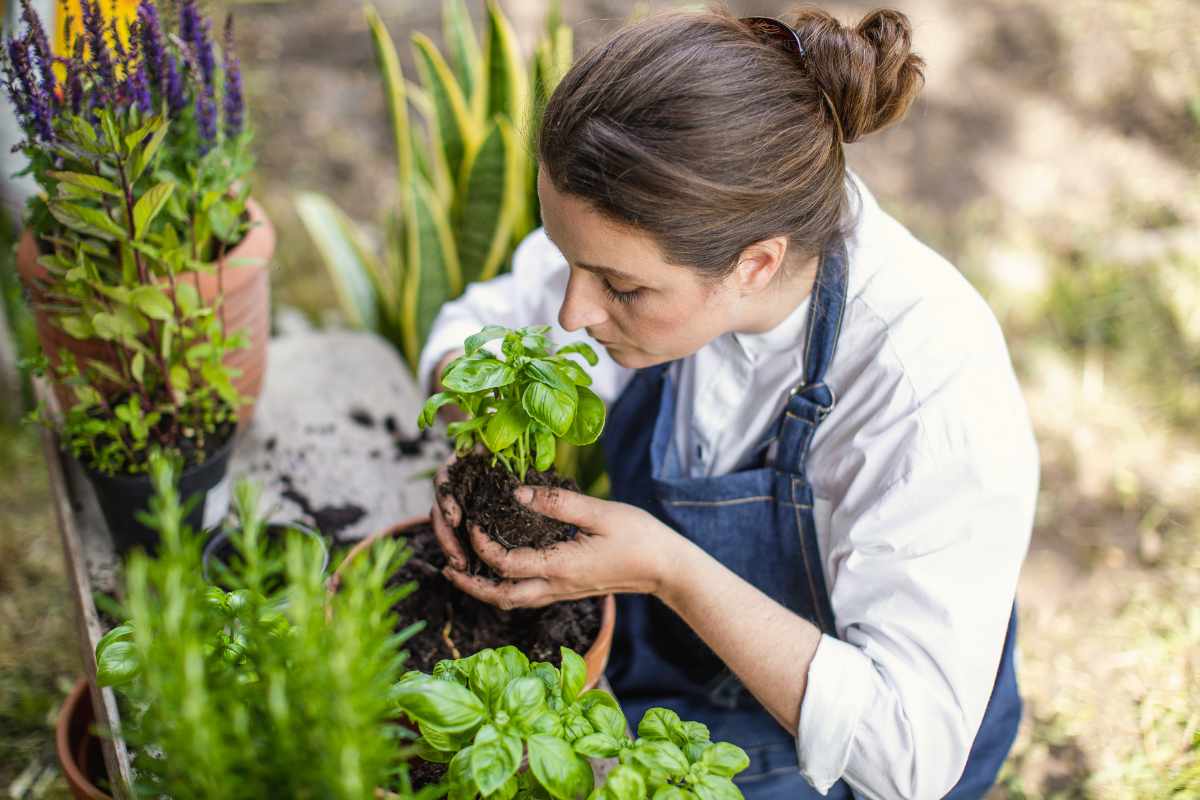
Containers give you control over soil, drainage, and light—three factors that make or break herb success. Unlike a fixed herb garden bed, pots let you “chase the sun,” tuck tender basil out of the wind, and keep thirsty mint separate from drought-tolerant thyme.
A container layout is also a mini exercise in herb garden design: repeat a pot color for cohesion, vary heights for depth, and cluster aromas (basil by the café chair, rosemary by the door). If you later expand into a Backyard Herb Garden, the skills you build here transfer perfectly.
Step 1: Plan Your Space, Sun, and Containers
Start with a quick audit: how many hours of direct sun does your spot get at 9 a.m., noon, and late afternoon? Most culinary herbs prefer 5–6 hours.
Basil and rosemary want more; parsley and mint tolerate partial shade. Note wind channels between buildings and use heavier pots or a railing to buffer gusts. Measure the footprint you can dedicate so you don’t crowd walkways or seating.
Next, pick containers with generous drainage. Multiple holes and a matching saucer keep roots happy and floors clean. Unglazed terracotta breathes, while lightweight resin is balcony-safe and less fragile. Aim for at least 20–30 cm (8–12 in) diameter for single herbs and wider troughs for combos.
If you’re browsing Small Herb Garden Ideas, choose compact, stackable pieces; for a café vibe, borrow cues from Patio Herb Garden Ideas and match pots to your bistro set.
Finally, decide your planting style. Beginners often do best with one herb per pot—it’s easier to read the plant’s signals and adjust watering.
If you want a mixed container, keep plants with the same water needs together (e.g., rosemary + thyme + oregano). Save mint for its own container; it spreads aggressively.
Step 2: Mix, Plant, and Water for Success
Use a high-quality, peat-free potting mix—never dense garden soil. For extra airflow, blend in perlite or pumice. Before planting, pre-moisten the mix so it’s evenly damp, not soggy.
Slip each herb from its nursery pot, tease apart circling roots, and set it at the same depth in the new container. Backfill gently and water until you see a steady trickle in the saucer; this settles roots and eliminates air pockets.
Set watering expectations now. Learn the simple finger test: when the top 2–3 cm (about an inch) feels dry, water deeply again. Herbs prefer a soak-and-dry cycle to constant dampness.
Feed lightly with an organic, slow-release fertilizer at planting and supplement with a diluted liquid feed every 3–4 weeks in peak season. This rhythm encourages steady growth and concentrated flavor without a rush of weak, watery stems.
If you enjoy hands-on projects, lean into a Diy Herb Garden Outdoor approach: premix substrate in a tote, keep a labeled watering can on the balcony, and stash a pair of scissors or snips in a weatherproof caddy. A tiny setup routine—five minutes after breakfast—beats any complicated system.
Step 3: Arrange, Prune, and Harvest Like a Pro
Think like a stylist and a cook. Arrange taller, woody herbs (rosemary, sage) as anchors, mid-height herbs (basil, parsley) as your “sofas,” and trailers (thyme) as lively edges. Repeat leaf textures and pot colors for cohesion.
A tiered stand or railing trough can hold multiple herbs in pots outdoors without hogging floor space. If you’re eyeing Potted Herb Garden Ideas that show lush growth, the secret is regular trimming, not just watering.
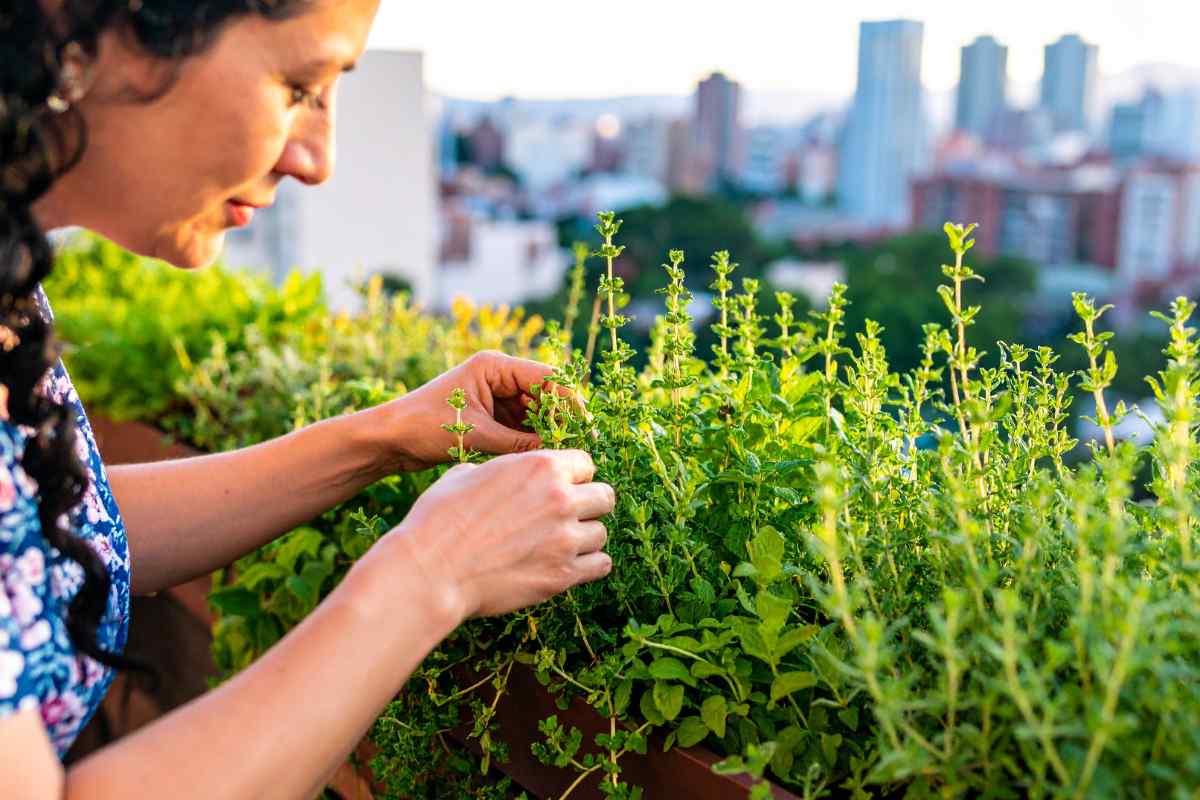
Harvest early and often. Snip above a leaf node to encourage branching, and never remove more than one-third of a plant at a time.
Pinch flower buds on basil to keep flavor sweet; let a few herb blossoms feed pollinators at season’s end if yields are steady. Rotate containers a quarter-turn every week for even growth in directional light.
Keep notes—what thrived, what wilted, and where the sun actually hits. Your second season will feel effortless. Many habits from a larger plot—mulching, spacing, steady moisture—translate, so browsing Planting Herbs Outdoors and Herb Planter Ideas Outdoors can spark tweaks that elevate container results.
Beginner-Friendly Herb Combinations
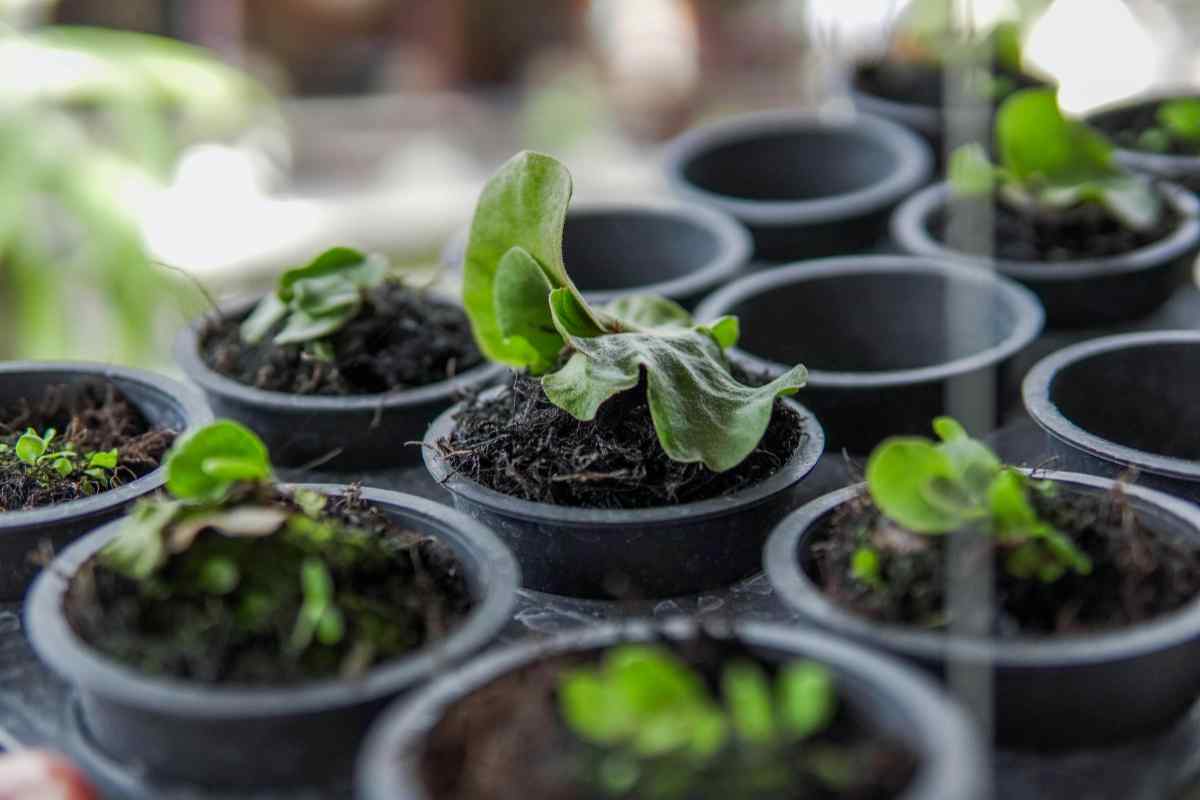
Not sure what to plant first? Start with one of these balanced trios. Each “form” keeps watering and light needs aligned so you’re not juggling conflicting care routines. Use them as templates, then swap varieties to suit your taste and climate.
Form 1: Mediterranean Saver (Sunny & Low-Water)
What’s inside: Rosemary, thyme, oregano. These herbs love bright sun and lean, well-drained mix. Choose a wide, shallow bowl (or oval trough) with excellent drainage.
Why it works: All three prefer to dry slightly between waterings, so you won’t drown a thirstier partner by accident. The textural contrast—woody rosemary, mat-forming thyme, and upright oregano—makes an attractive focal point for herb garden design.
Care cues: Water when the top layer dries; trim thyme often to keep it dense; harvest oregano stems and strip leaves into sauces. This look pairs well with Patio Herb Garden Ideas like café tables and warm terracotta tones.
Form 2: Fresh-Cut Kitchen Trio (Partial Sun & Even Moisture)
What’s inside: Parsley, chives, basil (add cilantro in cooler seasons). Use a deeper, 25–30 cm (10–12 in) pot to give roots room.
Why it works: These herbs reward consistent moisture and frequent harvesting. Place them near the kitchen door so you’ll actually use them—fresh pesto and snipped chives become second nature.
Care cues: Keep soil evenly damp, especially for basil during hot spells. Pinch basil flower buds and cut parsley stems low to the base to promote new growth. If your balcony is breezy, tuck this container behind a larger pot as a windbreak. Ideas borrowed from Small Herb Garden Ideas can help you layer heights without clutter.
Form 3: Mint Bar (Shade-Tolerant & Contained)
What’s inside: Peppermint or spearmint—by itself. Mint is delicious but invasive; give it a dedicated pot so it doesn’t take over neighbors.
Why it works: Mint tolerates partial shade and appreciates regular moisture, making it ideal for balcony corners that don’t get intense midday sun.
Care cues: Water when the surface starts to dry and shear back quarterly to keep stems lush. Use cuttings for tea, mojitos, and desserts. If you love tidy setups from Potted Herb Garden Ideas, a row of identical mint pots can become a fragrant privacy screen.
Placement, Maintenance, and Seasonal Tweaks
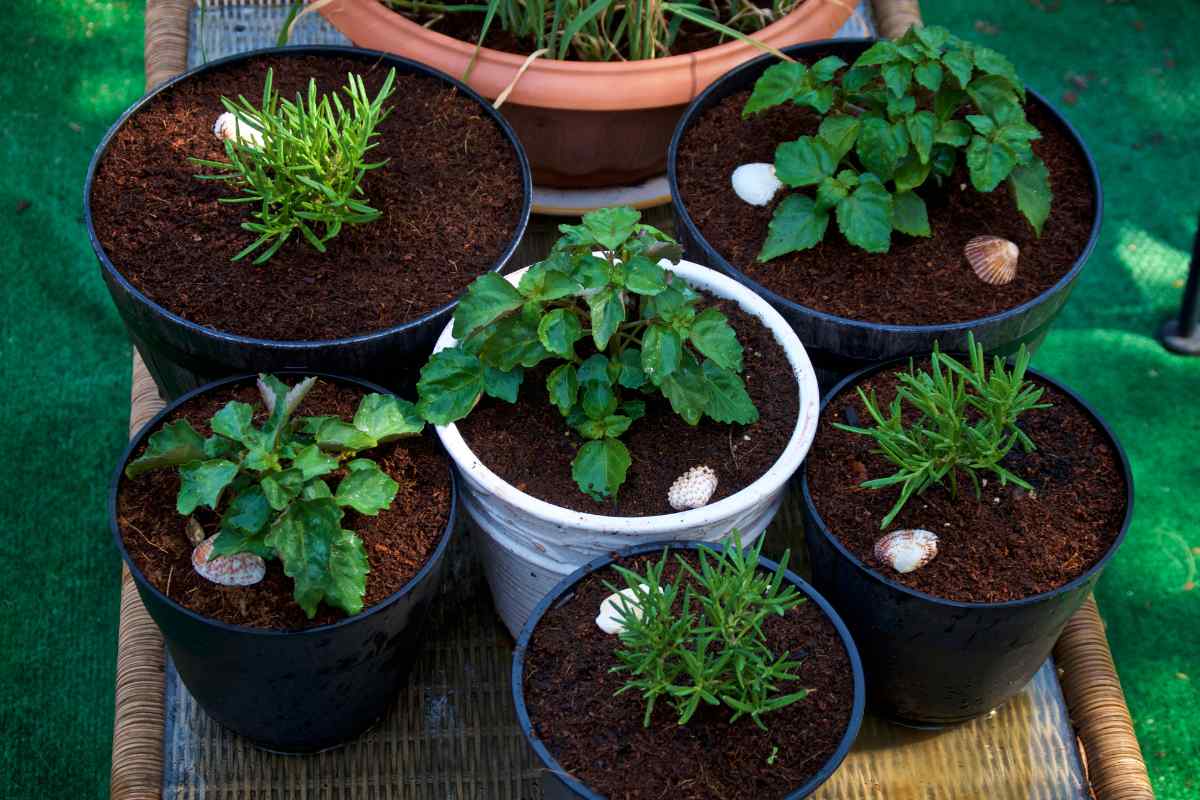
Place containers where you’ll see and use them. Proximity beats perfection: a pot you pass daily will get watered on time. In heat waves, add morning and evening checks; in cool spells, reduce watering and watch for slow growth. Rotate plants if one side gets all the light. As weather shifts, don’t hesitate to rearrange—containers are mobile by design.
End-of-season strategy matters. Dry rosemary and thyme sprigs, chop and freeze parsley in oil, and make basil pesto for winter. If you transition to ground-level growing later, your container lessons—soil quality, spacing, and harvest rhythm—will help your first Backyard Herb Garden or expanded herb garden bed thrive.
From Video to Real-World Results
We watched a practical YouTube tutorial on container herbs and summarized the big ideas without reproducing proprietary steps or exact techniques. Credit belongs to the original creator; our goal is to show what you’ll learn (container size, drainage setup, watering cadence, smart groupings) and why it matters for beginners. Use the video as a visual companion, then follow these three steps and forms to build a setup you’ll actually maintain.
Pro Tip: Inspiration travels well. Even guides focused on Planting Herbs Outdoors in larger spaces can spark balcony wins. Translate those Herb Planter Ideas Outdoors into railing troughs, adapt a raised-bed layout into a long window box, and steal color palettes from Patio Herb Garden Ideas for a cohesive vibe.
Watch the Video

Ready to start planting herbs outdoors—even if “outdoors” means one sunny balcony corner? Containers scale with your space and schedule, and the three beginner steps here will carry you from first planting to flavorful harvests all season.
More Gardening Tips 👇🏼👇🏼