
3 Medicinal Herb Container Garden Ideas


Medicinal Herb Container Garden projects are perfect when you want fast results, compact growth, and everyday remedies right outside your door. With the right mix of pots, light, and soil, you can be growing herbs in pots that calm nerves, settle the stomach, and brighten meals—all on a balcony, patio, or backyard herb garden path.
In this guide we focus on three reliable stars—cumin, lemon balm, and mint—and show you how to design containers that look good and earn their keep. We’ll also touch on spacing, watering, and a smart medicinal herb garden layout so your containers thrive outdoors through the season.
Why Containers Make Sense For Medicinals
Containers give you control over soil, drainage, and sun—three things that make or break herbs. They also let you place herb garden pots where light is ideal, keep aggressive plants like mint in check, and create a movable display that fits your backyard garden design.
If you love tidy patios, or you’re short on space, herbs in pots outdoors are a practical, good-looking solution.
Cumin (Cuminum cyminum): Aromatic Seeds, Warmth Lover
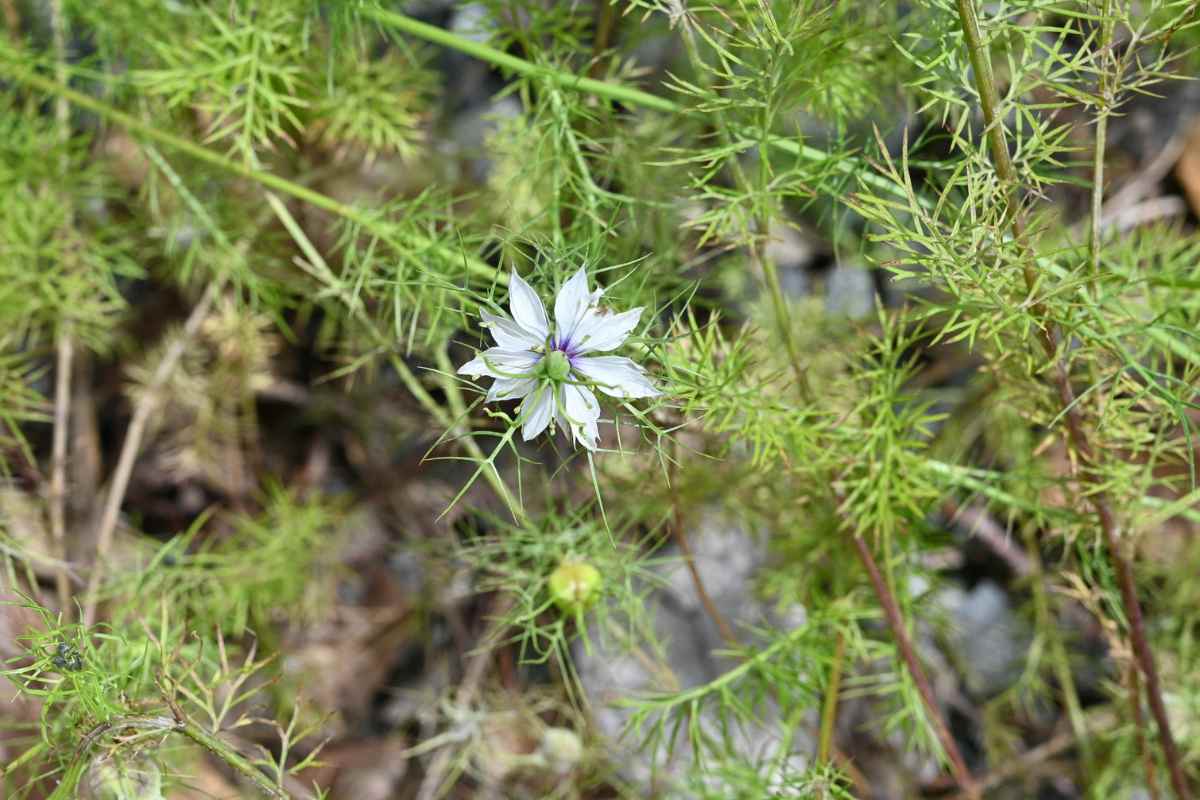
Cumin is a tender annual that rewards patient growers with intensely flavorful seeds for teas and spice blends. Choose a 10–12 in (25–30 cm) pot with excellent drainage and a sandy, lean mix.
Place in full sun and keep water steady but never soggy. Because cumin dislikes transplant shock, sow directly in the container or use biodegradable cells you can set into the pot without disturbing roots.
This is one of the best herbs to grow in a heat-reflecting corner where the pot warms quickly.
For a compact medicinal herb container garden look, thin seedlings to allow air flow, then stake lightly if stems lean. Feed sparingly—too much nitrogen encourages leaves over seeds.
Harvest seed heads when they turn brown and aromatic; cut and dry in paper bags before rubbing seeds free. A light pruning of spent stems tidies the pot and reduces disease pressure.
Medicinal uses: Cumin seed infusions are traditional for easing occasional bloating and supporting digestion. A simple tea—1 tsp lightly crushed seeds in hot water, steeped 10 minutes—offers a gentle, warming effect. As always, consult a professional if you have health conditions or take medications.
Lemon Balm (Melissa officinalis): Calming Citrus Notes

Lemon balm is a soft, bright green perennial in many climates and a champion of perennial herbs for containers. Give it a 12–14 in (30–36 cm) pot with rich, well-drained soil and morning sun with afternoon shade in hot regions.
Water when the top inch dries; plants in herbs in pots outdoors setups often dry faster than in beds. Pinch regularly to keep it bushy and to prevent early flowering, which can diminish flavor.
For looks and function, pair lemon balm with a trailing thyme around the rim. The contrast in texture creates a designer touch that complements your backyard garden design.
Because lemon balm can spread in beds, confining it to containers keeps gardens tidy while still delivering generous harvests.
Medicinal uses: Fresh or dried leaves make a soothing tea often sipped in the evening. Many gardeners brew lemon balm with mint as a calming blend.
It’s a classic for stressy days and a lovely garnish for fruit water. As with any herb, verify interactions if you’re under medical guidance.
Mint (Mentha spp.): Vigor With Boundaries

Mint is famous for running through soil, which is why it shines in containers. Select a wide pot—at least 12–14 in (30–36 cm)—so runners circle inside the vessel rather than your yard.
Use a moisture-retentive mix, water consistently, and give partial sun to bright shade in hot climates. Snip often; frequent harvesting keeps flavors bright and growth compact in any backyard herb garden.
If you’re growing herbs in pots for mixed sips and remedies, plant peppermint for deep menthol and spearmint for a sweeter, dessert-ready note.
Rotate the pot a quarter turn weekly so stems grow evenly. Refresh topsoil with compost each spring to maintain vigor.
Medicinal uses: Mint tea helps with occasional digestive discomfort and offers a cooling lift on warm days. A quick, strong infusion works well as a steam for stuffy noses. Because mint’s oils are potent, start mild and adjust to taste.
Designing Your Medicinal Herb Container Garden Layout
Think in clusters of three: one tall or upright plant (cumin), one medium mounding plant (lemon balm), and one spiller (a trailing mint or thyme companion) grouped in separate herb garden pots and positioned together.
This triangle is visually stable and easy to scale across a patio. Label each pot, note sowing dates, and arrange by water needs so your medicinal herb garden layout is simple to maintain. This approach mirrors principles from backyard garden design: repeat shapes, vary texture, and keep pathways clear.
When planning herbs that grow well together, remember that mint prefers more moisture than cumin, so keep them in distinct containers but near each other for convenient harvesting. Lemon balm bridges the two with moderate watering.
Place the sun-hungry cumin at the brightest edge of the group, with lemon balm behind it to cast a little afternoon shade, then tuck mint to the cooler side. The result is cohesive, practical, and photo-worthy.
Watering, Soil, and Light Essentials

Container soil should be light, fast-draining, and renewed yearly. Blend two parts high-quality potting mix with one part coarse sand or perlite for cumin, and add an extra part compost for lemon balm and mint.
Grouping similar needs keeps care routine: cumin in the hottest, sunniest spot; lemon balm in morning sun; mint in bright shade or dappled light. This is the backbone of herbs in pots outdoors that thrive from spring to fall.
Water deeply until you see a trickle from the drain holes, then wait for the top inch to dry for lemon balm and mint; let cumin go a bit drier between waterings. Elevate pots on feet to prevent soggy bases and to protect decks. A monthly seaweed or compost tea keeps foliage lush without forcing floppy growth.
Companions, Aesthetics, and Small-Space Tricks
For beauty and order, copy interior design habits outdoors. Borrow from your favorite interior chicken coop ideas—like modular organization or clean vertical lines—and translate them to shelves, ladder racks, or wall-mounted rails for containers. A repeat of the same pot style in different sizes instantly looks curated, especially in a tight backyard herb garden nook.
As you select the best herbs to grow in limited space, choose varieties with complementary growth: cumin upright, lemon balm mounded, mint trailing.
While these aren’t true companions in the same pot, they are herbs that grow well together visually and in a single watering zone when grouped.
The harmony of heights, textures, and greens makes maintenance easier and boosts harvests because you’ll tend them more often.
Harvesting & Everyday Use
Snip lemon balm and mint in the morning when oils are most intense; use fresh or dry on screens in a shady, ventilated place. For cumin, wait for seed umbels to bronze before cutting.
Store herbs in labeled jars away from light and heat. A small notebook clipped to a pot rack helps you track flavors and favorite blends.
Keep a weekly ritual: brew a lemon balm–mint tea, toast cumin lightly for a savory sprinkle, and note what your containers need next. The rhythm turns maintenance into pleasure, the hallmark of a thriving medicinal herb container garden.
Quick Troubleshooting
If lemon balm gets leggy, cut back by one-third and it will rebound. If mint tastes dull, harvest more often and refresh the top inch of soil. If cumin fails to form seeds, ensure full sun and reduce nitrogen.
Remember, containers magnify both mistakes and successes—small tweaks bring fast results in herb garden pots.
Pests like aphids rinse off with a firm spray of water; follow with a mild soap solution if needed. Good airflow and proper spacing are your best defenses and belong in any smart medicinal herb garden layout.
Keep Growing With Urbaki
Ready to scale up? Explore more guides on Urbaki Gardening to design a backyard garden design you love, refine your growing herbs in pots technique, and discover new mixes for your patio bar and home apothecary. Share your favorite pot combos and what worked in your backyard herb garden—we’d love to see them thrive.
More Gardening Tips 👇🏼👇🏼