
Growing Herbs: 5 Essential Guides for a Thriving Herb Garden

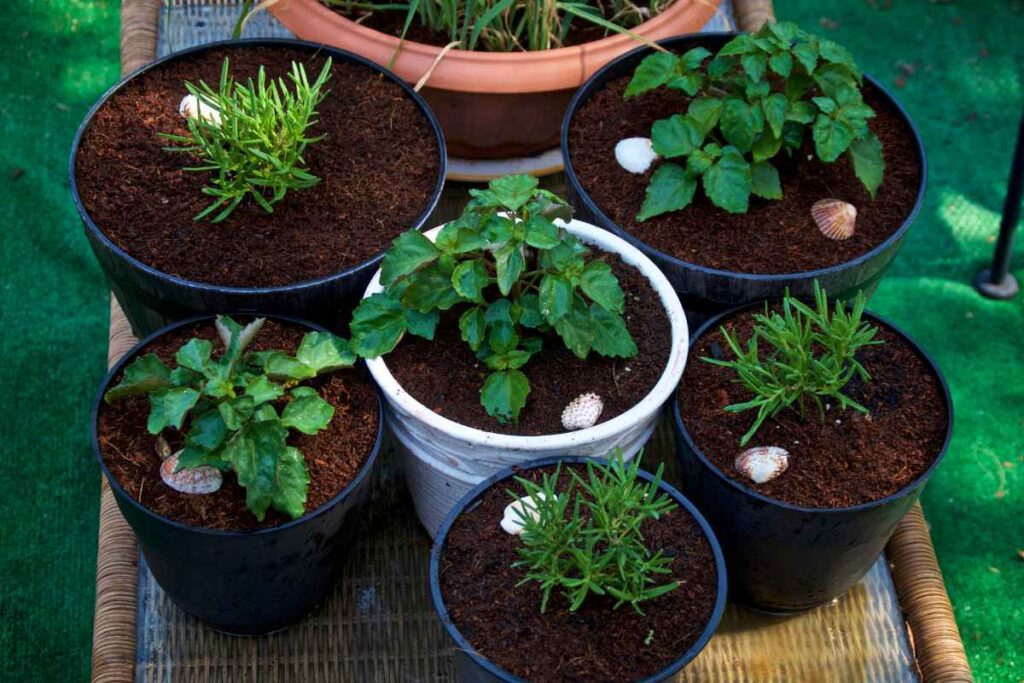
Growing herbs is one of the easiest ways to bring fresh flavor, fragrance, and greenery into your home. You do not need a large backyard or years of gardening experience to get started.
Herbs can be grown from seeds, placed near a sunny window, arranged in compact containers, regrown from existing plants, and kept productive through regular pruning. Whether you are a complete beginner or looking for new ways to expand your collection, these five practical guides will help you choose the right approach for your space.
1. Start Growing Herbs With Seeds
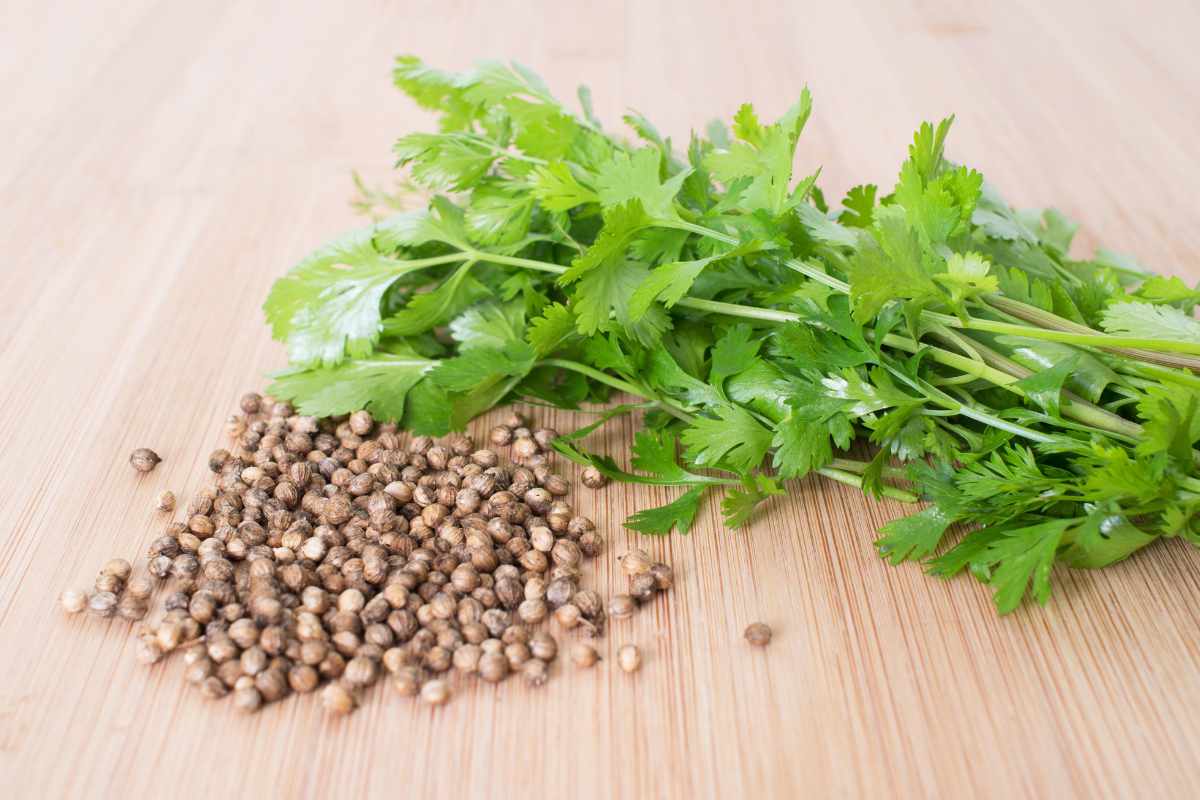
Starting herbs from seed gives you access to a wider variety of plants and allows you to follow the entire growing process from germination to harvest. It can also be an affordable way to grow several herbs at once.
Before planting, check the seed packet for information about sowing depth, spacing, light, and germination time. Most herb seeds should be planted in a lightweight, well-draining seed-starting mix rather than dense garden soil.
Use containers with drainage holes and keep the soil consistently moist while the seeds germinate. The surface should feel damp, but it should never remain waterlogged.
Once the seedlings appear, provide plenty of bright light. A sunny windowsill may work, although seedlings can become thin and stretched if they do not receive enough light.
The complete guide, Sow and Grow: Tips for Planting Herb Seeds, explains how to give young herbs a healthy start.
Simple Seed-Starting Checklist
- Choose herbs suited to your growing conditions.
- Use clean containers with drainage holes.
- Fill them with a light seed-starting mix.
- Follow the recommended planting depth.
- Keep the soil evenly moist.
- Provide bright light after germination.
- Thin crowded seedlings when necessary.
Avoid planting seeds too deeply. Small herb seeds may struggle to reach the surface when they are covered with too much soil.
2. Create an Indoor Herb Garden

Growing herbs indoors is ideal for gardeners who do not have access to a yard, patio, or balcony. It also keeps useful culinary herbs close to the kitchen, where they are easy to harvest while cooking.
Basil, mint, rosemary, thyme, and chives are popular choices for an indoor herb garden. However, each herb has slightly different needs, so it is helpful to group plants according to their preferred light and moisture levels.
Most herbs perform best near a bright window that receives several hours of sunlight. When natural light is limited, a grow light can help plants maintain stronger, more compact growth.
Choose individual pots with drainage holes rather than placing every herb in one large container. Separate pots make it easier to adjust watering for each plant. For example, mint generally appreciates more consistent moisture, while rosemary and thyme prefer the soil to dry slightly between waterings.
Learn more about choosing plants, containers, and a suitable location in How to Start a Thriving Indoor Herb Garden.
Indoor Herb Garden Essentials
A successful indoor setup does not need to be complicated. Start with:
- Containers with reliable drainage
- A well-draining potting mix
- A sunny window or grow light
- A saucer to protect indoor surfaces
- Small scissors for harvesting
- Enough space for air to circulate around the plants
Rotate the pots every few days so that all sides of the plants receive light. This simple habit can help prevent herbs from leaning heavily toward the window.
3. Use Small Spaces Creatively
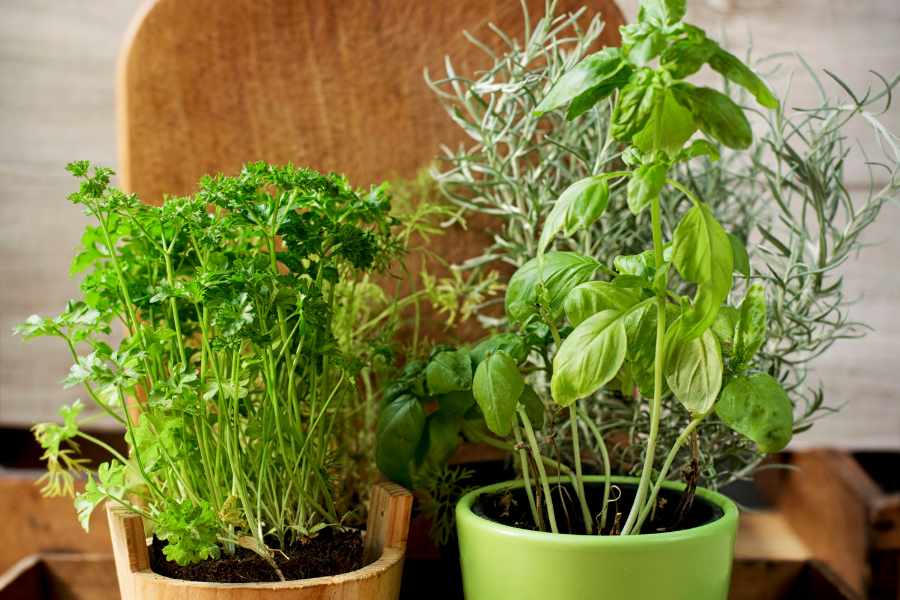
Limited space does not have to limit the number of herbs you grow. Balconies, windowsills, railings, walls, shelves, and small patios can all become productive growing areas.
For growing herbs in containers, choose pots that fit the mature size of each plant. Small containers dry out more quickly, so they may require closer attention during warm or windy weather.
Vertical gardens are particularly useful when floor space is limited. Wall-mounted planters, hanging containers, tiered stands, and pocket planters allow you to grow upward instead of spreading pots across the ground.
A sunny windowsill can hold a row of compact herbs, while a balcony railing can support properly secured planters. Tiered pots can also create several planting levels within a small footprint.
For more layout inspiration, visit Creative Herb Gardening Ideas in Small Spaces.
Small Herb Garden Ideas to Try
- Arrange pots on a tiered plant stand.
- Install a vertical herb wall.
- Use hanging planters for trailing or compact herbs.
- Place small pots along a bright kitchen window.
- Add railing planters to a sunny balcony.
- Repurpose a narrow shelving unit as a container garden.
Before installing containers on a wall, railing, or elevated shelf, make sure they are securely supported. Remember that pots become considerably heavier after watering.
4. Regrow Herbs for an Ongoing Harvest

Some store-bought herbs and cuttings can be encouraged to produce new roots, giving you another way to expand your herb garden without always starting from seeds.
This method can be especially appealing for gardeners who want to reduce waste and make better use of fresh herbs purchased from the grocery store. Results vary depending on the herb, its freshness, and how it was harvested, but healthy stems often provide the best starting point.
Begin with a fresh, undamaged cutting. Remove leaves from the lower part of the stem so they do not sit underwater. Place the stem in a clean glass with enough water to cover the bare nodes, then keep it in bright, indirect light.
Replace the water regularly to keep it fresh. Once a healthy root system develops, the cutting can usually be transferred to a small container filled with moist, well-draining potting mix.
The tutorial Discover a Method to Grow Endless Herbs explores this budget-friendly approach to maintaining a more continuous herb supply.
Tips for Better Regrowing Results
- Start with firm, healthy stems.
- Use a clean glass or container.
- Keep leaves above the waterline.
- Refresh the water regularly.
- Provide bright, indirect light.
- Transfer cuttings carefully after roots develop.
- Keep the potting mix slightly moist while the plant adjusts.
Not every cutting will root successfully. Starting with several healthy stems can improve your chances without relying on a single cutting.
5. Prune Herbs to Keep Them Productive

Pruning is an important part of growing herbs because it encourages branching and helps many plants produce more usable leaves. Regular harvesting often serves the same purpose when it is done correctly.
Instead of removing random leaves, cut stems just above a healthy leaf node or branching point. This encourages the plant to develop new side shoots rather than continuing to grow as one tall, sparse stem.
Parsley benefits from a slightly different harvesting technique. The older outer stems should generally be removed near the base while the younger central growth remains in place. This allows the plant to continue producing fresh leaves.
You can find detailed instructions in A Guide to Pruning Parsley for Optimal Growth.
Pruning can also help delay flowering in leafy herbs. Once some herbs begin producing flowers and seeds, their leaf growth may slow and their flavor can change. Checking plants frequently makes it easier to remove developing flower stalks early.
Common Herb Pruning Mistakes
Removing too much at once: Taking a large portion of the plant can leave it without enough foliage to recover efficiently.
Cutting only the newest leaves: Constantly removing tender central growth may weaken the plant. Harvest mature stems while protecting active growing points when appropriate.
Using dirty or dull scissors: Clean, sharp tools create neater cuts and reduce unnecessary stem damage.
Waiting until the plant becomes overgrown: Frequent light pruning is usually easier on the plant than one severe cutting.
Ignoring flower stalks: When leaves are the main harvest, remove unwanted flower stalks before the plant invests too much energy in seed production.
Herb Growing Tips You Can Apply Today
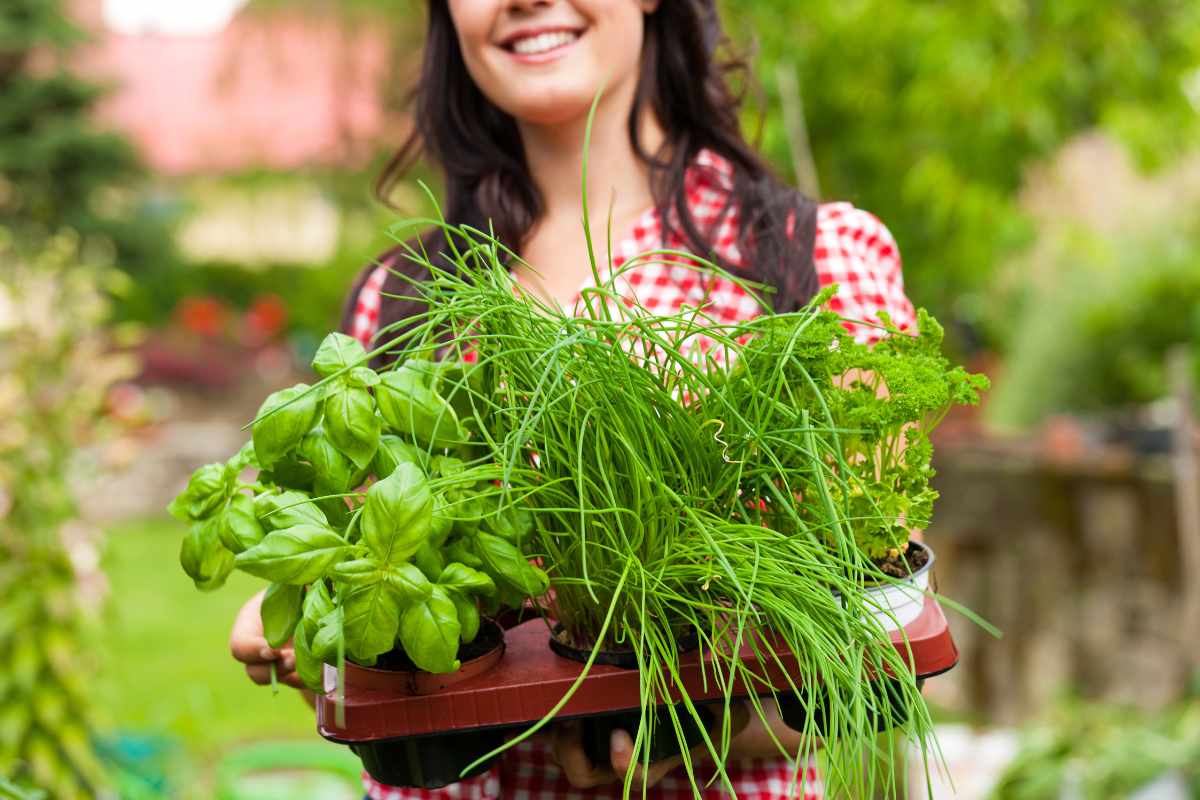
You can improve your herb garden without buying a large amount of equipment or changing your entire setup. Start with a few simple adjustments:
- Check the light. Move weak or leaning plants closer to a brighter location.
- Inspect the drainage. Make sure excess water can escape from every container.
- Test the soil before watering. Avoid watering automatically without checking moisture first.
- Harvest regularly. Light, consistent harvesting can encourage fuller growth.
- Give plants enough space. Improve airflow by separating crowded pots and stems.
- Match herbs with similar needs. Grouping plants by their watering and light preferences makes maintenance easier.
- Start small. Choose two or three herbs you regularly use before expanding your collection.
Troubleshooting Common Herb Garden Problems
Even a well-planned herb garden may experience occasional setbacks. The appearance of the plant often provides clues about what needs to change.
Long, thin stems that lean toward a window usually indicate insufficient light. Move the plant to a brighter location or consider adding a grow light.
Yellow leaves can be linked to several issues, but overly wet soil is a common cause in container-grown herbs. Check that the pot drains properly and allow the soil to dry according to the needs of the specific herb.
Dry, crispy leaves may indicate underwatering, excessive heat, low indoor humidity, or a container that is too small. Examine the soil before assuming the plant needs more water.
Slow growth can occur when plants lack light, remain root-bound, or grow in depleted potting mix. Check the roots and growing conditions before adding fertilizer.
The key is to make one adjustment at a time. Changing the light, watering schedule, container, and soil all at once can make it difficult to determine what was causing the problem.
Choose the Best Herb-Growing Method for Your Space
Growing herbs at home can be adapted to nearly any living situation. You can begin with seeds, create a compact indoor collection, use vertical space, regrow healthy cuttings, or improve an existing garden through better pruning.
Choose one method based on the light and space you currently have, then begin with a few herbs you will enjoy using. A small windowsill pot or balcony container can be the first step toward a productive and rewarding herb garden.
Happy gardening!
Emily
More Gardening Tips 👇🏼👇🏼