
How to Divide Supermarket Herbs for an Endless Supply


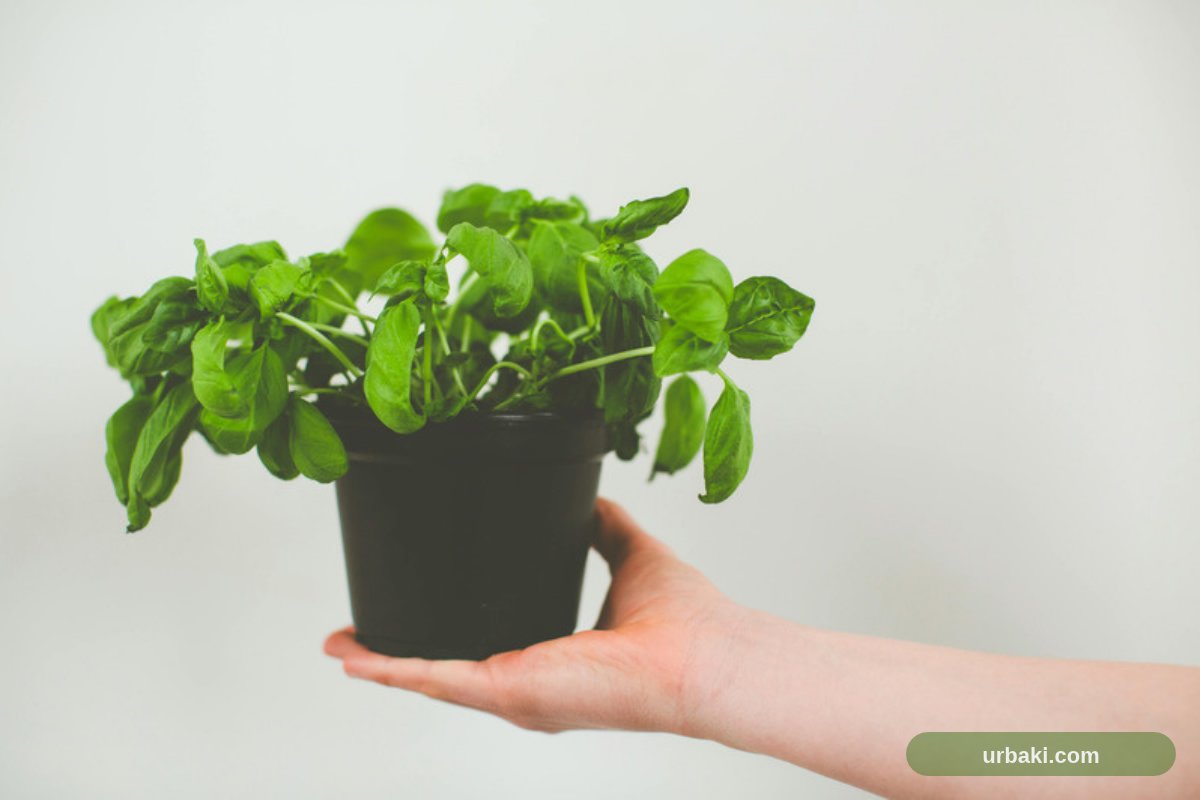
A pot of basil, parsley or coriander from the supermarket is not one plant. It is dozens of seedlings sown close together, which is why it wilts and runs out so quickly on the kitchen counter. Split that crowded pot into several small clumps, give each one its own pot of fresh compost, and you get a handful of sturdy plants that keep producing leaves for months instead of weeks.
The whole job takes about 20 minutes, costs almost nothing, and works with most of the soft herbs sold in grocery stores. Here is how to do it, which herbs respond best, and how to look after the new plants so the harvest keeps coming.
Why Supermarket Herbs Die So Fast
Living herbs sold in supermarkets are raised from seed in heated greenhouses, with many young plants packed tightly into each small pot. That looks lush on the shelf, but once the pot is in your kitchen the seedlings compete for the same small amount of compost, water and light. Roots fill the pot, the stems stretch, and the lower leaves yellow. Cutting the leaves only weakens plants that are already struggling.
Dividing the pot fixes the real problem: overcrowding. Each clump gets room for its roots, so it can grow new shoots after you cut it.
Which Herbs You Can Divide
According to BBC Gardeners' World, most potted supermarket herbs can be split, including basil, parsley, coriander (cilantro), mint, chives, thyme, oregano, rosemary, sage and chamomile. The RHS uses chives, coriander, basil and parsley as its examples for school gardeners because they divide so easily.
- Basil, parsley and coriander: sold as many seedlings in one pot, so they give the most new plants.
- Mint, chives, oregano and thyme: these spread into clumps and can be divided again in later years.
- Rosemary and sage: shrubby herbs can be split into single plants or groups of two or three.
If you want more ideas for a mixed herb collection, our guide to growing herbs covers the basics for the most popular kinds.
How to Divide Supermarket Herbs Step by Step
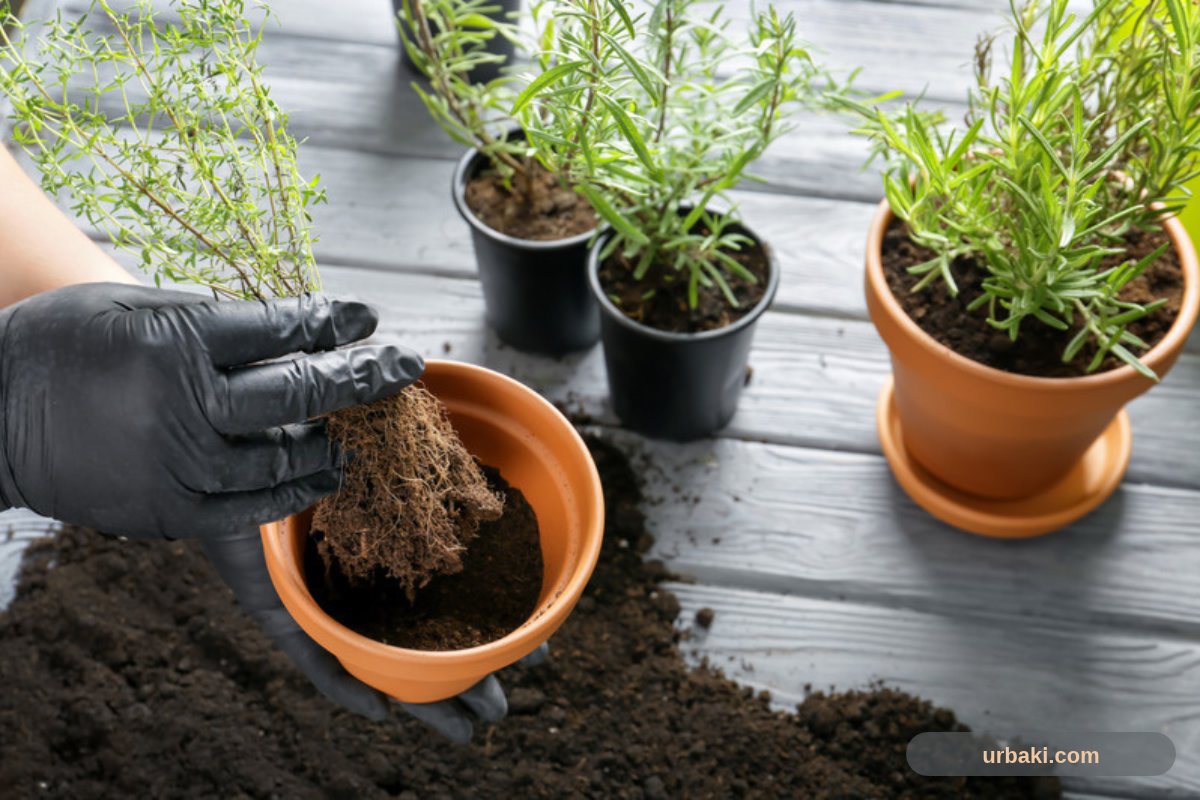
- Water first. Give the plant a good drink, squeeze the sides of the plastic pot to loosen the roots, and slide the rootball out.
- Split it in half. Hold the rootball with both hands and gently pull it apart in the middle. If the halves are still dense, divide each one again into quarters.
- Keep roots on every piece. Aim for several small clumps, each with a good set of roots. Shrubby herbs can be separated into single plants or small groups.
- Pot them up. Plant each clump in its own small pot of multi-purpose, peat-free compost, at the same depth it was growing before, and firm it in gently.
- Cut back the tops. Trim most of the soft upper foliage back to lower buds. This feels harsh, but it reduces stress on the roots and pushes the plant to branch.
- Water and settle them in. Water after potting and keep the pots in a warm, light place until they have rooted into the new compost.
Aftercare: Light, Warmth and Watering
Most herbs need bright light to grow strongly, and basil also needs warmth, so a sunny windowsill away from cold drafts is ideal in cooler months. Water when the top of the compost feels dry rather than on a fixed schedule, and empty saucers so the roots never sit in water.
The RHS suggests giving divided plants several weeks to grow new roots before planting them out in the garden or moving them to bigger containers. Hardy herbs such as mint, chives, thyme and sage can later go into borders or pots outside; our container garden ideas for balconies and patios show a few ways to group them. Tender basil is best kept indoors or outside only in warm summer weather.
Harvest So the Plants Keep Growing
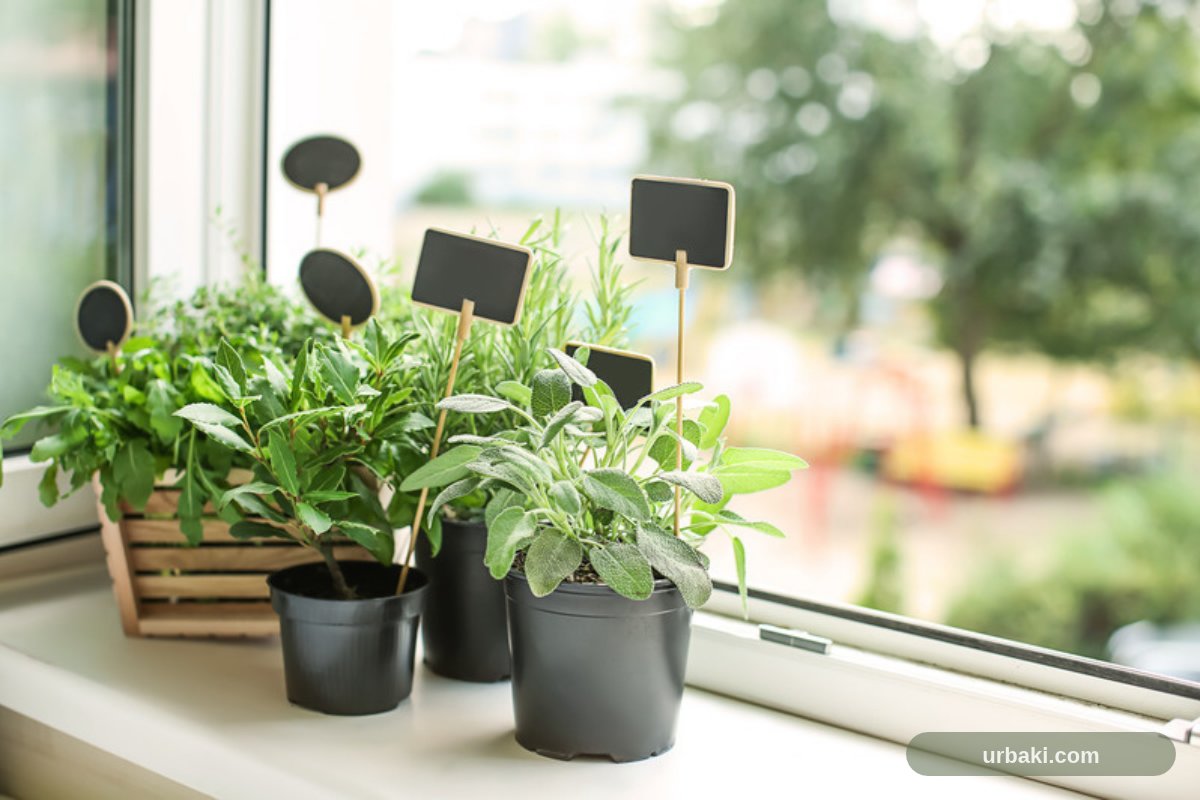
Once the clumps are producing fresh shoots, harvest little and often. Cut basil and mint stems just above a pair of leaves so two new shoots form, and take parsley and coriander stems from the outside of the clump so the center keeps growing. Never strip a plant bare; leaving most of the leaves lets it recover quickly. Woody herbs like rosemary need a little extra care indoors in winter, which we cover in how to keep rosemary alive indoors.
Other Ways to Multiply Your Herbs
Division is the quickest method for crowded pots, but it is not the only one. The RHS recommends softwood cuttings for mint in summer, softwood cuttings 5 to 7.5 cm (2 to 3 in) long for thyme in late spring or summer, and 15 cm (6 in) softwood cuttings for sage in early summer. Chives can be divided again in spring or autumn, and mint, oregano and thyme can be split in spring when the clumps get large.
Watch: Growing Endless Herbs
In this video, GrowVeg shows how one supermarket pot can be turned into several healthy herb plants.
Source: GrowVeg
Frequently Asked Questions
When is the best time to divide supermarket herbs?
You can divide them at any time during the growing season. Doing it as soon as you bring the pot home gives the young plants the best start.
How many plants can I get from one pot?
It depends on how crowded the pot is. A typical pot of basil, parsley or coriander usually splits into several clumps; shrubby herbs like rosemary or sage give single plants or groups of two or three.
More Gardening Ideas
- 3 Outside Herb Garden Ideas That Still Work If You Only Get Partial Sun
- 5 Creative DIY Garden Labels You Can Make at Home
- How to Grow Rue: A Simple Guide to Planting and Care
Did you find this post Useful or Inspiring? Save THIS PIN to your GARDENING Board on Pinterest!

More Gardening Tips 👇🏼👇🏼