
How to Keep Rosemary Alive Indoors in Winter: 8 Tips That Work

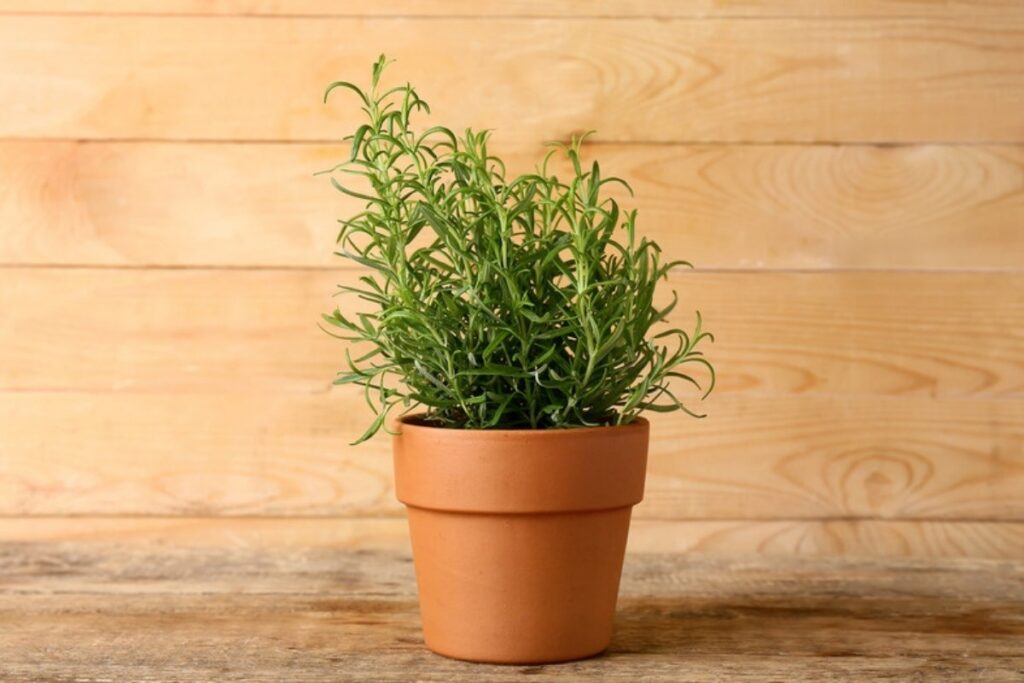
Rosemary is one of the easiest herbs to grow outdoors and one of the trickiest to keep happy inside. Every winter, plenty of potted rosemary plants (including the little cone-shaped "rosemary Christmas trees" sold for the holidays) turn brown and brittle by January. The good news: the reasons are predictable, and most of them come down to light, water and air.
Here's how to keep rosemary green and fragrant indoors until it can go back outside in spring.
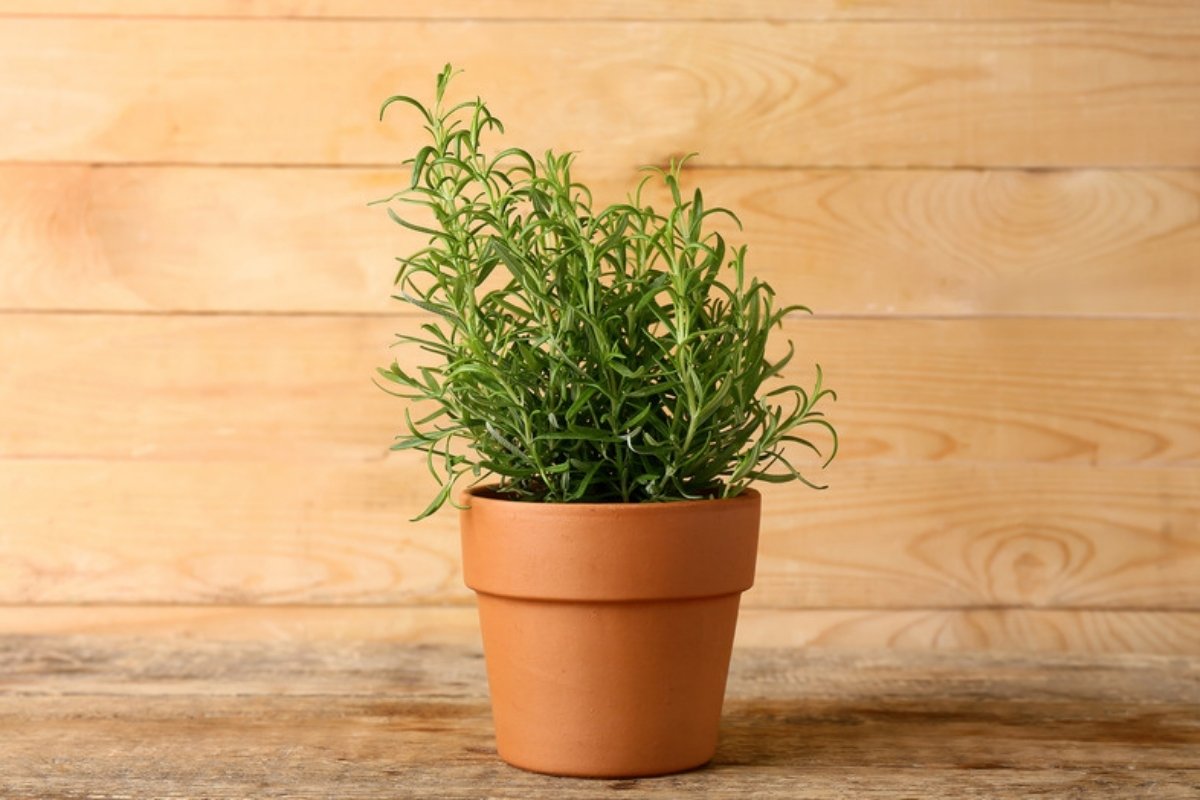
Rosemary indoors at a glance
- Light: at least 6 hours of direct sun; a south-facing window is best
- Winter temperature: cool, around 40–60°F (4–16°C)
- Water: when the top inch of soil is dry; never leave it sitting in water
- Pot: clay or terracotta with drainage holes
- Feeding: none in winter; a light feed in spring
- Outdoor hardiness: USDA zones 7–10
1. Give it the sunniest spot you have
Low light is the first thing that weakens indoor rosemary. It's a Mediterranean shrub used to full sun, and it needs about six hours of direct light a day to stay healthy. A south-facing window is ideal. East or west windows can work, while a north window is usually too dim on its own.
A quick test: hold your hand between the plant and the window. If the light is strong enough to cast a clear shadow, you're in the right range. If your windows can't deliver that in winter, a grow light placed above the plant makes up the difference.
Turn the pot about once a week so every side gets its share of sun. Otherwise the plant leans toward the glass and the shaded side thins out.
2. Keep it cool, not cozy
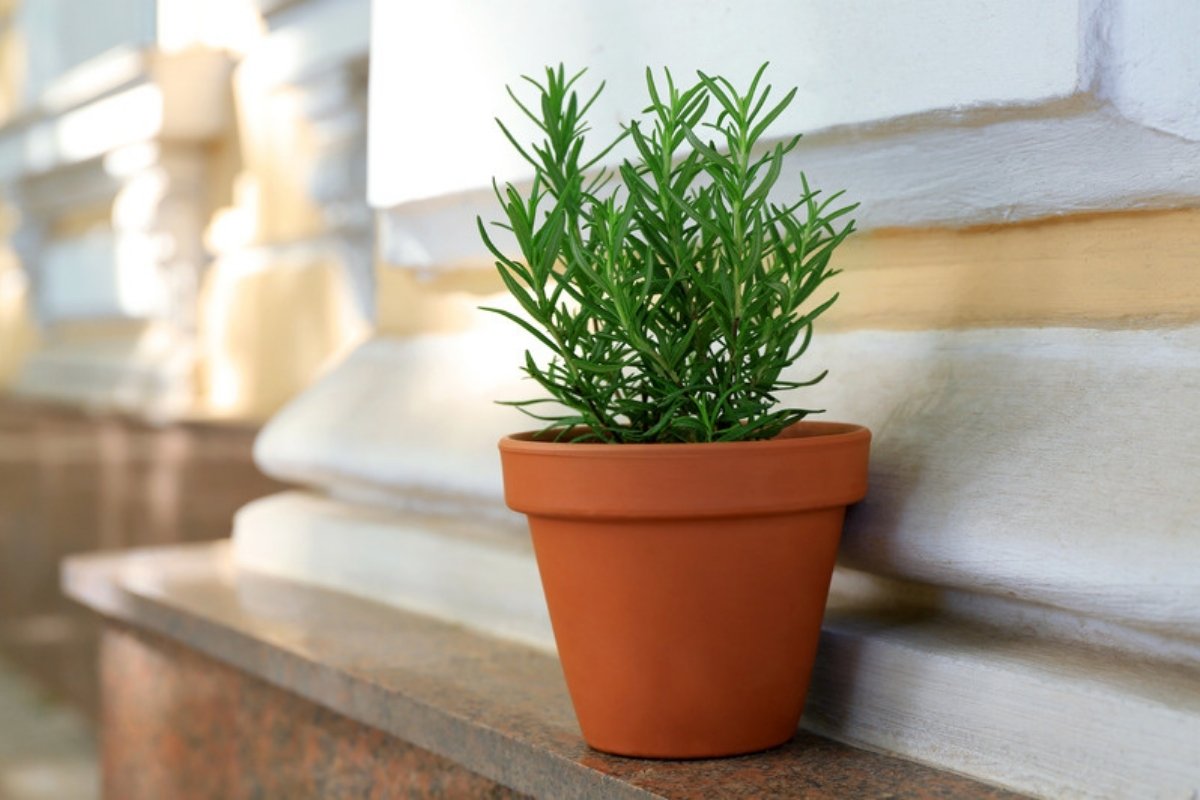
Rosemary prefers cool winter temperatures, roughly 40–60°F. A chilly windowsill or an unheated sunroom often suits it better than a warm living room. What it doesn't like is dry, blasting heat, so keep it away from radiators, heat registers, fireplaces and electronics that run warm.
Plants grown in greenhouses also dislike sudden temperature swings. If you've just bought one, take it straight home rather than leaving it in a cold car while you run errands.
3. Water with care (this is where most plants are lost)
Overwatering is the most common way indoor rosemary dies. Growth slows in winter, so the plant uses much less water than it did in summer. Check the soil with your finger and water only when the top inch feels dry, then let the excess drain away completely.
The opposite mistake hurts too. Rosemary's needles don't wilt the way soft leaves do, so a plant can be badly dried out before you notice. Once the root ball dries completely, the plant often can't recover. Aim for "dry on top, slightly moist below."
If your plant came wrapped in decorative foil or plastic, remove it or poke holes in the bottom. Wraps trap water around the roots, and that alone can rot a holiday rosemary within weeks.
4. Use a pot and soil that drain fast
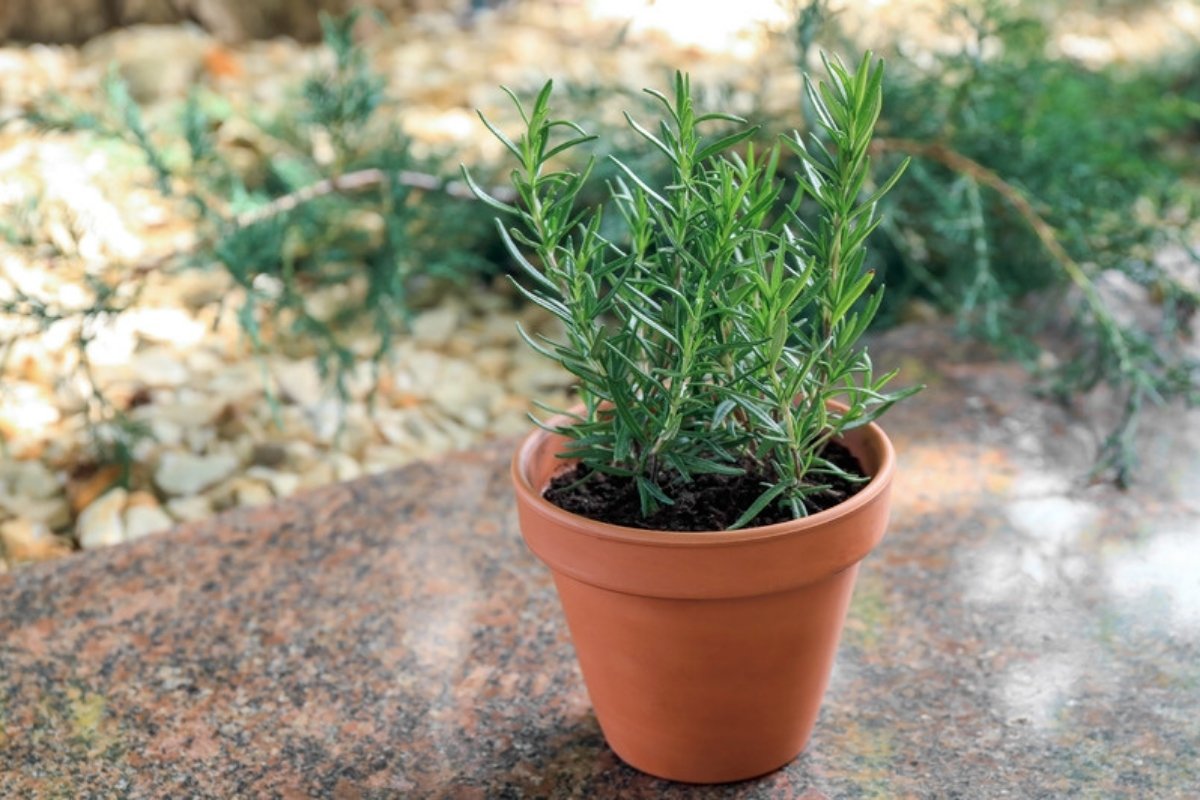
Good drainage matters as much as how often you water. Grow rosemary in a container with drainage holes, and empty the saucer after each watering. Clay or terracotta pots are a good choice because they let the soil dry out more evenly than plastic.
For potting mix, the RHS recommends a soil-based compost with up to a quarter horticultural grit added. Regular all-purpose potting mix on its own tends to stay wet too long for this plant.
If you need to repot a store-bought plant, do it when the root ball is not soggy.
5. Add a little humidity, and plenty of air
Indoor heating dries the air, and rosemary can struggle in it. Two simple fixes help: set the pot on a tray filled with pebbles and a little water (with the pot base sitting above the water line), and group it with other houseplants so they share moisture.
At the same time, rosemary needs air movement. Powdery mildew, a white dusty coating on the leaves, is the most common disease on rosemary grown indoors. Good spacing and a small fan running for a few hours a day keep the air moving and make mildew less likely.
6. Trim lightly, and save hard pruning for spring
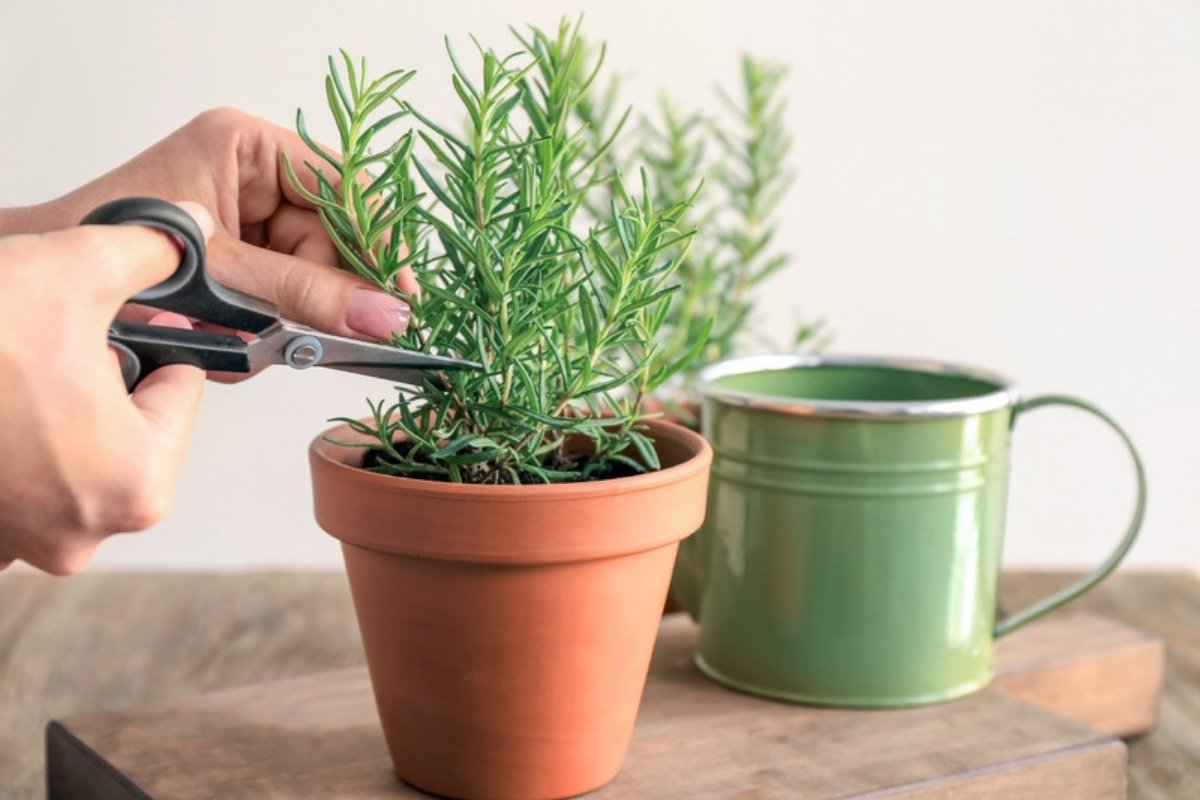
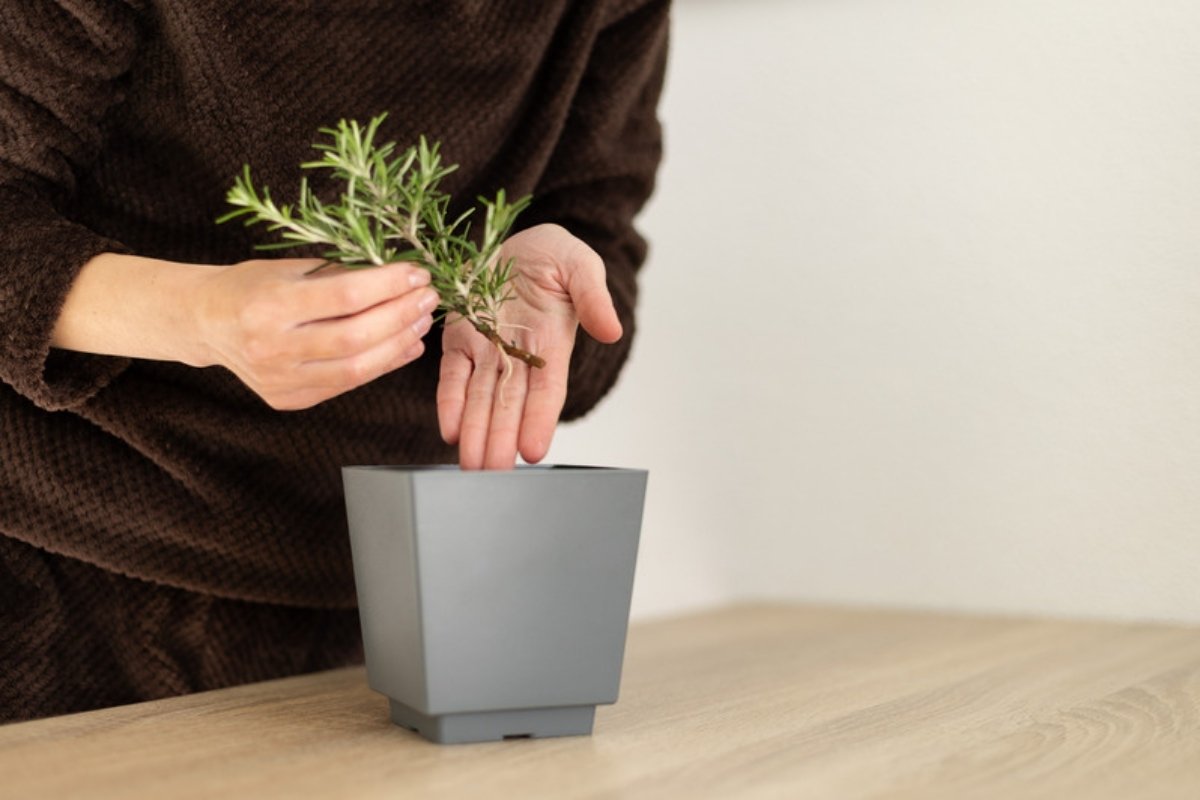
Snipping sprigs for cooking is fine all winter and keeps the plant from getting leggy. Just keep the cuts light. Heavy pruning is best left until spring, when the plant starts growing again and can recover quickly.
Avoid cutting back into old, bare wood, since rosemary often won't regrow from it. Always leave some green growth on each stem you trim.
The cone shape of a rosemary Christmas tree isn't the plant's natural form, so it needs regular light shearing to hold that shape. Trim the stray tips with small scissors every few weeks and use the clippings in the kitchen.
7. Skip the fertilizer until spring
Rosemary is a light feeder, and winter is its rest period. Wait until spring, then give it a light feed once growth picks up again. Potted plants that have been in the same container for over a year benefit most.
8. Move it back outside gradually
In late winter or early spring, start setting the pot outside in a sheltered spot during the day, out of drying winds, and bring it back in at night. Increase the time outdoors over a week or two so the leaves adjust to stronger sun. Once frosts have passed, it can stay outside for the summer or go into the garden.
Where it can live outside year-round depends on your climate. Rosemary is generally hardy in zones 7–10, and the RHS notes that well-established plants in the ground can survive down to about 18°F (-8°C). Plants in pots are more vulnerable, because their roots can freeze. If you're colder than that, plan to bring it in again next fall.
Frequently asked questions
Why is my indoor rosemary turning brown?
Browning usually comes from root problems. The two most likely causes are soil that stays wet (often from a foil wrap or a saucer full of water) or a root ball that dried out completely. Check the soil before changing anything else, then look at light: a dim spot weakens the plant and makes both problems worse.
Can I eat the rosemary from a rosemary Christmas tree?
Yes. These are ordinary culinary rosemary plants shaped into a cone. Snip sprigs for roasts, potatoes, soups and bread, which doubles as the light trimming the plant needs.
Should I decorate a rosemary tree with lights?
It's best not to wrap string lights around it. Master Gardeners in California advise against it because the heat can dry out the needles. Small, light ornaments or a ribbon around the pot are safer choices.
More gardening ideas
- Tips to Keep Your Herbs Alive During the Winter
- Homegrown Rosemary Uses Beyond the Kitchen
- 3 Beginner Steps to an Herb Container Garden
- Growing Herbs: 5 Essential Guides for a Thriving Herb Garden
With a bright window, careful watering and a bit of fresh air, your rosemary can make it through winter in good shape and give you fresh sprigs the whole time.
More Gardening Tips 👇🏼👇🏼