
The Secret to a Bountiful Pepper Harvest: 8 Tips That Work


Peppers are one of the most rewarding crops in a summer garden. They don't need much care once they are settled, and a healthy plant keeps producing for weeks. Still, many gardeners end up with tall, leafy plants and only a handful of fruit. Most of the time the cause is simple: the wrong variety, too much nitrogen, uneven watering or weather that is too hot or too cold for the flowers to set.
Below are the steps that make the biggest difference, based on guidance from the University of Minnesota and University of Maryland Extension services. At the end you'll also find a short video with one more tip from a seasoned grower.
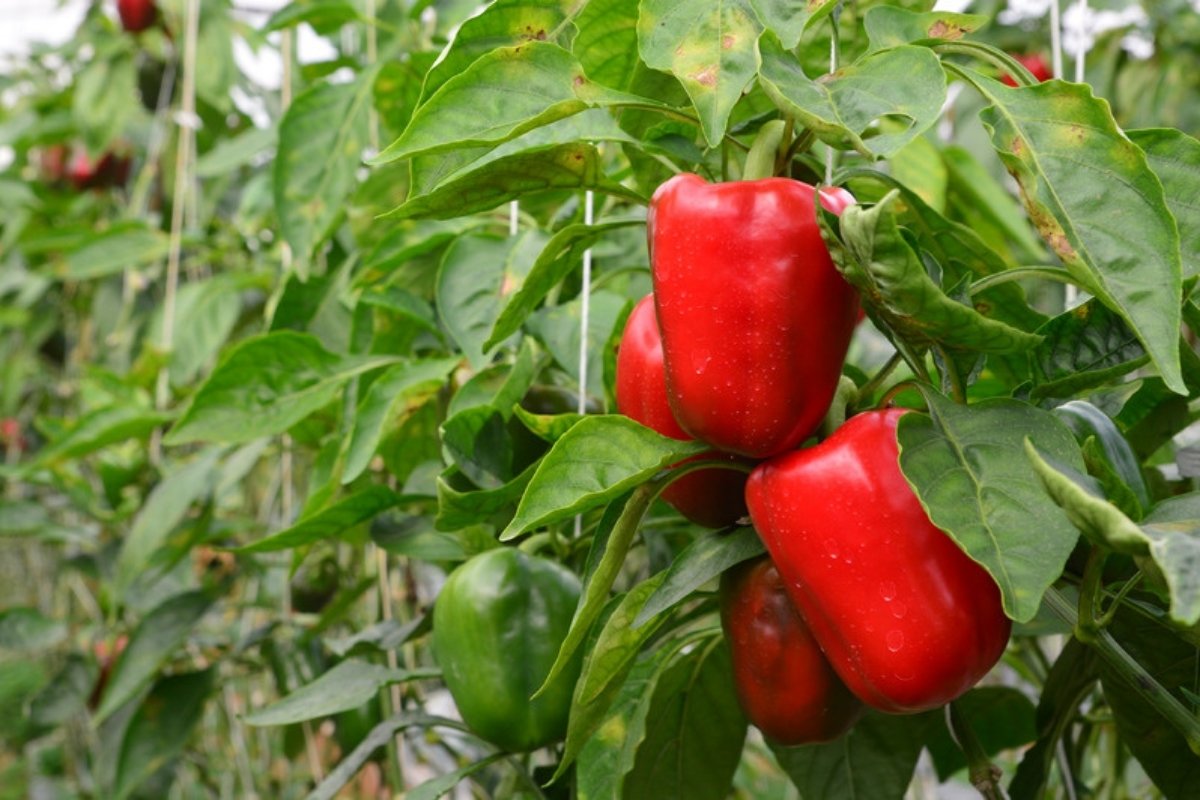
1. Pick Varieties That Suit Your Season
A bountiful harvest starts with the seed packet. Check the "days to maturity" on the label and choose varieties that have time to ripen before your first fall frost. The University of Minnesota suggests looking for peppers described as widely adapted or cold tolerant, and notes that smaller-fruited peppers handle both cool and hot weather better than large bells. If diseases have been a problem in your garden, choose resistant varieties.
2. Start Seeds Early and Transplant at the Right Time
Start pepper seeds indoors about eight weeks before you plan to plant them outside. They germinate best in warm soil; the University of Maryland gives 85°F as the optimum temperature for germination.
If your seedlings form flower buds before planting day, pinch the buds off until just before they go into the garden; this lets the young plants put their energy into roots and leaves first.
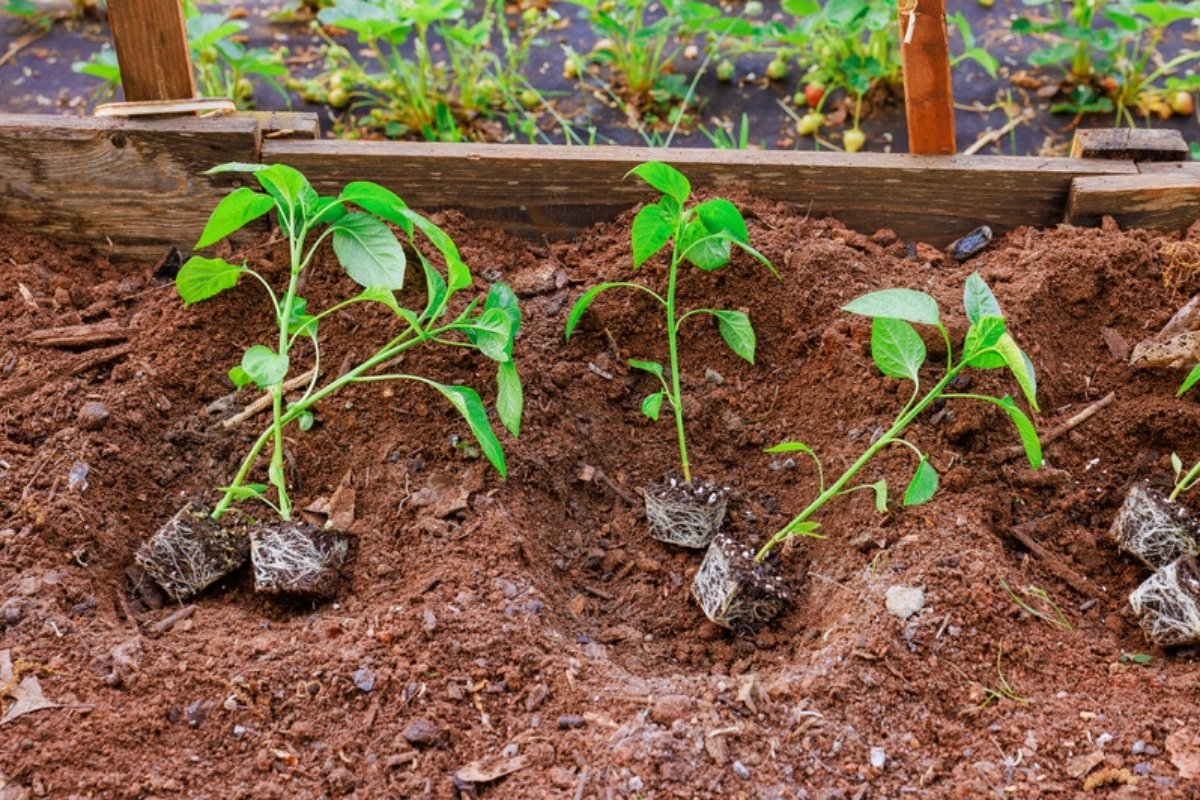
Wait until night temperatures stay above 50°F before you transplant. Water the seedlings well beforehand and set them out in the late afternoon or on a cloudy, calm day to reduce transplant shock.
3. Give Them Room and Good Soil
Space plants about 18 inches apart in rows 30 to 36 inches apart. Peppers grow best in well-drained soil with a pH between 6.5 and 7, so a soil test is worth doing. Work in compost or well-rotted manure in spring or fall, but never fresh manure. In heavy or wet soil, raised beds improve drainage and help prevent root diseases.
4. Go Easy on Nitrogen
This is one of the most common reasons for a poor crop. Too much nitrogen produces bushy, leafy plants that are slow to bear fruit. Fertilize according to a soil test, and give an extra side-dressing only after the first fruits have set.
5. Water Deeply and Consistently
Steady soil moisture gives the best fruit. If your garden gets less than one inch of rain in a week, soak the soil thoroughly at least once a week; sandy soil will need water more often. Avoid light sprinkling, which encourages shallow roots.
Mulch makes consistency much easier. Black plastic warms the soil early in the season, holds moisture and blocks weeds, while a 3 to 4 inch layer of straw or grass clippings keeps the soil cool and moist in summer.
6. Watch the Temperature
Peppers are sensitive to heat and cold when they flower. According to the University of Maryland Extension, night temperatures below 60°F or above 75°F, or days above 95°F, can cause flowers and small fruits to drop. Dry soil and hot, drying winds make it worse.
If your plants stop setting fruit in midsummer, don't give up. Production usually picks up again in late summer and early fall when temperatures ease.
7. Prevent Blossom-End Rot and Sunscald
Blossom-end rot shows up as a dark, sunken or moldy patch on the bottom of the fruit. It is linked to poor calcium uptake when the soil dries out, so even watering and mulch are the best prevention. Staking or caging the plants keeps them upright, which protects the fruit from sunscald and stops heavy branches from snapping.
8. Harvest Often
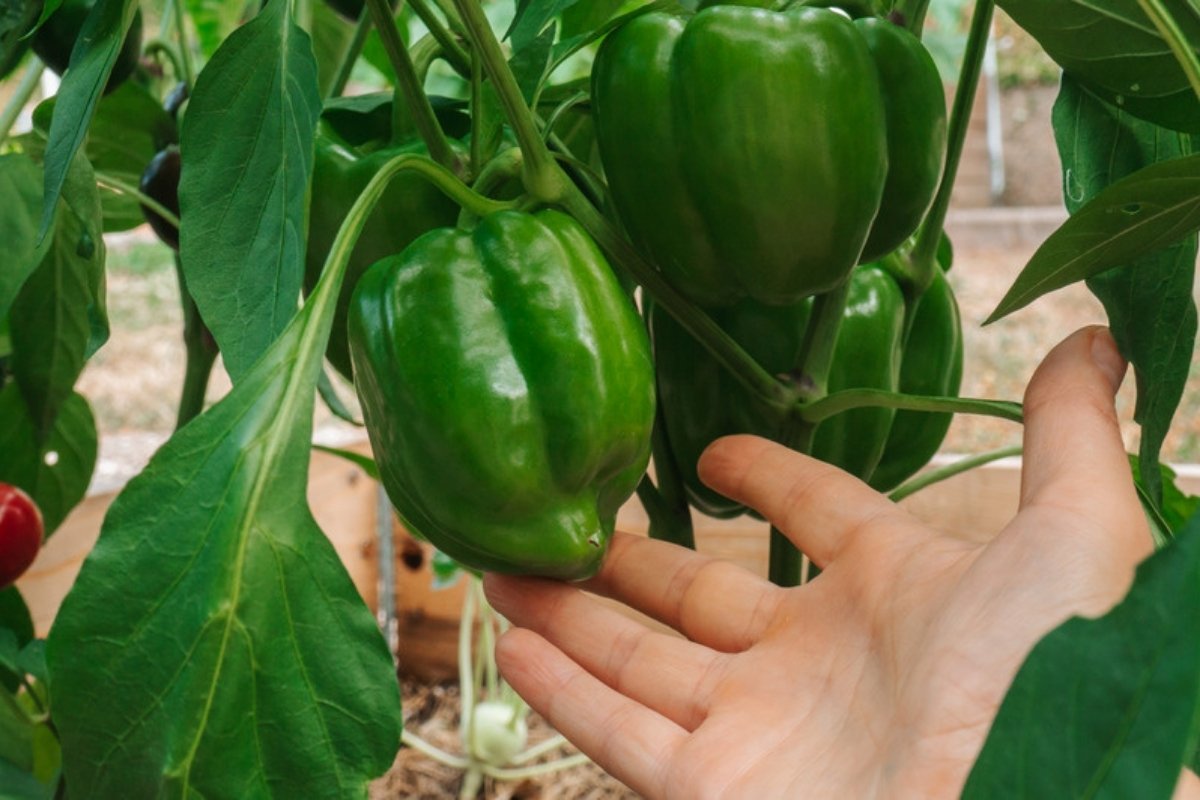
Picking regularly is the real secret to a bigger harvest: as you keep harvesting, the plants keep flowering and setting new fruit, while fruit left on the plant can slow production down. Green bell peppers are ready when they reach full size and the walls feel firm. Red, yellow or orange peppers need about 2 to 4 more weeks on the plant to change color. Cut them with sharp pruners instead of pulling, so you don't break the branches.
Store peppers in the refrigerator, where they keep for a week or more. The ideal storage temperature is 45 to 50°F; anything colder than 45°F can cause chilling injury.
Quick Facts
- Start seeds indoors: about 8 weeks before transplanting
- Transplant: when nights stay above 50°F
- Spacing: 18 inches between plants, rows 30 to 36 inches apart
- Soil pH: 6.5 to 7
- Water: about 1 inch per week, applied deeply
- Flower drop risk: nights below 60°F or above 75°F, days above 95°F
Frequently Asked Questions
Do I have to wait for peppers to turn red?
No. Peppers can be eaten at the green stage, and picking them earlier encourages the plant to set more fruit. Jalapeños are usually picked green.
Why are my pepper plants big but not producing?
The usual causes are too much nitrogen, uneven watering, or nights that are too cool or too warm during flowering. Cut back on fertilizer, keep the soil evenly moist, and be patient through heat waves.
Watch: One More Pepper Tip
In this video, the grower explains a common mistake that delays the pepper harvest and shares why the choice of variety matters so much.
Source: Useful TV
More Gardening Ideas
- Common Mistakes On Growing Peppers You Should Avoid
- Why Are My Peppers Not Turning Red?
- How to Grow Peppers in Containers: A Complete Guide
Did you find this post Useful or Inspiring? Save THIS PIN to your GARDENING Board on Pinterest!

More Gardening Tips 👇🏼👇🏼