
How to Grow Peppers in Containers: A Complete Guide


Peppers are one of the most rewarding vegetables you can grow in a pot. A single healthy plant on a sunny patio can keep you supplied with sweet bells or fiery chilies for weeks, and because the container sits where you choose, you control the sun, the soil and the water far more easily than in a garden bed.
This guide walks you through everything you need: the right pot and potting mix, when to plant, how to water and feed, and how to harvest without damaging the plant. Further down you'll also find a full video tutorial from James Prigioni.
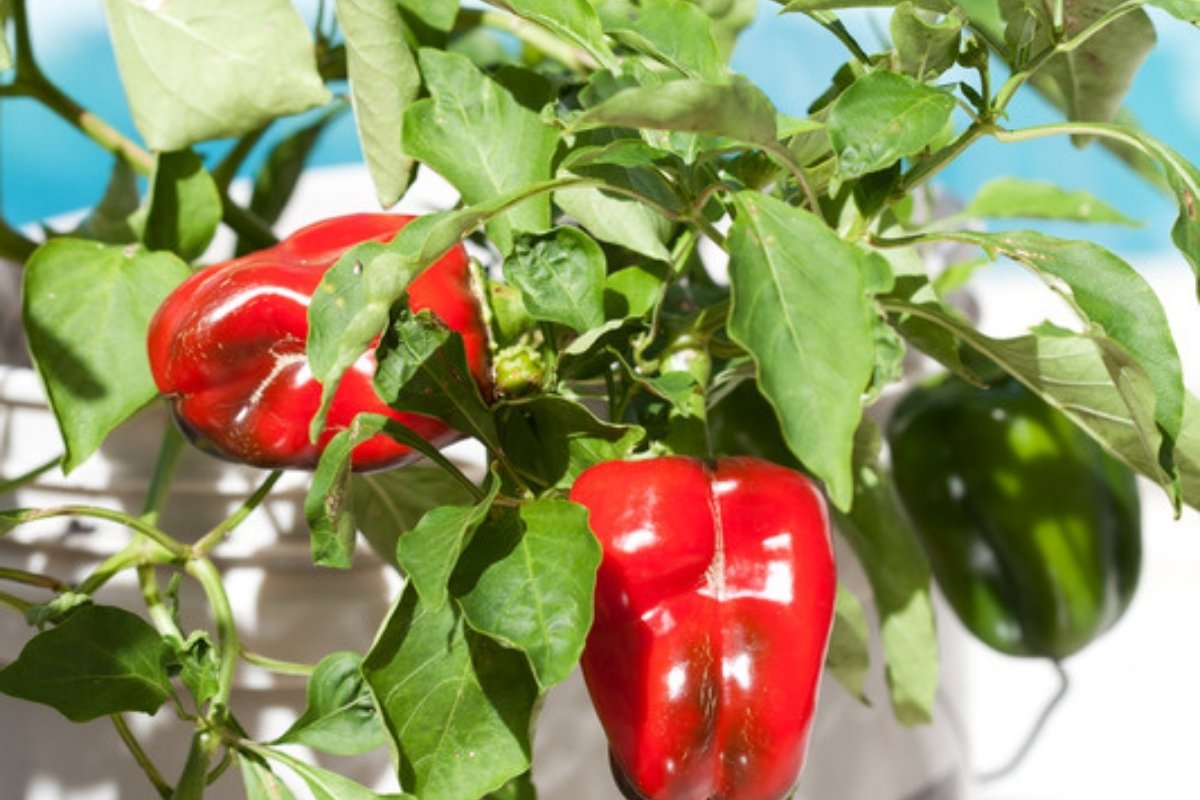
Choose the Right Container
Size matters more than anything else. Container guides from university extension services recommend a pot of at least 5 gallons for fruiting vegetables such as peppers. The UC Master Gardeners suggest a minimum of 2 gallons per plant, with 5 gallons preferred. In a 5-gallon pot you can grow one or two plants.
Whatever you choose, it must have drainage holes. Peppers hate sitting in waterlogged soil.
Color plays a role too. In cool regions, a dark pot warms the soil faster in spring, which peppers appreciate. In hot climates, a light-colored pot helps keep the roots from overheating in summer.
Use a Quality Potting Mix
Never fill a container with garden soil. It compacts, drains poorly and can carry diseases. Use a good potting mix that drains well but still holds moisture and nutrients. Common ingredients include composted pine bark, peat moss and perlite. Coir and rice hulls are also fine. Avoid mixes that are mostly peat, as they can stay too wet or dry out hard.
Give Peppers Sun and Warmth
Peppers are warm-season plants. They grow best with 6 to 8 hours of full sun a day, daytime temperatures of roughly 70 to 80°F (21 to 27°C) and nights around 60°F (16°C).
Wait until all danger of frost has passed before moving plants outside. In many areas that means planting about two to three weeks after your last spring frost, around the same time as tomatoes. One big advantage of containers: if a cold night is forecast, you can simply move the pot to a sheltered spot.
Planting Step by Step
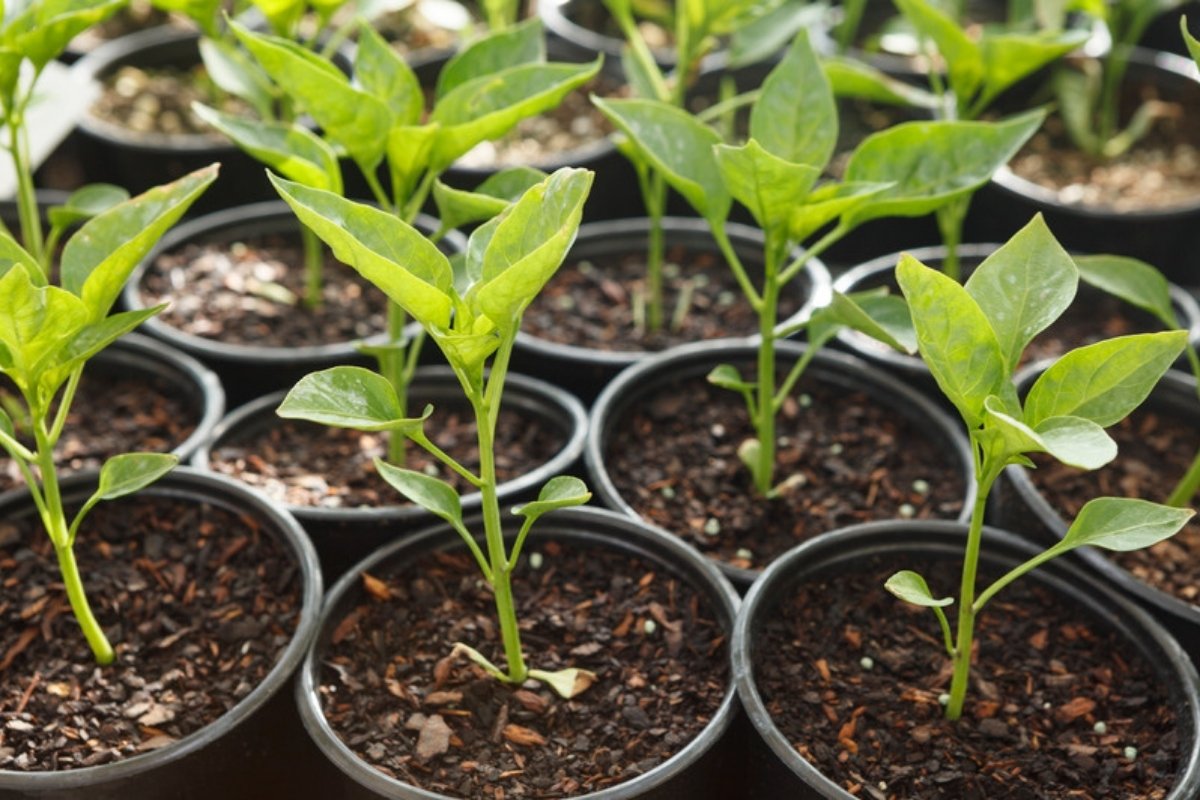
- Start with transplants. Young plants from a nursery, or seedlings you started indoors, give you a head start on the season.
- Water first. Water the potting mix and the transplant's pot thoroughly before planting.
- Plant slightly deeper. Set the root ball about an inch deeper than it was growing, so part of the stem sits below the soil line.
- Add support early. Pepper branches are brittle and get heavy with fruit. Put a small cage or stake in at planting time so you don't damage the roots later.
- Mulch. Once the plant is established, a 1-inch layer of organic mulch helps hold moisture in the pot.
Watering: Consistency Is Everything
Container plants dry out much faster than plants in the ground, especially in hot, windy weather. Aim to keep the mix evenly moist but never soggy. In the height of summer you may need to water every day.
Steady watering prevents two of the most common pepper problems. A shortage of water during flowering can make the blossoms drop before fruit sets, and uneven watering is linked to blossom-end rot, the dark, sunken patch at the bottom of the fruit.
Feeding Your Peppers
Most potting mixes include some fertilizer, but it runs out quickly, often within a couple of weeks. After that, North Carolina A&T Extension recommends feeding weekly with a water-soluble fertilizer: a balanced formula (such as 20-20-20) until the plants flower, then a fertilizer higher in potassium, like most tomato fertilizers.
Watch for Pests
Aphids are the pest you're most likely to see. Small numbers can be rubbed or rinsed off by hand, and insecticidal soap works on larger infestations. Check the undersides of the leaves every few days.
Harvesting
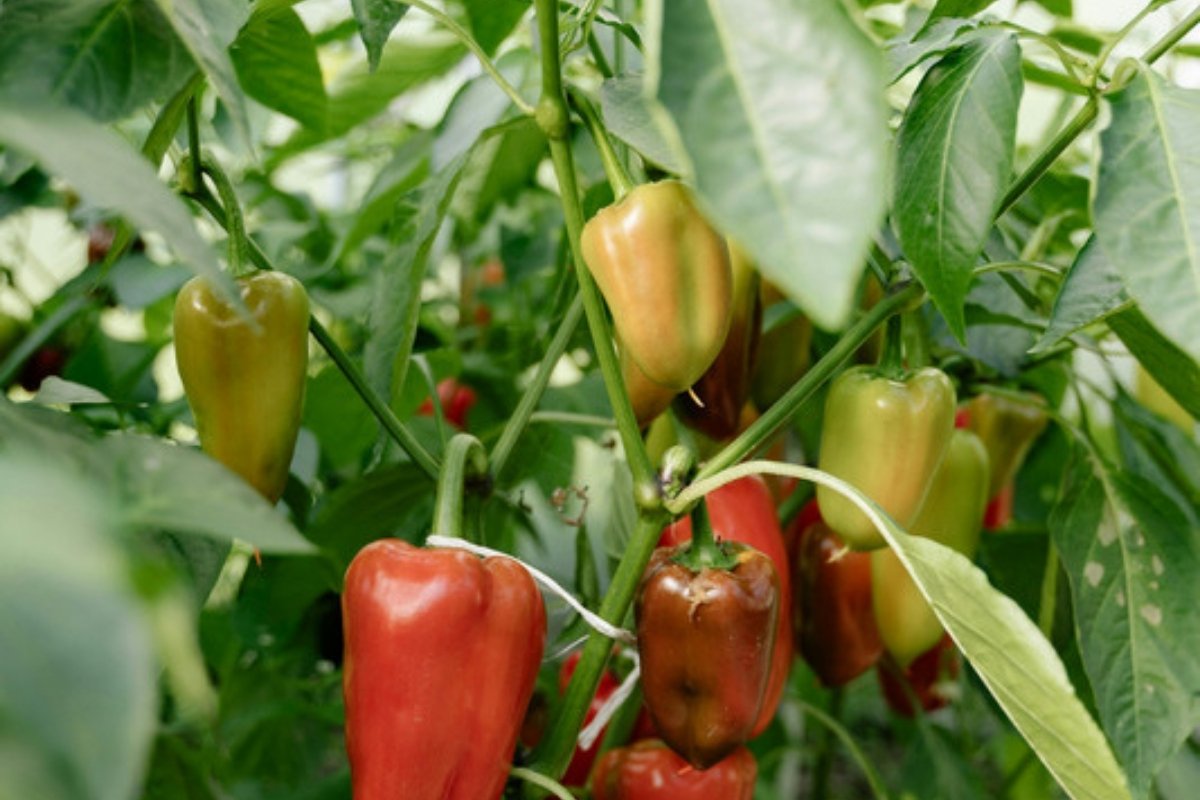
You can pick bell peppers green once they reach full size and feel firm, or leave them on the plant to turn red, yellow or orange for a sweeter flavor. Hot peppers can also be picked green or ripe, and they usually get spicier as they mature.
Always cut peppers off with pruners or scissors instead of pulling, because the branches snap easily. Fresh peppers keep in the fridge for up to two weeks and freeze well. When handling hot peppers, avoid touching your eyes.
Quick Facts: Peppers in Containers
- Pot size: 5 gallons or larger (minimum 2 gallons per plant)
- Plants per 5-gallon pot: 1 to 2
- Sun: 6 to 8 hours of full sun
- Ideal temperatures: 70 to 80°F days, around 60°F nights
- Planting time: after the last frost, around tomato-planting time
- Feeding: weekly water-soluble fertilizer once the mix's fertilizer runs out
- Harvest: cut with pruners when fruit is full size and firm
Frequently Asked Questions
Why are my pepper flowers falling off?
The most common cause in containers is a lack of water while the plant is blooming. Keep the mix evenly moist, especially during hot spells.
Can I grow more than one pepper plant in a pot?
Yes. A 5-gallon container can hold one or two plants. Smaller pots should have just one.
Watch: How to Grow Peppers in Containers
Source: The Gardening Channel With James Prigioni
More gardening ideas
- 7 Container Garden Ideas for Balconies and Patios
- 3 Seed Starting Indoors Tips for Stronger Healthy Plants
- 7 Low-Maintenance Vegetable Garden Ideas (Busy People)
Did you find this post Useful or Inspiring? Save THIS PIN to your GARDENING Board on Pinterest!

More Gardening Tips 👇🏼👇🏼