
Plant These 15 Vegetables Now for a Fresh, Abundant Spring Harvest Next Year

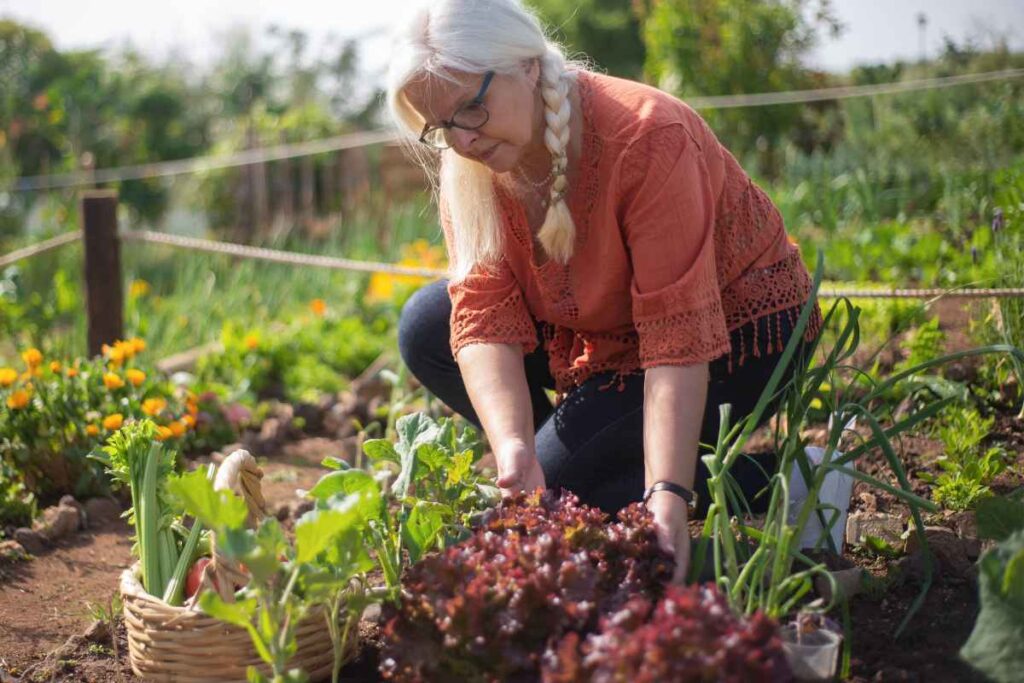
Imagine stepping into your garden next spring and harvesting fresh vegetables while everyone else is just starting their seeds. With a little planning, you can make that happen!
Fall is an excellent time to plant cold-hardy vegetables that can survive winter and resume growing when temperatures rise.
Whether you have raised beds, containers, or a backyard garden, these 15 vegetables can help you get a head start on next year's harvest.
15 Vegetables to Plant Now for a Spring Harvest
Not every vegetable survives freezing temperatures, but many tolerate cold weather remarkably well. The secret is choosing suitable varieties and planting early enough for roots to establish before winter.
1. Spinach

Spinach is one of the best vegetables for overwintering. Established plants tolerate freezing temperatures and often produce fresh leaves when spring warmth returns.
Plant in well-drained soil and protect young plants with a row cover during severe cold.
2. Kale
Kale becomes especially flavorful after light frosts. Established plants can survive winter in many climates and produce tender new growth in spring.
Choose cold-hardy varieties and transplant before the ground freezes.
3. Garlic

Plant garlic cloves in fall, approximately 2 inches (5 cm) deep, with pointed ends facing upward.
Green garlic can be harvested in spring, while mature bulbs are typically ready in summer.
4. Carrots
Carrots planted in late summer or early fall can remain in the ground through winter in suitable climates.
Cover with a thick layer of straw to protect roots from freezing. Harvest stored roots in early spring before they become woody.
5. Swiss Chard
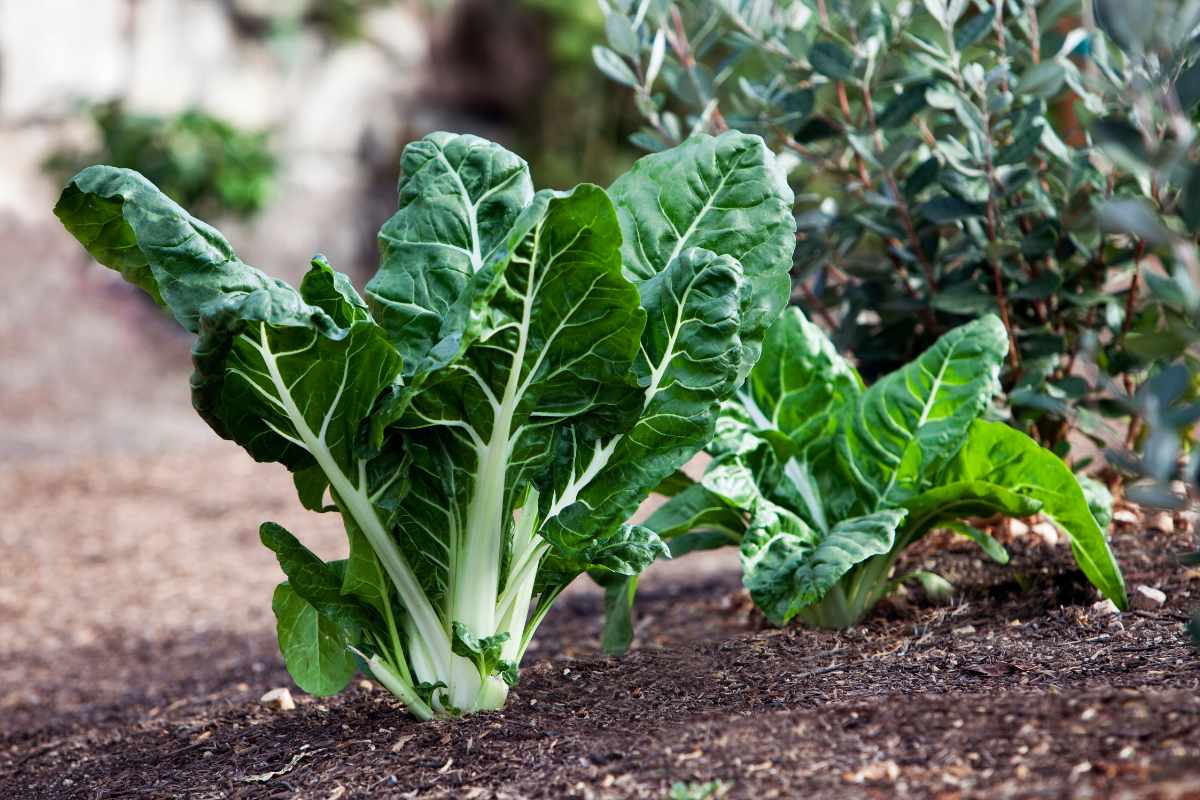
Swiss chard tolerates cool weather and may survive winter in mild regions.
Established plants often produce fresh leaves in early spring, especially when protected from hard freezes.
6. Arugula
Arugula thrives in cool temperatures and develops a pleasantly peppery flavor.
Sow seeds in early fall and use a cold frame or row cover to extend harvesting into spring.
7. Winter Lettuce
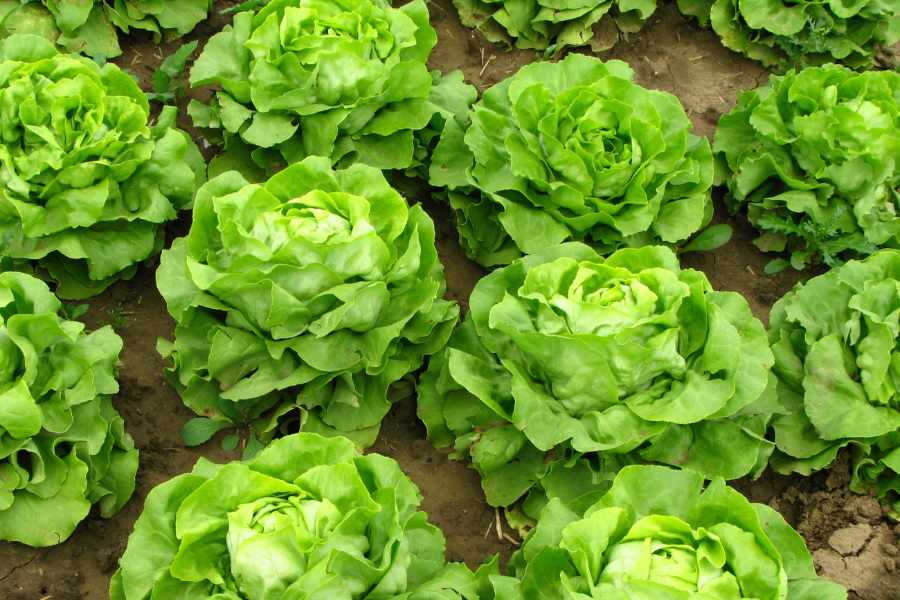
Cold-tolerant lettuce varieties can overwinter with protection.
Choose varieties labeled for winter growing and harvest tender leaves as temperatures begin warming.
8. Spring Cabbage
Spring cabbage is traditionally planted in late summer or early fall for harvesting the following spring.
Transplant healthy seedlings before cold weather arrives, allowing plenty of time for establishment.
9. Fava Beans
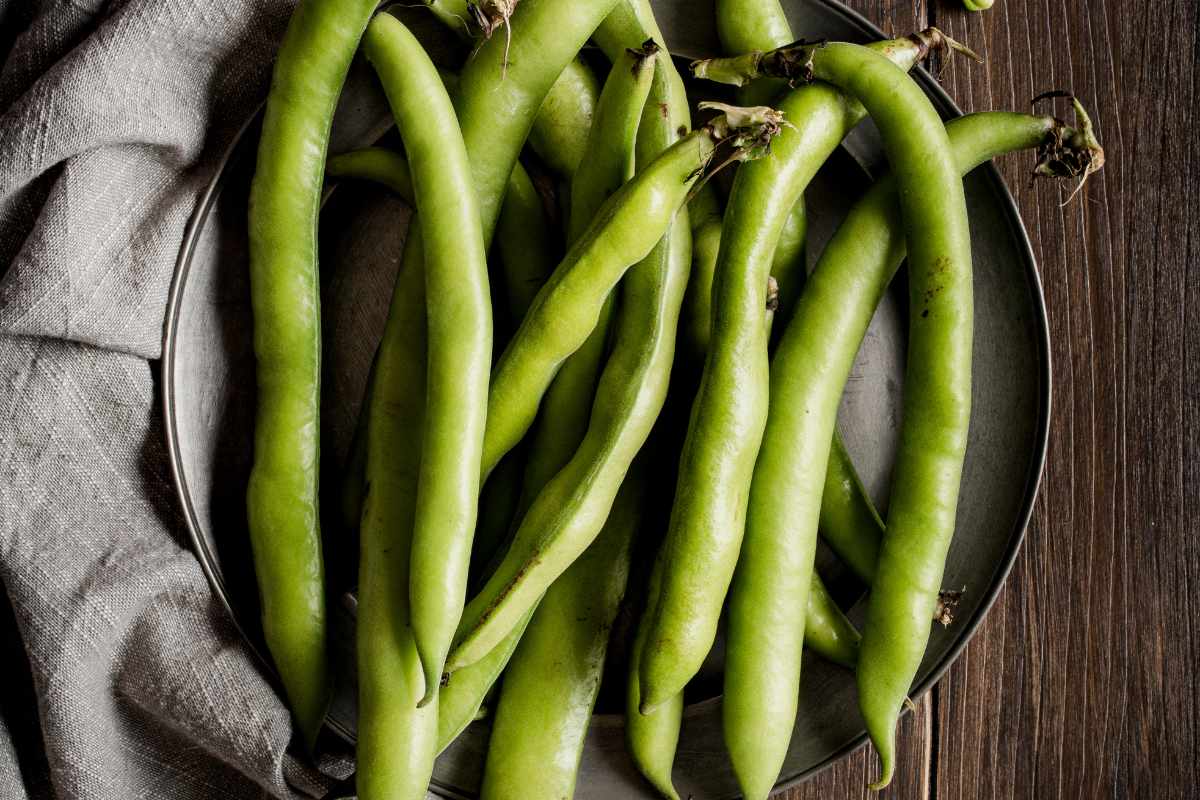
Also called broad beans, fava beans are excellent for fall planting in mild-winter climates.
Choose an overwintering variety and expect pods in late spring, depending on your region.
10. Peas
Cold-tolerant pea varieties can survive winter in relatively mild climates.
Fall-planted peas establish roots before winter and resume growth as temperatures increase.
11. Collard Greens

Collard greens are sturdy leafy vegetables that tolerate cool temperatures and light frosts.
Established plants can provide fresh spring leaves, particularly in regions with moderate winters.
12. Mustard Greens
Mustard greens grow quickly during cooler months and add a spicy flavor to salads and cooked dishes.
Protect plants from prolonged freezing temperatures to encourage spring regrowth.
13. Mizuna
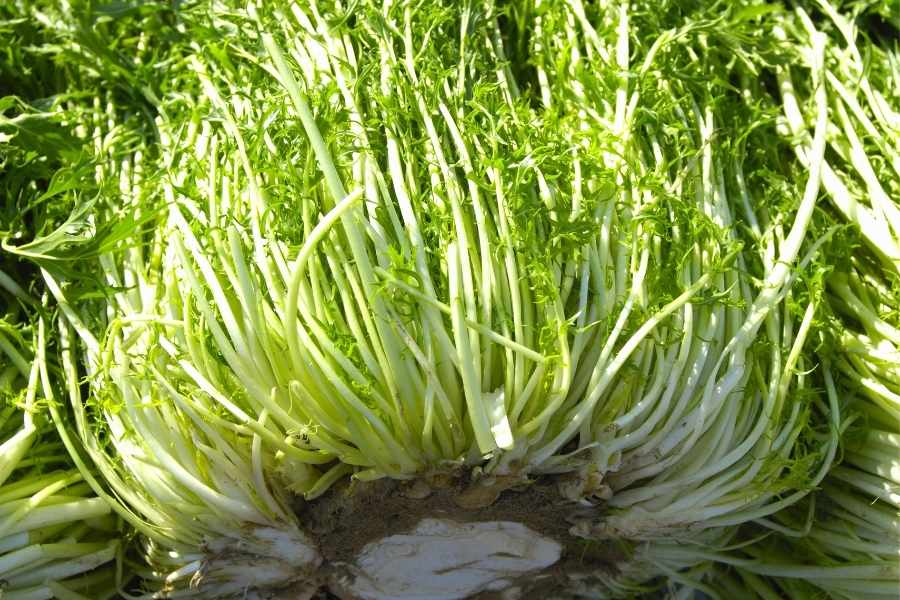
This Japanese leafy green is well suited to cool-season gardens.
Its tender, slightly peppery leaves are excellent in salads, and established plants can produce additional growth in spring.
14. Corn Salad
Also known as mâche, corn salad is exceptionally cold-tolerant.
Sow seeds in fall for small rosettes of tender leaves that can be harvested during winter or early spring.
15. Green Onions
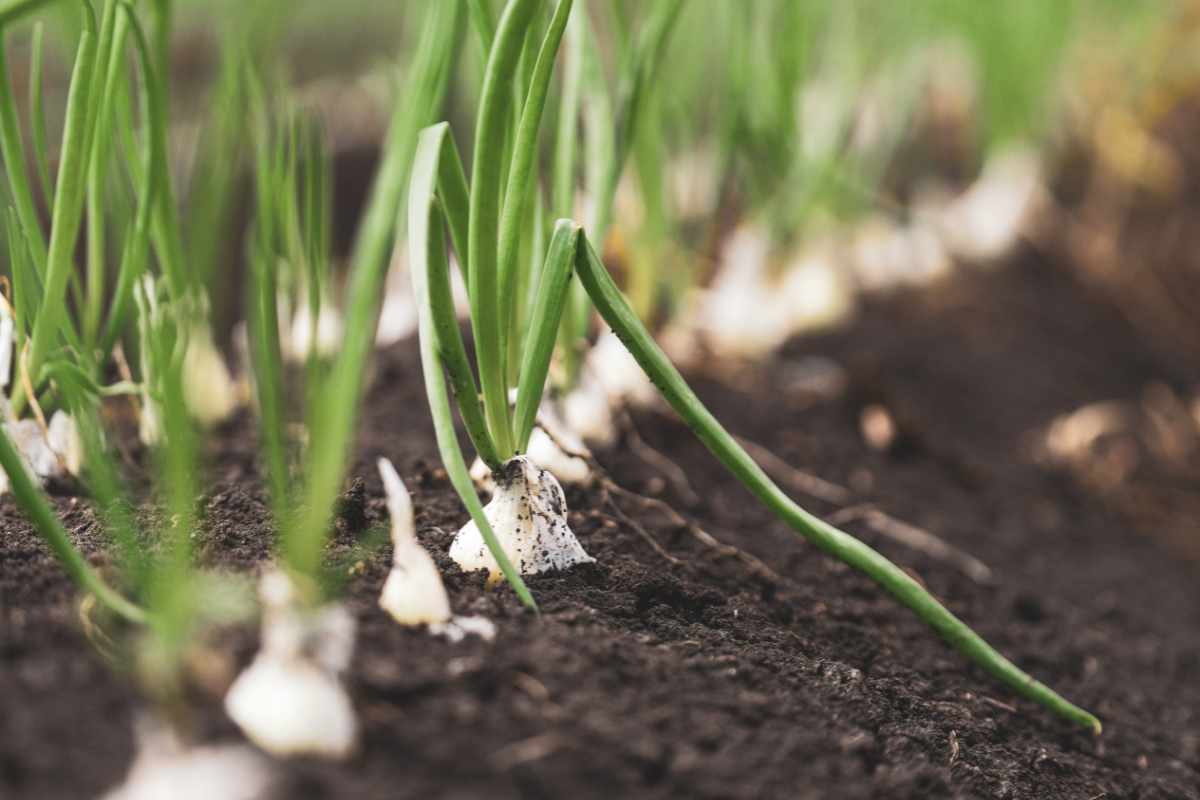
Cold-hardy bunching onions can overwinter in many regions.
Plant in fall, mulch lightly, and harvest fresh green tops when active growth resumes in spring.
How to Prepare Your Garden for Fall Planting
A successful spring harvest begins with proper preparation.
Check your growing zone: Choose vegetables suited to your local winter temperatures.
Improve your soil: Mix in finished compost to encourage healthy roots.
Plant before hard freezes: Give seedlings time to establish.
Add mulch: Apply straw or shredded leaves around established plants.
Use winter protection: Row covers and cold frames help reduce cold damage.
In regions with severe winters, some crops need substantial protection or may be better planted in early spring.
Common Fall Vegetable Gardening Mistakes
Avoid these problems when preparing your winter garden:
Planting too late: Seedlings need sufficient growth before winter dormancy.
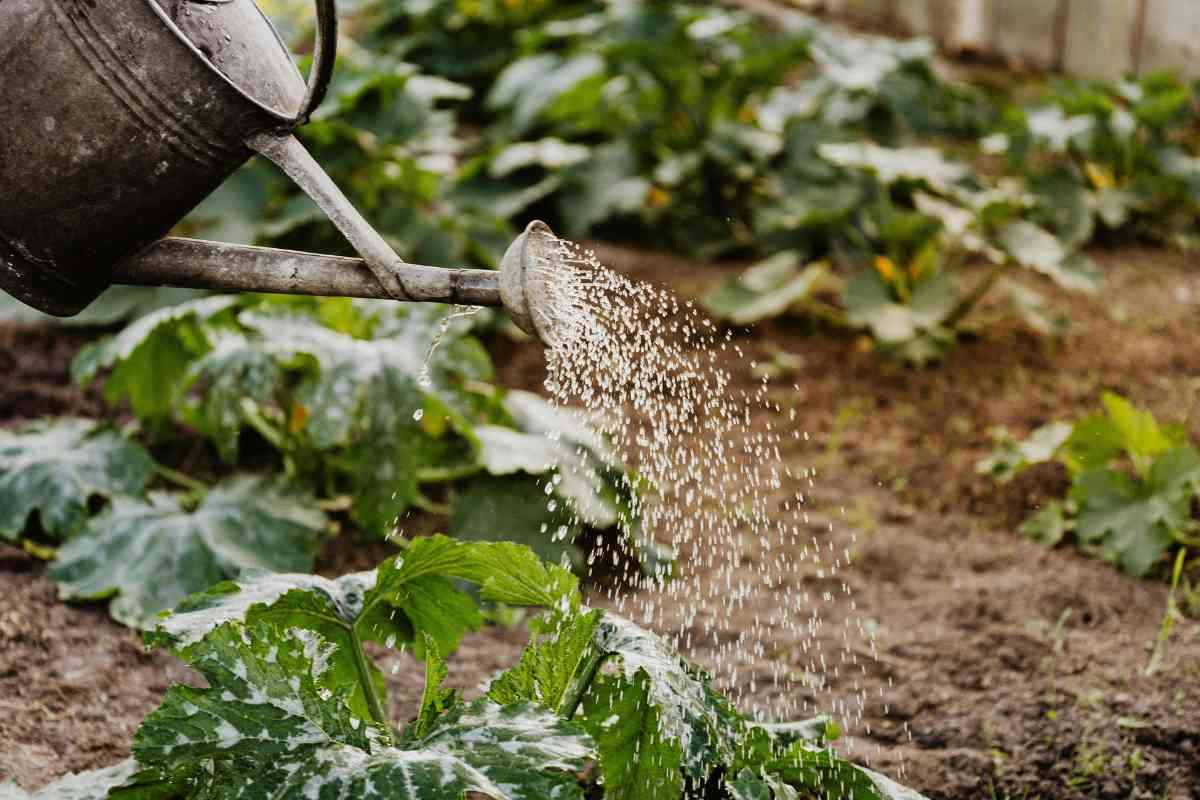
Overwatering: Cold, soggy soil increases the risk of root problems.
Choosing unsuitable varieties: Not every lettuce, pea, or cabbage tolerates winter.
Ignoring ventilation: Open cold frames during unusually warm days to prevent overheating.
Enjoy an Earlier Spring Harvest
Planting vegetables in fall is a practical way to extend your growing season and enjoy fresh food earlier next year.
Start with a few cold-hardy favorites, protect them appropriately, and expand your winter garden as you gain experience.
Happy gardening!
Emily
More Gardening Tips 👇🏼👇🏼