
7 Essential Gardening Supplies & Tools For All Levels


Gardening Supplies can make or break your first season—and still surprise seasoned growers. Whether you’re just starting Gardening 101 or refining a long-time gardening hobby, the right mix of garden items, smart setup, and a few time-saving habits will help you plant faster, care better, and harvest more.
In this guide we break down seven core tools that serve beginners and advanced gardeners alike, plus practical notes on quality, maintenance, and storage. You’ll also find quick gardening tips and tricks to boost comfort and consistency, from blades that actually keep an edge to handles that won’t fatigue your wrists.
Think of this as your streamlined kit: fewer gadgets, better results, and room to personalize with your favorite garden accessories.
How To Build A Reliable Toolkit (Without Overspending)
Before you buy, define your beds and tasks. Raised beds and container gardens push you toward compact garden hand tools, while large rows reward sturdier garden equipment. Buy tools you’ll sharpen and store, not ones that sit in the rain.
Choose stainless or heat-treated steel for blades, ash or fiberglass for handles, and test grip thickness. Start lean with the seven essentials below, then add a few thoughtful garden accessories as your needs grow.
A simple plan for garden tool organization—like a pegboard, a bucket caddy, or a wall rail—keeps everything visible, protected, and ready for work.
1) Hand Trowel: Your Everyday Workhorse
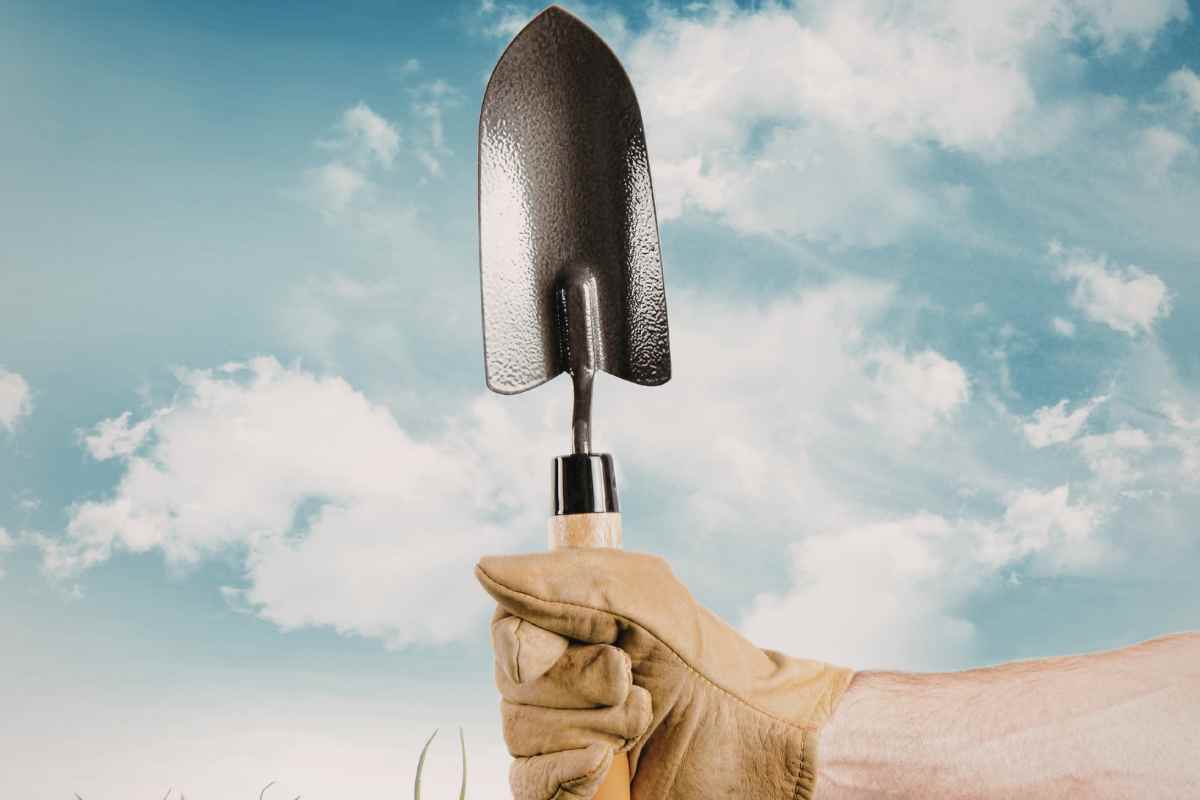
A sharp, comfortable trowel handles transplanting, mixing compost, and teasing roots. Look for a narrow, slightly cupped blade for speed in dense soil, and measurements etched on the scoop for accurate planting depth. A bright handle saves time when you set it down in mulch.
Pro move: keep one trowel for soil and another for fertilizer or lime to prevent cross-contamination. Wipe blades after use, then apply a thin oil coat to prevent rust. This humble tool is often the most-used piece of garden equipment you’ll own.
2) Bypass Pruners: Clean Cuts, Healthier Plants

Bypass pruners make a scissor-like cut that’s ideal for live stems up to about 2 cm. A non-stick coated blade and a sap groove reduce gunk build-up, while a replaceable spring and lock improve longevity. For woody stems beyond the pruner’s rating, step up to loppers to avoid crushing tissue.
Gardening tips and tricks: sanitize blades with isopropyl alcohol when moving between diseased plants, and sharpen lightly every few weeks during peak growth. If you’re shopping for gardening gifts, a left/right-hand compatible model with a micro-adjust tension dial delights any plant lover.
3) Garden Fork: Aeration Without Backache

A D-handle digging fork with square, forged tines loosens compacted soil and lifts root crops without slicing them. It also spreads mulch and turns compost, making it more versatile than many flashy garden items. Choose full-tang construction for durability and a handle length that reaches your hip to reduce strain.
Technique matters: insert vertically and rock gently—don’t pry sideways like a crowbar. Paired with a hoe, the fork transforms heavy work into rhythmic, efficient maintenance.
4) Stirrup (Oscillating) Hoe: Fast, Low-Impact Weeding
The stirrup or “hula” hoe slices on the push and pull, skimming just below the surface to sever weeds while preserving soil structure. It’s remarkably efficient for young weeds between rows and raised beds. A light head and long handle encourage an upright posture—your back will thank you.
Sharpen the thin blade often for crisp cuts. In tight spots, switch to a narrow hand hoe; together they cover most weeding scenarios for both beginners and pros.
5) Watering Can Or Hose With Adjustable Nozzle
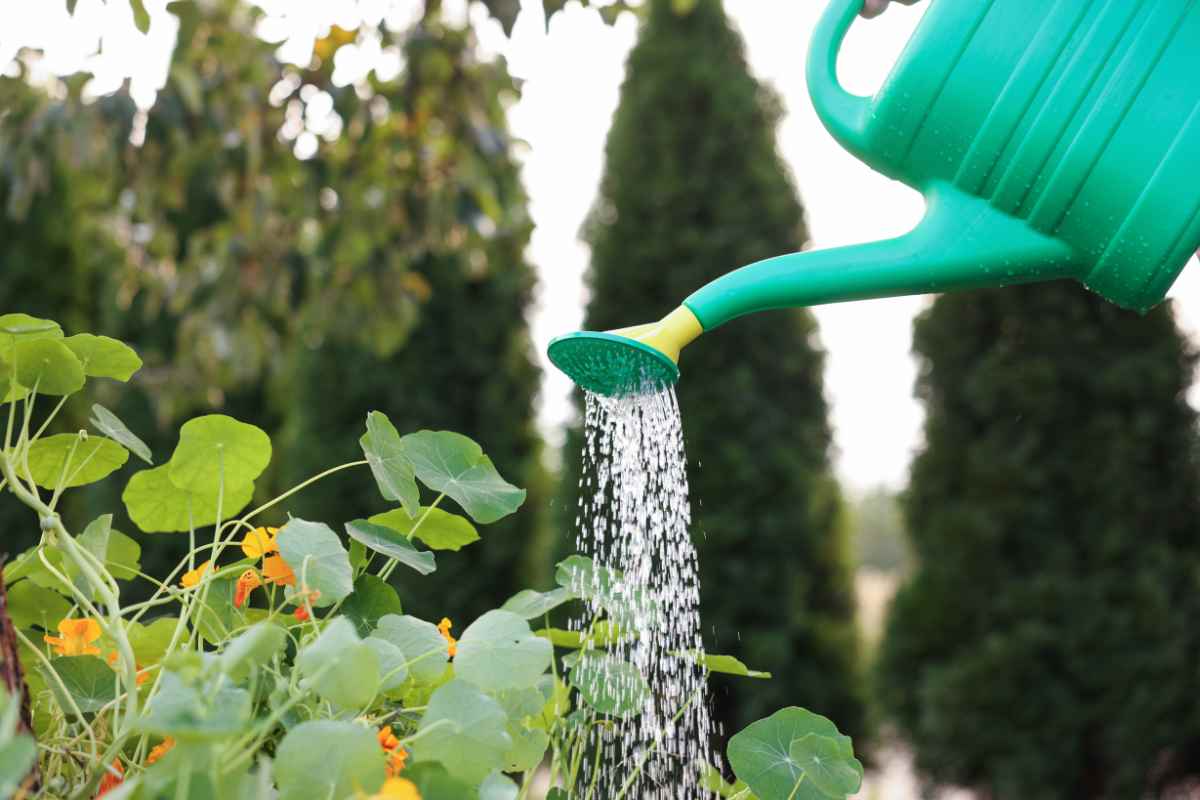
Consistent watering wins seasons. Indoors or on balconies, a 7–10 L can with a removable rose offers gentle rainfall for seedlings. In larger spaces, choose a hose with a high-quality, metal adjustable nozzle—“shower” for beds, “jet” for tools and pathways. Add an inline timer to automate morning cycles on hot weeks.
Smart add-on garden accessories: quick-connect couplers to swap heads instantly, and a pressure regulator if you run micro-irrigation. Keep fittings in a small caddy for faster setup during busy watering days.
6) Gloves: Grip, Protection, and Dexterity

You’ll want two pairs: breathable synthetics for everyday tasks and thorn-proof leather for roses and brambles. Reinforced fingertips improve durability when working with gritty soil or stone. If you’re assembling a starter set as gardening gifts, include a washable pair—clean gloves encourage daily use and safer hands.
Fit tip: snug across the palm, no extra fabric at fingertips. Proper gloves reduce blister risk and give better tool control, which is key when you swing between beginner and advanced tasks in a single weekend.
7) Wheelbarrow Or Garden Cart: Move More, Faster
For heavy lifting, a balanced single-wheel barrow turns easily in narrow paths, while a two-wheel cart offers stability on slopes. Look for a rust-resistant tub and pneumatic tires you can refill. This is the backbone of your garden equipment for compost runs, mulch loads, and harvest days.
Maintenance is simple: store under cover, keep tires inflated, and tighten axle bolts each season. Add a removable tub liner if you haul wet manure or stones to extend the life of the tray.
Keep It Tidy: Storage, Care, and DIY Upgrades

Good tools deserve good habits. For easy garden tool organization, mount a wall rail or pegboard near your hose spigot and compost bin so you grab and drop tools along natural work routes. Hang long-handled tools head-up to protect edges.
Keep a sand-and-oil bucket for quick blade dips after use, and a small whetstone clipped to the pegboard for touch-ups. Simple garden tools DIY upgrades—like adding color-coded heat-shrink to handles or wrapping grips with tennis tape—boost comfort and make tools easier to spot.
Over time, you’ll curate a few favorite garden hand tools and efficient garden accessories that fit your style, whether you’re laying out beds like a pro or just getting comfortable with Gardening 101.
We invite you to read about the top gardening tools in our article Gardening Tools to Make Your Work Easier.
Quality Over Quantity (Buying Notes)
One excellent tool beats three flimsy ones. Prioritize metal where it counts, replaceable parts, and brands that sell spare blades and springs.
When comparing garden items, hold them: the right balance feels intuitive. If you garden on a budget, watch for off-season sales and consider lightly used tools—just inspect welds and handles. A clean, well-cared-for kit looks sharp and works better, season after season.
What To Add Later (Nice-To-Haves)

After your essentials, consider a soil knife, a narrow hand hoe, kneeling pad, and a lightweight rake—classic garden accessories that elevate comfort and speed.
For gift givers, a compact tool roll or labeled bucket caddy makes thoughtful gardening gifts that also nudge better garden tool organization. Keep your eye on ergonomics as tasks evolve; that’s where advanced gardeners gain real efficiency.
Watch The Featured Video
Get a visual primer that complements this guide and spot technique differences between beginner and advanced use. The video remains the work of its original creator on YouTube; we recommend watching to see grip, stance, and pacing in action.

More Gardening Tips 👇🏼👇🏼