
5 Golden Rules For A Vegetable Garden

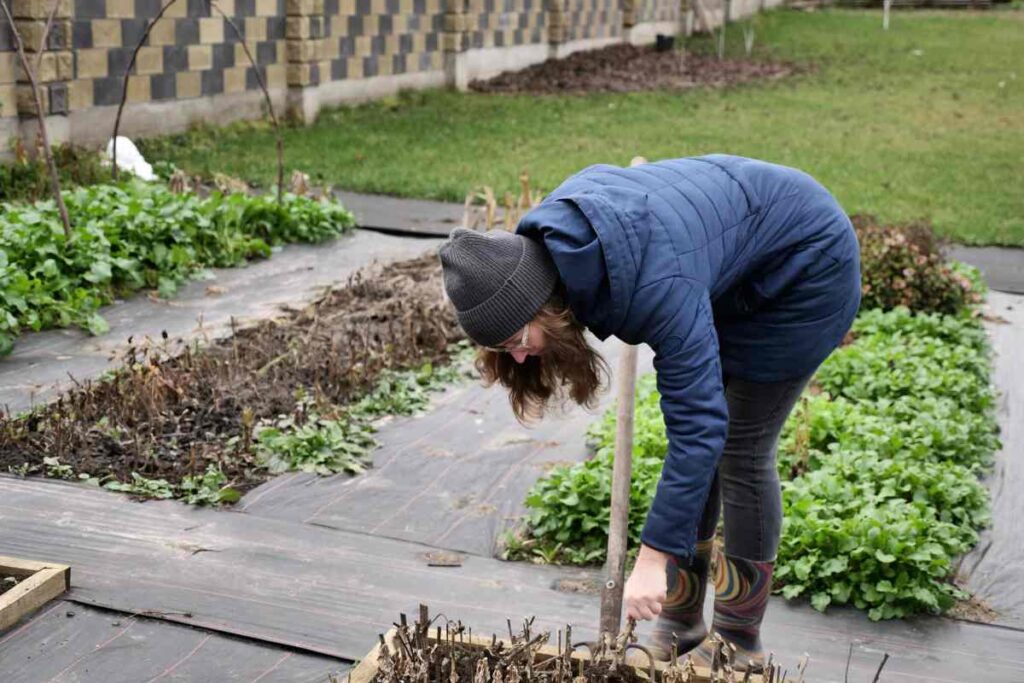
Vegetable Garden success rarely happens by accident. It’s the result of smart garden planning, choosing the right space, and working with nature—not against it. Inspired by the YouTube video “Planning a Vegetable Garden for Beginners: The 5 Golden Rules” by GrowVeg, this guide translates those timeless ideas into practical actions you can take today.
Whether you dream of a compact potager garden at your back door or a series of tidy vegetable garden beds bursting with greens, these five rules will help you design, plant, and maintain a thriving patch.
Along the way, you’ll find simple tweaks for small vegetable gardens, design cues for a stylish veggie garden design, and tips that scale from balcony plots to farm gardens. Let’s turn smart plans into delicious harvests.
What Makes A Resilient Vegetable Garden
A resilient garden balances ambition with reality: sunlight, soil, water, time, and your goals. When these match your layout—and your expectations—you’ll harvest more with less stress. Think of these rules as a compass for small garden design and larger landscapes alike. They’ll guide your choices so your beds, paths, and planting rhythm keep you in control season after season.
Rule 1: Plan From Sunlight, Then Everything Else

Sun is the engine of productivity. Start by mapping where you get 6–8 hours of light, then place your vegetable garden beds there first.
Tall crops like corn or trellised beans should go on the north side so they don’t shade shorter plants. This light-first approach works for small garden ideas—such as a sunny patio nook for tomatoes—or for larger farm gardens where field orientation matters.
For a compact DIY vegetable garden, track light for one clear day: mark sun patches each hour and sketch them.
Your sketch becomes the anchor for veggie garden ideas, from where to tuck basil to how to angle a cucumber trellis. If space is tight, lean into verticals: fences, teepees, and wall planters turn beams of sunshine into productive real estate.
Pro move: In a potager garden, mix edible and ornamental sun-lovers—ruby chard, calendula, and dwarf peppers—to create a beautiful, productive front-of-house bed without sacrificing yield.
Rule 2: Build Beds That Fit Your Body (And Your Soil)

Productive gardens are comfortable to work in. Keep beds no wider than 1.2 m (4 ft) so you can reach the center without stepping on the soil.
Pathways should fit your wheelbarrow or your stride. This ergonomic principle unlocks huge gains in small spaces and enables clean veggie garden design that stays tidy through the season.
Raised beds warm sooner, improve drainage, and make crop rotation simpler—perfect for small vegetable gardens. In heavier soils, consider mounded rows or framed beds; in sandy soils, add compost to hold moisture.
However you build, mulch paths to suppress weeds and define structure. That structure is what turns a list of veggie garden ideas into a layout you’ll love working in.
Tip for beginners: Start with two or three beds rather than ten. It’s easier to keep up with watering, staking, and harvesting—and it leaves room to expand when your confidence grows.
Rule 3: Grow What You Eat, Succession-Plant The Rest

Your garden should match your kitchen. Make a quick list of “always-eat” vegetables—maybe lettuce, cucumbers, carrots, and herbs. Prioritize those, then plan successions so new plants replace harvested ones. This turns a single bed into a relay race of crops, keeping plates full and beds active.
In a small space, succession is the secret sauce of small garden design. Harvest a spring spinach row and follow with bush beans; pull spent peas and slide in summer lettuce under a cucumber trellis. This is where intentional garden planning shines, letting your vegetable garden outproduce its footprint.
Pro move: Blend “cut-and-come-again” greens with slower crops. While tomatoes size up, sow quick radishes at the edges. In a decorative potager garden, underplant tomatoes with basil and dwarf marigolds to fill bare soil and deter pests.
Rule 4: Feed The Soil So The Soil Feeds You
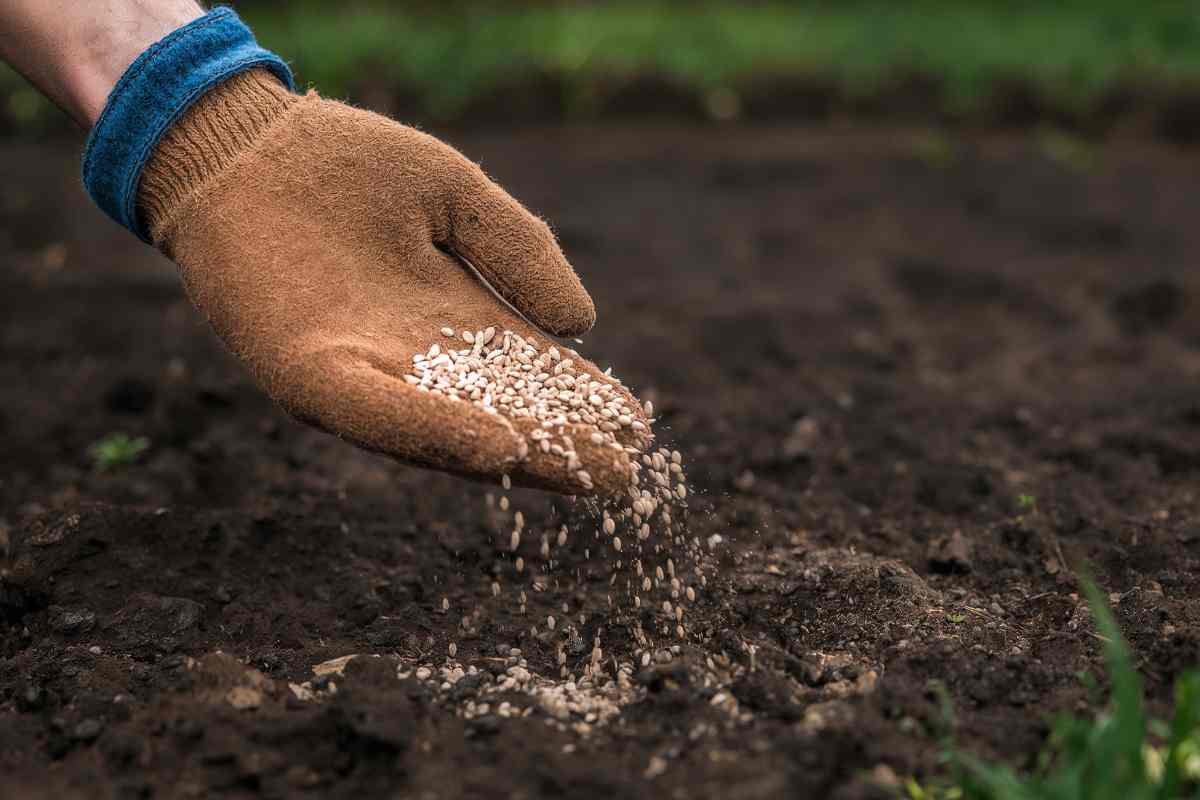
Healthy soil is your strongest ally. Add finished compost at the start of each season, mulch after planting, and avoid compressing beds. A living soil teems with insects and microbes that cycle nutrients and hold moisture—vital for steady harvests in both patio plots and farm gardens.
In raised vegetable garden beds, top up with a mix of compost and high-quality topsoil yearly. Use mulch (straw, shredded leaves, or wood chips on paths) to protect the surface and reduce watering needs. If you’re mapping out veggie garden design for a windy site, low windbreaks and mulch keep moisture in and stress down.
Pro move: Rotate families (tomatoes/peppers, brassicas, legumes, roots) each year. Even in small vegetable gardens, a simple rotation across two or three beds helps prevent disease buildup and balances nutrients.
Rule 5: Make Watering Easy—Then You’ll Actually Do It

The best watering system is the one you’ll use consistently. Drip lines or soaker hoses deliver water at the roots, conserve moisture, and keep leaves dry—reducing disease. Group thirsty crops together and keep a shutoff or timer close by. In a balcony-scale DIY vegetable garden, use self-watering containers and mulch the surface to slow evaporation.
Design watering into your paths and layout. If you’re brainstorming small garden ideas, set one main hose lane that reaches every bed without wrestling kinks. In larger farm gardens, zone irrigation and monitor soil moisture after heatwaves. Your plants can’t tell you when they’re parched—your system should.
Pro move: Water deeply and less frequently to train roots downward. Then, as summer heats up, top up with targeted morning sessions so your vegetable garden stays vigorous without wasting water.
Putting It All Together In Your Plan
Here’s how to apply the five rules in a weekend. First, sketch your site and block in sun and shade. Second, place beds where the light is best and the paths feel natural underfoot.
Third, list five crops you eat weekly and assign them to beds, penciling in successions. Fourth, add compost and mulch, then note a simple rotation.
Fifth, lay drip or soaker hoses before you plant your last bed. With those basics set, refine the look to match your style—straight runs for order, or a potager garden with curving edges and edible flowers for charm.
As you refine, borrow freely from veggie garden ideas that fit your space: narrow trellises over pathways, herb-filled edges, or dwarf fruit along a fence. The goal is a design you’ll love to tend as much as you love to harvest. With intentional garden planning, even the smallest plot becomes a generous kitchen partner.
Attribution & What You’ll Learn From The Video
This article is based on the YouTube video “Planning a Vegetable Garden for Beginners: The 5 Golden Rules” from the GrowVeg channel.
The original creator explains the mindset behind planning—focusing on sunlight, structure, crop choice, soil health, and practical watering—so you avoid common pitfalls and grow a more productive garden.
We’ve summarized the big-picture ideas and added examples for different spaces, from balconies to farm gardens. For specific demonstrations and visual planning tips, be sure to watch the video in full and support the creator.
Watch The Video
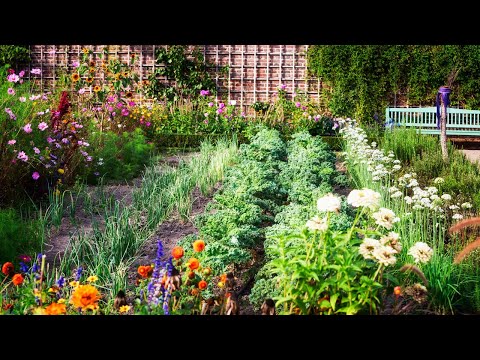
More Gardening Tips 👇🏼👇🏼