
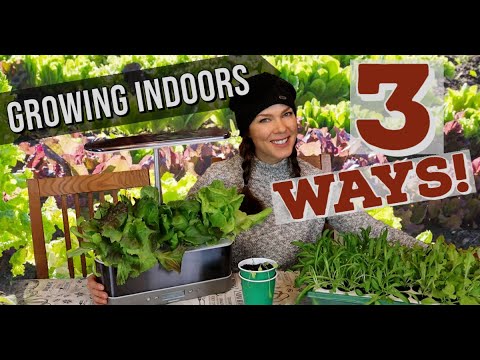
3 Ways to Grow Greens - Indoor Vegetable Gardening


Indoor Vegetable Gardening doesn’t have to be complicated or expensive. If you crave fresh salads, sandwich toppers, and herbs year-round, there are simple ways to bring the garden inside—no backyard required.
Below you’ll find three practical ways to grow greens indoors that fit different budgets, skills, and spaces. Whether you’re in a studio, shared flat, or family home, you can get a quick harvest with minimal fuss.
We’ll focus on light, water, and timing (the three big pillars), plus smart shortcuts so your first trays thrive. Ready to turn windowsills and shelves into a mini farm and start growing food indoors the low-stress way?
Indoor Vegetable Gardening: Why It Works
Greens grow fast, tolerate tight quarters, and don’t demand deep pots—making them a perfect fit for city life and compact homes. With a bit of steady light and consistent moisture, you can go from seed to snack in weeks.
These methods scale up or down, so they’re ideal Vegetable Garden For Beginners yet still rewarding for seasoned growers who want fresh harvests between seasons. Best of all, the three approaches below require modest gear and are easy to repeat, so you can create a truly Easy Vegetable Garden inside your home.
1) Tray-Grown Microgreens (Fastest Flavor and Nutrition)

Microgreens deliver the quickest wins. Sow densely in shallow trays, keep the medium moist, and harvest when the first true leaves appear.
The payoff is huge: vibrant color, intense flavor, and lightning-fast turnaround—perfect for tacos, bowls, and sandwiches. Because the plants are harvested young, you don’t need bulky containers or deep soil, and you’ll enjoy a constant rotation of fresh sprouts.
What makes microgreens so beginner-friendly is their forgiving nature. They tolerate a range of temperatures and, with a basic LED shop light, they’re happy on a shelf or countertop.
If you’re compiling Veggie Garden Ideas for winter or an event menu, microgreens are an easy win that look chef-level with almost zero fuss. Think radish for peppery bite, pea shoots for crunch, or sunflower for nutty richness.
Pro tip: Bottom-water to keep stems upright and reduce mess. Stagger a couple of trays one week apart so you always have something ready to cut. This method is the perfect gateway to Growing Vegetables Indoors, since you’ll see results in days rather than months.
2) Cut-and-Come-Again Lettuce Under LEDs (Reliable Salads, Low Effort)

If you’re dreaming of steady salads, shallow planters under LEDs are your new best friend. Choose looseleaf varieties (butter, oakleaf, romaine baby types) and sow thickly.
After the first haircut, leaves regrow for multiple rounds, giving you a steady stream of fresh greens. A simple 12–14 hour light schedule keeps growth compact and crisp without leggy stems.
This approach suits an Apartment Vegetable Garden beautifully. Trays slide onto a bookcase or kitchen rack, and harvests happen right where you cook. Because roots are shallow, watering stays manageable—aim for evenly moist, not soggy.
Add a small fan for airflow to keep foliage dry and reduce fungal issues. With predictable yields, this setup forms the backbone of an Indoor Food Garden that runs all year.
Pro tip: Mix quick growers (mizuna, tatsoi, arugula) with baby lettuces to diversify flavor and texture. Harvest with scissors a few centimeters above the crown so plants rebound quickly. Pair this with microgreens and you’ll cover both speed and volume in your Diy Vegetable Garden.
3) Jar or Tub Hydroponics (Kratky Method) for Greens & Herbs

Hydroponics sounds technical, but the passive Kratky method makes it refreshingly simple: no pumps, no timers. A jar or opaque tub holds nutrient solution; a net cup suspends the seedling so roots reach the water while leaves bask in the light.
plants drink, the solution drops and an air gap forms—no extra equipment needed. It’s a tidy, water-wise way to raise basil, lettuce, and Asian greens indoors.
For style points, line up matching jars on a sunny sill or shelf light. Because the system is self-contained, it’s tidy enough for living rooms and home offices—ideal if you’re building a compact, design-forward Indoor Garden Ideas mood board.
Expect steady growth, clean harvests, and zero soil spills. Swap in fresh nutrients between cycles, and you’ve got a sleek, modern path to Growing Food Indoors.
Pro tip: Use light-colored, reflective surfaces behind your setup to bounce extra light onto leaves. And keep the solution opaque (or the container wrapped) to discourage algae. This method complements microgreens and lettuce trays, rounding out a balanced indoor harvest plan.
Smart Tips for Small Spaces
First, match light to plant tempo. Microgreens want bright but short cycles; baby lettuces prefer long, steady light; hydro greens appreciate consistent intensity.
Second, water by method: bottom-watering for trays, even moisture for salad planters, and clean solution changes for hydro.
Third, plan succession. Start a new tray every 7–10 days so your Indoor Vegetable Gardening never pauses. These rhythms make a truly Easy Vegetable Garden possible even in a tight schedule.
Think like a space designer. Wall shelves, rolling carts, and under-cabinet LEDs multiply square footage, turning a corner into a mini farm. If you’re hunting for fresh Vegetables Garden Ideas, combine a narrow bookcase with reflective backing to create a bright growth chamber.
This works in rentals and dorms, offering flexible, renter-friendly Indoor Garden Ideas that look intentional and stylish.
Beginner Roadmap: From First Seed to First Salad

New to indoor growing? Start with one microgreen tray and one salad tray. Keep notes: date of sowing, first germination, first harvest, and flavor.
This simple log transforms you from a hopeful grower to a confident producer. As your confidence rises, add the Kratky jars for herbs. It’s a scalable plan tailored for a true Vegetable Garden For Beginners—low cost, quick feedback, and tasty results.
Budget-friendly gear goes far: a basic LED strip, shallow trays, and a kitchen rack. Once you’ve dialed in your routine, upgrade the light or add a timer.
That’s the heart of a resilient Diy Vegetable Garden: start small, improve steadily, and invest only where it matters. Before long, your home will double as a functional Indoor Food Garden that feeds you weekly.
Design Inspiration & Style Notes
Greens can be décor. Mix glossy basil jars with a ribbon of microgreens for a living centerpiece, or stage a slim shelf of lettuces near a bright window for a restaurant vibe.
These Veggie Garden Ideas blur the line between food and ornament. If you photograph your setup, use a neutral backdrop and side lighting for soft leaf texture—great for journaling progress or sharing your Apartment Vegetable Garden glow-up.
Containers matter, too. Terracotta warms rustic kitchens; matte black tubs lean modern. Trays with drainage fit seed-starting, while reservoir jars elevate hydro greens. Blend methods for visual rhythm and reliable harvests—your evolving gallery of plants will keep meals interesting and your home greener by the week.
What You’ll Learn from the Video
The original video dives deeper into layout, lighting angles, and harvest timing, showing how small tweaks unlock bigger yields.
Instead of a step-by-step parts list, you’ll see practical ways to stage shelves, dial in distance from LEDs, and read plant signals—knowledge that helps you scale all three methods above. It’s especially helpful if you want an Easy Vegetable Garden that delivers without constant tinkering.
We recommend watching with a notebook, then adapting what you see to your space. You’ll spot shortcuts to keep Growing Vegetables Indoors consistent—plus clever staging ideas that keep your setup clean and beautiful. Credit to the original creator of the video for the method insights and demonstrations that inspired these approaches.
Watch the Full Video
More Gardening Tips 👇🏼👇🏼