
9 Vegetable Garden Ideas for Beginners (Big Harvests)


Starting a vegetable garden doesn’t have to feel overwhelming—or expensive. With a few smart layout choices and beginner-friendly strategies, you can grow a surprisingly big harvest in a small space.
Below are nine vegetable garden ideas that make planting simpler, reduce mistakes, and help you get more food from every square foot.
1) Start With One “No-Fail” Garden Bed Size
One of the best beginner moves is choosing a garden size you can actually keep up with.
A great starter option is a 4x4 ft (1.2x1.2 m) or 4x8 ft (1.2x2.4 m) space. It’s big enough to produce, but small enough to weed, water, and learn without burnout.
Quick win: If you’re unsure, start smaller. You can always expand next season.
2) Try Raised Beds for Faster Success

Raised bed vegetable gardens are beginner favorites for a reason: they’re easier to manage and often produce better yields right away.
Why raised beds work well for beginners:
You control the soil quality from day one
Drainage is usually better (fewer root issues)
Weeding is easier and less constant
It’s simpler to plan spacing for “big harvests.”
Tip: Even a short raised bed (8–12 inches / 20–30 cm) can make a big difference.
3) Use a Simple “High-Yield Layout” (Not Random Rows)
Beginners often lose harvest potential by planting in long rows with too much wasted space. Instead, use one of these easy layout styles:
Block planting (easy + efficient)
Plant in wide blocks instead of rows to maximize space and reduce weeds.
Square-foot style (beginner-proof spacing)
Divide a bed into 1 ft squares and plant a set number of crops per square. It’s simple, tidy, and surprisingly productive.
Example:
1 tomato plant per 1–2 squares (with support)
4 lettuces per square
9 bush beans per square
4) Choose Vegetables That Actually Produce Big Harvests

Not every crop gives beginners a satisfying payoff. If you want “big harvest” energy, start with reliable producers.
High-yield beginner vegetables:
Zucchini / summer squash (huge output)
Bush beans (fast + productive)
Cherry tomatoes (steady harvests)
Leafy greens (quick and repeatable)
Cucumbers (especially on a trellis)
Peppers (slower start, strong payoff)
Pro tip: Aim for a mix of quick crops (greens, radishes) and long-season crops (tomatoes, peppers) so you harvest all season.
5) Go Vertical: Trellis Anything That Climbs
Vertical gardening is one of the fastest ways to increase harvests in a small space.
Try trellises for:
Cucumbers
Pole beans
Peas
Indeterminate tomatoes (needs strong support)
Why this works: You get more fruit per square foot, better airflow, easier picking, and fewer diseases from wet leaves touching the soil.
6) Container Gardening Counts (And It’s Great for Beginners)

If your yard is tiny—or you’re renting—containers are a legit way to grow a productive vegetable garden.
Best vegetables for containers:
Cherry tomatoes (use a 5-gallon / 19 L pot)
Peppers (3–5 gallons / 11–19 L)
Lettuce, spinach, arugula (shallow containers work)
Radishes, green onions
Herbs (huge beginner win)
Container must-have: Drainage holes. Without them, plants struggle no matter how good your soil is.
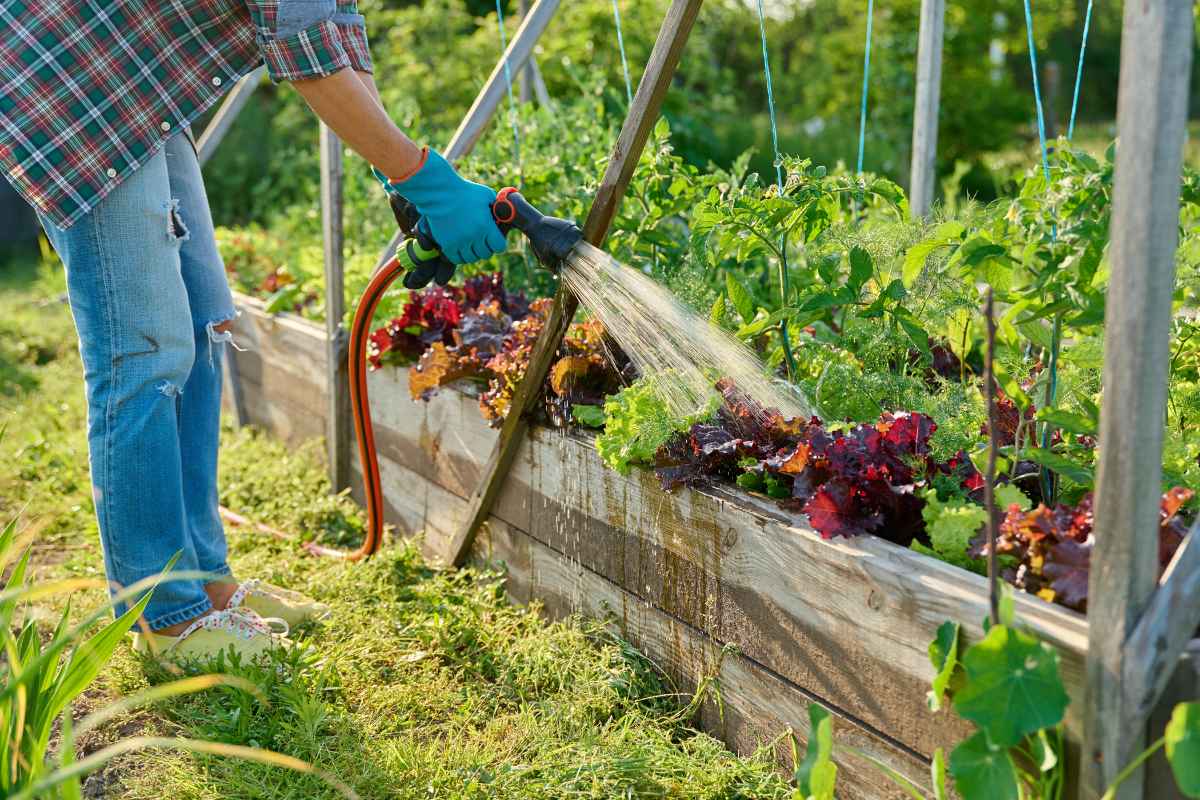
7) Make Watering Foolproof With One Simple System
Inconsistent watering is one of the biggest beginner yield-killers. You don’t need anything fancy—just consistent.
Beginner-friendly watering options:
Soaker hoses (easy, efficient, less disease)
Drip irrigation kits (great once you’re ready)
A watering can + routine (works for small gardens)
Rule of thumb: Water deeply when the top 1–2 inches (2.5–5 cm) are dry—more often in heat, less in cool weather.
Big harvest tip: Add mulch (straw, shredded leaves, untreated grass clippings) to keep moisture in and weeds down.
8) Plant in Waves (Succession Planting) for More Food

Want more harvest without more space? Plant again after you harvest.
This is called succession planting, and it’s perfect for beginners because it’s simple once you see it.
Easy examples:
After harvesting lettuce, plant bush beans
After peas finish, plant cucumbers
Sow carrots or radishes every 2–3 weeks for steady harvests
Even one extra wave of planting can dramatically increase your total yield.
9) Add a “Set-It-and-Forget-It” Crop Zone
Beginners often feel like they need to babysit every plant. You don’t. Include a few low-maintenance crops so the garden stays enjoyable.
Low-fuss crops:
Garlic (plant once, harvest later)
Potatoes (hill with soil/mulch and wait)
Sweet potatoes (warm climates, big payoff)
Herbs like rosemary, thyme, and oregano (once established)
These help balance out higher-maintenance crops like tomatoes.
Common Beginner Mistakes (And How to Fix Them)
Even great garden ideas won’t help if a few classic mistakes keep draining your harvest. Here are the big ones I see most:
Planting too much, too soon
Fix: Start with 3–6 crops you actually eat. Add variety next season.
Crowding plants “to fit more.”
Fix: Follow spacing guidelines. Crowding reduces airflow and increases pests and disease, often leading to less food.
Ignoring sunlight
Most vegetables need 6–8+ hours of sun for strong production.
Fix: If sun is limited, focus on leafy greens and herbs.
Forgetting to fertilize (or overdoing it)
Fix: Start with compost, then use a balanced vegetable fertilizer as needed. Too much nitrogen = huge leaves, fewer fruits.
Not harvesting often enough
Fix: Harvesting triggers more production (especially beans, zucchini, and cucumbers). Check plants every couple of days in peak season.
You’ll get even better results if you start with a few simple habits that keep your plants healthier from day one.
Before you buy seeds or build beds, read these 5 Golden Rules for a Successful Vegetable Garden—they’ll help you avoid common beginner mistakes and set up your garden for a stronger, more consistent harvest

A Simple Beginner Checklist You Can Use Today
Pick a manageable garden size (start small)
Choose a high-yield layout (blocks or square-foot style)
Plant 3–6 reliable vegetables you’ll actually eat
Add a trellis for at least one crop
Set a basic watering routine + mulch
Plan one “second wave” planting after your first harvest
Closing
A beginner vegetable garden doesn’t need to be perfect to be productive—it just needs a smart plan and a little consistency. Start small, plant what you love to eat, and use these ideas to get more harvest from less space. You’ll learn fast, and your garden will get better every season.
— Emily
More Gardening Tips 👇🏼👇🏼