
Growing and Caring for Mizuna Greens

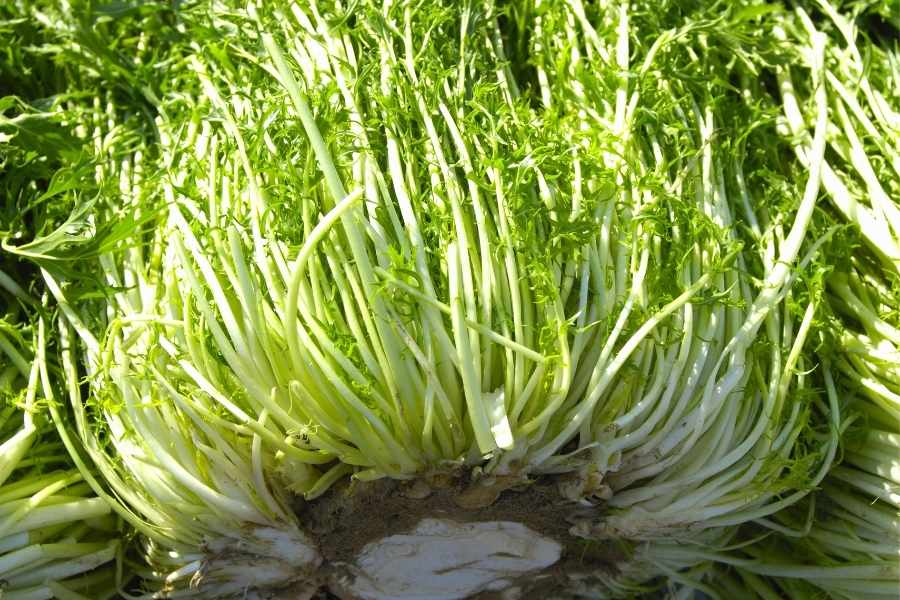
Mizuna vegetables are a Japanese variety of mustard. It is part of the Brassica family and is also known as Japanese mustard or California peppergrass.
It's hard to find mizuna in a regular supermarket (unless you're in Japan), which is one of the main reasons to consider growing mizuna vegetables at home.
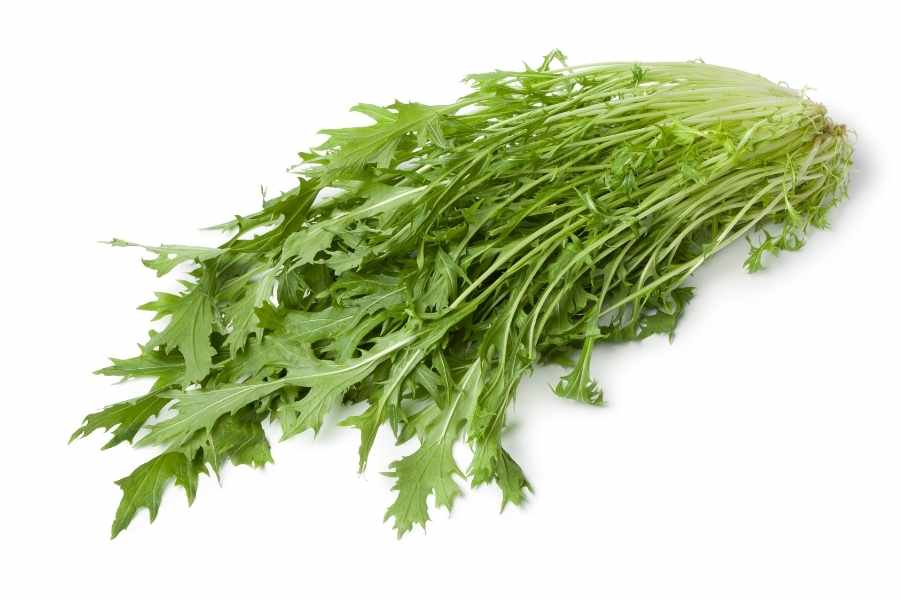
What's another reason to consider adding this spicy green to your garden? They are similar in appearance to arugula, with beautiful ruffled, feathered green leaves, and require little maintenance in the garden.
Mizuna vegetables are also ideal for cold climate regions and for the winter harvest.
Planting Mizuna Greens
You will usually find mizuna vegetables growing annually, although it is possible to hibernate, which is technically a biennial.
Mizuna doesn't run off as easily as other heat-sensitive vegetables, but she's prone to running away anyway. Extreme heat speeds up the process, so plan your planting accordingly.
Growth zones
Mizuna greens grow well in zones 4-9.
Sun requirements
Mizuna is very tolerant of partial shade and benefits from coverage in very hot summer climates. It should get around 3-5 hours of sunshine a day in colder climates.
Soil requirements
This spicy vegetable can grow in sandy or clay soil as long as it is well-drained. Aim for a pH between 6.5 and 7.0. Add lots of rich organic matter when planting.
Starting inside
Mizuna is a fast-growing plant and tolerates a variety of conditions, so it is not always necessary to plant it indoors. You can sow indoors before the last frost date begins, but it is not necessary.
If you want to plant seeds indoors, start at least 4 weeks before the date of the last spring frost. Start 6 to 12 weeks before the first fall frost date. Transplant when the seeds are a few inches tall, giving them about a week to harden.
No-till seeds
To sow directly into the garden, wait until the chance of frost has passed, about two weeks after the average frost date in most regions.
Spacing
Shrink the seedlings to about 15 inches apart. Don't waste these slimming; You can use them in a salad or as a topping for sandwiches. Plant the seeds 1/4 inch deep.
Caring for Mizuna Greens
Watering
Water evenly. Mizuna green like soil that is always wet.
Shredded
Straw around the base of the plants to conserve moisture and keep the environment cool to prevent premature bolting.
Fertilizer
If your soil is healthy and rich in organic matter, you don't have to worry about adding fertilizer. Mizuna matures quickly, so fertilization is generally not necessary.
Succession sowing
For a steady supply of mizuna greens, sow at two-week intervals in spring and again in late summer.
Complementary seeding for Mizuna Greens
Mizuna can be planted close to most garden plants and mixes well with other more demanding crops.
The following are friends of mizuna greens:
Avoid planting mizuna vegetables next to:
- Sunflowers
- Beans
- Strawberries
- Soy Beans
Harvesting Mizuna
Mizuna is trimmed and turned crop, so feel free to continue harvesting as it grows back. You will have a few single plant crops, but be careful not to cut too much of one plant at a time.
Once the plant begins to send flowers, it's time to take it out of the garden (or let it plant on its own).
A bolted mizuna plant tastes bitter and inedible.
Harvest the mizuna at any stage. As long as the leaves look large enough for your taste, trim them as needed. The leaves are usually ready for harvest between 20 and 40 days after germination.
We hope you enjoy this video about growing mizuna greens:
Source: Asian garden 2 table
Did you find this post Useful or Inspiring? Save THIS PIN to your GARDENING Board on Pinterest! 
Once again, thank you for visiting our website!
We hope you've enjoyed exploring the content we've created for you.
Give yourself the chance to learn, get inspired, and have even more fun, keep browsing...
More Gardening Tips 👇🏼👇🏼